
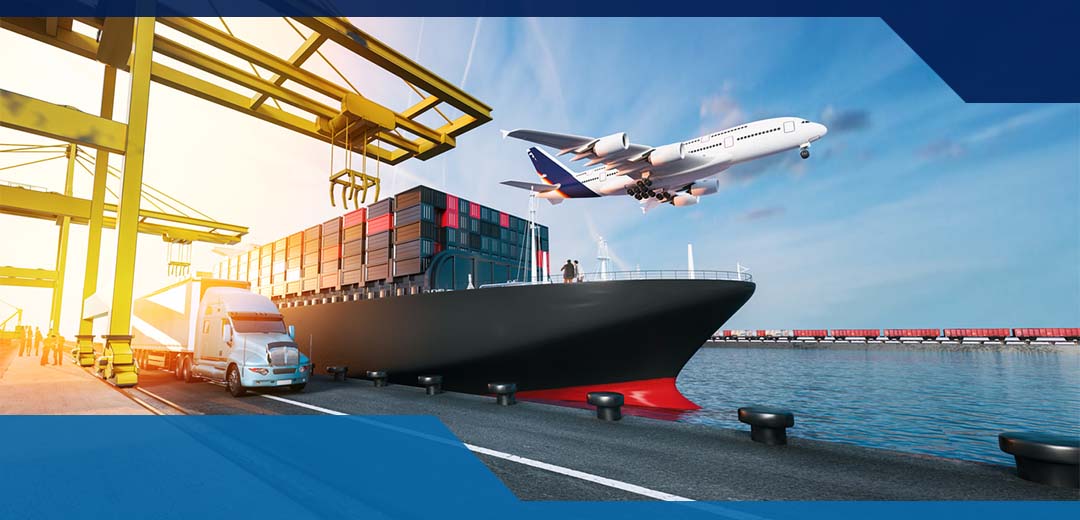
When your freight doesn’t fill a full truck, LTL (Less Than Truckload) shipping offers the ideal balance between cost, speed, and flexibility. It allows multiple shippers to share truck space, cutting expenses while maintaining reliable transit schedules. Businesses using LTL benefit from optimized transport costs and consistent nationwide delivery.
What Is LTL Shipping?
LTL shipping is a method where several small shipments from different businesses are consolidated into one truck. Each shipper pays only for the space their cargo occupies. Unlike FTL (Full Truckload) transport, LTL ensures cost efficiency for loads under 10 pallets or below 15,000 pounds.
This shared-space approach maximizes truck utilization, minimizes fuel consumption, and supports more sustainable logistics operations.
How Shared Truckload Logistics Operate
In shared-load trucking, freight from multiple origins is combined and routed efficiently to various destinations. Carriers use regional and national hubs to transfer cargo seamlessly across networks.
Simplified Transport Flow
| Step | Description | Example |
|---|---|---|
| 1 | Pickup | Goods are collected from multiple suppliers |
| 2 | Consolidation | Freight grouped at the carrier’s terminal |
| 3 | Linehaul Transit | Trucks move combined cargo between hubs |
| 4 | Sorting & Routing | Shipments separated and redirected |
| 5 | Final Delivery | Each consignee receives its share |
Strong coordination and proper documentation guarantee smooth operations through every stage.
When Shared Trucking Makes Sense for Your Business
Not every shipment requires a full trailer. Partial-load logistics help small and medium enterprises balance cost and delivery frequency.
Top Reasons to Choose LTL-Style Transport
- Lower cost per shipment compared with full truckload
- Frequent service availability across regions
- Reliable delivery windows
- Eco-friendly through shared truck use
- Reduced warehousing demand thanks to just-in-time delivery
Therefore, it suits growing businesses that prioritize cost control and consistent shipping performance.
How Much Does LTL Shipping Cost?
LTL shipping rates depend on factors like freight class, distance, size, weight, and additional services. The NMFC (National Motor Freight Classification) system standardizes pricing based on density, liability, and handling characteristics.
Sample LTL Rate Comparison
| Distance | Typical Cost (USD per 100 lbs) | Transit Time |
|---|---|---|
| 300 miles | 25–35 | 1–2 days |
| 800 miles | 40–55 | 3–5 days |
| 1,500 miles | 60–80 | 5–7 days |
Extra fees apply for liftgate delivery, inside pickup, or residential delivery. To minimize costs, shippers can consolidate loads or schedule off-peak deliveries.
Understanding Freight Classes and Their Impact
Freight classes determine how shipments are rated for pricing and handling. Lower classes represent dense, sturdy freight (cheaper), while higher classes indicate lightweight or fragile items (costlier).
| Freight Class | Description | Common Goods |
|---|---|---|
| 55 | Heavy, compact items | Metal rods, tools |
| 100 | Standard density | Furniture, electronics |
| 175 | Bulky or irregular | Bicycles, appliances |
| 300 | Lightweight, fragile | Foam, plastic goods |
Accurate classification prevents reweighing charges and delays during transit.
Average Transit Time for Partial Loads
Transit times in LTL freight vary by distance and network connections. While full truckloads move directly, partial shipments stop at multiple hubs for sorting and transfer.
Typical Delivery Duration
| Region | Transit Days | Frequency |
|---|---|---|
| In-State | 1–2 | Daily |
| Regional (up to 800 miles) | 2–4 | Daily–Biweekly |
| Cross-Country | 5–7 | Weekly |
Efficient freight forwarders provide tracking tools for visibility, helping businesses monitor every step until delivery.
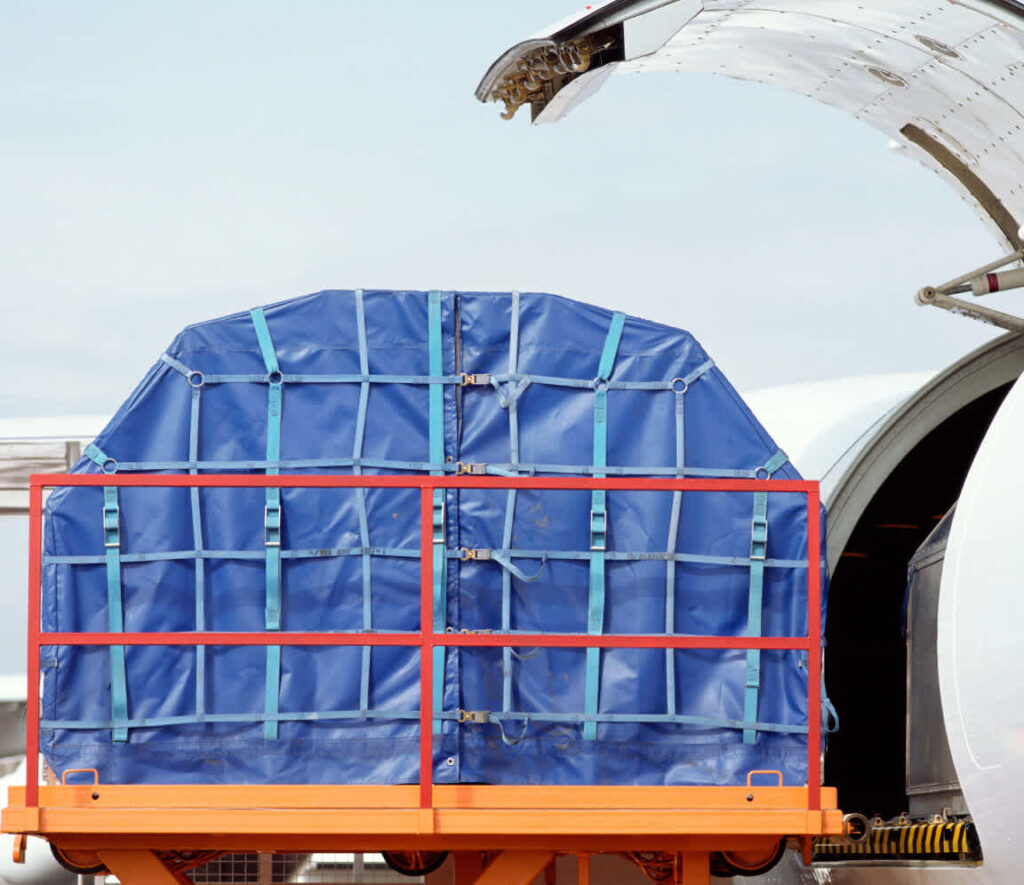
Proper Packaging Tips for Safe Delivery
Since LTL cargo is handled multiple times, proper packaging ensures damage-free transit.
Key Preparation Tips
- Use durable pallets or wooden crates
- Wrap with shrink film and reinforce edges
- Avoid overhanging or uneven stacking
- Label clearly with destination and barcode
- Include commercial invoices and packing lists
Good packaging reduces claim risks and ensures quicker customs clearance for cross-border deliveries.
What Are the Challenges of Partial-Load Logistics?
While cost-efficient, LTL freight faces a few challenges:
- Potential for longer transit times
- Cargo damage during transfer points
- Accessorial charges if paperwork is incomplete
- Limited space during peak shipping seasons
However, most carriers now use route-optimization software and advanced tracking systems to minimize these issues effectively.
Greener Trucking and Smart Consolidation
Sustainability in logistics is advancing quickly, and shared trucking plays a significant role. By combining loads, carriers reduce empty miles and emissions.
Eco-Friendly Improvements
- Route optimization using AI
- Electric or LNG-powered trucks
- Recyclable pallet materials
- Carbon-neutral shipping programs
These innovations reduce overall fuel use and support environmentally responsible transport practices.
The Future of LTL Shipping
Digitalization is reshaping LTL logistics, bringing automation, data analytics, and AI-driven route planning to the forefront. Carriers now offer online rate calculators, predictive delivery windows, and smarter load-matching systems.
Future developments will focus on:
- Real-time visibility for customers
- Dynamic pricing models based on demand
- Integration with multimodal transport networks
- Expansion of electric vehicle fleets
As technology advances, LTL will remain the cornerstone of cost-effective domestic freight.
📦Get a Free Quote
👉 Simplify your logistics today with professional LTL freight services designed to save costs and enhance reliability. Request a quote now and discover how we can move your business forward efficiently.
LTL means “Less Than Truckload,” referring to shipments that don’t require an entire truck and are consolidated with other freight.
LTL combines multiple smaller shipments in one truck, while FTL dedicates the entire truck to one customer’s goods.
Yes, carriers provide tracking through online portals or freight management systems with updates at every terminal stop.
Freight class is determined by density, packaging, value, and handling requirements using NMFC standards.
Most carriers offer limited liability, but additional cargo insurance is recommended for high-value or fragile goods.