
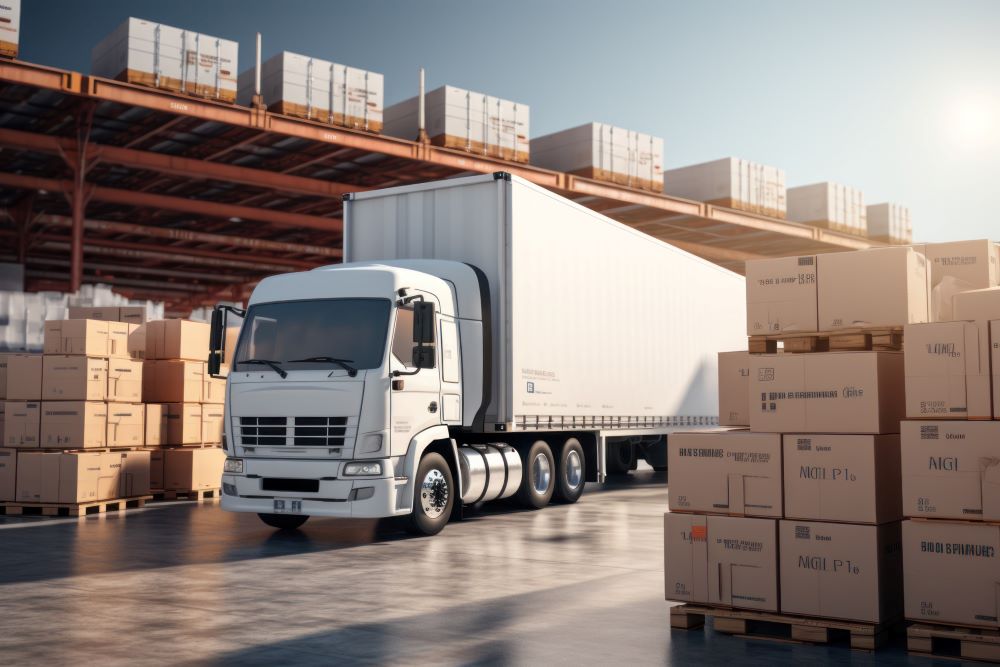
The dry van is the backbone of North American freight transport, moving millions of shipments across the continent each year. Its enclosed trailer design provides safe, flexible, and cost-effective shipping for almost any type of non-perishable cargo. Whether you’re managing retail distribution, manufacturing logistics, or regional deliveries, dry vans remain one of the most reliable trucking options available.
What Is a Dry Van and How Does It Work?
A dry van is a fully enclosed, non-climate-controlled trailer that protects freight from weather, dust, and road conditions. Unlike refrigerated (reefer) or flatbed trucks, a dry van is ideal for shipping packaged, palletized, or boxed cargo that doesn’t require temperature regulation.
Common Uses of Dry Vans:
- Consumer goods and packaged products
- Electronics, furniture, and machinery
- Clothing, paper goods, and retail stock
- Non-perishable food items
Dry vans are widely used for truckload (TL) and less-than-truckload (LTL) shipping because they balance cost, capacity, and protection.
Why Is Dry Van Shipping So Popular?
The dry van trailer offers versatility unmatched by other transport modes. Its sealed structure ensures safety from moisture and theft, while its standard dimensions make loading and routing efficient.
Key Advantages of Dry Van Freight
| Benefit | Description |
|---|---|
| Cost Efficiency | Lower shipping costs for general cargo |
| Security | Fully enclosed trailer minimizes theft and weather exposure |
| Flexibility | Compatible with most freight types |
| Availability | Largest share of the trucking market |
| Easy Loading | Rear doors and dock-level design allow faster handling |
Because dry vans dominate the trucking sector, finding available capacity and competitive rates is easier than with specialized carriers.
What Are the Standard Dry Van Sizes?
Dry vans come in several lengths depending on cargo type and route requirements. The 53-foot model is the most common in North America.
Dry Van Size and Capacity Chart
| Trailer Type | Length | Width | Height | Max Payload | Ideal Use |
|---|---|---|---|---|---|
| 28 ft Pup Van | 28 ft | 8.5 ft | 9 ft | 22,500 lbs | Regional or LTL freight |
| 48 ft Van | 48 ft | 8.5 ft | 9 ft | 45,000 lbs | Medium-distance loads |
| 53 ft Van | 53 ft | 8.5 ft | 9 ft | 45,000 lbs | Long-haul truckload freight |
Selecting the correct size depends on your shipment’s weight, pallet count, and delivery schedule.
What Does Dry Van Freight Cost?
Dry van freight rates depend on distance, fuel prices, shipment weight, and load type. Market conditions and seasonality also affect pricing.
Sample Cost Estimates
| Distance | Average Cost (USD per mile) | Transit Time |
|---|---|---|
| Local (under 200 miles) | $2.00–$3.00 | Same day |
| Regional (200–800 miles) | $2.50–$3.25 | 1–2 days |
| Long Haul (800+ miles) | $2.75–$3.75 | 2–4 days |
Additional charges apply for detention, driver assist, or liftgate service. Partnering with an experienced freight forwarder helps you secure stable rates and reduce hidden fees.
How Does Dry Van Compare to Flatbed and Reefer Freight?
Each freight method has its strengths. The dry van is the best all-around option for standard goods, while flatbeds and reefers serve specialized cargo.
| Feature | Dry Van | Flatbed | Reefer |
|---|---|---|---|
| Weather Protection | Excellent | None | Excellent |
| Cargo Type | General goods | Oversized, industrial | Perishable, temperature-controlled |
| Cost | Moderate | Moderate to high | High |
| Flexibility | High | Medium | Limited |
| Maintenance | Low | Medium | High |
Therefore, companies shipping dry, non-temperature-sensitive goods typically choose dry vans for cost and simplicity.
How Are Dry Vans Loaded and Unloaded?
Efficient loading maximizes trailer space and prevents damage during transit. Dry vans are loaded from the rear dock or ramp using forklifts and pallet jacks.
Dry Van Loading Methods
| Method | Description | Best For |
|---|---|---|
| Floor Loading | Boxes stacked directly on trailer floor | Lightweight cargo |
| Palletized Loading | Goods placed on wooden or plastic pallets | Standard retail shipments |
| Slip Sheet Loading | Replaces pallets using cardboard sheets | Cost and space efficiency |
Shippers should distribute weight evenly, avoid stacking fragile goods, and secure cargo with straps or load bars.

What Are the Common Challenges in Dry Van Freight?
While dry van trucking is highly efficient, it also presents a few operational challenges.
Typical Issues:
- Limited temperature control: Unsuitable for heat- or cold-sensitive cargo.
- Tight capacity during peak season: Higher rates and limited truck availability.
- Loading delays: Inefficient dock schedules cause detention charges.
- Moisture exposure during door loading: Can occur during heavy rain or snow.
However, digital freight platforms and predictive scheduling tools help mitigate these challenges by improving communication and planning.
When Should You Use Dry Van Freight?
Dry van shipping is best for businesses moving packaged, stackable, or boxed goods. It’s the preferred choice when freight does not require refrigeration or special handling.
Best Use Cases
- Consumer goods distribution
- E-commerce and retail replenishment
- Manufacturing parts delivery
- Office equipment and packaged electronics
Moreover, dry vans work well for both short-haul and long-haul operations, providing unmatched adaptability in the trucking industry.
How to Optimize Your Dry Van Shipments
Improving efficiency reduces cost and enhances reliability.
Practical Optimization Tips
- Book early: Secure trucks in advance during peak seasons.
- Use precise packaging: Optimize dimensions to maximize capacity.
- Leverage technology: Track routes and driver progress in real time.
- Choose trusted carriers: Partner with experienced dry van logistics providers.
- Monitor weather forecasts: Plan around extreme conditions to avoid delays.
Additionally, consolidating shipments can significantly lower per-unit costs while maintaining delivery timelines.
Sustainability Trends in Dry Van Logistics
The freight industry is becoming greener, and dry van operators are leading the way with modern solutions.
Sustainability Innovations
- Lightweight composite trailers to reduce fuel use
- Electric and hybrid trucks for regional delivery
- Aerodynamic design to cut emissions
- Carbon offset programs for eco-conscious shippers
These developments enhance supply chain efficiency while supporting corporate sustainability goals.
📦Get a Free Quote
👉 Ready to optimize your logistics network? Partner with us for professional dry van freight solutions designed for efficiency, affordability, and dependability. Contact our team today to get your custom shipping quote.
A dry van is an enclosed trailer used to transport non-perishable goods safely without temperature control.
Most dry vans hold up to 45,000 pounds or about 26 standard pallets, depending on the trailer’s size.
Dry van loads refer to general cargo shipments like consumer goods, appliances, and packaged materials that fit inside enclosed trailers.
Use proper packaging, distribute weight evenly, and secure goods with straps, load locks, or pallets to prevent shifting.
No, dry vans are not climate-controlled. Shippers should use reefers for goods requiring constant temperature.