
Exporting goods from the United States can open doors to new markets and opportunities, but it also comes with complex legal responsibilities. For beginners, understanding US export compliance is crucial to avoid heavy fines, shipment delays, or even loss of export privileges.
This comprehensive guide will walk you through export regulations, licensing, documentation, and compliance programs — helping you build a strong foundation for safe, successful international trade.

What Is US Export Compliance?
US export compliance refers to the legal framework governing the shipment of goods, software, and technology from the United States to foreign destinations. It ensures that exports align with U.S. laws, national security, and foreign policy objectives.
Exporters must follow rules set by the U.S. Department of Commerce (Bureau of Industry and Security – BIS) and the Department of State under various acts, including the Export Administration Regulations (EAR) and the International Traffic in Arms Regulations (ITAR).
These regulations determine what can be exported, to whom, and under what conditions.
Why Is Export Compliance Important?
Failure to comply with U.S. export laws can result in:
- Severe civil and criminal penalties (up to millions in fines).
- Loss of export privileges or licenses.
- Damage to your company’s reputation.
Compliance ensures your business can:
- Ship goods efficiently with fewer delays.
- Avoid violations that can lead to shipment seizures.
- Build long-term global credibility and trust.
Therefore, compliance isn’t just a legal obligation — it’s a strategic advantage in international business.

What Are the Main Export Regulations?
The U.S. export system is governed by multiple sets of laws depending on the nature of goods and their destination.
| Regulation | Governing Body | Applies To | Purpose |
|---|---|---|---|
| EAR (Export Administration Regulations) | Bureau of Industry and Security (BIS) | Commercial and dual-use items | National security and trade policy |
| ITAR (International Traffic in Arms Regulations) | U.S. Department of State | Defense articles and services | Military-related export control |
| OFAC (Office of Foreign Assets Control) | U.S. Treasury Department | Sanctions and embargoes | Restrict trade with specific countries or entities |
Understanding which regulation applies to your product is the first step toward proper compliance.
How to Classify Your Product for Export
Before exporting, you must determine how your product is classified.
1. Determine the ECCN (Export Control Classification Number):
Each product is assigned an ECCN under the Commerce Control List (CCL). This code indicates licensing requirements based on product characteristics and destination.
2. Check EAR99:
If your product isn’t listed under the CCL, it may fall under EAR99, meaning it typically doesn’t require a license unless destined for a restricted country or use.
3. Confirm Jurisdiction:
If your item is defense-related, it may fall under ITAR instead of EAR, requiring specific registration and licensing.
| Classification | Regulation | Typical Examples | License Required? |
|---|---|---|---|
| ECCN 3A001 | EAR | Advanced electronics | Often |
| EAR99 | EAR | Consumer goods | Rarely |
| ITAR 9A610 | ITAR | Aircraft components | Yes |
How to Identify When a License Is Needed
Whether you need an export license depends on three key factors:
- Destination Country:
Check the Commerce Country Chart to see if export restrictions apply. - End-User:
Verify if the buyer or recipient is listed on any restricted or denied-party lists (e.g., BIS Entity List, OFAC SDN List). - End-Use:
Ensure the product won’t be used in prohibited activities such as nuclear or missile programs.
Tip: Even when a license isn’t required, recordkeeping is mandatory. Maintain documentation for at least five years from the export date.
What Documents Are Required for Export Compliance?
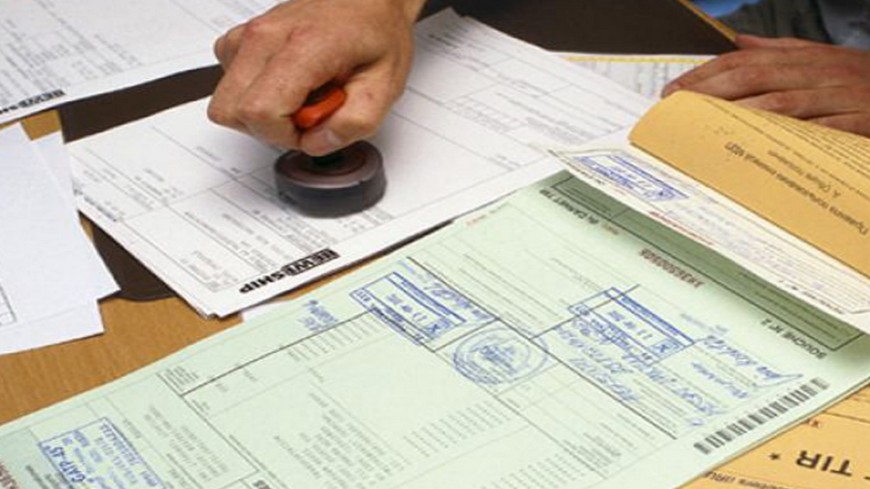
Accurate documentation ensures smooth customs clearance and compliance verification.
| Document | Purpose |
|---|---|
| Commercial Invoice | Declares the value, buyer, and goods details |
| Packing List | Details packaging and shipment contents |
| Shipper’s Export Declaration (SED) | Filed electronically via AES for exports over $2,500 |
| Bill of Lading | Acts as shipment receipt and transport contract |
| Export License | Required for controlled items |
| Certificate of Origin | Verifies where goods are manufactured |
Proper documentation not only ensures compliance but also accelerates customs clearance and reduces shipment risks.
How to Screen Customers and Partners
Screening is vital to prevent unintentional trade with restricted parties or embargoed regions.
Key screening steps include:
- Checking government databases like the Denied Persons List, Entity List, and OFAC SDN List.
- Confirming buyers’ legitimacy and export intentions.
- Using automated compliance screening software to streamline the process.
By working with an experienced freight forwarder like Velotac Logistics, you can integrate compliance screening into your logistics workflow — ensuring peace of mind for every shipment.
What Is an Export Compliance Program (ECP)?
An Export Compliance Program is an internal framework that ensures all export-related activities meet U.S. legal standards.
Key elements of a strong ECP include:
- Management commitment — company leaders must prioritize compliance.
- Risk assessment — evaluate potential exposure in markets and customers.
- Employee training — ensure staff understand export rules.
- Screening procedures — automated tools for restricted party checks.
- Recordkeeping — store shipping and licensing data for audits.
- Auditing and improvement — regular reviews of compliance processes.
A structured ECP builds consistency and reduces the likelihood of violations.
Common Export Compliance Mistakes and How to Avoid Them
Beginners often underestimate how complex export control can be. Here are the most frequent errors and how to fix them:
| Mistake | Risk | How to Avoid |
|---|---|---|
| Incorrect product classification | Licensing errors | Verify ECCN with BIS or supplier |
| Ignoring screening procedures | Legal penalties | Use updated restricted party lists |
| Incomplete documentation | Customs delays | Use standardized templates |
| Assuming EAR99 means no control | Fines for misclassification | Confirm end-use and destination |
| Not training employees | Ongoing violations | Implement compliance training |
Avoiding these mistakes can save your company significant time, money, and legal exposure.
How Velotac Helps with Export Compliance
At Velotac Logistics, we go beyond freight forwarding — we provide end-to-end export compliance support.
Our specialists assist clients with:
- ECCN classification and licensing research.
- Automated screening for restricted entities.
- Export documentation preparation and AES filing.
- Training and guidance for compliance programs.
By combining logistics expertise with compliance intelligence, Velotac helps exporters ship globally with confidence — safely, legally, and efficiently.
Conclusion
Mastering US export compliance for beginners requires careful attention to classification, licensing, and documentation. Although the rules may seem complex, following a structured compliance process makes exporting both safe and profitable.
By working with experienced professionals like Velotac Logistics, you can streamline operations, reduce risks, and ensure full compliance with every shipment.
Trade confidently, expand globally, and protect your business — one compliant shipment at a time.
Need a quote?
Ready to get started? Contact us now to request a free shipping quote.
Frequently Asked Questions (FAQ)
Start by identifying your product’s ECCN and determining whether it falls under EAR, EAR99, or ITAR.
No. Many exports, especially EAR99 goods, don’t need licenses unless shipped to restricted countries or uses.
You risk severe fines, shipment seizures, and permanent loss of export privileges.
Use official lists such as BIS Entity List and OFAC SDN List for screening.
At least once a year, or whenever new products or destinations are added.