
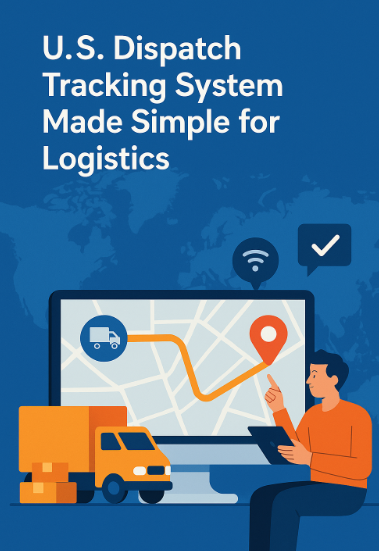
In a fast-moving logistics industry, timing, transparency, and technology determine success. A US dispatch tracking system connects all three — giving logistics managers full visibility of trucks, shipments, and routes in real time. From small carriers to nationwide fleets, businesses rely on dispatch tracking to monitor performance, cut costs, and improve customer satisfaction. With Velotac’s advanced logistics solutions, freight dispatching becomes simple, smart, and seamless.

Why the US Logistics Industry Needs Dispatch Tracking
The US logistics market exceeds $2 trillion annually and operates under tight delivery schedules and increasing fuel costs. Dispatch tracking systems have become indispensable for logistics providers, trucking companies, and freight brokers because they bridge the gap between dispatchers, drivers, and clients.
These systems offer:
- Real-time GPS tracking of shipments and drivers
- Route optimization for faster delivery
- Performance monitoring and reporting
- Communication between dispatchers and field teams
Therefore, the right tracking system not only improves efficiency but also helps businesses make data-driven decisions.
What Is a US Dispatch Tracking System?
A dispatch tracking system is software that allows logistics companies to manage vehicle dispatches, monitor deliveries, and track fleet operations in real time.
| Core Function | Description | Benefit |
|---|---|---|
| GPS Monitoring | Tracks truck and shipment location | Improves transparency |
| Route Optimization | Suggests best routes based on traffic and load | Reduces fuel and time |
| Task Management | Assigns drivers and monitors completion status | Boosts accountability |
| Analytics & Reporting | Tracks KPIs such as fuel, speed, idle time | Enhances operational decisions |
Velotac’s dispatch tracking system integrates all these features in one platform, enabling logistics teams to track, manage, and report from a single dashboard.

How Dispatch Tracking Improves Real-Time Visibility
Visibility is the foundation of modern logistics. With real-time tracking, dispatchers and clients can see the exact location and status of shipments anytime.
For instance, a distributor in Chicago can monitor a fleet delivering to Dallas, while customers receive automatic ETA updates. This transparency minimizes uncertainty and builds trust between carriers and clients.
Velotac’s real-time tracking platform uses IoT-enabled sensors and satellite communication to deliver updates every few seconds. As a result, companies experience fewer delays, faster responses, and better customer communication.
How Route Optimization Enhances Efficiency
Every minute on the road affects costs. Dispatch systems equipped with route optimization analyze weather, traffic, and vehicle capacity to suggest the most efficient delivery path.
Below is a simplified comparison between manual routing and AI-based routing:
| Routing Type | Key Features | Fuel Efficiency | Time Savings | Error Risk |
|---|---|---|---|---|
| Manual Routing | Human input, static routes | Low | Low | High |
| AI Optimization | Dynamic, data-driven adjustments | High | High | Low |
With Velotac’s AI-powered routing engine, clients have reported up to 18% savings in fuel costs and 25% faster delivery times. Therefore, route optimization transforms logistics from reactive management to predictive performance.
How Dispatch Tracking Systems Strengthen Fleet Management
Fleet management requires balancing efficiency with safety. Dispatch tracking tools make this easier by monitoring driver performance, vehicle health, and maintenance schedules.
For example:
- Alerts notify dispatchers about harsh braking, speeding, or idle time.
- Predictive maintenance modules reduce unplanned breakdowns.
- Driver scorecards encourage safe, efficient habits.
Velotac’s system integrates telematics data with dispatch operations, providing complete fleet visibility — not just vehicle location but operational health.
How Data Analytics Improves Decision-Making
Modern logistics thrives on data. A robust dispatch tracking system collects vast amounts of information, from delivery times to driver behavior.
With proper analytics, managers can identify trends, forecast performance, and make informed decisions.
Key metrics typically include:
- Average delivery time per route
- On-time delivery percentage
- Fuel consumption and cost per trip
- Customer satisfaction ratings
Velotac’s analytics dashboard transforms complex data into actionable insights, helping logistics teams plan smarter routes and allocate resources more efficiently.
Case Study: How Velotac Simplified Nationwide Dispatch
A national trucking company managing over 300 vehicles struggled with inconsistent communication and delivery delays. After adopting Velotac’s dispatch tracking system, the company achieved measurable improvements:
- On-time deliveries: Increased from 82% to 96%
- Fuel usage: Reduced by 15% through optimized routing
- Dispatch time: Cut by 40% with automated assignment tools
These results highlight how a connected dispatch ecosystem can turn daily operations into a competitive advantage.
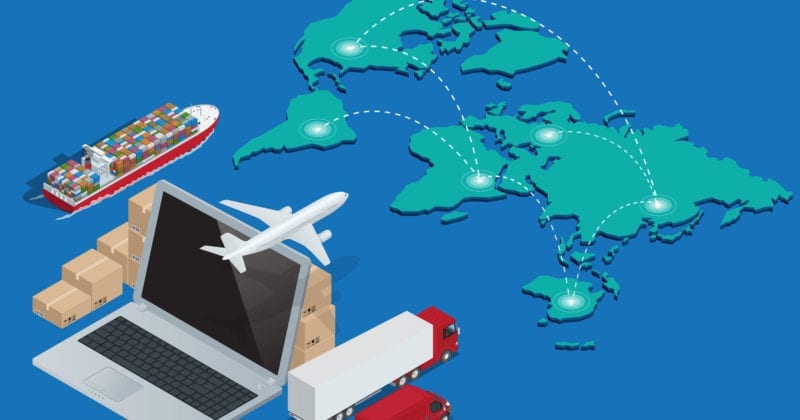
How Tracking Systems Help with Compliance and Safety
In the United States, compliance regulations such as the FMCSA ELD mandate require accurate tracking of Hours of Service (HOS). Dispatch software ensures all records are automatically logged and stored.
Safety features include:
- Driver fatigue monitoring
- Real-time alerts for maintenance or violations
- Integration with ELD and DOT reporting tools
Velotac’s compliance-ready software keeps all records in digital form, reducing paperwork and minimizing the risk of regulatory fines.
Comparing Top Features of Dispatch Tracking Systems
Before choosing a system, logistics companies should compare features based on business size and operational complexity.
| Feature Category | Basic Systems | Advanced Systems (e.g., Velotac) |
|---|---|---|
| Real-Time Tracking | Yes, limited accuracy | High-precision GPS with IoT integration |
| Route Optimization | Manual entry required | AI-based automation |
| Analytics Dashboard | Basic reporting | Predictive analytics and KPI tracking |
| Compliance Tools | Manual updates | Automated ELD synchronization |
| Scalability | Single depot only | Multi-depot, nationwide operations |
Velotac’s system falls under the advanced category, supporting multi-location coordination and data-driven logistics insights.
Integration with Other Logistics Systems
A dispatch tracking platform performs best when integrated with other systems such as Transportation Management Systems (TMS), Warehouse Management Systems (WMS), and Customer Relationship Management (CRM) platforms.
These integrations allow seamless data flow across:
- Dispatch and order management
- Warehouse inventory synchronization
- Automated invoicing and billing
- Customer notifications and updates
Velotac’s integration capabilities enable logistics companies to centralize their entire supply chain under one digital framework, improving speed and accuracy across departments.
Conclusion
In conclusion, the US dispatch tracking system has become a cornerstone of efficient logistics. By combining real-time tracking, AI-driven analytics, and compliance tools, businesses can transform complexity into clarity. With Velotac’s advanced solutions, logistics teams gain full visibility, smarter routes, and stronger control over every shipment — ensuring reliability and performance in every mile.
Need a quote?
Ready to get started? Contact us now to request a free shipping quote.
Frequently Asked Questions (FAQ)
It monitors vehicles, drivers, and shipments in real time, offering visibility, route optimization, and performance insights.
Yes. Scalable systems like Velotac’s can serve both small and large operations with customizable features.
Absolutely. Velotac’s system supports real-time GPS and ELD data for compliance and safety tracking.
By providing accurate ETAs, live shipment updates, and faster response times, improving overall reliability.
No. Most modern platforms, including Velotac’s, are user-friendly with guided onboarding and ongoing support.