
Table of Contents
Tracking international shipments has become vital for importers managing multiple suppliers and delivery routes. The US import tracking system ensures transparency from origin to final delivery by integrating customs data, carrier updates, and digital logistics tools. VELOTACTICS LOGISTICS helps businesses leverage these systems to stay informed, prevent delays, and optimize their global supply chain.
What Is the US Import Tracking System?
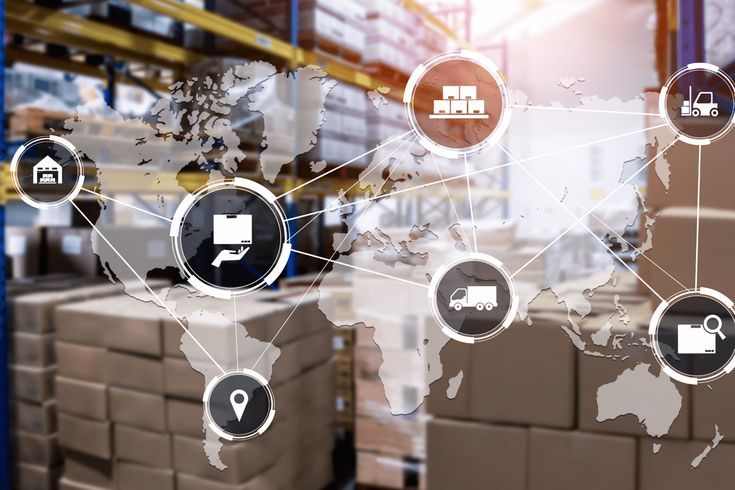
The US import tracking system is a digital framework that consolidates real-time shipment visibility across carriers, customs brokers, and government databases. Importers can see container locations, clearance status, and estimated arrival times in one place.
| Key Components | Function | Example Platforms |
|---|---|---|
| Carrier Tracking | Monitors vessel or flight movement | Maersk, CMA CGM, UPS, FedEx |
| Customs Interface | Displays entry filing and inspection status | CBP ACE Portal, AMS |
| Freight Forwarder System | Combines multiple shipments for clients | VELOTACTICS Client Dashboard |
| Warehouse Data Feed | Confirms arrival and unloading | 3PL tracking portals |
Digital synchronization between customs and logistics partners has made it easier than ever to manage imports from Asia, Europe, or South America.
Why Is Import Tracking Essential in 2025?
Global supply chains are still adapting after years of instability, making real-time visibility a must for importers. Here’s why tracking matters more than ever:
- Improved Transparency: Every step from factory to delivery is documented digitally.
- Faster Customs Clearance: Real-time updates help identify missing documents early.
- Cost Control: Early alerts on demurrage or detention prevent unexpected surcharges.
- Customer Confidence: Accurate delivery forecasts build trust with buyers.
Therefore, a modern tracking platform is not just a convenience—it’s a competitive necessity for importers handling complex shipments.
👉 Stay ahead of customs delays — Send Inquiry →
Case Study: Avoiding Fines Through Early Compliance
A California-based electronics retailer importing from Shenzhen used VELOTACTICS’ tracking dashboard to manage 15 containers simultaneously.
- The system alerted the importer about port congestion in Long Beach.
- Predictive ETA shifted the delivery plan by 2 days.
- Customs clearance completed automatically via digital filing.
- Warehouse received live notification for unloading schedule.
Result: 18% reduction in delivery variance and 12% cost savings in 2024–2025.
Our platform gives similar control to importers across all industries.
How Does the US Import Tracking System Work?
The process begins before your goods even leave the origin country. Once your freight forwarder books space with a carrier, a tracking number or bill of lading (B/L) is assigned. That number becomes the digital key for updates through the journey.
| Stage | Description | System Integration |
|---|---|---|
| Pre-Shipment | Cargo booking and documentation | Freight forwarder + exporter portal |
| Transit (Sea/Air) | Real-time vessel or flight updates | Carrier tracking API |
| Customs Entry | Filing of ISF, HTS codes, and clearance | CBP Automated Commercial System |
| Post-Clearance | Final delivery to consignee | Trucking + warehouse feeds |
VELOTACTICS integrates these data points into a single client dashboard, eliminating the need to switch between different carrier websites.
What Are the Key Tracking Methods for US Imports?
Different transportation modes offer distinct tracking approaches.
| Method | How It Works | Accuracy | Best For |
|---|---|---|---|
| Ocean Freight Tracking | Container number or B/L updates from carrier | Moderate | High-volume shipments |
| Air Freight Tracking | AWB number tracked by airline | High | Urgent cargo |
| Express Courier Tracking | End-to-end parcel tracking | Very High | Small packages |
| Rail or Intermodal | Multi-leg tracking across modes | Medium | Inland delivery from port |
Our Sea Freight and Air Freight services come with integrated updates via email or dashboard notification.
What Are the Benefits of a Digital Import Tracking Platform?
An advanced system such as VELOTACTICS’ combines data analytics, live maps, and predictive ETAs to improve logistics control.
| Feature | Importer Benefit |
|---|---|
| Real-Time Visibility | View vessel position, customs stage, and warehouse arrival instantly. |
| Automated Alerts | Receive notifications for delays, holds, or clearance release. |
| Document Storage | Keep invoices, packing lists, and import bonds in one portal. |
| Multi-Shipment Dashboard | Manage multiple containers or orders simultaneously. |
| Predictive ETA Models | Machine learning improves accuracy of delivery forecasts. |
This level of insight helps importers reduce waste, schedule warehouse labor better, and optimize customer communication.
How Does the System Connect With Customs Authorities?
The US Customs and Border Protection (CBP) relies on the Automated Commercial Environment (ACE) system to process import entries. Freight forwarders and customs brokers transmit shipment data electronically, allowing importers to track progress through the same platform.
| Common CBP Tracking Fields | Description |
|---|---|
| ISF (Importer Security Filing) | Must be submitted 24 hours before loading |
| Entry Number | Unique reference for customs release |
| Manifest Update | Real-time cargo status at port |
| Examination Notice | Indicates inspection or clearance |
| Release Notification | Confirms goods cleared and ready for pickup |
Our Customs Brokerage experts ensure accurate filings to prevent costly clearance delays.
👉 Avoid customs holds — Send Inquiry →
Comparison: Tracking Systems by Shipping Mode
| Mode | Cost Efficiency | Tracking Accuracy | Speed | Typical Use |
|---|---|---|---|---|
| Sea Freight | ★★★★★ | ★★★☆☆ | 20–35 days | Bulk goods, furniture, electronics |
| Air Freight | ★★★☆☆ | ★★★★★ | 4–8 days | High-value or urgent cargo |
| Express Courier | ★★☆☆☆ | ★★★★★ | 2–5 days | E-commerce, samples |
| Rail Freight | ★★★★☆ | ★★★☆☆ | 12–18 days | Intermodal containers |
Our Express Service ensures end-to-end visibility even for small urgent shipments.
Common Tracking Challenges and Solutions
| Challenge | Description | VELOTACTICS Solution |
|---|---|---|
| Data Delays | Carriers may update positions infrequently. | Real-time API connections across partners. |
| Customs Holds | Missing or incorrect ISF filings cause inspection. | Automated filing alerts and document checks. |
| Inland Delivery Gaps | Limited tracking once cargo leaves port. | GPS-equipped trucking and Door To Door integration. |
| Multiple Suppliers | Difficult to manage different shipment sources. | Unified dashboard consolidates all orders. |
Case Example: Real-Time Tracking for Electronics Importer
A California-based electronics retailer importing from Shenzhen used VELOTACTICS’ tracking dashboard to manage 15 containers simultaneously.
- The system alerted the importer about port congestion in Long Beach.
- Predictive ETA shifted the delivery plan by 2 days.
- Customs clearance completed automatically via digital filing.
- Warehouse received live notification for unloading schedule.
Result: 18% reduction in delivery variance and 12% cost savings in 2024–2025.
Our platform gives similar control to importers across all industries.
How Does a Tracking System Help Manage Delivery Schedules?
Import tracking tools sync with warehouse and trucking providers to ensure goods flow smoothly after customs release.
| Process Step | Tracking Function | Benefit |
|---|---|---|
| Container Arrival | ETA updates every 6 hours | Enables warehouse planning |
| Customs Clearance | Entry number and document match | Reduces idle storage time |
| Trucking Dispatch | GPS truck tracking | Prevents last-mile confusion |
| Warehouse Check-In | Digital receipt confirmation | Simplifies inventory control |
The Warehouse service by VELOTACTICS ensures full visibility from dock to stock.

Conclusion:
The US import tracking system is no longer a luxury — it’s the foundation of global trade efficiency. With digital integration, importers can monitor shipments, customs status, and delivery progress from a single dashboard. Choosing an experienced logistics partner like VELOTACTICS LOGISTICS ensures accuracy, faster clearance, and full control over every shipment.
Get a Quote
Gain real-time visibility over your global supply chain.
Get your personalized quote in under 24 hours and unlock special tracking integration discounts for 2025.
FAQ
You can use your bill of lading or container number in the CBP ACE or your freight forwarder’s tracking portal.
An integrated digital dashboard that links with customs, carriers, and warehousing—like VELOTACTICS’ system—provides the best results.
Yes, CBP’s ACE system updates clearance progress automatically once entries are filed.
Bill of Lading, ISF filing, commercial invoice, and packing list must be submitted for visibility.
AI-based tracking can forecast arrival within ±12 hours under normal conditions.
Yes, GPS-enabled trucking and warehouse integrations cover the full journey to destination.