
Table of Contents
For companies importing to the United States, sea freight remains the backbone of global trade. With rising cargo volumes and new digital systems improving visibility, understanding the US import by sea freight process in 2025 is critical for cost efficiency and timely delivery. VELOTACTICS LOGISTICS provides end-to-end sea freight solutions designed to streamline international shipping, customs clearance, and inland distribution for importers worldwide.
What Is US Import by Sea Freight?
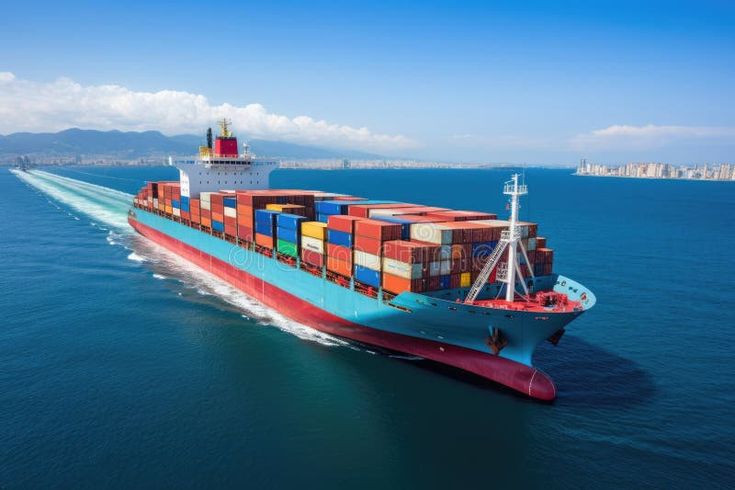
Sea freight, also known as ocean freight, is the most economical and widely used transportation method for importing goods into the US. It involves shipping cargo via container vessels from international ports to major American gateways such as Los Angeles, Long Beach, New York, and Savannah.
| Shipping Type | Description | Best For | Cost Range (per CBM) |
|---|---|---|---|
| FCL (Full Container Load) | Exclusive use of a container | Large-volume shipments | $1,200–$3,500 |
| LCL (Less than Container Load) | Shared container with other importers | Small-volume imports | $50–$120 |
| Break Bulk | Non-containerized cargo | Machinery, oversized goods | Varies by size |
Sea freight is especially favored for heavy, bulky, or non-urgent cargo due to its balance of low cost and high capacity.
Why Choose Sea Freight for US Imports?
Sea freight is not just cost-effective—it’s also flexible, reliable, and sustainable. In 2025, improved port automation and data integration make it easier for importers to plan efficiently.
Key Advantages:
- Lower transportation costs than air freight or courier services.
- Scalability for both small and large shipments.
- Reduced carbon footprint per ton of cargo moved.
- Global port connectivity with multimodal options.
Our Sea Freight service covers direct routes from major Asian and European ports, ensuring consistent transit times and full cargo tracking.
👉 Optimize your sea freight schedule today — Send Inquiry →
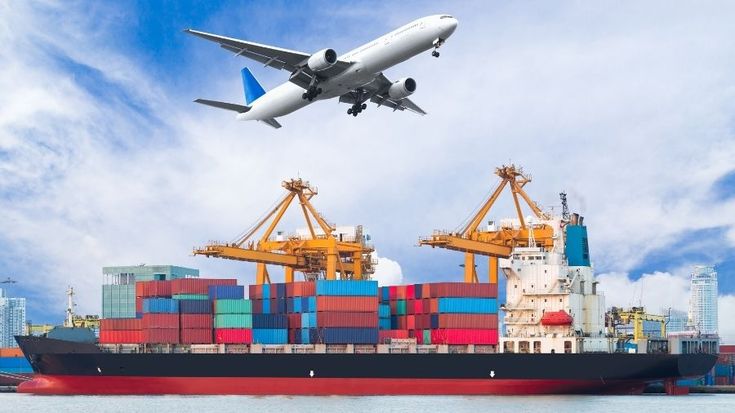
How Does the US Import by Sea Freight Process Work?
Every import shipment follows a structured sequence to ensure compliance and timely delivery.
| Step | Description | Responsible Party |
|---|---|---|
| 1. Booking | Reserve container space with a carrier | Freight Forwarder |
| 2. Export Customs Clearance | File export documents from origin | Supplier / Forwarder |
| 3. Shipping Transit | Vessel departs and arrives at US port | Ocean Carrier |
| 4. Import Customs Clearance | Submit ISF, entry, and duties | Customs Brokerage |
| 5. Delivery | Trucking to warehouse or final destination | Importer / 3PL |
VELOTACTICS integrates these stages into a transparent tracking dashboard, providing importers with real-time visibility of cargo flow.
What Are the Typical Sea Freight Transit Times to the US?
Transit time depends on the origin country and route efficiency.
| Origin Country | Main Port | US Destination | Average Transit Time |
|---|---|---|---|
| China | Shanghai | Los Angeles | 16–20 days |
| Vietnam | Ho Chi Minh | Houston | 22–26 days |
| India | Mumbai | New York | 25–30 days |
| Germany | Hamburg | Savannah | 15–18 days |
| Brazil | Santos | Miami | 12–15 days |
Air Freight options are available for faster delivery but at a higher cost.
Understanding Sea Freight Costs for US Imports
The cost of importing by sea freight involves multiple elements beyond the base rate.
| Cost Component | Description | Typical Range |
|---|---|---|
| Ocean Freight | Carrier base rate | $1,000–$3,000 per container |
| BAF/CAF Surcharge | Fuel and currency adjustments | 10–20% of freight cost |
| THC (Terminal Handling Charge) | Port loading/unloading | $100–$250 |
| Documentation & Customs | ISF, entry, broker fees | $200–$500 |
| Inland Delivery | Trucking from port | $300–$1,200 |
Our Import Service team offers cost breakdowns upfront to avoid hidden fees and ensure accurate budgeting.
👉 Request a personalized freight quote now — Send Inquiry →
Which Ports Handle the Most US Sea Freight Imports?
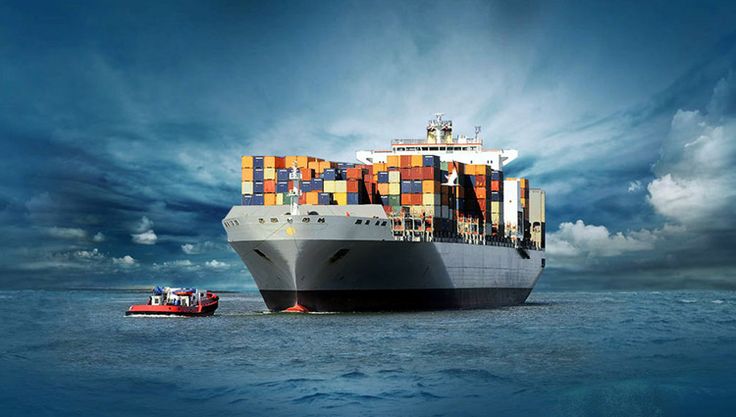
In 2025, five major ports dominate inbound US trade.
| Port | Region | Annual Volume (TEU) | Key Import Categories |
|---|---|---|---|
| Los Angeles | West Coast | 9.4 million | Electronics, apparel |
| Long Beach | West Coast | 8.2 million | Furniture, auto parts |
| New York/New Jersey | East Coast | 7.8 million | Pharmaceuticals, machinery |
| Savannah | Southeast | 6.2 million | Home goods, retail items |
| Houston | Gulf Coast | 3.9 million | Chemicals, construction materials |
VELOTACTICS partners with carriers servicing all major US entry points, optimizing routes for cost and delivery time.
What Customs Documents Are Required for Sea Freight Imports?
Every importer must comply with US Customs and Border Protection (CBP) requirements.
| Document | Purpose | Issued By |
|---|---|---|
| Commercial Invoice | Details product value and transaction | Exporter |
| Packing List | Lists package contents and weights | Exporter |
| Bill of Lading | Proof of shipment contract | Carrier |
| ISF (Importer Security Filing) | Filed 24 hours before vessel loading | Importer / Broker |
| Arrival Notice | Informs consignee of cargo arrival | Carrier |
| Customs Entry Summary | Confirms import clearance | CBP |
Our Customs Brokerage experts handle these filings electronically to ensure zero delays during clearance.
How Does Sea Freight Compare to Air Freight for US Imports?
| Criteria | Sea Freight | Air Freight |
|---|---|---|
| Transit Time | 15–35 days | 3–7 days |
| Cost | Low | High |
| Ideal For | Bulky or non-urgent cargo | Urgent or high-value goods |
| CO₂ Emissions | Low per unit | High |
| Space Capacity | High | Limited |
Sea freight remains the best choice for large-scale imports, offering substantial savings over air freight while maintaining reliability.
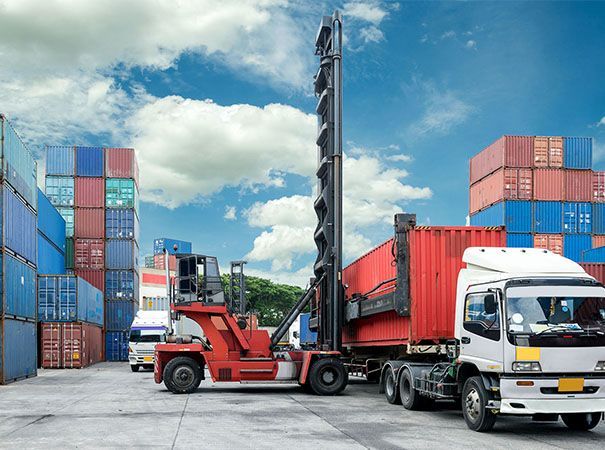
What Are Common Challenges in US Import by Sea Freight?
| Challenge | Description | Solution |
|---|---|---|
| Port Congestion | Vessel delays during peak season | Schedule early and choose alternate ports |
| Customs Hold | Documentation issues cause clearance delays | Use professional brokers |
| Demurrage & Detention | Late pickup or container return fees | Real-time tracking & proactive management |
| Space Shortage | Limited vessel capacity during holidays | Pre-booking with guaranteed allocation |
Our Door To Door solutions include real-time notifications, customs pre-filing, and inland logistics coordination to minimize disruptions.
Case Study: Optimizing Sea Freight from Asia to the US
A US-based furniture importer faced frequent shipping delays and inconsistent container tracking from multiple suppliers. VELOTACTICS consolidated their shipments under one network.
Results:
- Combined LCL to FCL shipments reduced transit time by 5 days.
- Cost savings of 18% per shipment.
- Reduced customs inspection rates through proper HS code classification.
This showcases the power of using a unified logistics partner for efficiency and reliability.

Conclusion:
The US import by sea freight process remains the most cost-efficient and scalable way to move goods internationally. By combining strategic booking, accurate customs filing, and advanced tracking technology, importers can ensure smoother operations and significant savings. VELOTACTICS LOGISTICS continues to provide tailored freight management solutions across all major global routes, helping importers ship smarter and grow faster.
Get a Quote
Get transparent pricing and reliable sea freight routes to the US.
Request your customized quote and receive your full plan in less than 24 hours.
FAQ
Transit times range between 15–35 days depending on the origin, route, and weather conditions.
Los Angeles, Long Beach, New York, Savannah, and Houston handle most sea imports.
Yes, sea freight is typically 70–80% cheaper per kilogram compared to air shipping.
You’ll need a commercial invoice, packing list, bill of lading, ISF filing, and customs entry summary.
You can track by container number or bill of lading via your freight forwarder’s online portal.
Yes, Cargo Insurance is recommended to protect against loss or damage during transit.