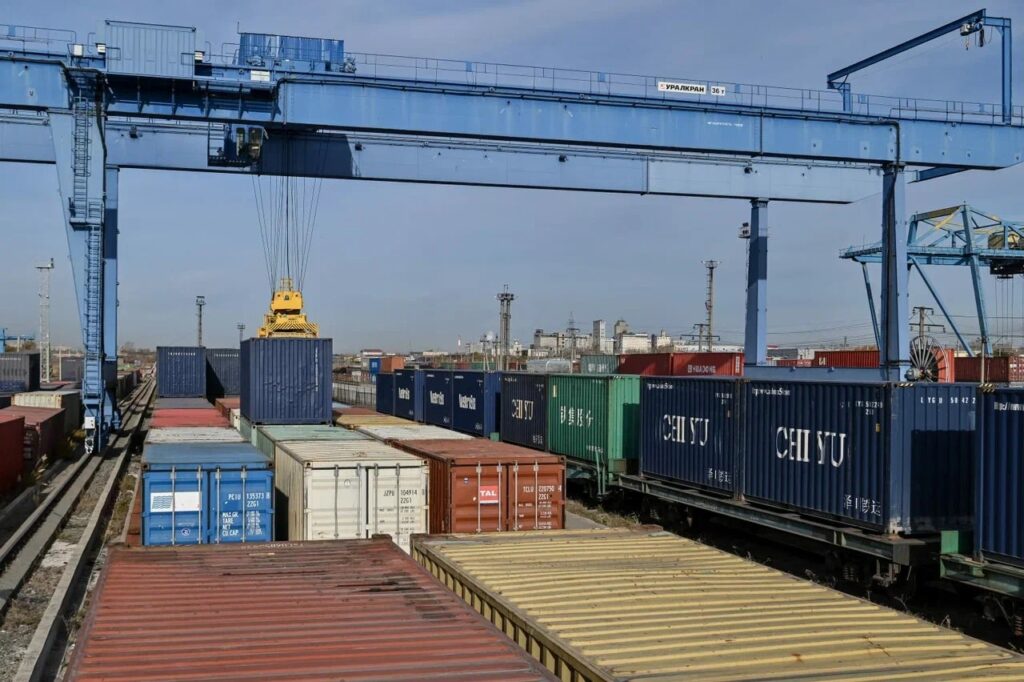
When containers move through US ports, efficiency depends not only on drivers and dispatchers but also on communication. US drayage customer service is the link between importers, carriers, and terminals that ensures every shipment arrives safely and on time. Poor service can lead to costly demurrage, missed deliveries, and lost customers. This guide explores how effective customer service in drayage operations saves time, money, and stress.
Why Drayage Customer Service Matters
In port logistics, small communication gaps can turn into big financial losses. Customers expect accurate updates, transparent billing, and rapid problem-solving. Drayage companies with strong customer service teams can:
Prevent detention and demurrage fees.
Respond quickly to port delays or equipment shortages.
Build long-term trust with importers and exporters.
Improve delivery predictability and cash flow.
Efficient service is no longer optional — it’s a competitive advantage.
What Does US Drayage Customer Service Include?
Good drayage customer service combines coordination, visibility, and issue resolution.
Core responsibilities:
Shipment tracking and reporting: Real-time updates on container status.
Dispatch coordination: Synchronizing drivers, port appointments, and chassis availability.
Billing accuracy: Ensuring demurrage or per diem charges are avoided.
Problem resolution: Managing port delays, customs issues, and documentation errors.
Client support: Providing quick answers via phone, email, or digital portals.
In short, customer service ensures every link in the short-haul chain stays connected.
How Strong Customer Service Reduces Costs
Excellent service does more than keep customers happy — it cuts hidden expenses.
By resolving issues early, drayage companies can lower total shipping costs by 10–15%.
How Drayage Customer Service Builds Trust with Importers
Importers value transparency and predictability. Service teams that provide timely container updates and proactive communication strengthen client relationships.
Example scenario: A Los Angeles importer receives auto-generated delay alerts and rescheduling options directly from the carrier. Instead of waiting two days for an update, the importer reschedules instantly and avoids warehouse downtime — saving $1,000 in storage fees.
That’s the difference between average and exceptional service.
The Role of Technology in Improving Drayage Service
Today’s US drayage customer service teams rely heavily on automation.
Key tools used:
Customer Relationship Management (CRM): Centralizes shipment history and client communication.
Electronic Data Interchange (EDI): Updates shipment milestones directly from port terminals.
AI-driven alerts: Notify customers about chassis shortages or gate closures.
Driver apps: Enable real-time status updates and digital PODs (Proof of Delivery).
Customer dashboards: Give importers visibility into delivery ETAs, invoices, and exceptions.
Digital systems make customer service faster, more accurate, and more scalable.
How to Measure Customer Service Performance
Success in drayage service is measurable. Top-performing companies track:
Average response time (target: under 30 minutes)
On-time delivery rate (target: 95% or higher)
Customer satisfaction score (CSAT)
Resolution rate for exceptions
Client retention percentage
Tracking these KPIs ensures consistent improvement in reliability and client experience.
Common Customer Service Challenges and Solutions
Challenge
Impact
Solution
Unclear port updates
Delivery uncertainty
Integrate EDI & port APIs for live visibility
Poor internal coordination
Missed dispatch windows
Centralized CRM for team collaboration
High call volume
Delayed responses
AI chat or automated ticketing
Inconsistent billing
Payment disputes
Real-time invoice validation
Customer frustration
Loss of business
24/7 multilingual support & transparency
Proactive communication tools and standardized workflows turn these weaknesses into strengths.
Case Study: Reducing Delivery Delays with Better Service
A Texas-based drayage provider implemented a new CRM integrated with EDI and SMS notifications. Before: 32% of deliveries faced delays due to missed updates. After: Delay rate dropped to 9%, and client retention rose by 18%. Savings: $3,200 per month in demurrage fees and lost time.
This demonstrates that consistent communication has a measurable financial payoff.
How Customer Service Teams Collaborate with Dispatchers
Dispatchers and customer service representatives work hand in hand.
Customer service collects client needs, schedules, and exceptions.
Dispatch converts this into route plans and driver assignments.
Together, they ensure each shipment meets client expectations.
Effective coordination here prevents duplicate work and communication delays — improving both speed and profitability.
How to Choose a Drayage Partner with Excellent Service
Importers and exporters should evaluate potential partners based on service quality, not just price.
Checklist for evaluating a drayage partner:
Real-time tracking and EDI updates
Dedicated customer support contacts
Clear billing and reporting structure
24/7 availability for urgent shipments
Proven track record with port operations
Selecting a service-driven partner ensures lower risk and smoother supply chain performance.
Conclusion
Reliable US drayage customer service bridges the gap between operations and communication. It keeps shipments on schedule, reduces port-related costs, and strengthens long-term client relationships. Companies investing in technology-driven service models are not just improving logistics efficiency — they’re gaining a lasting competitive advantage.
📦Get a Free Quote
We help importers and exporters connect with reliable US carriers offering transparent updates, proactive issue resolution, and measurable cost savings. Partner with professionals who prioritize your cargo — and your peace of mind.