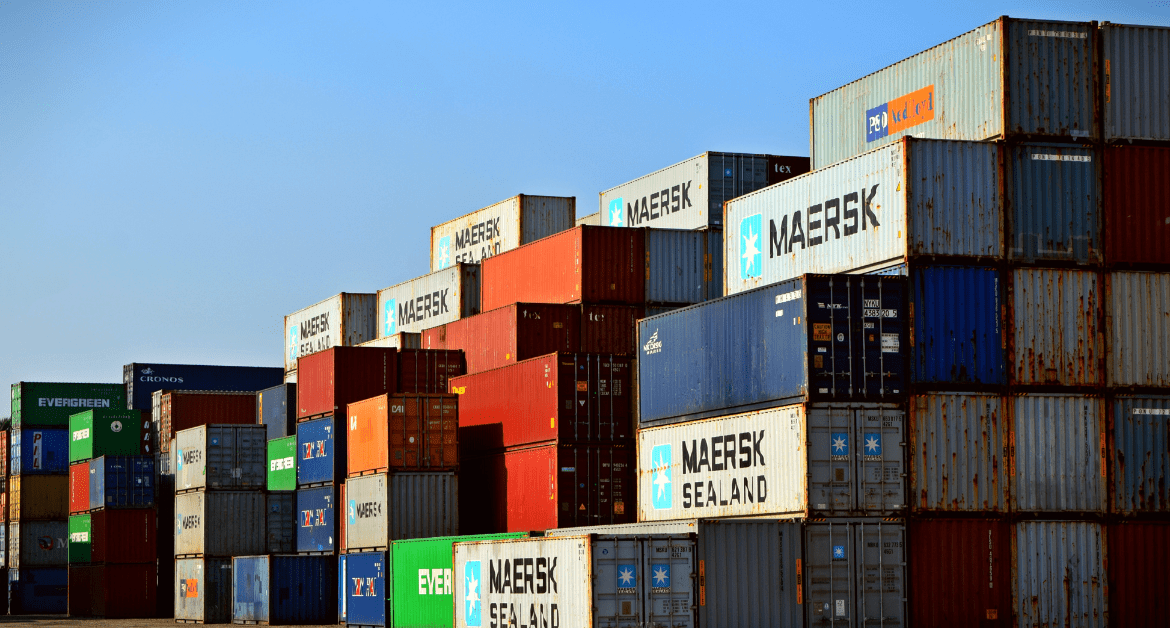
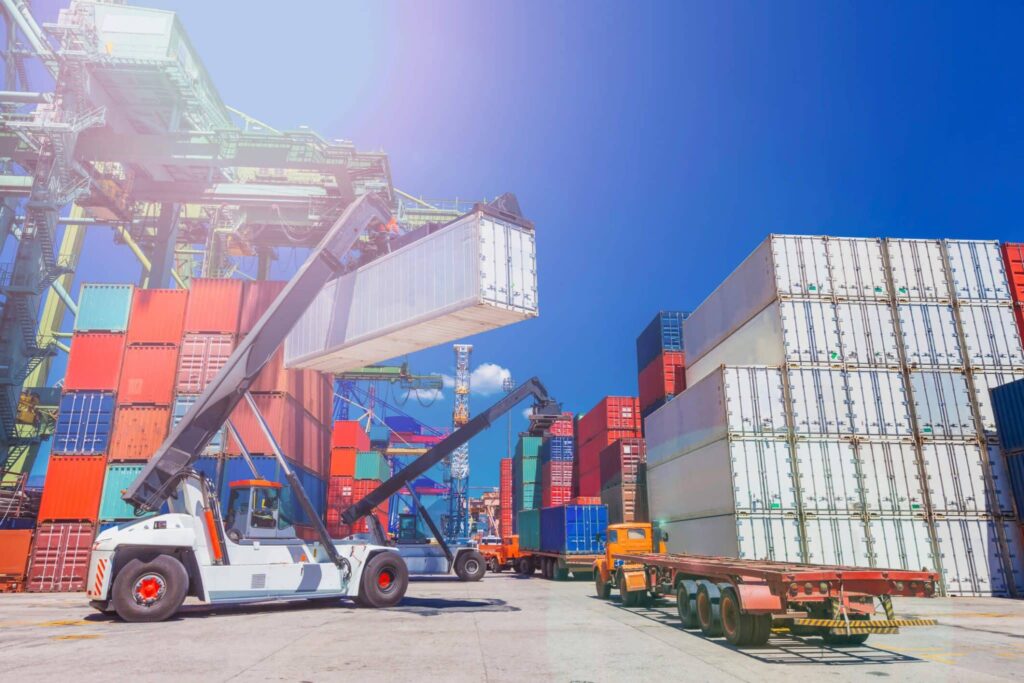
In today’s global trade network, every delay at the port adds cost and risk. The US drayage in port logisticsprocess plays a crucial role in keeping cargo moving smoothly between ships, terminals, and warehouses. When managed efficiently, drayage reduces congestion, speeds up container turnover, and ensures on-time delivery. This guide explains how to optimize port drayage operations, improve coordination, and cut transportation costs.
What Is Drayage in Port Logistics?
Drayage refers to the short-distance transport of containers between port terminals and inland destinations such as warehouses, rail yards, or factories. It serves as the vital link connecting ocean freight and land-based logistics.
Core functions include:
Picking up loaded containers from marine terminals.
Delivering them to distribution centers or depots.
Returning empty containers for reuse.
Managing port appointments, customs clearance, and chassis control.
Without efficient drayage, the entire logistics chain experiences bottlenecks that slow deliveries and increase costs.
Why Drayage Efficiency Is Vital in Port Logistics
In the US, ports like Los Angeles, Savannah, and Houston handle millions of TEUs annually. Even minor inefficiencies in drayage scheduling can cascade through the supply chain.
Key impacts of poor drayage management:
Extended port congestion and long gate queues.
Increased demurrage and per diem fees.
Driver underutilization and idle fuel costs.
Delivery delays that disrupt retail and manufacturing timelines.
Conversely, streamlined drayage can boost productivity and lower logistics expenses significantly.
How US Drayage in Port Logistics Works
The process involves several interconnected steps requiring real-time coordination.
When executed with digital tools and accurate data, this workflow minimizes idle time and avoids costly mistakes.
Common Pain Points in US Drayage Operations
Even experienced logistics teams face recurring issues at ports.
Typical challenges include:
Port congestion: High vessel arrivals cause yard bottlenecks.
Unpredictable dwell times: Containers waiting for customs clearance.
Driver shortages: Especially during peak import seasons.
Manual dispatch systems: Slow down real-time coordination.
Each of these challenges directly affects delivery time and overall shipping costs.
How Technology Improves Drayage in Port Logistics
Advanced tools make port logistics more predictable and transparent.
Key technologies include:
Transportation Management Systems (TMS): Centralize dispatch and billing.
GPS and telematics: Enable live driver tracking and performance monitoring.
Electronic Data Interchange (EDI): Syncs updates between terminals and carriers.
AI scheduling systems: Predict port congestion and adjust assignments.
Mobile apps for drivers: Allow real-time communication and digital proof of delivery.
Automation not only enhances coordination but also reduces manual workload for dispatchers and customer service.
The Role of Customer Service in Port Drayage
Customer service teams act as the communication bridge between clients, dispatchers, and drivers.
Their core contributions:
Monitor each shipment’s progress.
Notify customers of port delays or customs issues.
Coordinate last-mile scheduling with warehouses.
Manage billing disputes or equipment returns.
Excellent customer service helps maintain transparency, improving long-term client retention and brand trust.
How Drayage Affects the Broader Supply Chain
Delays at the drayage stage ripple through the entire logistics network.
Consequences include:
Retail stockouts due to late arrivals.
Manufacturing disruptions awaiting raw materials.
Increased shipping costs for expedited alternatives.
Customer dissatisfaction from unpredictable delivery times.
When drayage is optimized, it stabilizes downstream supply chain performance.
Sustainability in US Port Drayage
Many ports now encourage eco-friendly transport to meet environmental goals.
Green initiatives include:
Electric or hybrid drayage trucks.
Reduced engine idling and optimized routes.
Shared chassis pools to lower congestion.
Port incentive programs for low-emission vehicles.
These programs reduce carbon output and improve air quality near major logistics hubs.
Case Study: Improving Efficiency in Savannah Port
A regional carrier implemented AI-powered dispatching integrated with port data feeds.
Turn time dropped from 100 minutes to 60 minutes.
Monthly fuel savings reached $3,500.
On-time delivery improved by 19%.
Customer satisfaction increased sharply due to live ETA visibility.
By aligning drivers, dispatchers, and port systems, the company achieved consistent cost reductions.
Conclusion
The US drayage in port logistics process determines how efficiently goods move from vessels to markets. By adopting digital dispatch systems, improving driver coordination, and emphasizing customer communication, companies can reduce costs, save time, and enhance port efficiency. Whether managing large fleets or regional deliveries, success starts with smarter drayage operations.
📦Get a Free Quote
We help importers, exporters, and carriers streamline port operations with automation, visibility, and expert coordination. Improve speed, cut waste, and deliver reliability in every mile.