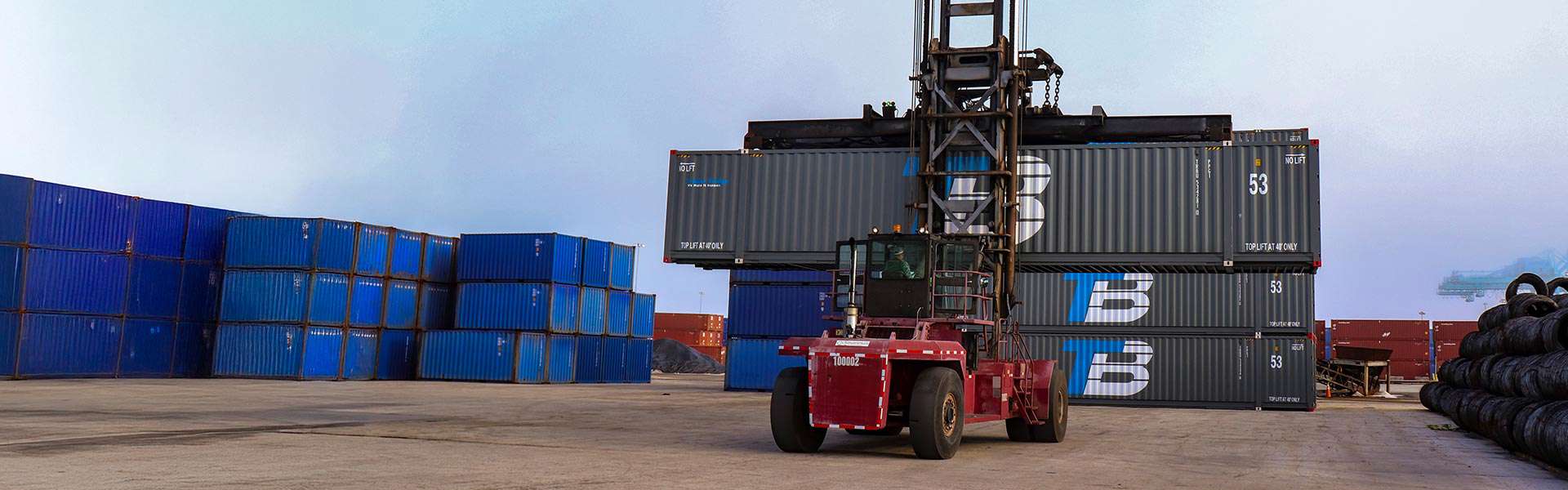
UnderstandingUS drayage terminal access fees is crucial for importers, exporters, and logistics managers looking to control transportation costs. These charges, applied by ports and terminals for container pickup or delivery, can significantly affect the total cost of freight movement. However, by knowing how these fees work and how to optimize your operations, businesses can save both time and money.
What Are US Drayage Terminal Access Fees?
US drayage terminal access fees are charges imposed by port authorities or marine terminals for using their facilities during container pickup or drop-off. They cover terminal maintenance, congestion management, gate systems, and environmental initiatives.
In simple terms: Whenever a drayage truck enters a terminal to collect or deliver a container, a fee is charged to maintain the port’s operations and infrastructure.
These fees vary depending on:
The terminal operator (e.g., SSA Marine, APM Terminals, TraPac).
The port location (e.g., Los Angeles, Savannah, Houston).
The time of day and congestion level.
Whether the carrier is registered with port compliance programs.
Why Do Terminals Charge Access Fees?
Terminals charge access fees to offset costs related to:
Gate maintenance and digital truck check-in systems.
Staffing for container inspection and yard management.
Infrastructure upgrades for faster throughput.
Environmental programs such as Clean Truck or low-emission initiatives.
Additionally, access fees help reduce congestion by regulating gate entry schedules and promoting appointment-based systems.
Typical Drayage Terminal Fees by Port
Each major port in the United States has a different access fee structure. The table below summarizes average costs per container.
These values fluctuate based on congestion, port policy updates, or environmental compliance requirements.
How Terminal Access Fees Affect Total Drayage Cost
Terminal access fees are one of several charges included in total drayage pricing. A single trip’s cost breakdown typically looks like this:
While terminal access fees may seem small individually, they accumulate across high-volume shipments, impacting overall logistics budgets by up to 7–10%.
Who Pays Terminal Access Fees?
Typically, the drayage carrier pays the terminal access fee upfront during container pickup or delivery. However, the cost is later billed to the importer, exporter, or freight forwarder as part of the drayage invoice.
Some shippers negotiate inclusive pricing, where the carrier absorbs the access fee in their base rate. Others prefer itemized billing for transparency and easier auditing.
Are Terminal Access Fees the Same as PierPass?
Not exactly. PierPass is a separate program that manages truck traffic in the ports of Los Angeles and Long Beach. It charges a Traffic Mitigation Fee (TMF) to reduce daytime congestion by encouraging nighttime container moves.
Program
Applies To
Fee Purpose
Average Charge
Terminal Access Fee
All US ports
General gate and facility use
$20–$50 per visit
PierPass (TMF)
LA / Long Beach
Congestion reduction and extended hours
$36.50–$41.50 per container
Both appear on drayage invoices, but they serve different operational goals.
Why Do Access Fees Fluctuate So Frequently?
Terminal access fees are not static. They change based on:
Seasonal congestion (peak import months).
Port infrastructure investments.
Diesel price adjustments.
Emission program updates (especially in California).
Labor or union cost changes.
Terminals usually publish fee updates quarterly, and these are often passed directly to shippers.
How to Minimize Terminal Access Costs
Reducing these fees requires strategic coordination between shippers, carriers, and freight forwarders.
Best practices include:
Schedule off-peak appointments: Many terminals offer reduced fees for nighttime gate entries.
Choose efficient ports: Some ports have lower base fees and faster gate processing.
Consolidate pickups: Reduce the number of individual gate visits per shipment.
Work with compliant carriers: Registered fleets often pay reduced environmental surcharges.
Use digital booking systems: Platforms like eModal or Port Optimizer streamline appointments and minimize idle time.
Optimizing these areas can cut terminal-related costs by 10–15%.
Technology’s Role in Managing Access Fee Data
Modern logistics technology helps carriers and shippers track and manage US drayage terminal access fees more efficiently.
Digital tools assist by:
Automating access fee data in billing systems.
Integrating port fee APIs for real-time updates.
Predicting high-fee periods using traffic analytics.
Providing transparency to customers via dashboards.
Companies using Transportation Management Systems (TMS) with port integration can reduce administrative work and billing errors.
Case Study: Reducing Terminal Access Expenses
A West Coast freight forwarder managing 2,000 containers annually implemented a digital drayage scheduling system across multiple ports.
Results achieved:
Reduced gate entry frequency by 22%.
Saved over $40,000 annually in access and congestion fees.
Improved port turnaround times by 30%.
Lowered demurrage risks through faster pickup scheduling.
This demonstrates how proactive planning and technology integration can directly lower costs associated with terminal access fees.
Conclusion
In today’s competitive logistics market, managing US drayage terminal access fees efficiently is essential for keeping operations profitable. These fees may be unavoidable, but with proper planning, digital integration, and partner collaboration, companies can minimize their impact while improving turnaround efficiency.
📦Get a Free Quote
We provide end-to-end drayage solutions with detailed fee breakdowns, automated port scheduling, and nationwide coverage. Optimize your logistics flow and cut unnecessary expenses today.