
- By clara
- November 12, 2025
- Compliance, Logistics
Table of Contents
Every exporter dealing with global shipments must navigate US export control regulations—a complex yet essential framework that governs what goods, technologies, and information can leave the United States. Whether you’re shipping electronics, defense components, or sensitive software, understanding these rules is critical to avoiding delays, fines, or even license suspension. Learn how to ensure compliance and streamline your operations with trusted logistics partners like VELOTACTICS LOGISTICS.
What Are US Export Control Regulations?
US export control regulations refer to federal laws and rules designed to prevent sensitive items, technologies, or information from reaching unauthorized foreign entities. These laws protect national security, foreign policy interests, and economic stability.
The two primary regulatory frameworks are:
- Export Administration Regulations (EAR): Overseen by the Bureau of Industry and Security (BIS), covering dual-use items (commercial and potential military use).
- International Traffic in Arms Regulations (ITAR): Managed by the Directorate of Defense Trade Controls (DDTC), governing defense-related exports and technical data.
Together, EAR and ITAR ensure exports comply with US law, international commitments, and security standards. To clarify your item classification or licensing needs, you can send us an inquiry for expert review.
Why Are US Export Control Regulations So Important?
Compliance with export control laws is not optional—it’s a critical part of maintaining global trust and operational continuity. Violations can lead to:
- Severe financial penalties (up to $300,000 per violation).
- Loss of export privileges.
- Reputational damage that affects future partnerships.
By following the rules, companies demonstrate integrity, protect national security, and maintain global competitiveness. If you want to understand how these regulations might affect your shipments, feel free to contact our compliance team.
Which Agencies Enforce US Export Control Regulations?
Several agencies coordinate to enforce export control compliance:
| Agency | Department | Main Responsibility |
|---|---|---|
| BIS | U.S. Department of Commerce | Regulates dual-use items under EAR |
| DDTC | U.S. Department of State | Controls defense articles under ITAR |
| OFAC | U.S. Department of Treasury | Enforces sanctions and embargoes |
| CBP | U.S. Department of Homeland Security | Monitors shipments at US ports |
These agencies collaborate to monitor trade, license applications, and end-user checks before goods leave the country. You can reach out to us for detailed coordination support when exporting regulated cargo.
What Goods Are Controlled Under US Export Control Regulations?
Export controls cover a broad range of items depending on their classification, destination, end user, and end use.
| Category | Examples | Control Type |
|---|---|---|
| Dual-use items | Industrial machinery, sensors, semiconductors | EAR |
| Defense articles | Missiles, aircraft components, military optics | ITAR |
| Software & technology | Encryption, AI algorithms, cybersecurity tools | EAR |
| Services | Technical assistance for restricted items | ITAR/EAR |
Companies must classify items under the Commerce Control List (CCL) or US Munitions List (USML) to determine if export licenses are required. If unsure about classification, you can consult our experts for guidance on ECCN or USML procedures.
How to Determine If You Need an Export License
Determining export license requirements involves four steps:
- Classify the product using the Export Control Classification Number (ECCN).
- Check the destination country against control lists.
- Identify the end user to ensure they are not restricted (via denied or debarred lists).
- Confirm the intended end use is legitimate and non-military if applicable.
If the item, destination, or end user triggers restrictions, a license must be obtained from the BIS or DDTC. Our Customs Brokerage service can help you submit accurate documentation and license requests efficiently.
How US Export Control Regulations Affect International Shipping
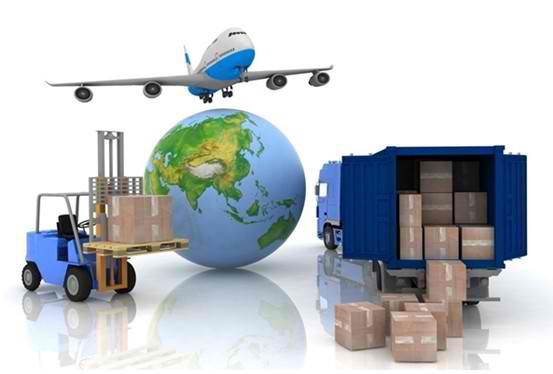
For global exporters, especially those handling high-value cargo, logistics planning must align with export compliance. Items requiring licenses or sensitive documentation can face shipment delays without proper paperwork.
| Shipping Method | Typical Transit Time | Compliance Impact | Best For |
|---|---|---|---|
| Air Freight | 2–7 days | Fast clearance but strict document checks | High-value electronics |
| Sea Freight | 20–40 days | Slower but more cost-effective for licensed bulk exports | Industrial goods |
| Express Service | 1–5 days | Limited for controlled goods; high documentation scrutiny | Urgent samples or small parts |
For deeper insight into mode selection, explore our Air Freight and Sea Freight solutions, or send us an inquiry to plan your next controlled shipment.
Documentation Required Under US Export Control Regulations
Compliance is incomplete without accurate documentation. Missing or incorrect records can result in detention or fines.
| Document Type | Purpose | Required For |
|---|---|---|
| Commercial Invoice | Declares goods value and description | All shipments |
| Export License | Legal authorization for controlled items | EAR/ITAR goods |
| Shipper’s Export Declaration (SED) | Reports export information to Census Bureau | Exports over $2,500 |
| End-User Certificate | Confirms final recipient and use | Sensitive exports |
| Packing List | Verifies content and quantity | All shipments |
Additionally, exporters often use Automated Export System (AES) filings for electronic submissions to US Customs. Our team can assist with AES filing through Door To Door logistics support.
How to Maintain Compliance in Your Export Operations
Compliance isn’t a one-time process—it’s continuous. Companies should:
- Conduct regular internal audits to verify export classifications.
- Train staff on EAR and ITAR regulations.
- Screen customers against restricted party lists.
- Retain export records for at least five years.
- Collaborate with licensed customs brokers, such as Customs Brokerage, to handle filings correctly.
For personalized compliance audits, submit an inquiry and our specialists will review your export workflow.
Real-World Example: Tech Export to Europe
A California-based electronics manufacturer exported a dual-use sensor to Germany. The product’s ECCN 6A002 required an export license due to encryption features. After coordinating with BIS, the company received approval within three weeks and shipped the goods using Air Freight.
This proactive approach prevented a potential $150,000 fine and a six-month delay. If you’d like to replicate this success, get in touch with our team for similar assistance.
How Logistics Partners Support Export Control Compliance
A reliable logistics provider does more than move cargo—they ensure compliance at every stage. VELOTACTICS LOGISTICS supports exporters through:
- License coordination with BIS and DDTC.
- Automated screening for restricted entities.
- Document verification before shipment.
- Secure handling for controlled materials.
Learn more about integrated compliance support under Door To Door and Cargo Insurance solutions, or send us an inquiry to discuss your controlled exports.
Conclusion:
Mastering US export control regulations ensures your business stays compliant, avoids costly penalties, and builds trust with international partners. From classification to licensing and documentation, every detail matters. With the right logistics partner like VELOTACTICS LOGISTICS, exporters can move goods globally with confidence, efficiency, and full regulatory compliance. For expert assistance in handling controlled shipments, send us an inquiry anytime.
Get a Quote
Looking to export goods that may require an export license or special documentation? 🚀 Get a free compliance check and shipping quote from VELOTACTICS LOGISTICS.
Get your quote in less than 24 hours and access exclusive rates for approved exporters!
FAQ
They protect national security and foreign policy by preventing unauthorized exports of sensitive goods, technologies, or data.
No. Only items listed under EAR or ITAR require licenses; most commercial goods classified as EAR99 are license-free.
Check the Commerce Control List or request a formal classification from the BIS to confirm your ECCN.
EAR controls dual-use goods, while ITAR covers defense-related items and technical data.
Fines can reach $300,000 per violation, and exporters risk losing licenses or export privileges.
They handle license checks, document reviews, and customs clearance to ensure full export compliance.