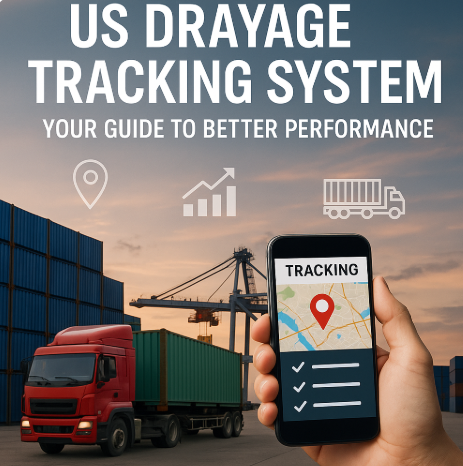
Because modern supply chains demand speed, accuracy, and real-time visibility, businesses importing through US ports now rely heavily on advanced tracking technology. Although drayage represents only the first domestic step after a container lands, it often creates the biggest delays. Therefore, a reliable US drayage tracking system becomes essential for predicting movement, managing risk, and ensuring smooth port-to-warehouse performance.
What Is a US Drayage Tracking System and Why Does It Matter?
Although drayage traditionally operated with manual updates and driver phone calls, today’s port logistics environment moves too quickly for outdated workflows. A US drayage tracking system combines GPS data, live ETA predictions, API connections to ports, and automated updates to give importers full visibility into:
Container availability
Driver assignment and dispatch
Terminal appointment status
Gate-in and gate-out time stamps
Chassis sourcing and availability
Delivery confirmation to the warehouse
Therefore, a strong tracking system eliminates guesswork, reduces constant follow-ups, and allows operations teams to plan with confidence.
How Does a Drayage Tracking System Work Behind the Scenes?
Port Data Feeds – for container availability, holds, customs status
GPS Trucking Devices – for location accuracy and real-time movement
Terminal Appointment Systems – for booking and monitoring time windows
Carrier Dispatch Platforms – for driver allocation and route assignment
Warehouse Integration – for receiving schedule alignment
Chassis Management Systems – for equipment availability
Because all these moving parts interact constantly, tracking technology connects them into one clear, actionable interface.
Velotac Logistics uses synchronized visibility tools across major US ports, ensuring importers see accurate milestone updates without delay.
What Problems Do Importers Face Without a Tracking System?
Although many importers still rely on manual updates, this approach causes:
Missed terminal appointment windows
Poor communication between drivers and warehouses
Late visibility into port congestion
Unexpected detention and demurrage
Inaccurate ETAs
Lost time calling carriers for status updates
Limited ability to forecast delivery schedules
However, a drayage tracking system eliminates nearly all these issues through automation and live reporting.
Because delays are costly, tracking systems often pay for themselves through reduced detention, fewer calls, and faster warehouse planning.
Why Does Technology Matter More Today in Drayage?
Prevent late fees
Improve supply-chain forecasting
Support eCommerce and retail delivery demands
Provide digital audit trails
Reduce customer complaints
Support sustainability efforts by reducing idle time
Therefore, technology is no longer optional—it is a competitive necessity.
How Velotac Logistics Uses Tracking Technology to Improve Performance
Velotac Logistics integrates a multi-layer tracking system that includes:
Real-time GPS tracking on drayage trucks
Automated appointment scheduling alerts
API links to the LA/LB, Oakland, and East Coast terminals
Chassis management visibility
Live container availability
Digital POD delivery
Warehouse ETA integration
Because Velotac coordinates both drayage and downstream trucking, importers access a full visibility chain—from port to warehouse to final destination.
Conclusion
A high-performing US drayage tracking system is essential for modern import operations. Because the supply chain depends on accurate visibility and proactive planning, real-time tracking reduces delays, strengthens warehouse coordination, and improves overall container flow. When importers rely on tools that deliver live milestones, GPS accuracy, and automated alerts, the entire logistics cycle becomes more predictable and efficient.
Therefore, choosing a technology-driven drayage partner helps businesses save time, reduce fees, and build a more resilient logistics strategy.
Need a quote?
Ready to get started? Contact us now to request a free shipping quote.