
Table of Contents
The scale and complexity of US imports by country reveal how global trade fuels America’s economy. The United States relies on a vast network of suppliers — from China and Mexico to Germany and Japan — to power industries, meet consumer demand, and support innovation. At Velotactics Logistics, we streamline this entire import journey with tailored freight solutions, customs brokerage, and data-driven logistics planning.
What Are the Top US Import Partners?
America’s import structure is diversified, but a few countries dominate the trade map. Together, these partners account for over 60% of all US imports.
| Rank | Country | Share of US Imports | Main Exported Goods to US |
|---|---|---|---|
| 1 | China | ~16% | Electronics, furniture, textiles, machinery |
| 2 | Mexico | ~14% | Auto parts, agricultural goods, manufactured items |
| 3 | Canada | ~12% | Oil, vehicles, metals, food |
| 4 | Germany | ~6% | Cars, medical equipment, chemicals |
| 5 | Japan | ~5% | Vehicles, electronics, robotics |
| 6 | South Korea | ~4% | Semiconductors, batteries, plastics |
| 7 | Vietnam | ~3% | Apparel, footwear, furniture |
| 8 | Taiwan | ~3% | Microchips, electronics |
| 9 | India | ~2% | Pharmaceuticals, steel, textiles |
| 10 | Italy | ~2% | Machinery, fashion, beverages |
These figures show how manufacturing and technology hubs remain essential to US supply chain resilience.
Why Does the US Import So Much?
Despite strong domestic production, the US imports goods to maintain cost efficiency, expand product variety, and meet demand in industries where foreign expertise dominates.
Top drivers of imports include:
- Lower production costs abroad.
- Advanced manufacturing specialization.
- Seasonal demand (e.g., fruits, textiles).
- Raw materials not available domestically.
- Strong global supply chains for electronics and autos.
Velotactics offers complete Import Service support to manage customs, freight, and compliance seamlessly.

How Do Logistics Shape US Imports by Country?
The logistics network linking the US with its import partners defines trade speed, cost, and efficiency.
| Shipping Route | Mode | Average Transit Time | Typical Cargo |
|---|---|---|---|
| China → Los Angeles | Sea Freight | 18–25 days | Electronics, apparel |
| Mexico → Texas | Truck Freight | 1–3 days | Auto parts, produce |
| Germany → New York | Sea Freight | 14–20 days | Machinery, vehicles |
| Japan → Seattle | Sea Freight | 16–22 days | Cars, tools |
| Vietnam → California | Sea Freight | 20–25 days | Footwear, furniture |
Velotactics integrates multimodal transport through Sea Freight, Air Freight, and Door To Door delivery to balance speed and cost.
Breakdown of US Imports by Region
| Region | Share of Total Imports | Major Exporters | Common Cargo |
|---|---|---|---|
| Asia | 45% | China, Japan, Korea, Vietnam | Electronics, textiles |
| North America | 28% | Mexico, Canada | Vehicles, energy, agriculture |
| Europe | 18% | Germany, Italy, UK | Cars, machinery, chemicals |
| South America | 6% | Brazil, Chile | Minerals, produce |
| Rest of World | 3% | Africa, Oceania | Metals, raw materials |
Asia remains dominant, especially in electronics, while neighboring countries drive supply-chain efficiency for just-in-time delivery.
What Are the Most Imported Goods to the US?
| Category | Annual Value (USD Billion) | Import Share | Key Supplier |
|---|---|---|---|
| Electronics & Machinery | 600+ | 25% | China, Japan, Taiwan |
| Vehicles & Auto Parts | 350 | 14% | Mexico, Japan, Germany |
| Minerals & Fuel | 250 | 11% | Canada, Saudi Arabia |
| Pharmaceuticals | 200 | 8% | India, Germany |
| Apparel & Footwear | 120 | 5% | Vietnam, Bangladesh |
| Agricultural Products | 100 | 4% | Mexico, Brazil |
| Plastics & Chemicals | 90 | 4% | South Korea, Netherlands |
High-tech components and industrial materials represent America’s top import priorities.
How Shipping Methods Affect Import Costs
| Mode | Average Cost | Speed | Ideal For | Pros | Cons |
|---|---|---|---|---|---|
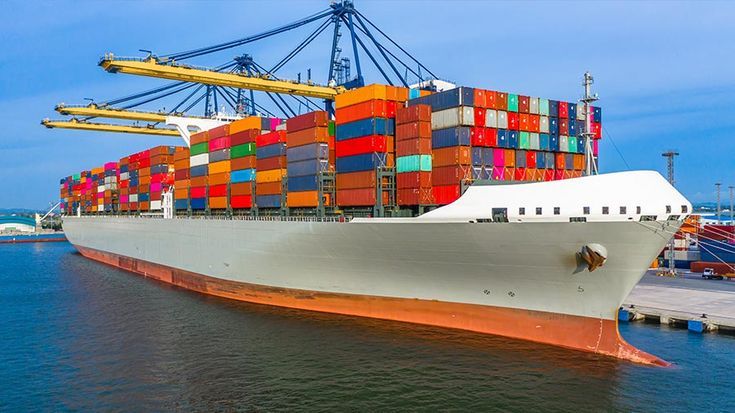
| Sea Freight | $1,000–$2,500 / 20ft | 20–35 days | Bulk cargo | Cheapest, scalable | Slower delivery |
| Air Freight | $4–$8 / kg | 3–7 days | Urgent goods | Fast, reliable | Costly for heavy cargo |
| Rail Freight | $2–$4 / kg | 10–20 days | Regional trade | Efficient, eco-friendly | Limited routes |
| Express | $6–$12 / kg | 1–4 days | Small parcels | Fastest clearance | High per-unit cost |
Velotactics balances price and performance using data-driven optimization and real-time tracking tools.
US Imports from China: Still the Global Leader
China remains the largest exporter to the US, despite tariff tensions. The main categories include electronics, furniture, textiles, and machinery.
Key insights:
- Average shipping time: 20–30 days by sea.
- Major US entry ports: Los Angeles, Long Beach, Savannah.
- Common Incoterms: FOB, CIF.
Velotactics ensures cost-controlled container consolidation through Warehouse and Customs Brokerage services, streamlining compliance and clearance.
US Imports from Mexico: Nearshoring Growth
Mexico’s proximity and strong manufacturing base make it a vital trade partner. Imports include vehicles, machinery, and fresh produce.
| Sector | Key Goods | Average Lead Time | Cost Advantage |
|---|---|---|---|
| Automotive | Engines, parts | 2–4 days | 20–30% lower cost |
| Agriculture | Avocados, berries | 1–2 days | Freshness guarantee |
| Manufacturing | Electronics, textiles | 3–5 days | Regional trade benefits |
The rise of nearshoring reduces dependency on Asia and shortens supply chains.
Imports from Europe: High-Quality Manufacturing
Europe provides the US with precision machinery, vehicles, pharmaceuticals, and luxury goods. Germany, Italy, and the Netherlands are top contributors.
Why Europe matters:
- Stable production standards.
- Strong focus on green trade and sustainability.
- High-value, low-volume shipments suitable for Air Freight.
Velotactics coordinates cross-continent Service solutions for luxury and medical shipments requiring strict compliance.
Case Example: Automotive Imports from Mexico to Detroit
A US auto distributor importing parts from Monterrey reduced delivery time from 6 days to 3 days using Velotactics’ cross-border express system.
Results:
- 30% faster customs clearance.
- 12% freight cost reduction.
- On-time delivery consistency: 98%.
Efficient coordination between warehousing and last-mile services cut downtime and improved cash flow.

Conclusion:
To summarize, US imports by country reflect the interconnected nature of global commerce. From China’s electronics to Mexico’s manufacturing and Europe’s high-quality goods, these trade flows sustain the American economy. Partnering with Velotactics Logistics ensures smooth operations, transparent costs, and reliable cross-border performance for importers of every scale.
Get a Quote
Need a trusted logistics partner to manage your imports?
Get a customized freight quote in under 24 hours.
Access exclusive rates, expert customs support, and real-time shipment updates.
Trusted by 5,000+ global traders — ship smarter with Velotactics today.
FAQ
China remains the largest supplier, followed by Mexico and Canada.
Electronics, vehicles, fuels, and pharmaceuticals lead US imports.
Typically 18–30 days by sea or 4–7 days by air.
Commercial invoice, bill of lading, ISF filing, and certificate of origin.
No, rates vary depending on trade agreements and product classification.
Consolidate shipments, plan ahead, and use multimodal freight solutions.