
- By clara
- November 17, 2025
- Compliance, Customs
Table of Contents
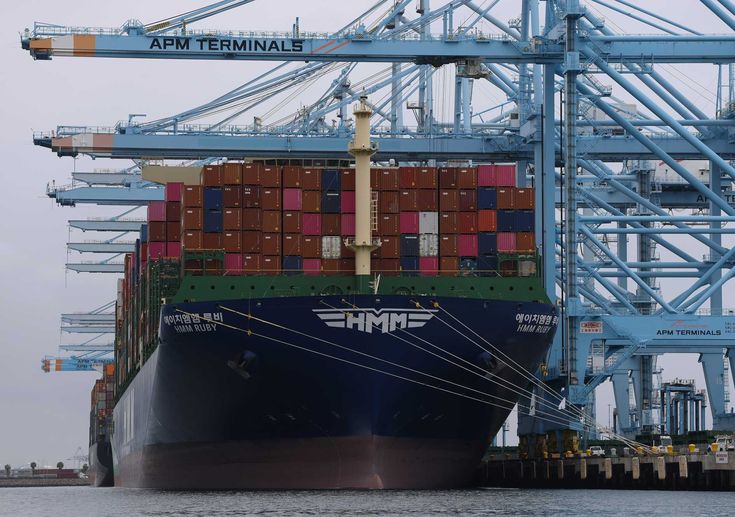
Handling import fees from Japan to US requires more than just paying duties—it’s about understanding tariff rules, freight options, and customs documentation that shape total cost. Whether you’re importing cars, electronics, or machinery, getting clarity on the full cost breakdown ensures profitability. This detailed guide from VELOTACTICS LOGISTICS reveals how import fees are calculated, how to ship smarter, and how to minimize costs through professional freight planning.
What Are Import Fees from Japan to the US?
Import fees include all charges paid to legally bring Japanese goods into the US—such as customs duties, tariffs, brokerage fees, and freight-related taxes. These costs depend on product type, declared value, and transport method.
In 2025, the US–Japan trade agreement continues to support lower tariffs for automotive parts, electronics, and manufacturing equipment. However, certain goods like luxury vehicles or alcohol still carry specific duty rates.
👉 Find out how we can streamline your logistics today → Send Inquiry
How Are Import Fees from Japan to the US Calculated?
The total cost is based on the CIF value—the sum of Cost + Insurance + Freight. Customs applies the Harmonized Tariff Schedule (HTS) to determine duties.
| Cost Component | Description | Typical Range |
|---|---|---|
| Customs Duty | Set percentage based on HS code | 0–15% |
| Merchandise Processing Fee (MPF) | 0.3464% of shipment value | $31.67–$614.35 cap |
| Harbor Maintenance Fee (HMF) | 0.125% (sea freight only) | – |
| Customs Bond | Financial guarantee for duty payment | Varies |
| Brokerage Fee | Paid to licensed customs agent | $100–$250 per entry |
Proper classification prevents overpayment. Experienced customs brokerage services ensure accuracy and compliance.
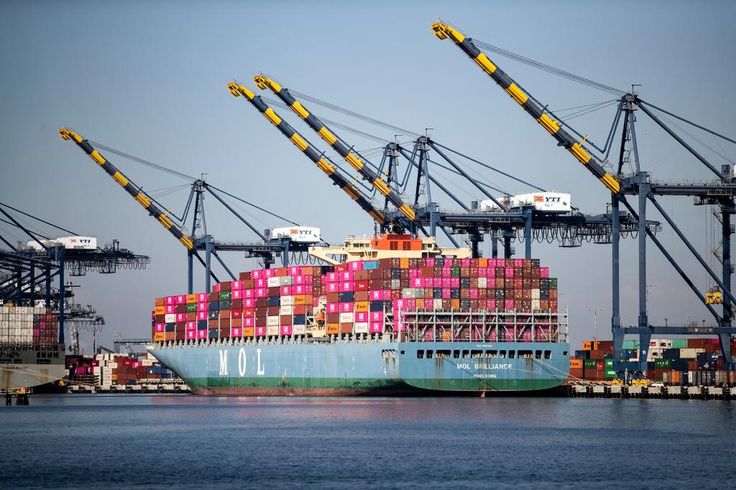
How Much Are Import Fees for Common Japanese Goods?
| Product Type | Typical Duty Rate | Key Notes |
|---|---|---|
| Automobiles | 2.5% | Reduced under US–Japan agreement |
| Auto Parts | 0–5% | Duty-free for certain components |
| Electronics | 0–3% | Most consumer electronics exempt |
| Machinery & Tools | 2–6% | Based on industrial classification |
| Cosmetics | 5–8% | Subject to FDA clearance |
| Alcoholic Beverages | 16–20% | Additional excise taxes apply |
| Apparel & Textiles | 8–12% | Sensitive import category |
| Organic Food & Tea | 5–10% | Subject to USDA regulations |
Duties are only part of the total landed cost—freight, insurance, and handling also play key roles.
What Shipping Methods Are Available from Japan to the US?
| Shipping Method | Transit Time | Cost Range | Ideal For | Pros | Cons |
|---|---|---|---|---|---|
| Sea Freight (FCL) | 18–30 days | $1,900–$2,800 / 40’ container | Large shipments | Cost-efficient | Slower |
| LCL Sea Freight | 22–32 days | $70–100 / m³ | Small or mixed cargo | Shared cost | Longer handling |
| Air Freight | 4–7 days | $5.5–8.0 / kg | Urgent or high-value goods | Fast, reliable | Expensive |
| Express Courier | 3–5 days | $6.5–9.0 / kg | Documents, small parcels | Door-to-door | Limited volume |
Sea freight is best for heavy machinery or bulk cargo, while air freight suits electronics or perishable goods.
Explore full route options at our Service page.
What Are the Major Shipping Ports Between Japan and the US?
| Japan Port | US Destination Port | Avg Transit Time | Common Cargo |
|---|---|---|---|
| Tokyo | Los Angeles | 20–25 days | Electronics, auto parts |
| Yokohama | Seattle | 22–28 days | Machinery, vehicles |
| Nagoya | Houston | 25–30 days | Industrial goods |
| Kobe | New York | 28–32 days | Apparel, chemicals |
| Osaka | Long Beach | 21–26 days | Consumer products |
Selecting the nearest port to your supplier and destination reduces transit cost and inland delivery time.
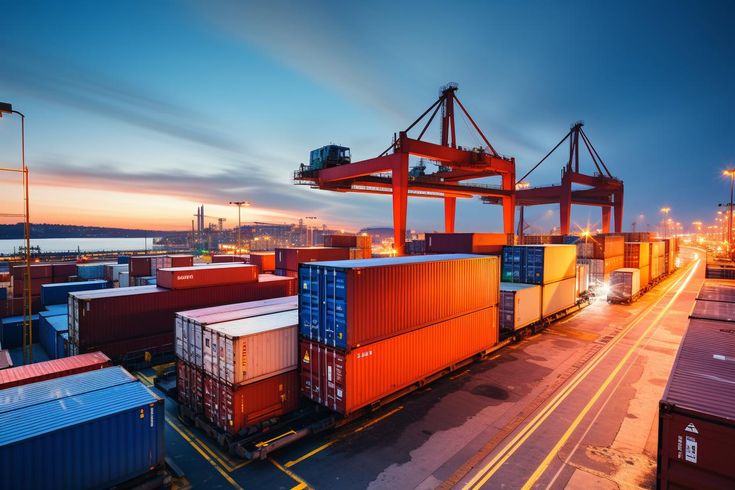
What Documents Are Required for Importing from Japan?
| Document | Purpose | Issued By |
|---|---|---|
| Commercial Invoice | Declares product value and details | Exporter |
| Packing List | Shows package quantity and weight | Exporter |
| Bill of Lading / Air Waybill | Shipment proof | Carrier |
| Certificate of Origin | Confirms Japanese origin | Chamber of Commerce |
| Importer Security Filing (ISF) | For ocean shipments | Importer / Broker |
| Customs Bond | Ensures tax payment | Broker or Importer |
Accuracy in these documents ensures smooth customs clearance and prevents penalties.
👉 Find out how we can streamline your logistics today → Send Inquiry
How to Estimate Total Landed Cost
| Cost Element | Description | Example (USD) |
|---|---|---|
| Product Value | Supplier invoice | 20,000 |
| Freight & Insurance | Ocean freight, insurance | 2,200 |
| Customs Duty (5%) | 5% of 20,000 | 1,000 |
| MPF + HMF | US port fees | 180 |
| Brokerage & Bond | Processing and guarantee | 250 |
| Total Landed Cost | – | 23,630 USD |
Understanding your landed cost helps forecast profit margins and selling prices accurately.
Do Free Trade Agreements Affect Import Fees?
Yes. The U.S.–Japan Trade Agreement (effective since 2020) eliminates or reduces duties on thousands of product categories, including:
- Agricultural products
- Industrial machinery
- Automotive components
- Consumer electronics
Checking whether your goods qualify under the agreement can cut duty rates to 0%. This requires accurate Certificate of Origin submission and compliance with country-of-origin labeling.
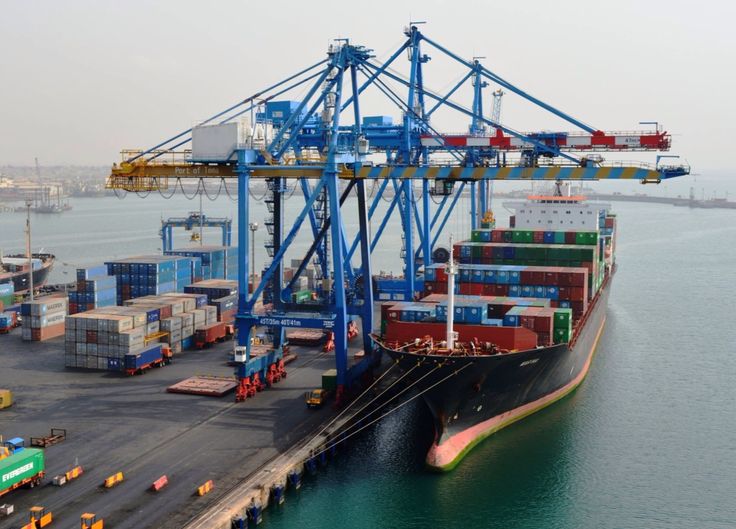
Case Example: Reducing Costs for Auto Part Imports
A US automotive retailer importing brake systems from Nagoya initially faced a 5% duty. By switching to FTA-certified suppliers and consolidating shipments via FCL, Velotactics Logistics helped reduce their total import fees by 11% annually, saving nearly $40,000.
This demonstrates the impact of correct documentation and shipment planning.
👉 Find out how we can streamline your logistics today → Send Inquiry
How to Reduce Import Fees from Japan to the US
- Use FTAs – Verify eligibility for duty-free treatment.
- Ship Consolidated Cargo – LCL or FCL grouping lowers per-unit costs.
- Negotiate with Carriers – Lock seasonal rates for stability.
- Ensure Proper Tariff Codes – Avoid overpaying through misclassification.
- Work with Expert Brokers – They prevent costly errors and delays.
For personalized support, visit our Service section.

Conclusion:
Understanding import fees from Japan to US allows importers to plan smarter and reduce total logistics costs. From duty classification to freight selection, every detail affects profitability. By partnering with Velotactics Logistics, importers gain transparent pricing, faster clearance, and optimized supply chains—ensuring every shipment arrives efficiently and economically.
Get a Quote
Need help calculating your import fees or planning your shipment from Japan? Get a custom freight quote within 24 hours from Velotactics Logistics. Trusted by 5,000+ importers, we offer accurate cost forecasting and discounted freight rates. Don’t wait—secure your booking today!
FAQ
Most goods fall between 0–15%, depending on category and trade agreement eligibility.
Yes, because air freight cost is part of the declared CIF value used for tax calculation.
Electronics, auto parts, and industrial machinery often qualify for reduced or zero tariffs.
Commercial invoice, packing list, bill of lading, origin certificate, and ISF filing.
Use FTA-certified suppliers, ship via FCL, and ensure proper HS code classification.
Yes, we manage all import documentation, tax compliance, and freight coordination from start to finish.