
Table of Contents
For businesses dealing in US imports and exports, efficiency and compliance directly affect profitability. Yet many companies struggle with customs, tariffs, and logistics complexity that can drain time and money. This guide from VELOTACTICS LOGISTICS explains how to simplify trade procedures, optimize supply chains, and improve margins through strategic logistics management.
What Makes US Imports and Exports So Complex?
Trading across borders involves numerous stakeholders — customs officials, freight carriers, brokers, and regulators. Without a clear process, errors can multiply quickly.
| Challenge | Description | Impact |
|---|---|---|
| Tariff Misclassification | Wrong HS Code leads to overpaid duties | +10–20% unnecessary cost |
| Incomplete Documents | Missing invoices or origin certificates | Delays at ports |
| Inconsistent Freight Choice | Wrong transport mode | Higher logistics cost |
| Untracked Supply Chains | Poor visibility | Missed deadlines and client dissatisfaction |
Understanding these risks allows importers and exporters to build smarter, more resilient trade systems.
👉 Need help streamlining your logistics? Send Inquiry
How Big Is the US Import and Export Market?
The United States is both a top importer and exporter. In 2024, total trade surpassed $5.1 trillion, reflecting massive opportunities for logistics efficiency.
| Category | Top Imports | Top Exports |
|---|---|---|
| Technology | Electronics, phones, chips | Semiconductors, software |
| Energy | Crude oil, gas | Refined fuel, coal |
| Automotive | Vehicles, parts | Engines, tires |
| Agriculture | Coffee, fruits | Soybeans, corn |
| Medical | Pharmaceuticals | Instruments, devices |
With such volume, companies optimizing their logistics can save millions yearly.
How to Simplify US Imports and Exports Step-by-Step
Step 1: Classify Products Correctly
Start with accurate HS Codes for every product. Misclassification is the leading cause of tariff errors and customs holds.
Pro Tip: Use automated classification tools or a licensed customs broker from VELOTACTICS LOGISTICS to verify your product codes before shipment.
Step 2: Use Digital Trade Documentation
Paperwork delays can add days to customs clearance. Switching to digital invoices, certificates, and declarations reduces errors and improves processing time by up to 40%.
Essential Documents for US Imports and Exports
| Document | Purpose |
|---|---|
| Commercial Invoice | Declares value and ownership |
| Packing List | Verifies cargo details |
| Bill of Lading (B/L) | Confirms shipment and terms |
| Certificate of Origin | Determines tariff eligibility |
| Import/Export License | Required for controlled items |
Automation ensures these files are transmitted before goods reach the border.
Step 3: Choose the Right Freight Mode
The right transport mode saves cost and prevents delays.
| Mode | Cost | Transit Time | Pros | Cons |
|---|---|---|---|---|
| Sea Freight (FCL/LCL) | $$ | 25–40 days | Cheapest for bulk | Slower |
| Air Freight | $$$ | 3–7 days | Fast and reliable | Higher cost |
| Truck Freight (USMCA) | $$ | 5–10 days | Ideal for North America | Border checks |
| Express Courier | $$$ | 2–5 days | Door-to-door, ideal for small packages | Weight limits |
Combining sea and air freight can balance cost and delivery speed for high-value cargo.
👉 Optimize freight routes for better ROI → Send Inquiry
Step 4: Leverage Free Trade Agreements
US trade deals like USMCA, GSP, and WTO frameworks lower or eliminate duties.
| Agreement | Partners | Key Benefit |
|---|---|---|
| USMCA | US, Canada, Mexico | Duty-free for most goods |
| GSP | Developing countries | Tariff preferences |
| WTO | 160+ members | Global trade consistency |
If your cargo qualifies, you can save up to 15% in import duty instantly.
Step 5: Work with a Licensed Customs Broker
Customs brokers simplify filing, calculate tariffs, and ensure regulatory compliance. They also help prevent penalties from misdeclarations.
Partnering with Velotactics means:
- Automated filing under ACE (Automated Commercial Environment)
- Pre-arrival customs clearance
- 24/7 shipment tracking and reporting
👉 Simplify customs with our expert brokerage → Service
Step 6: Use Bonded Warehousing
A bonded warehouse allows you to store imported goods without paying duties until they’re sold or re-exported.
| Benefit | Description |
|---|---|
| Cash Flow Management | Defer duty payments |
| Inventory Flexibility | Store goods before market demand rises |
| Re-Export Savings | Avoid duties on re-exported goods |
This strategy benefits importers dealing in bulk commodities or seasonal products.
Step 7: Audit Your Supply Chain Regularly
Regular audits reduce inefficiencies in freight routing, customs filing, and document flow.
Key Audit Focus Areas:
- Freight cost per kg or CBM
- Duty variance by product group
- Vendor compliance performance
- Delivery time accuracy
A single annual logistics audit can save companies 5–10% of operational costs.
How to Increase Profit Margins in US Import and Export
| Strategy | Result |
|---|---|
| Negotiate Volume Discounts | Lower per-unit freight |
| Consolidate Shipments | Save warehouse and port fees |
| Plan Shipments Off-Peak | Reduce air/sea congestion charges |
| Use Door-to-Door Services | Minimize third-party costs |
| Track Tariff Changes | Avoid unplanned surcharges |
At Velotactics Logistics, our global network and rate management tools help clients gain long-term pricing stability.
👉 Learn how our solutions boost profits → Send Inquiry
Case Study: Reducing Freight Cost by 12%
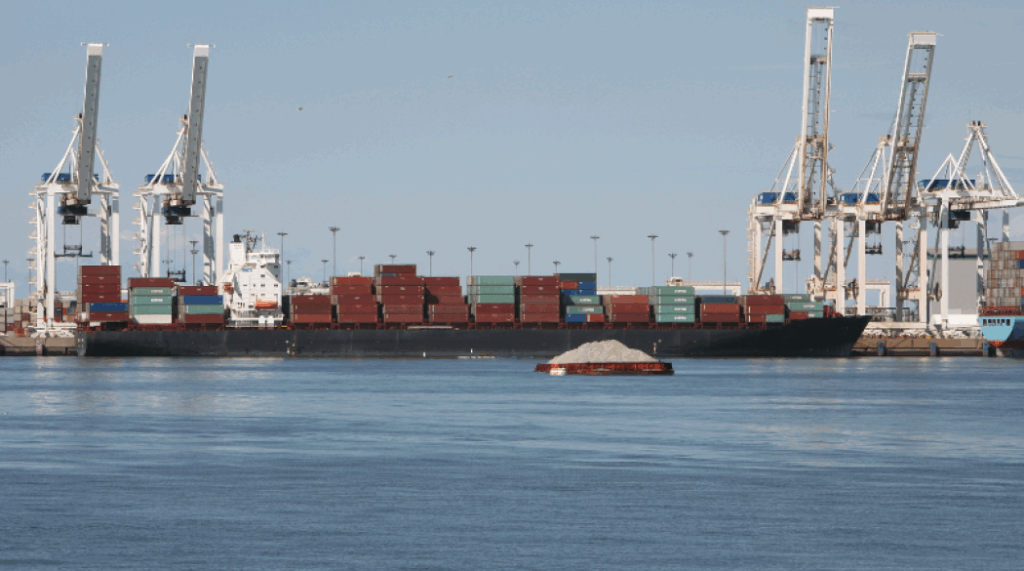
A California-based importer of auto parts shifted from air freight to a sea + express hybrid model managed by Velotactics Logistics.
- Cost reduced by 12% per shipment
- Delivery time maintained within client SLA
- Tariff code corrections saved an additional $1,800/month
Outcome: 18% total annual profit improvement without expanding budget.
How Technology Simplifies US Imports and Exports
The logistics sector is adopting automation and AI at record speed.
| Tool | Function | Impact |
|---|---|---|
| EDI Systems | Electronic document exchange | Cuts paperwork time |
| AI Classification | HS Code identification | Reduces human error |
| GPS Cargo Tracking | Real-time visibility | Improves security |
| Digital Payment Platforms | Tariff and freight payments | Faster transactions |
Embracing logistics technology is no longer optional — it’s a profit multiplier.
Future Trends Shaping US Imports and Exports
- Green logistics: Shippers using low-emission carriers gain tax credits.
- Nearshoring: Mexico and Canada replacing distant Asian supply chains.
- E-commerce exports: Rising small-parcel shipments from US SMEs.
- Data-driven trade analytics: Companies optimizing tariffs in real-time.
These trends highlight the need for agile, tech-integrated logistics strategies.
Conclusion:
Simplifying US imports and exports means mastering compliance, reducing logistics friction, and leveraging technology. By combining the right freight methods, digital documentation, and trade agreements, businesses can cut costs and boost profits. With Velotactics Logistics, your international trade operations become faster, safer, and more profitable than ever.
Get a Quote
Get your personalized logistics and customs strategy in less than 24 hours.Access discounted freight rates, tariff optimization, and full trade compliance support.
FAQ
Freight and customs duties are the largest expenses, often accounting for 30–40% of total landed cost.
Yes. USMCA and GSP benefits apply to all qualified importers, regardless of size.
Submit digital documentation early and work with licensed brokers.
Yes, they’re secure and monitored, offering duty deferral and export flexibility.
It reduces manual errors, improves transparency, and accelerates customs clearance.
Yes, we manage end-to-end services from pickup to global delivery.