
- By clara
- November 19, 2025
- Compliance, Customs
Table of Contents
For every international trader or importer, few topics are as critical—or as confusing—as US tariffs on imports. These fees shape the cost of doing business, determine pricing competitiveness, and influence long-term supply chain decisions. At VELOTACTICS LOGISTICS, we help businesses navigate the complex world of duties, customs, and freight charges with clarity and precision.
What Are US Tariffs on Imports and Why Do They Exist?
US tariffs on imports are taxes levied by the government on goods entering the country. Their primary goals are to protect domestic industries, balance trade deficits, and generate federal revenue. However, the practical effect often extends far beyond simple taxation—impacting everything from supplier selection to product pricing and logistics strategy.
Types of US import tariffs include:
- Ad valorem tariffs – based on a percentage of the product’s value.
- Specific tariffs – fixed charges based on quantity or weight.
- Compound tariffs – a mix of both ad valorem and specific rates.
How Do US Tariffs on Imports Affect Shipping Costs?
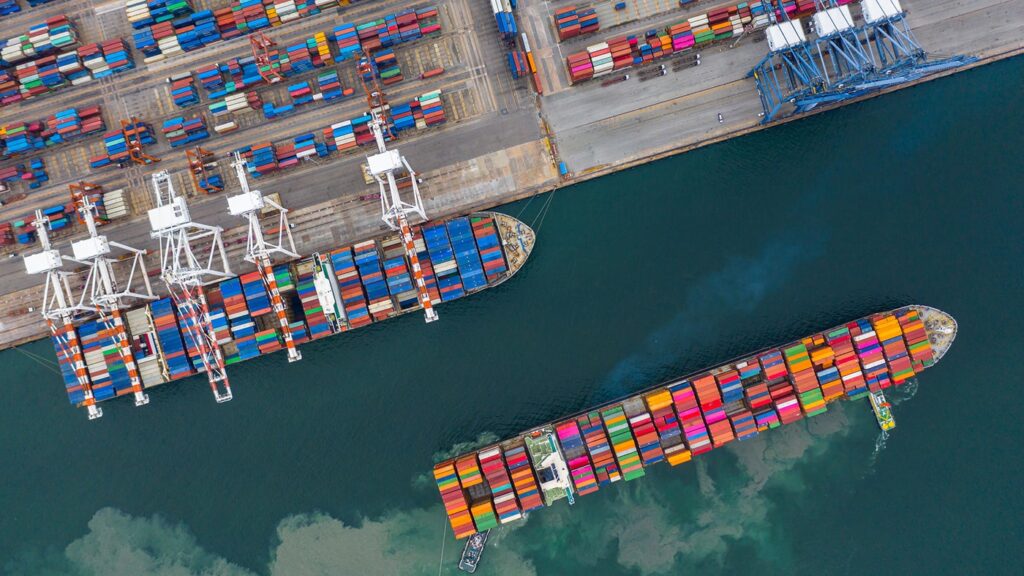
Every importer feels the impact of tariffs in shipping costs. Higher duties can cascade through the supply chain—raising insurance, warehousing, and freight fees. Choosing the right freight mode can offset some of these cost burdens.
| Shipping Method | Avg. Cost per kg | Transit Time | Tariff Sensitivity | Pros | Cons |
|---|---|---|---|---|---|
| Air Freight | $5–$8 | 3–7 days | Medium | Fast & secure | Costly for heavy cargo |
| Sea Freight | $0.8–$2 | 25–40 days | Low | Cost-efficient | Slower transit |
| Door-to-Door | $2–$5 | 10–20 days | Medium | All-inclusive | Limited urgency handling |
Selecting between Air Freight Services and sea shipping depends on your product value, tariff rate, and urgency.
What Products Face the Highest US Tariffs on Imports?
While many goods enter the US duty-free under trade agreements, some categories are subject to high tariffs, particularly those from countries with trade tensions.
| Product Category | Average Tariff Rate | Common Origins | Remarks |
|---|---|---|---|
| Steel & Aluminum | 25–30% | China, Turkey | National security tariffs |
| Electronics | 10–15% | China, Vietnam | Tech-related duties |
| Apparel & Textiles | 16–32% | Bangladesh, India | Varies by fabric |
| Furniture | 10–25% | China, Malaysia | Anti-dumping rules apply |
| Automobiles | 2.5–25% | EU, Japan | Dependent on engine type |
Understanding these tariff brackets helps importers structure sourcing and logistics for optimal cost-efficiency.
How Customs Clearance Interacts with US Tariffs
Customs clearance is where tariff payments are calculated and enforced. Importers must file accurate Customs Entry Summaries (CBP Form 7501), provide the correct Harmonized Tariff Schedule (HTS) codes, and ensure valuation compliance.
Essential Customs Documents Checklist
| Document | Purpose | Notes |
|---|---|---|
| Commercial Invoice | Declares item value | Must match HTS code |
| Packing List | Verifies shipment content | Checked for consistency |
| Bill of Lading | Confirms carrier transport | Needed for release |
| Arrival Notice | Informs of port arrival | Sent by carrier |
| Customs Bond | Guarantees duty payment | Mandatory for imports |
To avoid costly delays, Customs Brokerage support is invaluable for compliance and quick clearance.
Why Tariffs Influence Supply Chain and Sourcing Strategies
When tariffs rise, importers often rethink supply chain geography. Some relocate production or diversify sourcing across countries with lower tariff exposure. For instance, apparel manufacturers have shifted from China to Vietnam or Bangladesh to reduce duty rates.
Moreover, logistics partners play a key role in balancing freight cost and tariff exposure through Supply Chain Optimization—combining intelligent routing, bonded warehousing, and transshipment options.
Can Tariffs Be Avoided or Reduced Legally?
Yes, through legitimate strategies. Common practices include:
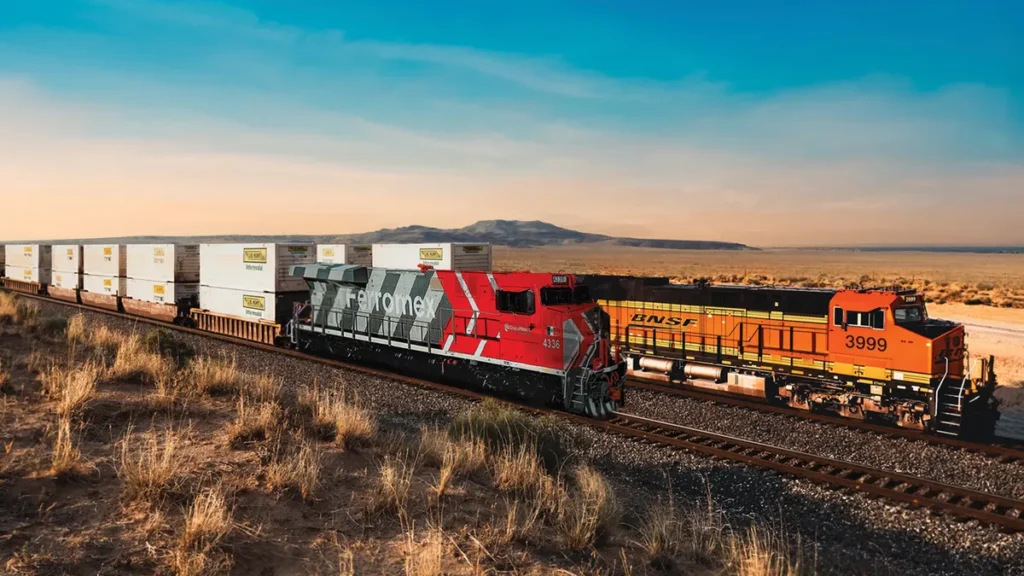
- Using Free Trade Agreements (FTAs): Goods from Canada or Mexico under USMCA often qualify for zero tariffs.
- Reclassification: Correcting HTS codes can sometimes lead to lower tariff rates.
- Duty Drawback: Refunds for duties paid on re-exported goods.
- Bonded Warehouses: Delay tariff payment until goods enter the US market.
These methods require expert handling to stay compliant. Import Compliance Consulting helps businesses apply these opportunities safely.
How Do Tariffs Affect Transit Time and Delivery Schedules?
Although tariffs are financial measures, they can indirectly slow shipments. Goods flagged for valuation review or tariff classification often face port delays.
| Freight Type | Typical Transit Time | Tariff Impact Risk | Best for |
|---|---|---|---|
| FCL (Full Container Load) | 25–35 days | Low | Bulk imports |
| LCL (Less-than-Container Load) | 30–40 days | Moderate | Small shipments |
| Air Freight | 3–7 days | Low | Urgent deliveries |
Choosing reliable Sea Freight Services with proactive customs coordination can mitigate delay risks significantly.
What Are the Economic Impacts of US Tariffs on Imports?
Tariffs affect not only importers but also consumers and domestic manufacturers. While the goal is to protect local industries, higher import costs often translate to increased retail prices. For example, tariffs on steel raise construction expenses, while textile duties make clothing pricier.
In the logistics sector, these shifts encourage smarter routing and closer collaboration between freight forwarders, customs agents, and manufacturers.
Real Case: How One Importer Reduced Tariff Burden
A California electronics importer faced a 15% tariff hike on components sourced from China. With strategic consultation from VELOTACTICS LOGISTICS, they restructured their supply chain by routing assembly through Vietnam under new origin classification. The result included:
- Tariff Reduction: From 15% to 0% under ASEAN trade terms
- Transit Efficiency: 4 days faster delivery via combined air-sea freight
- Annual Savings: $180,000 in duties and logistics costs
What’s Next for US Tariffs on Imports?
The global trade environment continues to evolve. Political changes, trade negotiations, and economic pressures mean tariffs are rarely static. Analysts expect the US to maintain targeted tariffs for strategic sectors while gradually easing duties on consumer goods to control inflation.
Businesses that adapt their import strategy early will benefit most from these shifts.

Conclusion:
In summary, understanding US tariffs on imports is essential for any importer aiming to stay competitive, compliant, and cost-efficient. With strategic freight planning, customs management, and tariff classification, companies can minimize risk while maintaining profit margins. Partnering with an experienced logistics provider like VELOTACTICS LOGISTICS ensures goods move smoothly despite evolving trade rules.
Get a Quote
Ready to reduce your import costs? You can send an inquiry today to receive a personalized tariff and freight consultation within 24 hours. Access exclusive discounts, secure your booking early, and join over 5,000 global importers who trust VELOTACTICS LOGISTICS to optimize their supply chains.
FAQ
They’re based on the Harmonized Tariff Schedule (HTS) code and declared value. Customs applies a fixed percentage or rate per unit upon entry.
Yes. Small shipments under de minimis value or covered by trade agreements can qualify for duty-free entry.
Check the USITC’s HTS database or consult your freight forwarder for accurate classification and rate confirmation.
Usually yes, unless officially declared as having no commercial value and accepted by US Customs.
Use bonded warehouses, reclassify goods correctly, or source from FTA partner countries to lower duties.
Not really. They shift with trade policy, so staying updated through your logistics provider is essential.