
- By clara
- November 19, 2025
- Business, Compliance, Customs
Table of Contents
Importing from China remains one of the most profitable yet complex aspects of global trade. Whether you’re shipping electronics, textiles, or machinery, managing customs, transit times, and compliance can be overwhelming. With the right logistics partner like VELOTACTICS LOGISTICS, US imports from China become smoother, faster, and more cost-efficient. This guide explains proven steps to simplify the process and avoid costly delays.
Why US Imports from China Dominate Global Trade
China remains the largest exporter to the United States, supplying more than $450 billion worth of goods annually. Its manufacturing efficiency, product diversity, and pricing advantage make it an indispensable trading partner. However, growing customs regulations and shipping costs mean that careful logistics planning is more important than ever.
Top import categories include:
- Electronics & components
- Furniture & home décor
- Clothing, textiles, and footwear
- Machinery & automotive parts
- Toys, packaging, and plastics
Each category has distinct customs and documentation requirements, making professional Import Services vital for compliance and efficiency.
What Are the Main Shipping Methods for US Imports from China?
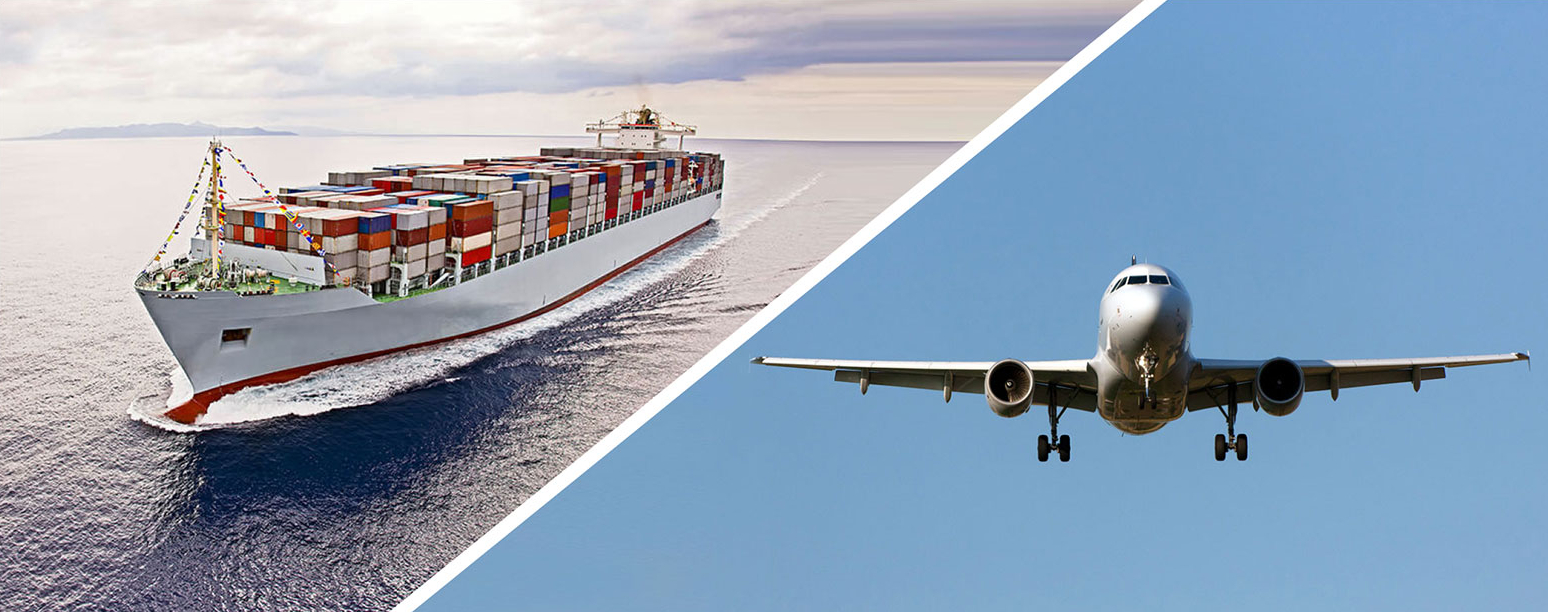
Shipping method choice determines cost, delivery speed, and cargo safety. Below is a comparison of popular options:
| Shipping Method | Average Cost | Transit Time | Best For | Advantages | Drawbacks |
|---|---|---|---|---|---|
| Sea Freight (FCL/LCL) | $40–$90 per CBM | 25–40 days | Bulk goods | Cheapest for large cargo | Slow transit |
| Air Freight | $4.5–$8 per kg | 3–8 days | Urgent or high-value cargo | Fast and reliable | High cost |
| Express Courier | $7–$12 per kg | 3–5 days | Small shipments | Door-to-door delivery | Limited volume |
| Door-to-Door Service | Variable | 10–25 days | E-commerce or SMEs | Hassle-free | Longer process |
| Multimodal Shipping | Customized | 15–25 days | Complex routes | Balance of cost and speed | Requires coordination |
Selecting the right shipping method can save 10–20% of logistics costs.
👉 Compare freight modes through our Sea Freight and Air Freight options.
How to Calculate the Total Cost of US Imports from China
Understanding total landed cost helps you budget accurately and avoid hidden fees.
| Cost Component | Description | Average Range |
|---|---|---|
| Product Cost | Supplier’s invoice | Based on FOB/CIF |
| Freight Charge | Transport cost from China to US | $40–$90 per CBM (sea) |
| Customs Duty | Import tax based on HS code | 0–25% |
| Port & Handling Fees | Terminal charges, container handling | $200–$500 |
| Domestic Delivery | Port-to-door trucking | $200–$1,200 |
| Insurance | Coverage for cargo | 0.5–1% of value |
Professional Customs Brokerage Services ensure you pay only what’s necessary — no overcharges, no misclassifications.
What Documents Are Required for Customs Clearance?
Missing or incorrect paperwork can lead to customs delays and penalties. Ensure you prepare the following:
| Document | Purpose | Issued By |
|---|---|---|
| Commercial Invoice | Declares value and buyer/seller details | Supplier |
| Packing List | Describes goods and packaging | Supplier |
| Bill of Lading | Confirms shipment ownership | Carrier |
| Certificate of Origin | Proves manufacturing location | Exporter |
| Arrival Notice | Alerts importer about shipment | Freight forwarder |
| CBP Form 7501 | Required US import declaration | Customs broker |
Having accurate and consistent documentation ensures a smooth customs process and faster release.
👉 Simplify clearance with expert support — Send Inquiry.
What Are the Import Tariffs and Taxes from China to the US?
Duties depend on the product type and HTS classification.
| Product Type | Typical Duty Rate | Notes |
|---|---|---|
| Electronics | 0–5% | Many exempted under trade codes |
| Furniture | 5–15% | Based on material type |
| Textiles | 10–20% | Subject to product category |
| Toys | 0–6.8% | Varies by safety class |
| Machinery | 2.5–8% | Based on HS code |
Pro tip: Use a US Customs Duty Calculator or partner with logistics professionals to verify HS codes. Incorrect classification can double your costs.
How Long Does It Take to Ship from China to the US?
Transit time depends on origin, destination, and mode:
| Route | Mode | Transit Time | Notes |
|---|---|---|---|
| Shanghai → Los Angeles | Sea Freight | 18–25 days | West Coast hub |
| Shenzhen → New York | Sea Freight | 30–40 days | Longer route |
| Hong Kong → Chicago | Air Freight | 3–6 days | Includes customs |
| Ningbo → Miami | Door-to-Door | 20–30 days | Includes final delivery |
Peak seasons such as Chinese New Year and Golden Week may extend schedules.
Plan early with Door-to-Door Services to maintain steady delivery timelines.
What Are the Pros and Cons of Air vs Sea Freight?
| Factor | Air Freight | Sea Freight |
|---|---|---|
| Cost | High | Low |
| Transit Time | 3–7 days | 25–40 days |
| Reliability | Very high | Moderate |
| Cargo Size | Limited | Flexible |
| Best For | Urgent or fragile cargo | Bulk shipments |
Both methods can be combined strategically for optimized shipping efficiency.
How Can You Reduce Shipping Costs on Imports from China?
To minimize costs without compromising quality:
- Consolidate Shipments – Combine LCL cargo to reduce per-unit cost.
- Book Early – Secure lower freight rates before seasonal surges.
- Use Coastal Ports – West Coast entries like LA or Seattle save time.
- Negotiate with Suppliers – Choose FOB or EXW terms wisely.
- Work with a Trusted Forwarder – Partners like VELOTACTICS manage end-to-end cost optimization.
👉 Save more with a free freight consultation → Send Inquiry.

Case Study: Reducing Import Delays and Costs
A US-based retail importer faced recurring port delays and container surcharges on monthly shipments from Ningbo.
Challenges:
- Inconsistent supplier documentation
- Peak-season port congestion
- Cost overruns on trucking
VELOTACTICS Solutions:
- Pre-verification of documents
- Rerouting to Oakland Port (shorter queue)
- Scheduled consolidation
Result:
Reduced total delivery cost by 18% and improved delivery time by 6 days.
Latest Trends in US-China Trade Logistics
- Digital Freight Booking: Online platforms now allow real-time container space booking.
- Hybrid Shipping Models: Combining sea + air for balance between time and cost.
- Eco-Friendly Logistics: Green fuel and reduced emissions shipping on the rise.
- Port Infrastructure Expansion: Automation and AI to streamline customs processes.
- Supply Chain Diversification: More US importers now use secondary ports for stability.

Conclusion:
US imports from China power thousands of American supply chains, but success depends on precision and preparation. From shipping mode selection to customs documentation, the key is expert coordination and transparent cost control. With VELOTACTICS LOGISTICS, your imports move faster, safer, and more efficiently — giving your business a true global edge.
Get a Quote
Streamline your next import with expert logistics support. Send an inquiry to get a free estimate within 24 hours. Access exclusive shipping discounts and customs support trusted by over 5,000 US importers. Secure your booking today — space is limited!
FAQ
Sea freight starts around $40 per CBM, while air freight ranges from $4.5–$8 per kg depending on route and cargo size.
Commercial invoice, packing list, bill of lading, and CBP Form 7501 are essential for US customs entry.
Classify goods correctly and leverage free trade provisions or tariff engineering strategies.
Air freight or express courier ensures delivery within 3–6 days.
Los Angeles, Long Beach, New York, and Savannah are top US ports receiving Chinese goods.
Avoid peak times around Chinese New Year and Golden Week to save time and cost.