

Table of Contents
When importing a vehicle into Canada from the US, importers face strict customs, inspection, and tax requirements. Yet, with careful planning, you can save money and time while ensuring compliance with the Canada Border Services Agency (CBSA). VELOTACTICS LOGISTICS specializes in cross-border vehicle logistics, helping clients handle shipping, paperwork, and duty assessments smoothly.
What Are the Main Rules for Importing a Vehicle into Canada?
All vehicles imported into Canada must comply with the Motor Vehicle Safety Act (MVSA), administered by Transport Canada. Importers must confirm that the car is admissible under the Registrar of Imported Vehicles (RIV) program.
Eligibility requirements include:
- Vehicle must be manufactured for the U.S. market
- Meets CMVSS (Canadian Motor Vehicle Safety Standards)
- Has functioning daytime running lights
- Vehicle is less than 15 years old (or exempt as a classic)
Failure to meet these requirements can result in the vehicle being refused entry.
What Are the Required Documents for Vehicle Import?
Proper documentation is crucial for customs clearance and registration.
| Document | Description | Issued By |
|---|---|---|
| Original Title / Certificate of Ownership | Proof of vehicle ownership | Seller / DMV |
| Bill of Sale | Proof of purchase and sale price | Seller |
| Recall Clearance Letter | Confirms no outstanding recalls | Manufacturer |
| Export Approval | Required by U.S. Customs 72 hours before export | USCBP |
| RIV Form 1 | Vehicle import declaration form | CBSA |
| Form B3 (Customs Accounting Document) | Declares vehicle value and taxes | Broker |
Missing paperwork can delay clearance or cause reinspection. For assistance with filing, use our Customs Brokerage Services.
👉 Ensure all documents are verified before shipping — Send Inquiry.

How Much Does It Cost to Import a Vehicle from the US to Canada?
Importing costs depend on the vehicle’s value, origin, and shipping method.
| Cost Component | Description | Average Cost (USD) |
|---|---|---|
| Purchase Price | Vehicle cost from seller | Varies |
| Transport | Truck or trailer freight | $500–$1,500 |
| Duty | 6.1% (if not built in North America) | Based on value |
| GST | 5% of declared value | Paid to CBSA |
| RIV Fee | Compliance inspection | $325 + tax |
| Provincial Sales Tax | Depends on province | 5–13% |
| Customs Brokerage | Filing and handling | $200–$350 |
Example:
Importing a $25,000 sedan from Michigan to Ontario:
- Duty (if non-US built): $1,525
- GST: $1,250
- RIV Fee: $325
- Shipping: $700
Total Estimated Cost: $27,800
What Shipping Methods Are Available?
Different transport modes offer varying levels of cost, protection, and speed.
| Shipping Method | Avg. Cost | Transit Time | Best For | Pros | Cons |
|---|---|---|---|---|---|
| Open Carrier | $600–$1,000 | 3–7 days | Standard vehicles | Cost-effective | Exposed to elements |
| Enclosed Carrier | $1,200–$2,000 | 3–7 days | Luxury/exotic cars | Maximum protection | Higher cost |
| Rail Freight | $800–$1,500 | 7–12 days | Long-distance bulk transport | Stable and secure | Limited routes |
| Tow-Away or Drive-Away | Variable | 1–5 days | Operational cars | Fast, flexible | Adds mileage |
| Air Freight | $8,000+ | 1–3 days | Rare or classic vehicles | Fastest method | Very expensive |
Vehicle Transport Services can coordinate combined land and air options to meet your timeline.
How Long Does It Take to Import a Vehicle into Canada?
Average import time is 5–15 business days, depending on route and documentation.
| Stage | Duration | Notes |
|---|---|---|
| U.S. Export Filing | 2–3 days | Must be filed 72 hours before crossing |
| Border Crossing | 1–2 days | Customs inspection and duty payment |
| Transport Canada Approval | 2–5 days | RIV Form 1 submission |
| Provincial Registration | 2–7 days | License and inspection |
To avoid delays, coordinate with Import Services for end-to-end management.

What Taxes and Duties Apply at the Border?
1. Import Duty:
- Vehicles made outside North America: 6.1%
- USMCA-eligible vehicles: Duty-free
2. Goods and Services Tax (GST):
- 5% of the declared value
3. Excise Tax (if applicable):
- $100 for air conditioning systems
- Additional taxes for luxury vehicles over $100,000
4. Provincial Sales Tax (PST or HST):
- Paid during registration
What Is the Vehicle Compliance Process?
After the vehicle arrives in Canada:
- RIV Form 2 is issued after fee payment.
- Vehicle must pass federal inspection at an approved facility (e.g., Canadian Tire).
- Install daytime running lights and ensure speedometer reads km/h.
- Submit proof of modifications for final approval.
Once cleared, you can register the vehicle and obtain Canadian plates.
Can Used or Salvage Vehicles Be Imported?
Used vehicles under 15 years old are eligible if compliant with Transport Canada standards.
Salvage or rebuilt vehicles are admissible only under strict inspection and must carry official titles.
Classic vehicles (over 15 years old) are exempt from RIV requirements but may need safety inspections.
👉 For complex imports like salvage or collector vehicles, Send Inquiry.
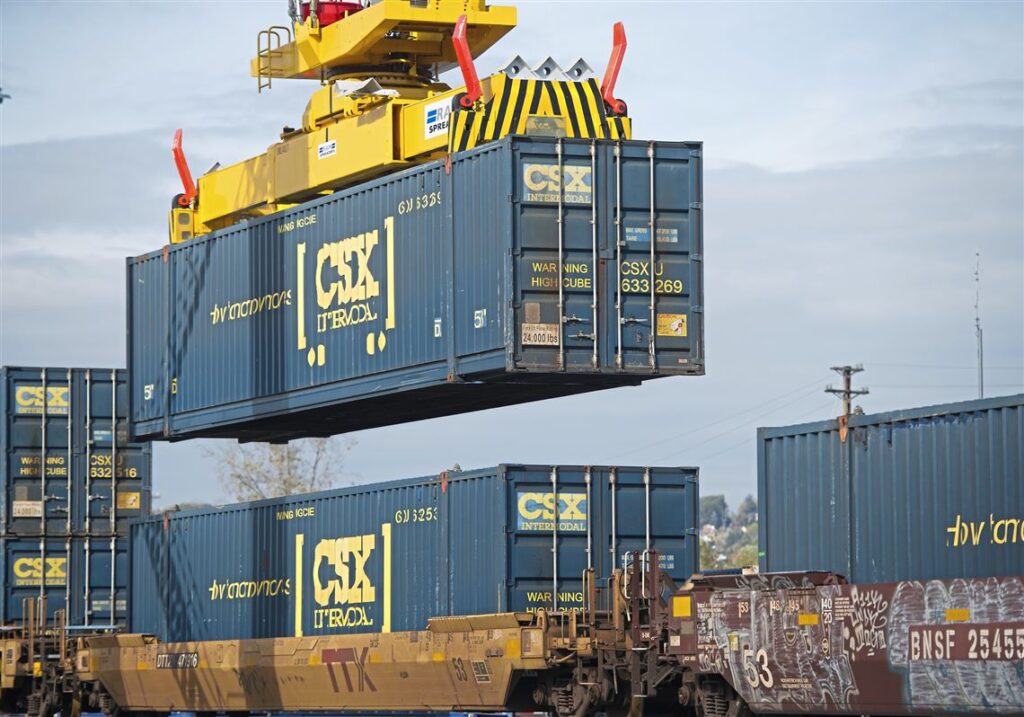
Real Case Example: SUV Import from Seattle to Vancouver
A customer purchased a 2021 Honda CR-V in Seattle for $27,000.
Steps Taken:
- Export clearance filed via USCBP 72 hours in advance.
- Vehicle transported by enclosed truck to British Columbia.
- Paid GST ($1,350) and RIV fee ($325).
- RIV inspection completed in 4 days.
Result:
Full import process completed in 8 business days.
Total landed cost: $28,950, saving $2,500 compared to local purchase.
Key Tips to Simplify the Import
- Confirm Admissibility through RIV before purchase.
- Prepare export documents early to avoid border delays.
- Hire a customs broker for accurate tax calculation.
- Use insured transport for vehicle protection.
- Budget 10–15% extra for inspection or modifications.
👉 Need expert assistance? Send Inquiry.

Conclusion:
Importing a vehicle into Canada from the US can be a smart financial decision if managed properly. By verifying eligibility, preparing correct documents, and choosing reliable logistics partners like VELOTACTICS LOGISTICS, you can streamline every stage—from export clearance to registration—saving both time and money while ensuring compliance.
Get a Quote
Ready to import your vehicle across the border? Send an inquiry now to get a free quote within 24 hours. Enjoy exclusive customs support, discounted transport rates, and guaranteed compliance with Transport Canada standards.
FAQ
Typically 5–15 business days, depending on customs and inspection schedules.
Yes, U.S. Customs must receive vehicle export documents at least 72 hours before departure.
Expect GST (5%), possible 6.1% duty, RIV fees, and provincial taxes.
Only if the leasing company grants written export authorization.
Yes. You may need daytime running lights, bilingual labels, and km/h display.
Yes. Cars older than 15 years or buses older than 25 years are RIV-exempt.