

Table of Contents
In today’s competitive trade environment, mastering US customs import data is no longer optional — it’s a strategic necessity. Importers, manufacturers, and logistics firms rely on customs data to understand global market shifts, optimize sourcing, and reduce compliance risks. At VELOTACTICS LOGISTICS, we help businesses turn this data into actionable strategies for growth and operational efficiency.
What Is US Customs Import Data and How Does It Work?
US customs import data refers to detailed records collected by the U.S. Customs and Border Protection (CBP) for every shipment entering the country. It contains essential fields like:
| Data Field | Description | Example |
|---|---|---|
| HS Code | Harmonized classification code | 8703.21 (Passenger vehicles) |
| Importer Name | Entity responsible for customs entry | AutoTech Imports LLC |
| Country of Origin | Source country of goods | Germany |
| Port of Entry | Arrival location in the U.S. | Port of New York |
| Gross Weight | Total shipment weight | 12,400 kg |
This information is gathered electronically via the Automated Commercial Environment (ACE) system, which ensures transparency, accuracy, and trade compliance.
Why Is US Customs Import Data Important for Businesses?
Every import reveals insights into trade dynamics, pricing behavior, and competition. Businesses can use customs data to:
- Track key trade partners and supplier performance
- Benchmark logistics costs and delivery times
- Identify new sourcing opportunities
- Predict demand patterns for high-volume imports
- Evaluate customs tariffs and compliance risks
For example, a company importing consumer electronics could analyze import data to forecast component shortages or currency fluctuations affecting Asian suppliers.
👉 Need help optimizing your imports? Send Inquiry
How to Access US Customs Import Data
There are multiple ways to access and interpret customs data:
- Publicly Available Data – CBP publishes certain trade summaries through U.S. Census databases.
- Licensed Data Providers – Platforms such as ImportGenius, Panjiva, and PIERS provide real-time, searchable databases of shipments.
- Partnering with Logistics Experts – Companies like VELOTACTICS LOGISTICS Services help clients analyze and integrate data into their logistics strategy.
| Access Type | Cost | Data Depth | Recommended For |
|---|---|---|---|
| Public | Free | Limited | Students, researchers |
| Paid | $100–$1000/month | Full shipment detail | Businesses, analysts |
| Partnered | Custom | Full + logistics support | Importers & exporters |
How US Customs Import Data Supports Supply Chain Optimization
When combined with logistics intelligence, import data becomes a strategic tool to streamline supply chains. Companies can:
- Identify bottlenecks at congested ports.
- Adjust shipping routes for faster delivery.
- Monitor competitors’ sourcing habits.
- Validate supplier performance through volume tracking.
Example Case
A U.S.-based apparel company used import data to spot repeated delays in West Coast ports. By shifting their inbound routes through Houston and Miami, they reduced average delivery time by 22% and saved $48,000 in detention fees.
👉 Improve your supply chain efficiency → Send Inquiry
Comparing Shipping Methods in Import Operations
Choosing the right transport mode is crucial for accurate trade analysis and delivery predictability.
| Method | Average Cost (per ton) | Transit Time | Pros | Cons |
|---|---|---|---|---|
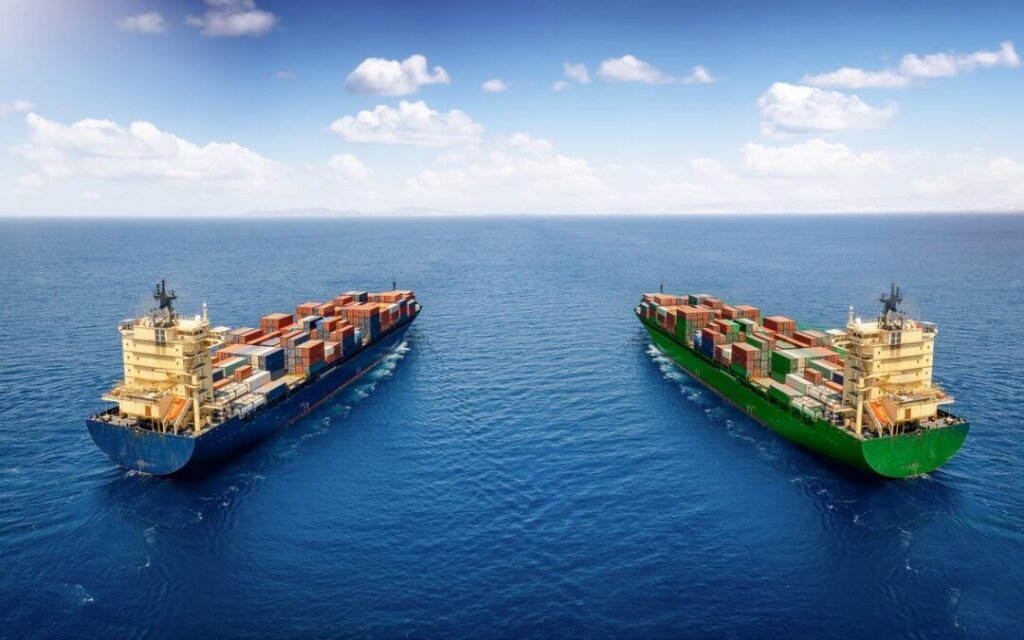
| Sea Freight | $150–$300 | 25–40 days | Economical for bulk cargo | Slower |
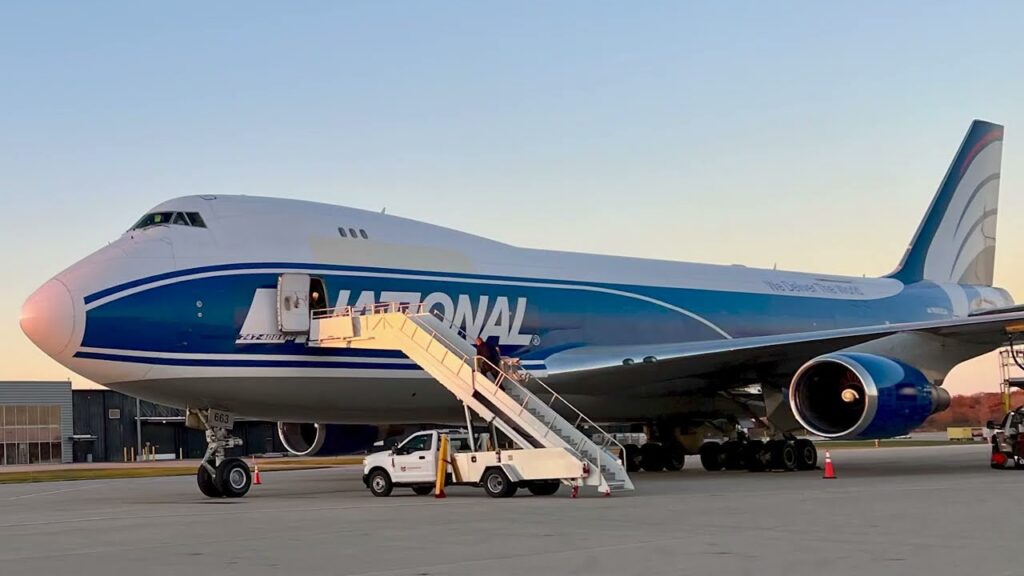
| Air Freight | $1000–$2000 | 3–7 days | Fast & secure | Expensive |
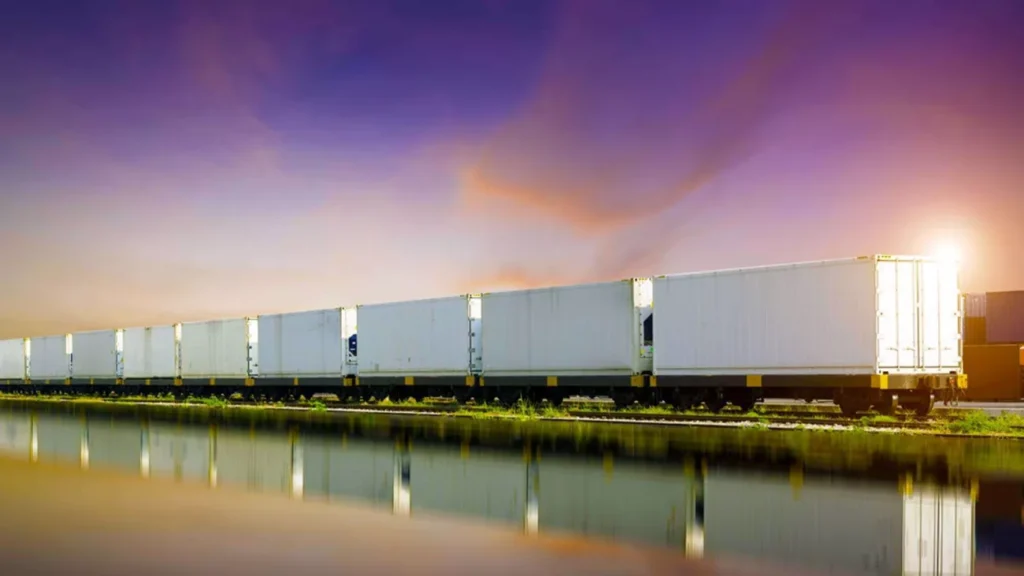
| Rail Freight | $400–$800 | 10–20 days | Balanced option | Limited availability |
| Truck Freight | $800–$1200 | 5–15 days | Flexible for regional trade | Weather-sensitive |
By aligning your customs data analysis with logistics method tracking, you gain a full picture of cost and transit efficiency.
How Import Data Helps You Understand Market Trends
Global trade trends often start in customs reports. Tracking US customs import data reveals:
- Rising import volumes from specific countries
- Product categories gaining market share
- Seasonal shifts in import demand
- Port congestion patterns
- Tariff and trade agreement impacts
For instance, recent data showed that Mexico surpassed China as the top U.S. trade partner in certain categories, signaling a shift toward nearshoring.
Regulatory Compliance and Customs Documentation
Customs compliance is critical for avoiding fines or shipment delays. Importers should maintain the following documentation:
| Document | Purpose | Required By |
|---|---|---|
| Bill of Lading | Contract of carriage | Carrier & CBP |
| Commercial Invoice | Proof of value | Customs Authority |
| Packing List | Cargo details | Customs Brokers |
| Certificate of Origin | Tariff eligibility | Free Trade Agreements |
Ensuring these records match your import data minimizes red flags in CBP’s screening process.
Learn how our customs brokerage service ensures compliance through data transparency at VELOTACTICS LOGISTICS Services.
How to Use Customs Data to Reduce Costs
By analyzing freight trends and supplier data, importers can reduce costs in several ways:
- Tariff Optimization: Reclassify HS codes where appropriate to reduce duty exposure.
- Supplier Consolidation: Identify high-performing suppliers to streamline procurement.
- Freight Rate Negotiation: Use data benchmarks to negotiate carrier pricing.
- Inventory Efficiency: Predict peak seasons and adjust reorder cycles.
Real-time data can reveal when shipment volumes spike, helping importers book space early at lower rates.
The Role of Data Analysts and Customs Experts
Collaborating with data analysts helps transform customs data into strategic insights.
| Role | Function | Value Added |
|---|---|---|
| Customs Analyst | Interprets shipment patterns | Improves forecasting |
| Broker | Manages regulatory compliance | Reduces penalties |
| Data Engineer | Builds automated data pipelines | Enhances accuracy |
| Freight Specialist | Coordinates multimodal transport | Boosts efficiency |
Together, these experts ensure that import data turns into measurable growth opportunities.
👉 Discover professional logistics intelligence solutions → Send Inquiry
Understanding Tariffs, Duties, and Trade Agreements
Importers must align customs data with tariff classification systems and preferential trade rules.
| Trade Agreement | Partner Regions | Key Benefit |
|---|---|---|
| USMCA | Canada, Mexico | Duty-free movement |
| GSP | Developing countries | Reduced tariffs |
| APTA | Asia-Pacific | Lower customs duties |
| WTO Rules | Global | Standardized trade framework |
Monitoring duty rates and exemptions via data ensures your pricing models remain competitive.

Conclusion:
Harnessing US customs import data unlocks new pathways for global success. From optimizing supply chains to predicting trends and ensuring compliance, it gives importers the insight edge needed to compete. When combined with expert logistics partners like VELOTACTICS LOGISTICS, it transforms complex data into clarity, efficiency, and profitability.
Get a Quote
📦 Want to unlock powerful customs data insights?
Get your personalized import analysis and rate quote within 24 hours.
Enjoy exclusive analytics access and reduced freight rates when you contact us today.
Trusted by 5,000+ importers worldwide, VELOTACTICS LOGISTICS helps you make smarter, data-driven trade decisions.
FAQ
It contains shipment details like HS codes, importer names, origins, and ports of entry.
Yes, but sensitive business details are protected; full data requires licensed platforms.
They can analyze trends to identify suppliers, track competitors, and negotiate better rates.
HS codes standardize product classification and determine tariff rates.
Los Angeles, New York/New Jersey, and Houston rank among the busiest for import flow.
They provide analytics, customs compliance, and freight coordination for seamless import operations.