
Handling US–Philippines shipments often becomes complicated because customs clearance requires accurate filings, strict compliance, and precise timing. However, once you partner with the right us shipping agent customs clearance Philippines service provider, the entire process becomes smoother, quicker, and far more predictable. This guide explains how to streamline compliance, reduce delays, and strengthen your international logistics performance.

What Makes Customs Clearance Between the US and the Philippines Challenging?
Many importers struggle because each country follows different customs rules, documentation formats, and valuation procedures. Moreover, changes in customs regulations, tariff classifications, and required permits frequently create confusion. Therefore, companies shipping goods between the two countries often experience:
- Delayed inspections
- Incomplete paperwork issues
- Penalties due to wrong HS codes
- Filing errors in CBP or BOC systems
- Mismatched commercial invoices
- Limited visibility of clearance status
Despite this, these challenges become manageable when guided by an experienced US-based shipping agent.
How Does a US Shipping Agent Support Philippines Customs Clearance?
A skilled shipping agent acts as your compliance partner, ensuring every shipment follows both US CBP and Philippine Bureau of Customs (BOC) requirements. Additionally, the agent coordinates documentation, manages pre-clearance checks, and communicates with customs officials on your behalf.
Key responsibilities include:
- ISF filing for ocean freight
- AMS submission
- HS code verification
- Valuation guidance
- Pre-shipment document check
- Coordination with customs brokers
- Monitoring clearance progress
- Managing duties and taxes assessment
With expert oversight, your supply chain stays on track and avoids unnecessary delays.
Why Should Importers Choose a US Agent for Philippines Shipments?
Firstly, a US agent deeply understands American compliance rules, reducing the risk of customs holds. Secondly, they maintain direct connections with Philippine brokers, enabling faster communication and smoother cross-border handling.
Core benefits include:
- Faster clearance through accurate filings
- Predictable transit time
- Reduced customs inspection risks
- End-to-end visibility
- One-stop communication
- Document accuracy
- Lower overall logistics cost through optimized routing
- Strategic support for long-term shipments
Consequently, your trade operations become more stable and efficient.
What Documents Are Required for US–Philippines Customs Clearance?
Documentation requirements vary by cargo type, but the following list covers the essentials. Preparing these early significantly speeds up clearance.
Essential Customs Documents Table
| Document Type | Purpose | Required For |
|---|---|---|
| Commercial Invoice | Declares value & items | All shipments |
| Packing List | Identifies packages | All shipments |
| Bill of Lading / Air Waybill | Transport record | Air & sea freight |
| HS Code Declaration | Tariff classification | All cargo |
| Certificate of Origin | Preferential duty eligibility | Select commodities |
| Import Permit | Regulated goods | Electronics, chemicals, etc. |
| ISF (10+2 Filing) | CBP requirement | Ocean shipments |
| AMS Filing | Cargo manifest | Sea & air cargo |
Because customs authorities scrutinize inconsistencies, agents verify details before submission to prevent clerical errors.
How Do Shipping Modes Affect Clearance Time and Logistics Cost?
Choosing the right transport mode helps balance budget, speed, and compliance pressure. Below is a comparison:
Shipping Mode Comparison
| Mode | Transit Time | Cost Level | Clearance Difficulty | Best For |
|---|---|---|---|---|
| Air Freight | 3–6 days | High | Simple | Urgent cargo |
| Sea Freight FCL | 18–28 days | Medium | Moderate | Full container loads |
| Sea Freight LCL | 20–34 days | Low | Higher (shared container) | Small shipments |
| Express Courier | 2–5 days | Medium | Simple | Small parcels |
| Air–Sea Combination | 8–14 days | Medium | Moderate | Balanced speed & cost |
Although each mode has advantages, professional guidance ensures you choose the most cost-efficient option for your specific needs.
How Does a Shipping Agent Enhance Compliance Accuracy?
Compliance accuracy determines whether a shipment clears smoothly or encounters delays. Therefore, reliable agents:
- Audit documents before departure
- Validate product classifications
- Ensure valuation consistency
- Review certificates and permits
- Detect mismatches between invoice & packing list
- Pre-communicate with Philippine customs brokers
Thus, importers avoid avoidable risks and maintain operational continuity.

Can a US Shipping Agent Reduce Delays at Philippine Customs?
Yes—delays typically occur due to missing documents, incomplete declarations, or inconsistent information. However, agents help minimize these by preparing requirements early, reviewing records carefully, and communicating directly with clearance teams.
Ways agents reduce delays:
- Submitting pre-clearance files
- Using digital document workflows
- Tracking inspection queues
- Coordinating with trucking companies
- Scheduling early release appointments
Therefore, even during peak seasons, your shipments maintain a predictable timeline.
Real Case Studies: US–Philippines Customs Clearance Success
- Cargo: 320 kg electronics
- Mode: Air Freight
- Cost: USD 2,150
- Transit Time: 4 days
- Result: Clearance finished in 1 day due to complete documents and correct HS codes.
- Cargo: 1×40HQ furniture
- Mode: Sea Freight
- Cost: USD 2,480
- Transit Time: 26 days
- Result: Agent coordinated pre-inspection, ensuring smooth unloading and quick truck-out.
- Cargo: 180 kg garments
- Mode: Air Freight
- Cost: USD 970
- Transit Time: 5 days
- Result: BOC cleared cargo within 24 hours, avoiding storage fees.
How Should Importers Choose the Right US Shipping Agent?
Before selecting a logistics partner, verify that they offer:
- Accurate customs filing
- Transparent freight pricing
- 24/7 communication
- Deep knowledge of US and Philippine regulations
- Multi-modal freight options
- Strong carrier relationships
- Shipment visibility tools
- Pre-clearance assistance
Additionally, ensure they can manage goods requiring special permits such as electronics, medical items, cosmetics, chemicals, or perishables.
Conclusion
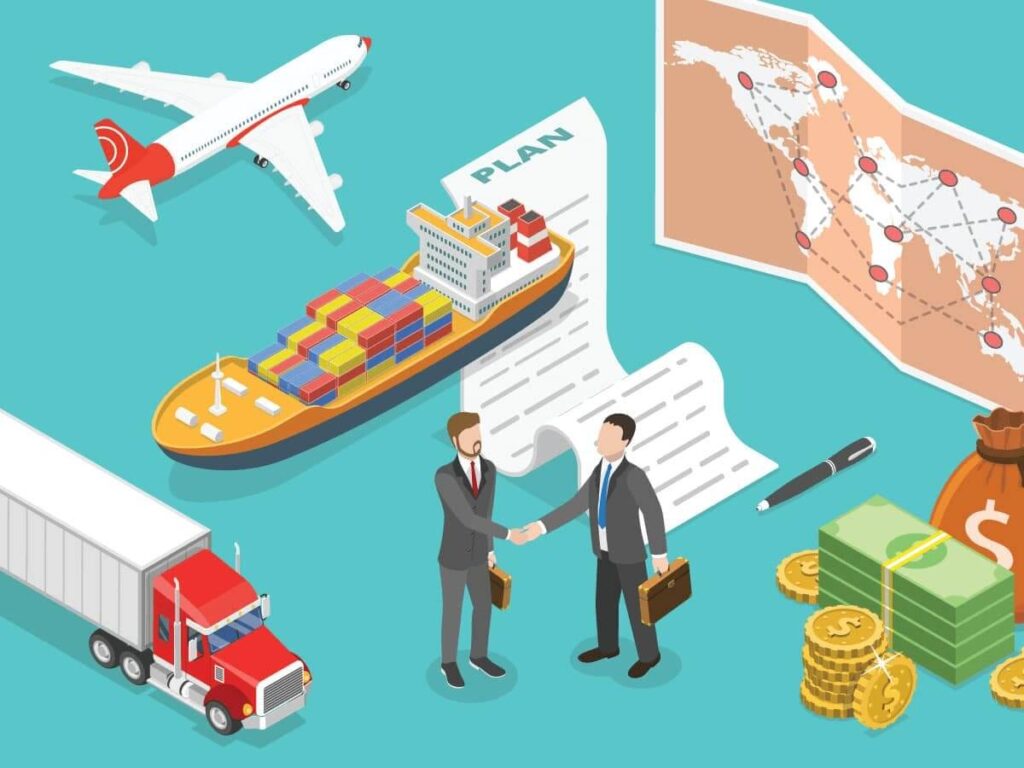
Choosing the right us shipping agent customs clearance Philippines partner is the key to ensuring smooth cross-border operations, faster document processing, and predictable timelines. With proper guidance, compliant filings, and coordinated communication, your shipments avoid unnecessary delays and move through US and Philippine customs efficiently. Velotactlcs Logistics offers the expertise and support needed to make your logistics more secure, more transparent, and more cost-effective from start to finish.
Need a quote?
Ready to get started? Contact us now to request a free shipping quote.
Frequently Asked Questions (FAQ)
Yes. A shipping agent handles documents, verifies compliance, and coordinates with BOC to avoid delays.
Clearance often completes within 1–3 days depending on cargo type, documentation accuracy, and inspection volume.
Certainly. Our team manages permits for electronics, cosmetics, chemicals, and other regulated goods.
A commercial invoice, packing list, HS codes, bill of lading, certificates, and permits when required.
Yes. LCL offers cost savings for low-volume cargo, though it may involve slightly longer handling times.