
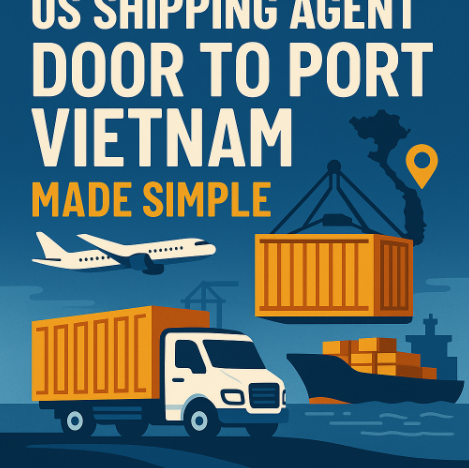
Handling international shipping from the United States to Vietnam requires accuracy, speed, and a reliable end-to-end process that keeps every milestone visible. When importers work with a professional us shipping agent door to port Vietnam service, they gain predictable scheduling, real-time updates, and smooth customs coordination. Because today’s supply chains demand efficiency, companies shipping to Vietnam cannot afford avoidable delays, inconsistent communication, or incomplete documentation. This guide explains how door-to-port operations work, why they matter, and how a trusted US shipping agent simplifies the entire logistics journey.

What Makes Door-to-Port Shipping to Vietnam Challenging?
Shipping cargo from a US warehouse to major Vietnamese ports—such as Ho Chi Minh (Cat Lai), Hai Phong, or Da Nang—requires the coordination of multiple providers. Additionally, each step carries different risks that impact transit time and cost.
Businesses often face challenges such as:
- Varying carrier sailing schedules
- Customs clearance delays
- Last-mile trucking shortages
- Congestion at Vietnamese terminals
- High demurrage and detention charges
- Limited visibility once cargo is handed to carriers
- Unpredictable transshipment delays
Because these risks affect supply-chain flow, a coordinated approach becomes essential for timely, cost-efficient shipping.
How Does a US Shipping Agent Simplify Door-to-Port Vietnam Shipments?
A professional us shipping agent door to port Vietnam partner connects US exporters, trucking companies, ocean carriers, and Vietnamese port teams into a single visibility network. Moreover, the agent manages milestones proactively to reduce delays.
Key responsibilities include:
- Scheduling domestic truck pickup from US warehouses
- Preparing required export documentation
- Booking carrier space with stable transit times
- Managing container loading and VGM submissions
- Monitoring vessel schedules and transshipment hubs
- Coordinating with Vietnamese port operators
- Providing status updates through each milestone
Additionally, a strong agent offers early-stage problem-solving, alternative routing, and full customs preparation.

How Does Door-to-Port Vietnam Shipping Work Step by Step?
Door-to-port service covers everything from US pickup to arrival at a Vietnamese port. Each stage impacts the next.
Shipping Stages
- Pickup from US warehouse or supplier
- Delivery to a US container freight station
- Container loading or LCL palletization
- Documentation review and export filing
- Handover to ocean carrier
- Vessel departure from US port
- Tracking during transit and transshipment
- Arrival at Vietnam port and unloading
- Release for consignee pickup
Because Vietnam’s ports operate quickly, shipments with complete documents move faster through the terminal.
What Are the Benefits of Door-to-Port Shipping for Vietnam?
Door-to-port shipping reduces complexity and increases predictability. Therefore, it remains a top choice for US exporters.
Advantages
- Simplified logistics coordination
- Accurate, real-time visibility
- Lower container handling errors
- Better control over documentation
- Reduced risk of cargo misrouting
- Lower downtime for Vietnamese consignees
Additionally, businesses gain full control at origin, ensuring cargo is prepared exactly as required before reaching the port.
How Much Does Shipping From the US to Vietnam Cost?
Costs depend on shipment volume, port pairings, freight season, and cargo type. The table below provides a useful starting point.
Sea Freight Cost Reference Table
| Shipment Type | Route | Avg. Cost | Transit Time | Notes |
|---|---|---|---|---|
| 1×20GP | USWC → Ho Chi Minh | USD 1,450–2,000 | 22–28 days | Fastest route |
| 1×40HQ | USWC → Hai Phong | USD 2,450–3,150 | 26–32 days | Stable rates |
| LCL 3–10 CBM | USA → Vietnam | USD 45–60/CBM | 28–38 days | Flexible option |
| Air Freight | USA → SGN/HAN | USD 4.8–8.6/kg | 3–6 days | Urgent goods |
Pricing fluctuates based on fuel adjustments, peak seasons, and carrier availability, making accurate quoting important for planning.
What Documents Are Required for US–Vietnam Export Shipments?
Proper documentation helps avoid vessel delays and customs issues in Vietnam.
Document Checklist Table
| Document | Purpose |
|---|---|
| Commercial Invoice | Declares cargo value |
| Packing List | Confirms volume, weight, dimensions |
| House & Master Bill of Lading | Transport record |
| Certificate of Origin | Required for duties |
| Export Filing (AES) | Mandatory for US shipments |
| Cargo Insurance Certificate | Optional but recommended |
Because Vietnam’s customs process focuses heavily on accuracy, a shipping agent reviews every detail before departure.
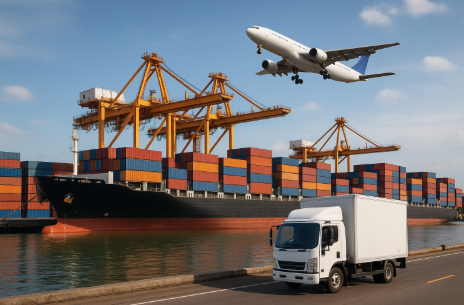
Why Vietnam Is a Leading Destination for US Exporters
Vietnam’s booming manufacturing industry, growing consumer market, and expanding port infrastructure make it a strategic trade partner for US companies.
Key advantages:
- Strong demand for US machinery, food, and consumer goods
- High-efficiency ports such as HCMC Cat Lai Terminal
- Favorable trade environment under CPTPP and ASEAN agreements
- Growing e-commerce fulfillment needs
Furthermore, Vietnam’s rise as a global production hub increases cargo flow across multiple industries.
How a US Shipping Agent Ensures Smooth Delivery to Vietnamese Ports
Close coordination between US and Vietnam logistics teams is essential. With real-time updates and accurate timeline forecasting, delays can be minimized.
A shipping agent ensures:
- Timely booking with reliable carriers
- Full visibility via advanced tracking tools
- Early customs documentation review
- Prevention of VGM and cutoff failures
- Reduced demurrage through timely port communication
Because every shipment passes through strict timelines, proactive coordination prevents costly disruptions.
Real Case Studies: US–Vietnam Door-to-Port Success
- Mode: FCL 1×40HQ
- Cost: USD 2,780
- Transit Time: 26 days
- Outcome: Door pickup scheduling prevented warehouse delays; full visibility avoided all port storage fees.
- Mode: LCL 12 CBM
- Cost: USD 620
- Transit Time: 34 days
- Outcome: Proper palletization reduced damage risk; documents cleared quickly at Vietnam customs.
- Mode: Air Freight
- Cost: USD 5.6/kg
- Transit Time: 4 days
- Outcome: Real-time tracking ensured precise coordination for factory assembly deadlines.
How Should Companies Choose the Right Door-to-Port Vietnam Shipping Agent?
Choosing a reliable shipping partner determines the success of your supply chain. Companies should consider:
- Proven experience in the Vietnam trade lane
- Strong relationships with major carriers
- Real-time tracking and milestone reporting
- Clear pricing with no hidden charges
- Robust coordination with Vietnam port teams
- Expertise in customs, HS codes, and export filing
- Multi-modal options (air, LCL, FCL, express)
Because logistics performance directly affects business goals, selecting a capable partner provides a competitive advantage.

Conclusion
Working with a trusted us shipping agent door to port Vietnam partner ensures predictable transit times, accurate documentation, and real-time visibility across your entire supply chain. With coordinated trucking, export preparation, milestone tracking, and port-side support, your business gains efficiency and confidence in every shipment. Velotactlcs Logistics delivers the speed, reliability, and communication needed for smooth US–Vietnam door-to-port delivery.
Need a quote?
Ready to get started? Contact us now to request a free shipping quote.
Frequently Asked Questions (FAQ)
Yes, we support small and full-container shipments to all major Vietnamese ports.
Sea freight takes 22–35 days; air freight takes 3–6 days depending on routing.
Absolutely. We provide nationwide trucking to collect cargo from any location.
A commercial invoice, packing list, bill of lading, and export filing are required.
Yes. We coordinate with local brokers to ensure fast clearance.