
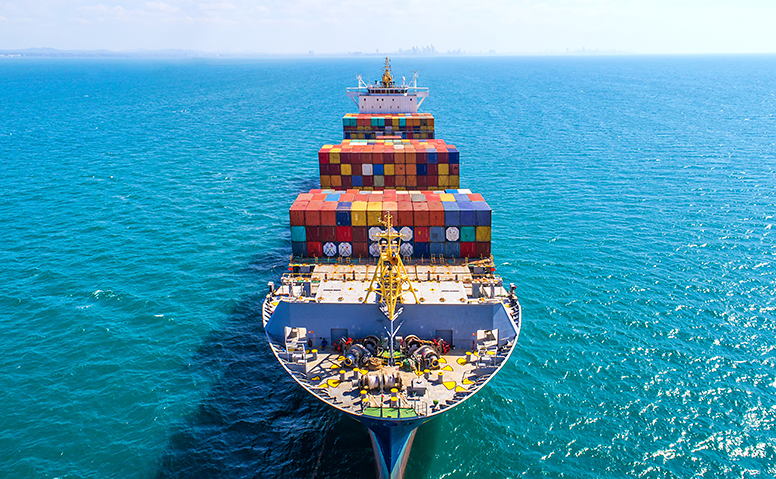
US import sea freight Singapore remains one of the most dependable shipping options for importers seeking predictable schedules, stable transit times, and competitive freight rates. As global supply chains evolve rapidly, businesses continue to search for reliable ocean freight solutions that balance cost, timing, and customs compliance. With the right strategy, you can optimize your cross-border logistics and avoid delays, unnecessary fees, or operational surprises.

What Makes US Import Sea Freight Singapore a Preferred Option for Businesses?
Many businesses choose US import sea freight Singapore because it offers a cost-effective and stable option for both FCL and LCL shipments. Additionally, shippers appreciate that ocean freight provides consistent weekly schedules, structured customs procedures, and lower risks of shipment damage compared with air alternatives.
Moreover, importers benefit from scalable container choices, predictable space availability, and the ability to ship high-volume cargo at a fraction of air freight cost. Therefore, ocean freight becomes the ideal choice for FMCG brands, electronics distributors, furniture retailers, and e-commerce sellers managing large SKUs.
How Does the US Import Sea Freight Singapore Process Work Step by Step?
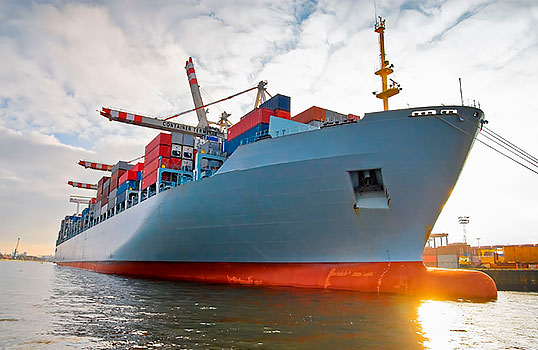
First, a supplier in Singapore prepares cargo documentation and ensures packaging compliance. Then, freight forwarders book space with carriers, arrange haulage to the port, and complete export customs procedures. Afterward, the container is loaded onto a vessel bound for major US gateways such as Los Angeles, Houston, New York, Oakland, or Seattle. Finally, upon arrival, customs clearance, unloading, and domestic delivery take place.
Additionally, working with an experienced logistics partner like Velotactics Logistics helps streamline documentation, schedule monitoring, and inland transport planning—especially for businesses new to import operations.
What Are the Typical Transit Times for US Import Sea Freight Singapore?
Transit times vary depending on the destination port, carrier route, and port congestion. Nevertheless, average durations remain predictable and stable throughout the year.
Average Transit Times (Singapore → USA)
| Destination Port (USA) | Transit Time (Days) | Notes |
|---|---|---|
| Los Angeles / Long Beach | 18–23 days | Fastest, high-frequency sailings |
| Seattle / Tacoma | 22–27 days | Slightly longer due to routing |
| Houston | 32–38 days | Transshipment possible |
| New York / New Jersey | 33–40 days | Longer but highly reliable |
| Savannah | 34–42 days | Popular for East Coast fulfillment |
These consistent lead times allow importers to plan inventory replenishment, purchase cycles, and delivery schedules more accurately.
Which Shipping Option Should You Choose: FCL or LCL?
Choosing between FCL and LCL often depends on volume, cost, and urgency. However, both options offer unique advantages.
FCL vs LCL Comparison Table
| Shipping Mode | Ideal Cargo Volume | Cost Efficiency | Transit Time | Best For |
|---|---|---|---|---|
| FCL (Full Container Load) | 18–25 CBM+ | Best long-term value | Faster, fewer delays | Retailers, wholesalers |
| LCL (Less than Container Load) | 1–15 CBM | Cost-effective for small loads | Slightly slower | SMEs, startups, e-commerce |
Velotactics Logistics supports both FCL and LCL, offering consolidated cargo solutions that reduce costs and improve inventory flow.
Why Are the Freight Rates for US Import Sea Freight Singapore More Stable Than Other Lanes?
Generally, this route benefits from high trade frequency, competitive carrier capacity, and fewer geopolitical disruptions compared with other Asian lanes. Additionally, Singapore’s port infrastructure is among the most efficient in the world, enabling smooth cargo handling and consistent departure schedules.
Furthermore, because carriers operate multiple weekly sailings, space availability remains stable, resulting in fewer blank sailings and more predictable rate movements.
How Much Does US Import Sea Freight Singapore Typically Cost?
Although freight rates change based on season, fuel costs, and carrier demand, the average ranges below provide a reliable benchmark.
Estimated Ocean Freight Costs (Singapore → USA)
| Container Type | Average Cost (USD) | Notes |
|---|---|---|
| 20GP Container | $1,200–$2,400 | Lower during off-peak seasons |
| 40GP Container | $1,900–$3,600 | Best for high-volume goods |
| 40HC Container | $2,100–$3,900 | Popular for bulky cargo |
| LCL (per CBM) | $45–$85 | Includes consolidation fees |
Velotactics Logistics provides volume-based pricing and contract rates for importers shipping regularly.
How to Reduce Delays When Shipping from Singapore to the United States?
Several strategies help minimize shipment risks:
- Use ISPM-15 compliant pallets
- Provide accurate packing lists and commercial invoices
- Confirm HS codes and duty rates before shipping
- Avoid peak seasons when possible
- Maintain buffer stock for seasonal demand
Additionally, because Velotactics Logistics tracks vessels, customs updates, and port congestion in real time, importers receive proactive alerts to avoid unexpected delays.
Can Businesses Combine Sea Freight with Air, Rail, or Trucking for Faster Delivery?
Yes. Many companies use multimodal shipping to maintain cost efficiency while accelerating delivery. For instance, importers may ship 90% of their goods via ocean while flying urgent SKU replenishment via air freight.
Moreover, cross-docking and transload services at US ports enable faster final-mile delivery to distribution centers, Amazon FBA warehouses, and 3PL hubs.
Real Shipping Case Studies
- Cargo: Consumer electronics (3,500 kg, 12 CBM)
- Mode: LCL
- Cost: $980
- Transit Time: 21 days
- Result: Velotactics Logistics consolidated the cargo to reduce handling risks and achieved 2-day faster clearance.
- Cargo: Wooden furniture (1×40HC, 68 CBM)
- Mode: FCL
- Cost: $3,250
- Transit Time: 36 days
- Result: Door-to-warehouse delivery reduced inland trucking cost by 14%.
- Cargo: Skincare products (7.8 CBM LCL)
- Mode: LCL
- Cost: $620
- Transit Time: 38 days
- Result: Temperature-controlled warehousing ensured product stability and avoided FDA red flags.
What Documents Are Required for US Import Sea Freight Singapore?
Importers must prepare the following documents:
- Commercial invoice
- Packing list
- Bill of lading
- Certificate of origin (if applicable)
- HS codes and product details
- Importer Security Filing (ISF 10+2)
- FDA documents (for cosmetics, food, medical items)
Failure to submit ISF on time can lead to penalties; therefore, early preparation is crucial.
How to Ensure Smooth Customs Clearance for US Imports from Singapore?
To ensure compliance, importers should verify HS codes, confirm tax rates, and review restricted-item requirements in advance. Moreover, labeling, packaging, and product certificates must match US regulations.
Additionally, Velotactics Logistics provides customs brokerage services, ensuring your shipment clears without delays or compliance issues.
Should You Use a Freight Forwarder for US Import Sea Freight Singapore?
Although some large corporations manage logistics internally, most importers prefer professional freight forwarders because they provide:
- End-to-end visibility
- Expert customs guidance
- Contract ocean freight rates
- Consolidation options
- Real-time tracking
- Risk mitigation
- Cost optimization
Consequently, using a forwarder often reduces shipping costs and shortens delivery time.
Conclusion
US import sea freight Singapore remains one of the most cost-efficient and reliable shipping lanes for American importers. With stable transit times, competitive pricing, and predictable schedules, businesses can build stronger supply chains and reduce operational risks. Therefore, partnering with a skilled logistics provider such as Velotactics Logistics ensures your FCL and LCL shipments arrive safely, quickly, and at the best possible cost. To optimize your imports, request a detailed quote and discover how professional freight management can elevate your logistics performance.
Need a quote?
Ready to get started? Contact us now to request a free shipping quote.
Frequently Asked Questions (FAQ)
Most shipments take 18–40 days, depending on the destination port, carrier route, and customs efficiency.
FCL suits large-volume cargo with lower cost per unit, while LCL works best for small shipments under 15 CBM.
You typically need a commercial invoice, packing list, bill of lading, ISF, and certificates depending on product type.
Yes, but your forwarder must prepare DG paperwork, and the cargo must meet IMO regulations.
Most importers book 1–2 weeks in advance, especially during peak seasons or promotional sales periods.