

Importers sourcing from the Philippines often face inconsistent product quality, unclear supplier practices, and unexpected customs problems when goods arrive in the United States. Although the Philippines is known for electronics, garments, furniture, and specialty manufacturing, quality variations remain common. This guide explains how US import inspection service Philippines solutions help reduce risks, ensure accuracy, and protect your supply chain—making your shipments safer, smoother, and more predictable.

What Is a US Import Inspection Service in the Philippines?
Many importers ask what exactly a US import inspection service Philippines includes. Essentially, inspection services verify product quality, packaging, labeling, compliance, and supplier capability before goods leave the Philippines. Because pre-shipment issues are cheaper to fix at origin than after arrival, inspections are one of the most cost-effective risk-control tools for US importers.
Moreover, inspections ensure compliance with US customs rules, safety standards, and industry regulations. Therefore, importers gain better visibility and fewer surprises at the destination port.
How Does a Pre-Shipment Inspection Reduce Risk for US Importers?
Every importer wants predictable quality. However, production errors, packaging mistakes, and supplier shortcuts cause delays and losses. Therefore, pre-shipment inspections help catch:
- Incorrect materials
- Wrong labeling or barcodes
- Missing accessories
- Poor-quality assembly
- Non-compliant packaging
- Quantity shortages
Because inspections occur before cargo leaves the Philippines, most issues can be corrected immediately, avoiding costly returns or rework in the US.
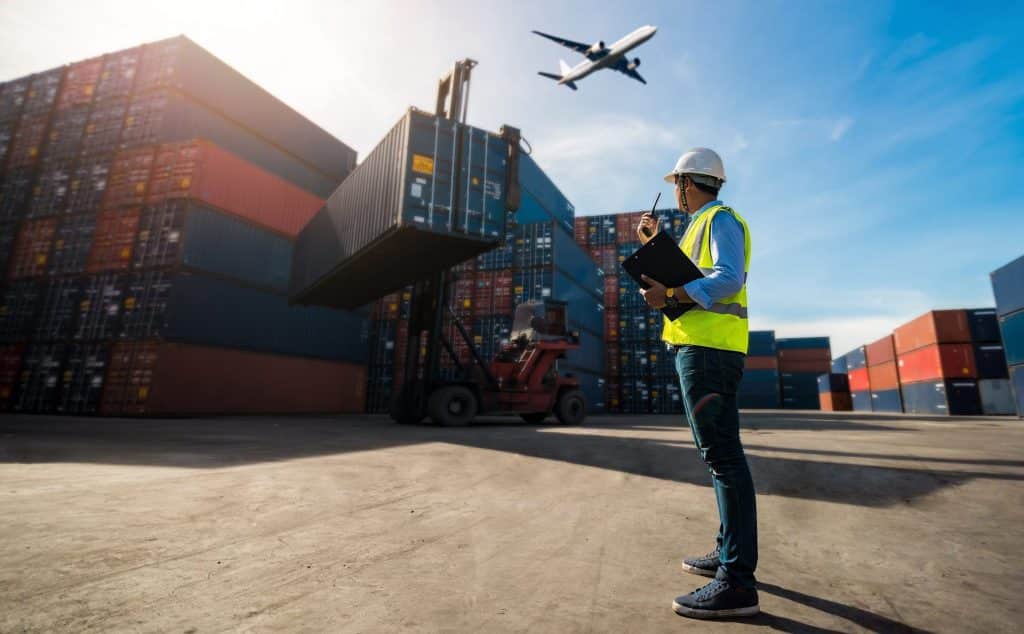
Which Types of Inspections Do US Importers Commonly Use in the Philippines?
Inspection services vary depending on shipment type, supplier maturity, and product complexity. Additionally, combining several methods offers better control.
Common Inspection Types
| Inspection Type | Purpose | Best For |
|---|---|---|
| Pre-Shipment Inspection (PSI) | Final checking before shipping | Electronics, garments, furniture |
| During-Production Check | Early-stage quality control | Large orders, seasonal goods |
| Container Loading Check (CLC) | Ensures proper loading & sealing | Fragile items, mixed cargo |
| Factory Audit | Evaluates supplier capability | New suppliers, compliance checks |
| Sample Verification | Confirms pre-production quality | New product launches |
Because different industries have unique risks, selecting the right inspection type ensures better protection for your supply chain.
Why Is the Philippines a High-Risk but High-Value Import Market?
The Philippines offers competitive manufacturing advantages, skilled labor, and diverse product categories—from electronics to handicrafts. However, variability exists across factories, which means quality can shift significantly between production batches.
Additionally:
- Some suppliers rely on manual processes
- Material sourcing may vary week to week
- Small workshops lack strong QC systems
- Export packaging standards are inconsistent
Therefore, using US import inspection service Philippines solutions is essential to stabilize quality and avoid claims, especially for high-volume or repeat orders.
How Do Inspections Improve US Customs Compliance?
US Customs and Border Protection (CBP) enforces strict rules regarding safety, labeling, HS codes, and country of origin. Consequently, shipments often get delayed when documents or packaging fail to meet standards.
Inspection services help verify:
- Correct HS code labels
- “Made in Philippines” origin marking
- Safety and compliance markings (FCC, FDA, CPSIA)
- Accurate commercial invoices
- Valid packing lists
Because inspections prevent incorrect declarations, importers reduce the chances of customs exams, holds, and penalties.
What Documents Are Required for US Import Cargo From the Philippines?
Below is a simple table summarizing key documents importers need for smooth customs entry.
Document Checklist for Philippines → USA Imports
| Document | Purpose |
|---|---|
| Commercial Invoice | Declares value & product details |
| Packing List | Verifies quantities & packaging |
| Bill of Lading | Confirms shipment ownership |
| HS Code Declaration | Determines duty rate |
| Inspection Report | Confirms quality & compliance |
| Certificate of Origin | Verifies Philippine origin |
| ISF Filing | Required for all ocean shipments |
Because documentation accuracy determines clearance speed, Velotactlcs Logistics assists importers with pre-entry verification, ensuring safer and smoother customs processing.
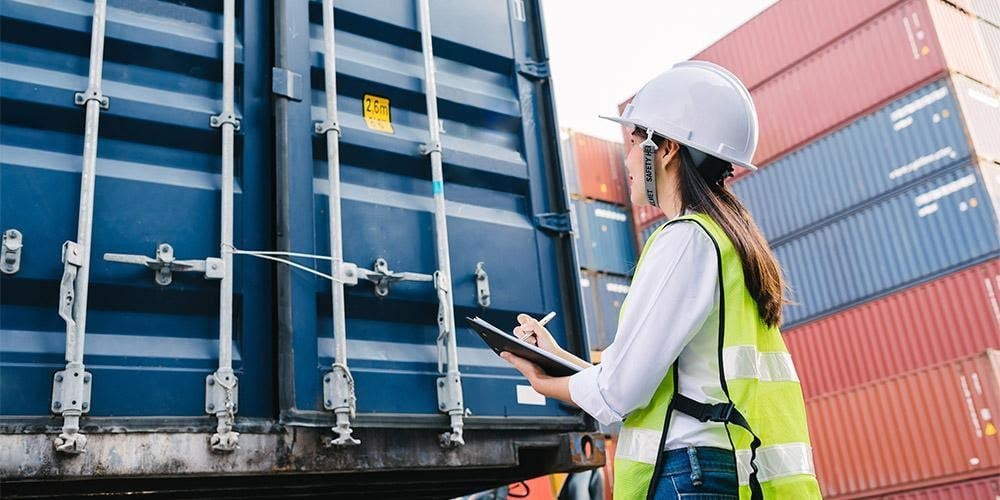
How Much Does a US Import Inspection Service in the Philippines Cost?
Inspection pricing depends on service type and location. However, most inspections fall within a predictable range.
Typical Inspection Cost Reference
| Inspection Type | Cost Range |
|---|---|
| Pre-Shipment Inspection | $120 – $280 |
| During-Production Check | $150 – $300 |
| Factory Audit | $280 – $450 |
| Container Loading Check | $110 – $190 |
| Sample Check | $60 – $120 |
Although inspections add small costs upfront, they prevent defects, returns, chargebacks, and damaged customer relationships—making them extremely cost-effective.
Real Case Studies: US Import Inspection Service Philippines in Action
- Volume: 5.2 CBM
- Inspection Type: Pre-Shipment Inspection
- Issues Found: Wrong cable type in 22% of boxes
- Action: Supplier corrected all packaging within 48 hours
- Outcome: Avoided $8,700 in returns and rework costs
- Volume: 7.9 CBM
- Inspection Type: Factory Audit + CLC
- Issues Found: Moisture levels exceeded US standards
- Action: Supplier re-dried 85% of panels before loading
- Outcome: Defect rate dropped from 9% to 1.4% on arrival
- Volume: 12,600 pcs
- Inspection Type: During-Production Check
- Issues Found: Stitching variations and missing labels
- Action: Supplier improved QC line; re-labeled products
- Outcome: Shipment passed customs without inspection
How Do Inspections Protect Your Supply Chain in the Long Term?
Consistent inspections create predictable quality. Furthermore, importers using regular QC programs report:
- 40–70% fewer defects
- Higher supplier accountability
- Lower customer complaints
- Fewer customs inspections
- More accurate production timelines
Velotactlcs Logistics offers tailored QC solutions across major Philippine manufacturing zones—including Manila, Cebu, Davao, Batangas, and Subic—ensuring consistent results.
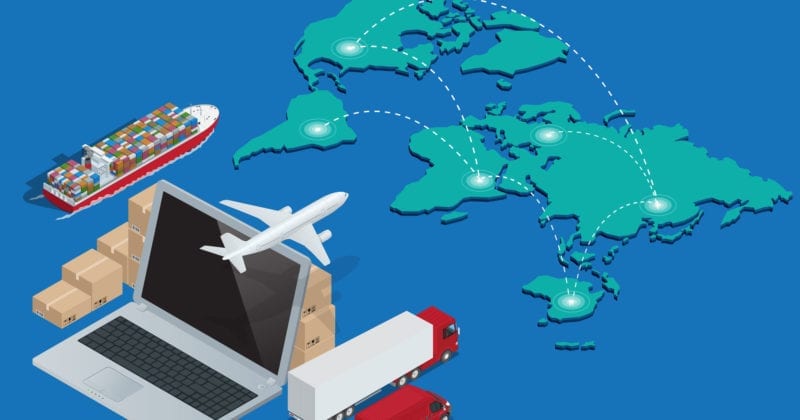
Should US Importers Combine Inspections With Logistics Services?
Yes. Because inspection alone cannot ensure delivery success, combining QC + logistics adds stronger protection.
Velotactlcs Logistics provides:
- Inspection coordination
- Supplier communication
- Photo & video documentation
- Pre-loading checks
- Customs preparation
- Ocean & air freight options
By managing more steps within the supply chain, we help importers reduce handover errors and improve delivery reliability.
Conclusion
Understanding us import inspection service philippines options empowers importers to reduce defects, improve supply-chain stability, and avoid customs delays. When inspections, logistics, and documentation are handled professionally, importers gain predictable quality and significantly fewer risks. Velotactlcs Logistics is ready to support your operations with tailored inspection solutions and reliable US-bound logistics services.
Need a quote?
Ready to get started? Contact us now to request a free shipping quote.
Frequently Asked Questions (FAQ)
Inspectors check product quality, labeling, packaging, quantity, and compliance before shipment.
Audits verify production capability, certifications, and working conditions, helping importers avoid unreliable suppliers.
No, but regular inspections reduce defect rates and protect shipment value.
Accurate labeling, correct HS codes, and proper packaging reduce the chances of CBP exams.
Most inspections should be booked 3–5 days before cargo readiness.