
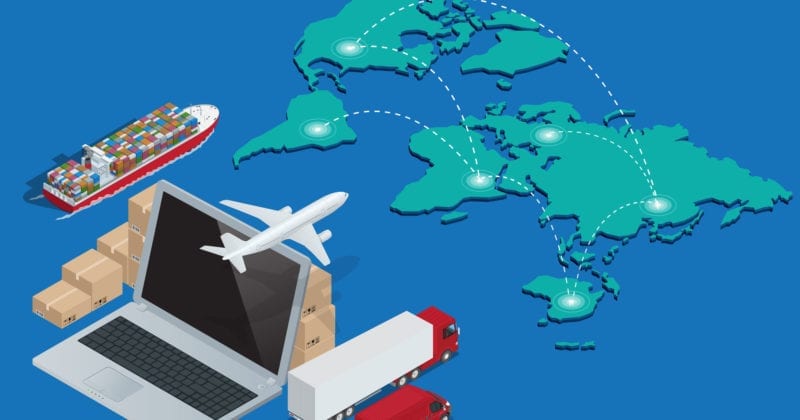
Managing US export to Malaysia often challenges exporters due to documentation requirements, routing choices, and customs coordination. Many companies struggle with delays caused by incomplete declarations or mismatched data. However, with structured preparation and smarter freight planning, exporters can achieve faster, more cost-efficient, and highly reliable delivery into Malaysia.

Why Is US Export to Malaysia Becoming More Significant?
Demand for US-made products keeps rising in Malaysia thanks to strong trade relations and expanding industries. Moreover, Malaysia imports a wide range of American goods, from electronics and pharmaceuticals to machinery and agricultural products. Because Malaysia serves as a Southeast Asian industrial hub, the US export flow continues to strengthen every year.
Additionally, both governments encourage bilateral trade, which leads to smoother customs processes and predictable logistics planning.
What Documents Are Required for US Export to Malaysia?
Document accuracy remains one of the most important factors in avoiding delays. Therefore, exporters must prepare each file with consistent data, correct HS codes, and detailed product descriptions.
US–Malaysia Export Documentation Checklist
| Document Type | Purpose | Notes |
|---|---|---|
| Commercial Invoice | Confirms value & description | Must align with HS code |
| Packing List | Provides weight & size | Helps Malaysian customs verify CBM |
| Bill of Lading / Air Waybill | Shipment release | Must match exporter/consignee info |
| Export Declaration (EEI) | Required for US export | Filed via AES |
| Certificate of Origin (If needed) | Tariff verification | Some goods need COO |
| SDS (When applicable) | Safety compliance | Required for chemicals & batteries |
Because Malaysian customs operates efficiently, correct paperwork ensures a quick release during import inspection.

How Does the US Export to Malaysia Process Work?
Exporters begin with documentation preparation and booking arrangements. After that, goods enter the US export declaration system for EEI filing, followed by handover to the freight carrier.
Once arriving in Malaysia, customs reviews valuation, HS classification, import permits, and any controlled-goods regulations. Because Malaysia’s clearance system is digitalized, compliant cargo often clears within hours.
Furthermore, smooth coordination between US shippers, Malaysian brokers, and freight forwarders ensures minimal disruption from departure to arrival.
Which Freight Option Is Best for US Export to Malaysia?
Exporters select transport modes based on delivery speed, cargo size, and cost considerations. Each mode offers different advantages, so proper comparison helps optimize planning.
Transport Mode Comparison for US → Malaysia
| Method | Transit Time | Cost Level | Best For | Advantages |
|---|---|---|---|---|
| Air Freight | 3–6 days | High | Urgent cargo | Fast & reliable |
| Ocean FCL | 22–32 days | Low | Large shipments | Stable, economical |
| Ocean LCL | 25–38 days | Low–Medium | Small cargo | Flexible, affordable |
| Express Courier | 2–5 days | Medium–High | Samples, small parts | Door-to-door speed |
Although air freight moves faster, FCL remains the most cost-effective option for exporters shipping bulk volume to Malaysia.
How Can Exporters Reduce Shipping Delays When Sending Cargo to Malaysia?
Exporters can avoid delays by implementing simple but effective strategies:
- Verify HS codes before booking
- Prepare EEI filings early
- Check carton labeling and cargo description
- Confirm Malaysian import permit requirements for restricted products
- Coordinate pick-up schedules with warehouse cut-offs
- Use standardized documentation templates
Additionally, proactive communication between suppliers, freight forwarders, and receiving agents helps prevent last-minute corrections.
Why Work With a Reliable Freight Forwarder for US Export to Malaysia?
A professional forwarder simplifies the export process by ensuring every document is correct, every filing is completed early, and every routing decision optimizes cost and transit time.
Velotactlcs Logistics supports exporters with:
- Pre-export document review
- AES filing assistance
- Air & ocean booking with fast confirmation
- Route optimization for different cargo types
- Real-time updates during shipping
- Coordination with Malaysian customs brokers
Because of these advantages, exporters avoid complications and enjoy smoother, faster, and more predictable delivery.

What Shipping Costs Should Exporters Expect for US Export to Malaysia?
Prices vary depending on season, routing, and cargo characteristics. Nevertheless, the following table provides general cost guidance.
Estimated US → Malaysia Export Costs
| Cost Type | Typical Range | Notes |
|---|---|---|
| Air Freight | USD 4.8–9.5/kg | Rate depends on season |
| FCL (20/40ft) | USD 1,200–2,450 | Market fluctuation applies |
| LCL Freight | USD 40–80/CBM | Based on warehouse & route |
| Export Documents | USD 50–100 | Forwarder document fees |
| Insurance | 0.3–0.6% of value | Highly recommended |
Comparing multiple routes and planning ahead helps exporters reduce overall logistics expenses.
Real Case Study
- Cargo: 1 × 40GP machinery parts
- Weight: 10 tons
- Mode: Ocean FCL
- Cost: USD 2,260
- Transit: 29 days
Outcome: Proper packing list accuracy allowed smooth release without re-measurement.
- Cargo: 5.5 CBM electronics
- Mode: LCL
- Cost: USD 530
- Transit: 34 days
Outcome: Correct HS classification prevented customs re-inspection.
- Cargo: 240 kg medical equipment
- Mode: Air Freight
- Cost: USD 1,650
- Transit: 4 days
Outcome: Early EEI filing ensured fast US export clearance and quick import processing in Malaysia.
What Packaging Standards Should Exporters Follow?
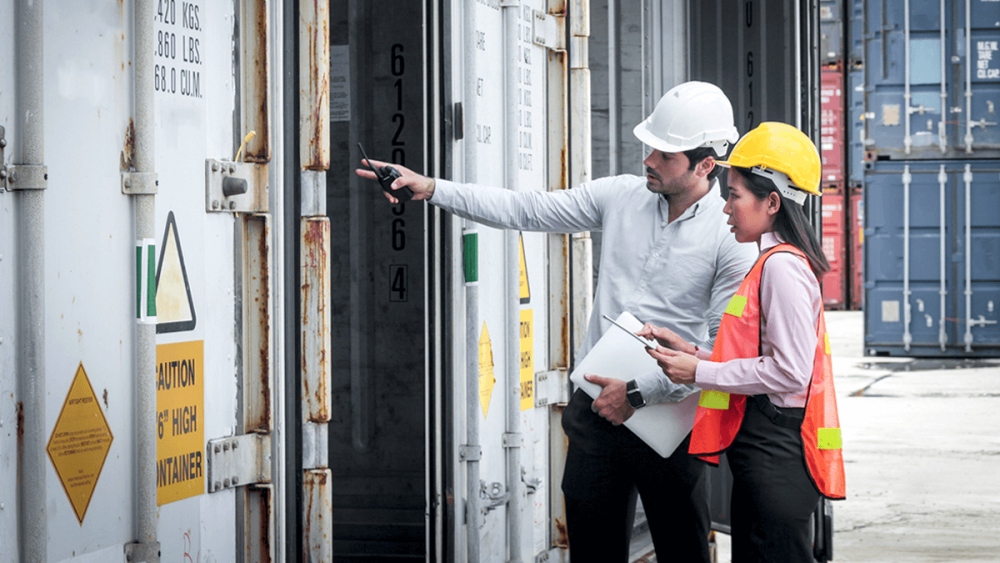
Every exporter should protect cargo using durable, moisture-resistant, and export-grade materials. Moreover, accurate labels allow customs officers to identify products quickly.
Recommended standards include:
- Double-walled cartons
- ISPM-15 compliant pallets
- Waterproof wrapping
- Internal cushioning material
- Clear labels indicating carton number, weight, and item description
Additionally, fragile goods require shock-proof packaging to avoid damage during long transit.
What Goods Are Commonly Exported From the US to Malaysia?
Malaysia imports a wide variety of US products, including:
- Electronics and semiconductor components
- Aerospace parts
- Industrial machinery
- Pharmaceuticals and medical devices
- Agricultural products
- Chemical compounds
- IT components
- Food and beverage products
Because many of these categories are regulated, accurate HS code selection ensures smooth customs processing.
Should Exporters Purchase Insurance for Cargo to Malaysia?
Conclusion
In conclusion, successful US export to Malaysia requires strong documentation preparation, proper freight selection, and early coordination across all partners. Exporters who plan ahead reduce delays, lower risk, and achieve predictable delivery timelines. If your business needs trusted guidance, competitive rates, or complete end-to-end handling for shipments to Malaysia, Velotactlcs Logistics offers professional and efficient support for all cargo types.
Need a quote?
Ready to get started? Contact us now to request a free shipping quote.
Frequently Asked Questions (FAQ)
Air freight takes 3–6 days, while ocean freight typically takes 22–38 days depending on routing.
Yes, the EEI must be submitted through the AES system for shipments over USD 2,500 per HS code.
Some items—such as chemicals, food products, telecom equipment, and pharmaceuticals—require permits.
Yes. LCL is cost-effective for shipments under 10 CBM.
Inspections occur when needed, but clearance is often fast when documents are accurate.