
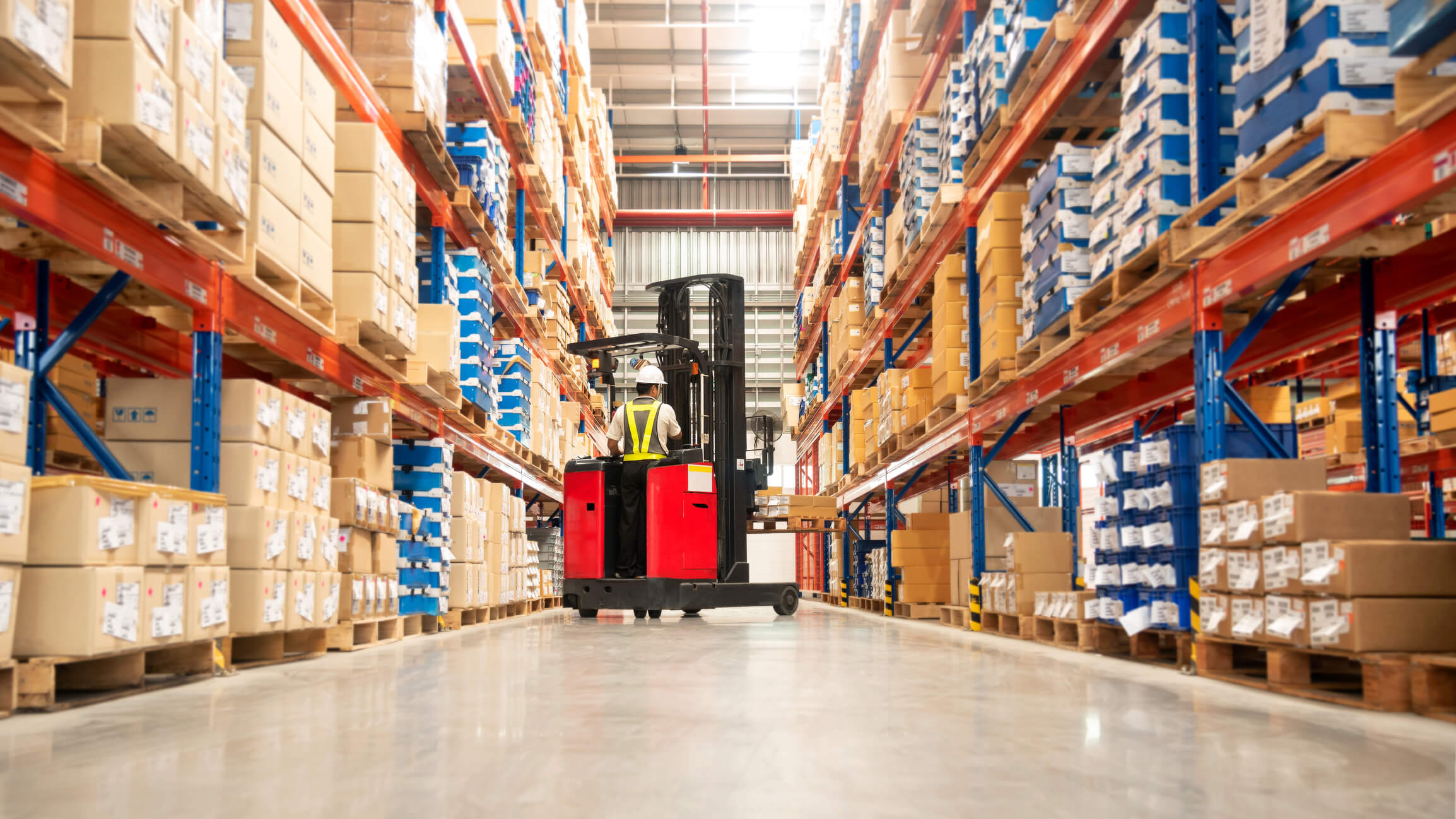
Managing US export to Thailand can be challenging for many exporters because documentation accuracy, routing strategies, and customs preparation all determine whether shipments move quickly or face delays. Many businesses struggle with inconsistent paperwork or unclear freight choices. However, when exporters combine clear planning with efficient logistics coordination, they achieve faster transit times, smoother customs processing, and better control over overall supply-chain performance.

Why Is US Export to Thailand Growing Rapidly?
Thailand’s demand for imported American goods continues to rise due to the expansion of its manufacturing sector, strong consumer markets, and increased investment in technology and healthcare. Moreover, the United States remains one of Thailand’s most important trading partners, supplying machinery, electronics, medical devices, vehicles, aerospace parts, and agricultural items.
Because the Thai government supports trade modernization and port upgrades in Bangkok and Laem Chabang, exporters from the US enjoy faster processing and improved logistics capabilities.
What Documentation Is Required for US Export to Thailand?
Accurate documentation is essential because Thailand’s customs system prioritizes data consistency across all forms. Therefore, exporters must ensure every document contains matching product descriptions, HS codes, invoice values, and carton details.
US–Thailand Export Documentation Checklist
| Document Type | Purpose | Notes |
|---|---|---|
| Commercial Invoice | Confirms description & value | Must match HS code declaration |
| Packing List | Specifies cargo weight/size | Used for customs scanning |
| Bill of Lading / AWB | Shipment release document | Shipper/consignee must match |
| EEI (AES Filing) | Required for US exports | Mandatory for goods > USD 2,500 |
| Certificate of Origin | Tariff verification | Required only for specific items |
| SDS (if applicable) | Hazardous material compliance | Required for chemicals/batteries |
Because Thailand uses electronic customs clearance, accurate information ensures faster processing and fewer inspection risks.

How Does the US Export to Thailand Process Work?
Exporting from the US to Thailand follows a step-by-step process:
- Prepare commercial documents (invoice, packing list, HS codes).
- File the EEI through the AES system.
- Book freight for air or ocean shipments.
- Deliver cargo to the CFS/terminal before the cut-off time.
- Ship cargo toward Thailand.
- Complete pre-arrival clearance through Thai customs.
- Clear the shipment using the importer’s tax ID and necessary permits.
- Deliver cargo to the final warehouse.
Additionally, early coordination with Thai importers ensures that required permits are ready before arrival.
Which Freight Method Is Best for US Export to Thailand?
Choosing the correct shipping method helps exporters control costs and transit time. Because the US–Thailand route handles diverse cargo types, exporters can select the best mode based on urgency and volume.
Transport Mode Comparison (US → Thailand)
| Method | Transit Time | Cost Level | Best For | Strengths |
|---|---|---|---|---|
| Air Freight | 3–6 days | High | Urgent or high-value cargo | Fast & reliable |
| Ocean FCL | 24–32 days | Low | Large shipments | Cost-effective |
| Ocean LCL | 27–38 days | Low–Medium | Smaller shipments | Flexible & economical |
| Express Courier | 2–5 days | Medium–High | Small parcels & samples | Door-to-door speed |
Although air freight is the fastest, many exporters choose FCL for predictable routing and lower overall cost.
How Can Exporters Reduce Delays When Shipping to Thailand?
Exporters can avoid unnecessary delays by following several practical measures:
- Verify HS codes before AES filing
- Ensure carton labels match the packing list
- Provide clear cargo descriptions (model number, material, purpose)
- Confirm Thailand import permits for restricted items
- Maintain communication with suppliers and forwarders
- Prepare documents early to prevent last-minute changes
- Use strong export packaging to avoid inspection-triggering damage
Moreover, scheduling cargo delivery early helps meet freight cut-off deadlines and avoid vessel rollovers.
Why Work With a Professional Forwarder for US Export to Thailand?
Because international shipments require consistency, Velotactlcs Logistics offers exporters the expertise needed to manage every milestone efficiently. Our teams help ensure accuracy, optimize routes, and maintain visibility across all stages of the shipping process.
Exporters benefit from:
- Pre-export document verification
- AES/EEI filing assistance
- Competitive air & ocean freight options
- Route planning based on urgency and cost
- Real-time shipment tracking
- Coordination with Thailand customs brokers
Consequently, exporters experience reliable transit timelines and fewer disruptions.

What Costs Should Exporters Expect for US Export to Thailand?
Freight cost varies depending on destination port, season, and cargo type. The following reference helps exporters plan budgets.
Estimated Freight Costs (US → Thailand)
| Cost Type | Typical Range | Notes |
|---|---|---|
| Air Freight | USD 5.2–9.8/kg | Seasonal fluctuations apply |
| FCL Shipping (20ft/40ft) | USD 1,250–2,600 | Route-dependent |
| LCL Freight | USD 40–82/CBM | Warehouse fees vary |
| Export Documents | USD 50–100 | Forwarder administrative fee |
| Cargo Insurance | 0.3–0.6% value | Highly recommended |
Planning shipments outside peak periods helps maintain cost-effective delivery.
Real Case Study
- Cargo: 1×40GP industrial machinery
- Weight: 10.8 tons
- Mode: Ocean FCL
- Cost: USD 2,380
- Transit: 28 days
Outcome: Accurate packing list and HS code ensured same-day clearance upon arrival.
- Cargo: 6.1 CBM electronics
- Mode: LCL
- Cost: USD 540
- Transit: 35 days
Outcome: Pre-checked documentation avoided classification discrepancies.
- Cargo: 230 kg medical devices
- Mode: Air Freight
- Cost: USD 1,650
- Transit: 4 days
Outcome: Early EEI filing enabled immediate export clearance from the US side.
How Should Exporters Package Goods for Thailand?
Because Thailand experiences humidity and varied handling conditions, proper packaging protects goods from damage and customs issues.
Recommended packaging standards:
- Moisture-resistant wrapping
- Double-walled export cartons
- ISPM-15 compliant wooden pallets
- Strong internal cushioning
- Clear labels indicating item number, weight, and handling instructions
Additionally, fragile goods should include reinforced padding and “FRAGILE” markings to reduce inspection triggers.
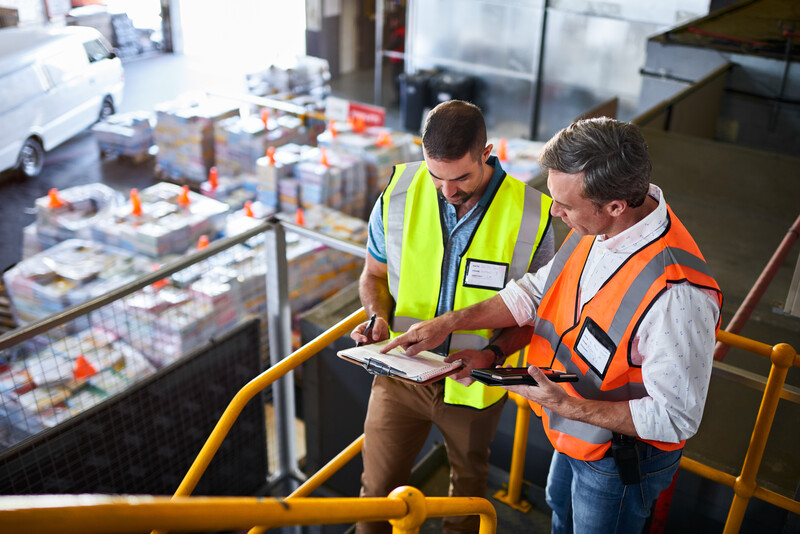
What Goods Are Commonly Exported From the US to Thailand?
Thailand imports a broad range of American products, including:
- Semiconductor equipment
- Aerospace parts
- Industrial machinery
- Medical devices
- Agricultural commodities
- IT components
- Pharmaceuticals
- Food & beverage items
Because several categories involve regulated items, exporters must verify permit requirements before shipping.
Do Exporters Need Insurance for US Export to Thailand?
Although optional, cargo insurance protects goods from loss, damage, or delays caused by long-distance transportation. Since risks increase during ocean transit, insurance provides affordable protection and minimizes financial exposure.
Conclusion
In summary, achieving smooth US export to Thailand requires accurate documentation, smart freight selection, and strong coordination between all partners. Exporters who prepare early and work with reliable logistics providers enjoy predictable delivery times, fewer delays, and stronger supply-chain resilience. If your business wants fast, efficient, and cost-effective export solutions to Thailand, Velotactlcs Logistics is ready to support every step of the journey.
Need a quote?
Ready to get started? Contact us now to request a free shipping quote.
Frequently Asked Questions (FAQ)
Air freight takes 3–6 days, while ocean freight typically takes 24–38 days depending on the route.
Yes. EEI is required for shipments above USD 2,500 per HS code or controlled goods.
Certain items—such as chemicals, food products, medical devices, and telecom equipment—require permits.
Yes. LCL is cost-effective for shipments under 10 CBM.
Inspections occur selectively, but clearance is fast when documents are accurate.