
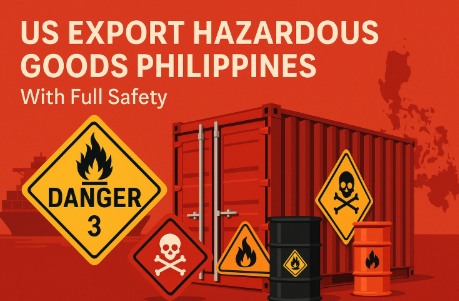
Exporting dangerous goods from the United States to the Philippines requires strict controls, accurate documentation, and careful handling. Because hazardous materials pose safety risks during transport, exporters rely on structured procedures and professional DG-certified logistics partners. With the right compliance approach, us export hazardous goods Philippines operations become safer, faster, and more predictable.

What Are Hazardous Goods in US-to-Philippines Shipping?
Hazardous goods include substances that may pose fire, chemical, environmental, or physical risks during transportation. Although many items seem harmless, their chemical properties make them classified as DG cargo under IMDG, IATA, and local Philippine regulations.
Common shipments include:
- Lithium batteries & power banks
- Aerosols & pressurized cans
- Automotive chemicals
- Flammable liquids (paints, adhesives, solvents)
- Perfume & alcohol-based products
- Industrial chemicals
- Cleaning agents with corrosive properties
- Hazard-class machinery & lab items
Furthermore, these items must follow UN classification and proper packaging standards before export.
Why Is Compliance Critical for Hazardous Goods Export?
Compliance ensures the safety of airline crews, vessel operators, ground staff, and final recipients. Additionally, strict adherence reduces the risk of fines, shipment rejections, or port delays.
Key compliance requirements include:
- Hazard class verification
- Proper UN-certified packaging
- Correct DG labels
- MSDS validation
- IMDG & IATA documentation
- Proper container segregation
- Temperature-controlled storage (if required)
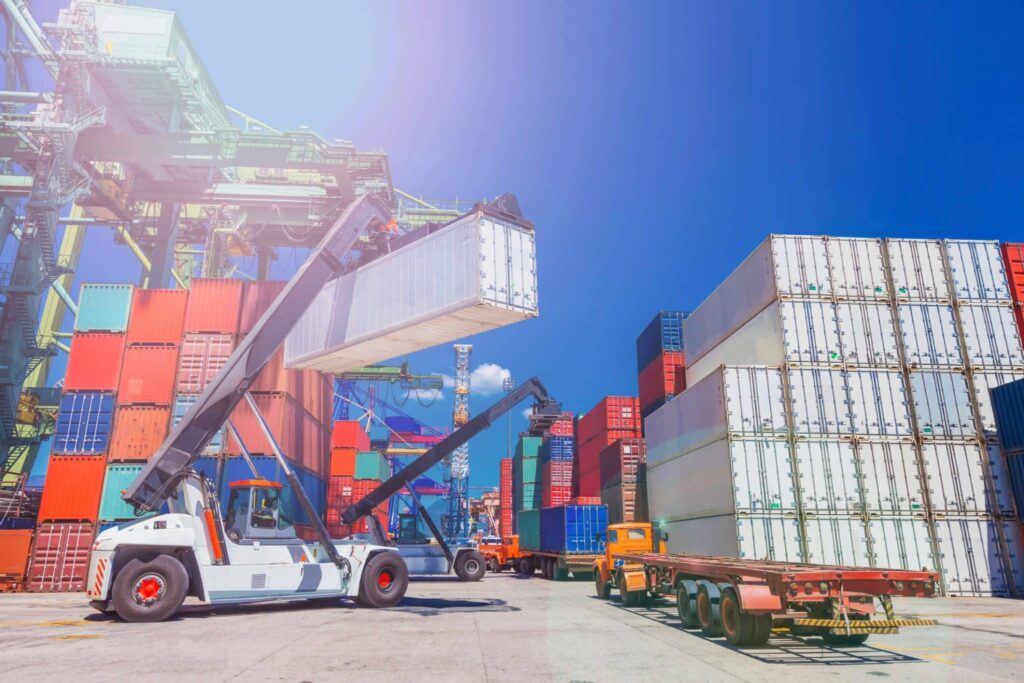
Inaccurate classification can lead to severe delays at U.S. terminals or Philippine ports such as Manila, Cebu, or Subic Bay.
How Does Hazard Classification Work for Dangerous Goods?
Classification is the first and most important part of DG shipping. Because every hazardous substance must follow international guidelines, exporters should review both U.S. export regulations and Philippine import controls.
UN Hazard Class Table
| Hazard Class | Description | Examples |
|---|---|---|
| Class 2 | Gases | Aerosols, refrigerant gas |
| Class 3 | Flammable liquids | Paint, adhesives |
| Class 4 | Flammable solids | Matches, metal powders |
| Class 5 | Oxidizers | Bleaching agents |
| Class 6 | Toxic substances | Certain chemicals |
| Class 8 | Corrosives | Cleaning liquids |
| Class 9 | Misc. | Lithium batteries |
Moreover, each class requires specific packing instructions and hazard communication.
What Documentation Is Required for US-to-Philippines DG Export?
Documentation accuracy is essential for export clearance, carrier acceptance, and import compliance with Philippine authorities.
Primary DG documents include:
- Dangerous Goods Declaration (DGD)
- Material Safety Data Sheet (MSDS)
- Commercial invoice
- Packing list
- UN packaging certificate
- Shipper’s Letter of Instruction
- IMDG/IATA compliance forms
- Temperature control instructions (if needed)
Because carriers reject incomplete paperwork, exporters must verify DG forms before cargo handover.
How Do DG Packing Requirements Work?
Proper packaging ensures safe handling and secure sea or air transit. Although many exporters attempt to pack DG cargo themselves, professional packing significantly reduces risk.
DG packing services include:
- UN-certified boxes
- Metal drums and sealed containers
- Anti-leak sealing
- Shock-absorbent internal protection
- Pressure-tested packaging
- Hazard labels and markings
- Overpack preparation
Additionally, some DG items require inner and outer packaging per UN specifications.
What Are the Shipping Options for Hazardous Goods?
Exporters choose shipping modes according to the volume, urgency, and hazard category.
Comparison Table
| Method | Transit Time | Cost | Suitable For | Notes |
|---|---|---|---|---|
| Air Freight | 3–6 days | High | Urgent small DG items | Strict IATA rules |
| LCL Ocean | 22–35 days | Medium | 1–8 CBM cargo | Requires DG segregation |
| FCL Ocean | 18–30 days | Best for volume | 10+ CBM shipments | Easier approval |
Furthermore, air carriers accept fewer DG categories compared to ocean vessels.
How Does the US-to-Philippines DG Export Workflow Operate?
A well-organized workflow significantly improves speed and safety.
Standard DG export workflow:
- MSDS examination
- Hazard class and UN number verification
- Packing method approval
- DG paperwork creation
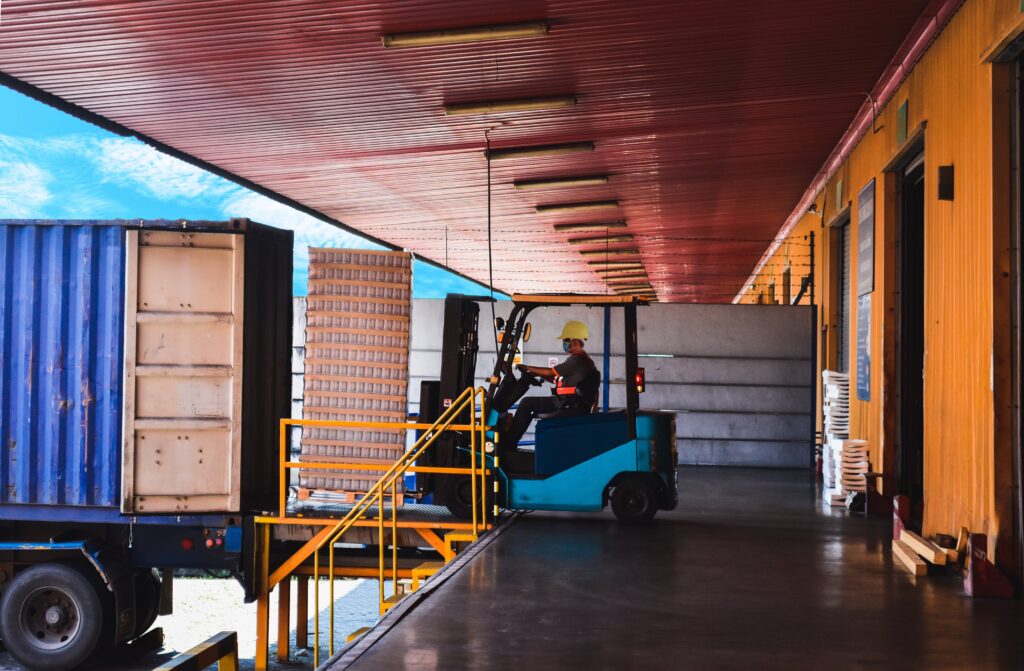
- Container loading with proper segregation
- DGD submission to carrier
- Export clearance from U.S. terminal
- Carrier booking confirmation
- Ocean or air transit
- Arrival handling at Philippine port
Because each step directly affects safety, exporters must work with certified DG experts.
Which Industries Commonly Export Hazardous Goods to the Philippines?
The Philippines imports a wide range of chemical, industrial, and consumer products that fall under DG classification.
Major industries include:
- Automotive & lubricant suppliers
- Industrial chemical manufacturers
- Cosmetics companies
- Electronics & battery distributors
- Medical laboratories
- Cleaning chemical producers
- Construction & industrial equipment firms
Additionally, e-commerce sellers increasingly ship DG items like perfumes, sprays, and batteries.
Real Case Study
- Cargo Type: Lithium battery packs
- Volume: 4.5 CBM
- Hazard Class: Class 9
- Issue: Incorrect MSDS from supplier
- Solution: Velotactlcs Logistics corrected documentation & repacked cargo
- Outcome: Shipment accepted for air freight without delay
- Cargo Type: Oxidizing chemicals
- Volume: 1×20GP
- Hazard Class: Class 5
- Problem: Carrier refused due to improper labeling
- Solution: Full re-label + new UN drums
- Outcome: Cleared U.S. terminal and arrived safely in 27 days
- Cargo Type: Aerosol sprays
- Volume: 2.7 CBM
- Hazard Class: Class 2
- Challenge: Packaging not pressure-tested
- Solution: DG-certified packaging and carton overpack
- Outcome: Smooth DG approval & reduced leakage risk
What Are the Cost Factors for Dangerous Goods Export?
DG shipping requires additional compliance fees compared to standard cargo.
Cost Structure Table
| Cost Item | Explanation |
|---|---|
| DG Handling Fee | Carrier acceptance & safety checks |
| DG Documentation | DGD + compliance processing |
| UN Packaging | Certified DG packing materials |
| Labeling | Hazard labels & stickers |
| Segregation Fee | For mixed DG classes |
| Ocean/Air Freight | Based on route & hazard level |
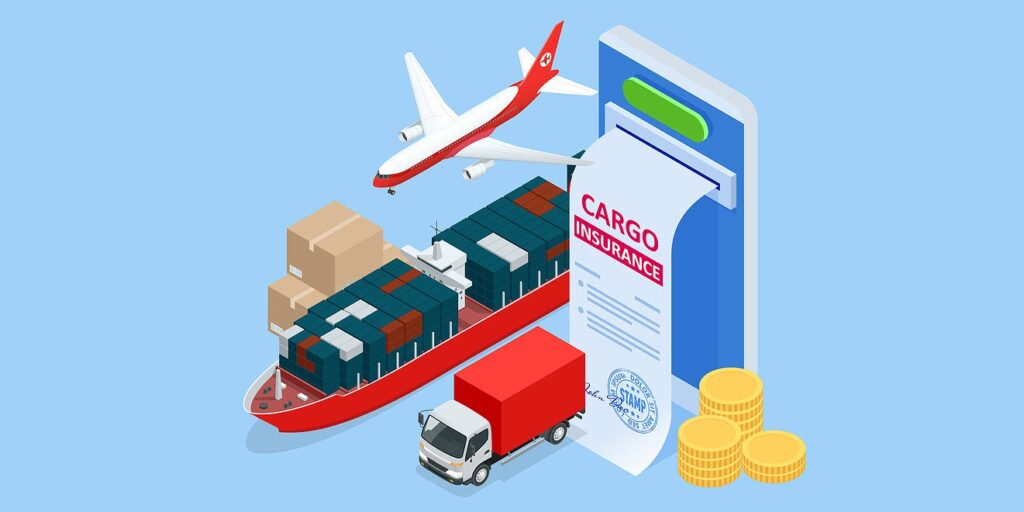
| Insurance | Recommended for all DG items |
Although DG-specific costs apply, proper handling reduces risk and delays.
How Velotactlcs Logistics Ensures Safe Hazardous Goods Export
Velotactlcs Logistics provides professional us export hazardous goods philippines solutions covering documentation, DG packing, MSDS verification, and safe loading.
Our DG service advantages:
- Certified DG specialists
- Full MSDS & UN classification review
- UN-compliant packing & labeling
- Accurate DGD preparation
- Safe container segregation
- Carrier DG submission management
- Real-time shipment updates
- Support across all U.S. origins
Furthermore, our end-to-end control reduces delays and ensures secure cargo movement.
Conclusion
Choosing a reliable partner for us export hazardous goods philippines ensures safe handling, accurate paperwork, and full compliance with international regulations. Because hazardous cargo involves significant risk, exporters benefit from structured packing, hazard-class verification, and coordinated export processes. With professional support, businesses avoid delays, reduce risk, and maintain stable supply chains when shipping DG items to the Philippines.
Need a quote?
Ready to get started? Contact us now to request a free shipping quote.
Frequently Asked Questions (FAQ)
Some classes require special approval, but most DG items can be exported with proper documentation.
Many DG items require UN-approved packaging to meet export and carrier standards.
Only specific DG classes are accepted, and strict IATA rules apply.
Only if hazard classes are compatible under IMDG segregation rules.
Insurance is strongly recommended due to higher cargo risk.