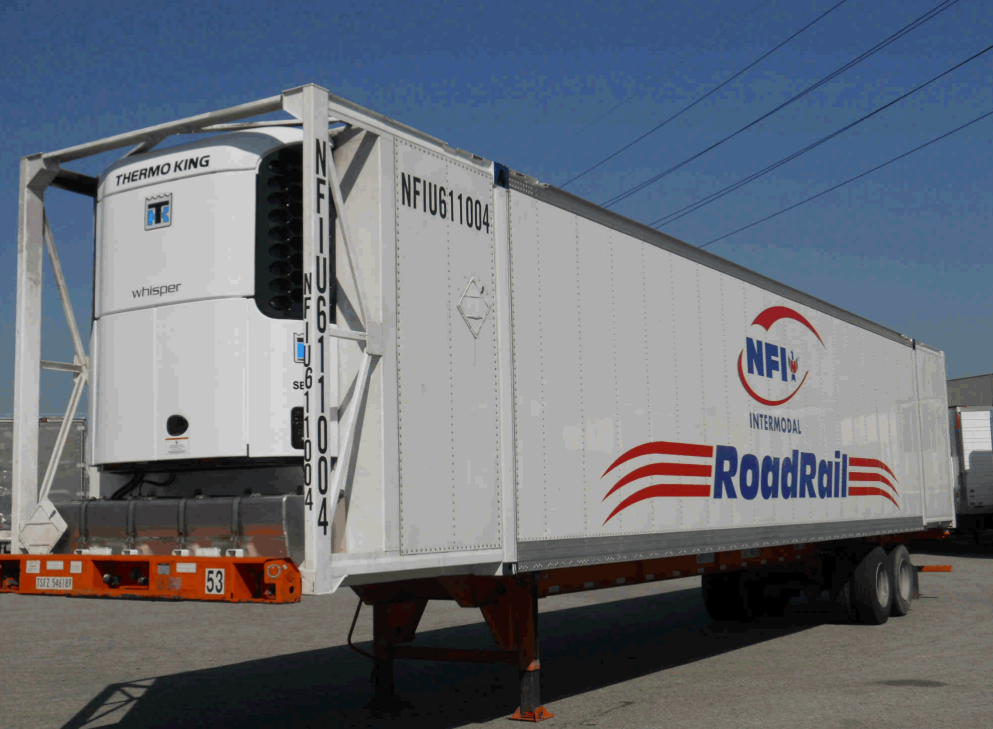
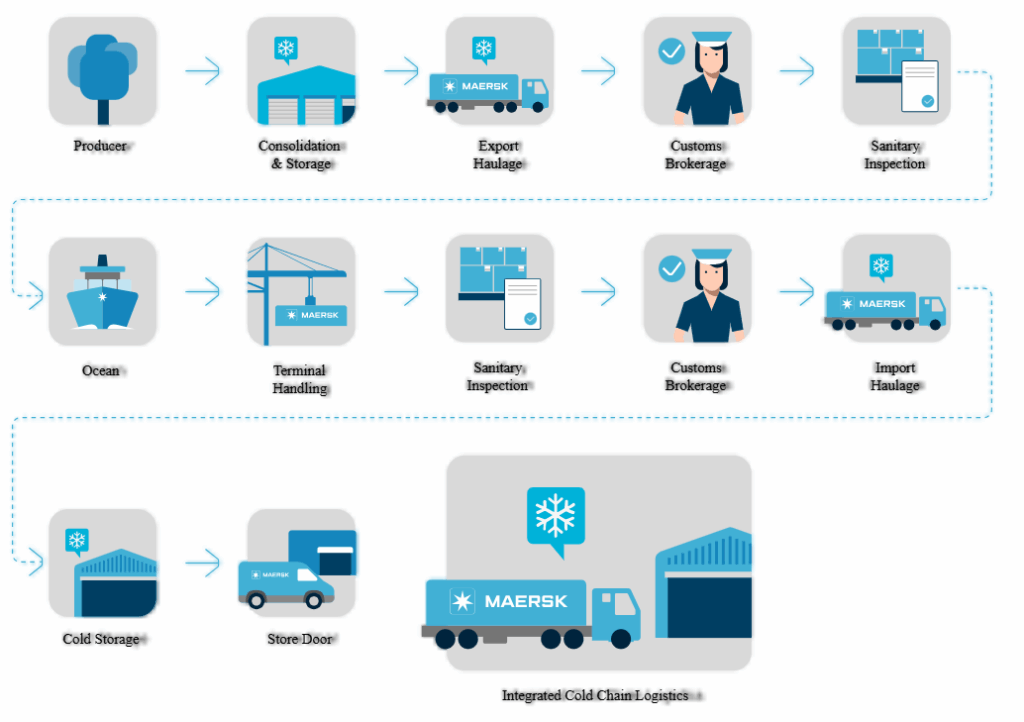
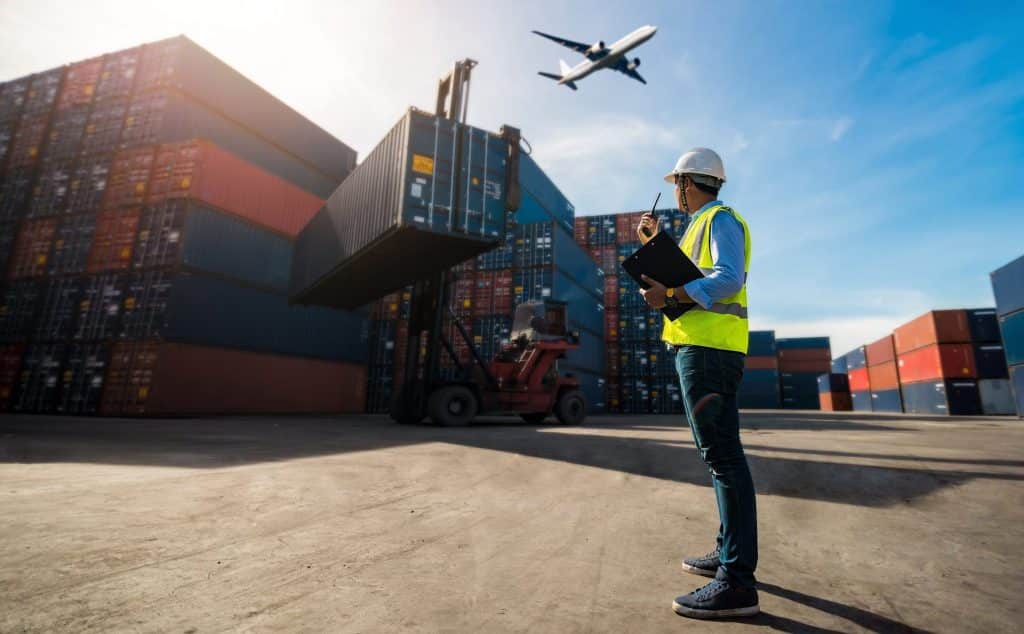
us drayage refrigerated cargo from philippines

US exporters handling temperature-sensitive goods increasingly depend on US drayage refrigerated cargo from Philippines to maintain product integrity from pickup to port handover. Because cold-chain cargo demands strict timing, accurate temperature logging, and reliable drayage performance, shippers require a highly coordinated domestic transport structure that avoids delays, temperature deviations, and storage fees. This article explains how to control costs, stabilize delivery schedules, and build a safer cold-chain export route.

What Makes US Drayage Refrigerated Cargo From Philippines So Important?

Refrigerated shipments moving from the Philippines to the US require precise temperature management and consistent visibility. Moreover, cold-chain breakdowns often cause spoilage, commercial disputes, and rejected shipments. Therefore, exporters must strengthen drayage performance before cargo even reaches the port. A reliable US drayage refrigerated cargo solution reduces risk, prevents temperature deviations, and stabilizes cold-chain handling.

How Should Shippers Plan a Reliable Cold-Chain Drayage Schedule?

Planning begins with aligning pickup time, container availability, and terminal cut-off requirements. Additionally, exporters must ensure that trucks arrive when reefer gensets are sufficiently charged. A structured schedule prevents unpredictable truck wait times and protects product quality.

us drayage refrigerated cargo from philippines

What Key Challenges Affect US Drayage Refrigerated Cargo From Philippines?

Several common bottlenecks affect refrigerated cargo:

• Terminal congestion delaying reefer drop-off
• Late genset swaps causing temperature fluctuations
• Documentation mismatches at gate-in
• Inconsistent truck dispatching
• Lack of real-time cold-chain tracking

These issues disrupt timing. However, they can be prevented through better planning and professional drayage management.

Why Does Cold-Chain Visibility Matter for US Exporters?

Visibility offers exporters confidence that temperature settings remain stable from origin pickup to terminal gate-in. Furthermore, real-time temperature alerts allow immediate corrective action across the supply chain. Therefore, a strong US drayage refrigerated cargo strategy relies heavily on monitoring technology and scheduled check-ins.

How Can Shippers Reduce Costs in Refrigerated Drayage Operations?

Cost reduction requires improving timing accuracy. Missed appointments cause re-delivery fees, reefer plug-in charges, and extended genset rentals. Additionally, optimized trucking routes minimize idle time, while consolidated dispatch schedules reduce per-load drayage cost.

Cost Comparison Table: Reefer vs Dry Drayage

Type of DrayageAvg Cost (USD)Temperature ControlTiming SensitivityFailure Risk
Refrigerated Drayage750–1,200RequiredVery HighHigh
Dry Drayage400–650Not RequiredMediumLow

What Documents Are Required for US Drayage Refrigerated Cargo From Philippines?

Accurate documentation ensures faster gate-in approval.

Essential Cold-Chain Export Documents

Document TypePurpose
Bill of LadingShipment ownership & routing
Packing ListCargo content details
Commercial InvoiceCustoms value declaration
Temperature Log SheetProof of stable cold-chain handling
Pre-cooling CertificateCondition of reefer cargo
Export PermitRequired by the Philippines for restricted items
us drayage refrigerated cargo from philippines

How Does a Drayage Partner Maintain Temperature Integrity?

Professional providers maintain cold-chain quality by:

• Using gensets with monitored fuel levels
• Pre-trip inspections of reefer containers
• Continuous temperature logging
• Fast lane gate-in scheduling
• Minimizing truck idle time
• Immediate response to temperature alerts

At Velotactlcs Logistics, we integrate all these elements within our refrigerated drayage operations to ensure product safety.

What Are the Best Practices for Coordinating US Drayage Refrigerated Cargo?

Best practices include:

• Assigning dedicated reefer-trained drivers
• Using optimized route planning systems
• Ensuring early drayage booking
• Aligning container loading times with vessel cut-offs
• Sharing real-time delivery updates
• Keeping backup gensets during peak season

Additionally, exporters should schedule drayage at least 24–48 hours before cut-off to guarantee buffer time.

Real Case Examples

Should You Outsource Drayage Refrigerated Cargo Management?

Outsourcing allows shippers to handle temperature logistics through a specialized provider. Consequently, exporters reduce operational risk and gain access to reefer-specific expertise. Velotactlcs Logistics offers trained reefer drivers, 24/7 temperature reporting, and synchronized pickup schedules tailored for Philippine exporters.

us drayage refrigerated cargo from philippines

What Is the Most Efficient Way to Control Timing for Cold-Chain Cargo?

The best approach involves:

• Pre-booking drayage
• Sharing loading windows early
• Using technology to track timing
• Maintaining direct contact between shipper, port, and trucking team
• Monitoring all gate-in delays and adjusting routes accordingly

With the right strategy, exporters avoid detention, demurrage, and spoilage risk.

Therefore, How Can Exporters Build a More Reliable Cold-Chain Drayage Process?

By combining pre-trip inspections, stable scheduling, continuous tracking, and expert reefer handling, exporters ensure product stability. Moreover, strong communication between truckers, terminals, and the shipping line makes the entire export cycle smoother and more predictable.

Conclusion

Ultimately, managing US drayage refrigerated cargo from Philippines requires precise timing, stable temperature control, and coordinated communication among truckers, terminals, and exporters. When shippers combine structured delivery scheduling, accurate documentation, and continuous cold-chain monitoring, they significantly reduce the risk of spoilage, costly delays, and rejected shipments. Moreover, choosing a knowledgeable partner enhances visibility and strengthens overall cargo integrity. With the right planning and professional support, exporters can confidently move temperature-sensitive goods from the Philippines to US ports while protecting product quality and controlling logistics costs.

Need a quote?

Ready to get started? Contact us now to request a free shipping quote.

Frequently Asked Questions (FAQ)

Most reefer drayage supports -25°C to +25°C, covering frozen, chilled, and fresh cargo types.

Booking 48 hours ahead helps secure trucks, gensets, and scheduling that match terminal cut-offs.

Yes, temperature logs provide proof of cold-chain integrity and help avoid disputes during export inspections.

Most providers offer digital temperature monitoring, sending alerts when deviations occur.

Late documentation, fuel shortages in gensets, port congestion, or misaligned loading windows.