
US drayage port congestion update for Asia trade has become increasingly important as cargo flows from major Asian origins continue to face unpredictable delays across key U.S. gateways. Because congestion affects drayage scheduling, vessel cut-offs, and inland delivery planning, Asia exporters need real-time updates to adjust routing strategies and protect transit times. With accurate congestion insights, supply chain teams can reduce disruption and maintain reliable cargo flow.

What Is Driving the Latest US Drayage Port Congestion for Asia Trade?
Congestion continues to arise from a combination of terminal backlogs, chassis shortages, and labor constraints. Additionally, peak Asia–US shipping surges—especially from China, Vietnam, Thailand, Malaysia, Indonesia, and Singapore—intensify pressure on ports such as Los Angeles/Long Beach, Seattle/Tacoma, Savannah, and NY/NJ. Therefore, Asia exporters must closely monitor real-time drayage performance to prevent operational disruptions.
How Are Asia–US Import Volumes Contributing to Drayage Delays?
Although Asia trade remains strong, import surges often exceed available inland trucking capacity. Consequently, longer queues at terminals lead to slow container retrievals, restricted gate hours, and a shortage of chassis equipment. Because Asia-origin cargo typically arrives in waves—driven by production cycles—these arrival spikes worsen terminal congestion, especially during pre-holiday and e-commerce peak seasons.
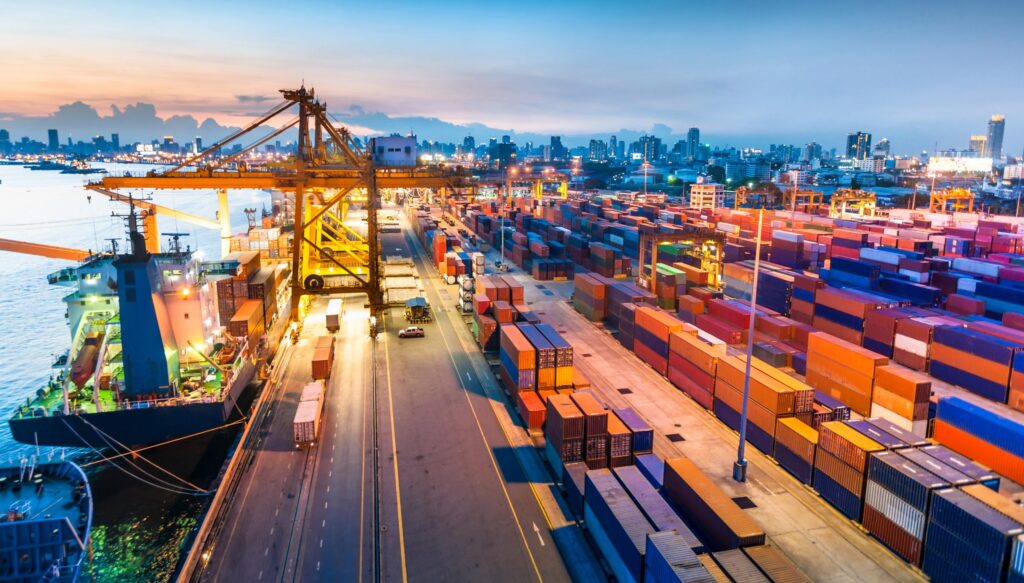
Which US Ports Are Currently Facing the Most Congestion?
Below is a simplified congestion snapshot for major US gateways tied to Asia trade:
Current Drayage Congestion Overview
| Port / Region | Congestion Level | Key Drivers |
|---|---|---|
| Los Angeles / Long Beach | High | Peak imports, chassis imbalance, yard density |
| New York / New Jersey | Medium | Berth delays, truck appointment limits |
| Seattle / Tacoma | High | Labor constraints, equipment shortages |
| Savannah | Medium–High | Vessel bunching, warehouse overflow |
| Houston | Medium | Weather disruptions, inland demand |
Because congestion conditions change weekly, exporters should consult updated port advisories and drayage provider insights.
How Does Port Congestion Affect Asia Exporters' Transit Times?
Firstly, congestion disrupts the first-mile inland movement. Even if vessels arrive on time, trucks may wait hours to retrieve containers. Moreover, yard restrictions and limited drayage appointment windows increase overall processing times. As a result, Asia exporters face:
- Longer container dwell times
- Higher drayage rates
- Missed cut-off deadlines
- Increased demurrage and detention fees
- Slower repositioning of empty containers
Additionally, congestion reduces planning accuracy, making supply chain managers adjust freight schedules more frequently.
Why Is Drayage Capacity Tight for Asia-Origin Containers?
Various factors contribute to tight capacity:
- Increased import surges
- Seasonal volume spikes
- Inland truck shortages
- Chassis misallocation
- Port labor constraints
- Limited warehouse receiving capacity
Although ports attempt to expand operational hours, drayage providers still struggle with equipment circulation, especially when containers stay trapped inside congested yards for extended periods.
What Steps Can Asia Exporters Take to Reduce Congestion Risk?
Exporters can mitigate delays by adopting smart routing and planning techniques:
- Book earlier appointments
- Share container details with drayage carriers in advance
- Avoid peak-day pickups
- Split deliveries across multiple receiving locations
- Use alternative ports when possible
- Diversify drayage partners
- Utilize real-time congestion dashboards
Moreover, working with experienced operators like Velotactics Logistics enhances supply chain predictability during congestion peaks.
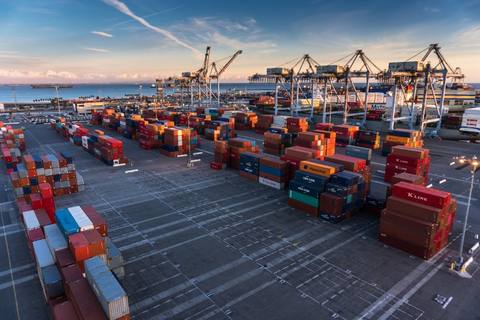
How Do Alternative US Ports Help Asia Traders Bypass Delays?
Asia exporters increasingly route cargo through alternative gateways to avoid heavily congested hubs. Ports such as Oakland, Virginia, Charleston, and Baltimore offer additional capacity with fewer yard backlogs. Consequently, shippers gain faster container release times and better chassis availability. Although routing may differ slightly from traditional ports, the benefits often outweigh longer inland distances.
What Operational Adjustments Improve Cargo Flow During Congestion?
Drayage carriers commonly implement several techniques:
- Night pickups
- Off-peak drayage scheduling
- Chassis pooling
- Multi-stop roundtrips
- Pre-pull operations
- Early empty returns
By using these adjustments, carriers minimize delays and prevent dock waiting charges, ensuring smoother container rotation.
Case Studies: Real Asia–US Drayage Congestion Impact (Markdown * Format)
- Origin–Destination: Shenzhen → Los Angeles → Inland Empire
- Cargo: Consumer electronics (40HQ)
- Mode: Port drayage
- Cost: USD 3,950
- Transit Time: 29 days
- Outcome:
Congestion increased container dwell to four days. Velotactics Logistics secured a night-time appointment and arranged a pre-pull, avoiding USD 260 in late pickup fees.
- Origin–Destination: Ho Chi Minh City → NY/NJ → Pennsylvania
- Cargo: Fashion apparel (20GP)
- Mode: Standard drayage
- Cost: USD 3,150
- Transit Time: 33 days
- Outcome:
Port truck reservations were fully booked during peak hours. By switching to weekend drayage, the shipment cleared two days earlier than estimated.
- Origin–Destination: Singapore → Savannah → Atlanta
- Cargo: Industrial machinery (40HQ)
- Mode: Port drayage + reroute
- Cost: USD 4,800
- Transit Time: 27 days
- Outcome:
Original plan via Charleston faced vessel bunching. Rerouting through Savannah reduced inland waiting time by 48 hours and avoided congestion surcharges.
What Role Does Technology Play in Managing Drayage Delays?
Digital tools provide real-time visibility into yard traffic, appointment slots, vessel arrival accuracy, and chassis availability. Consequently, Asia exporters using platforms integrated with Velotactics Logistics receive:
- Live terminal congestion alerts
- Automated appointment scheduling
- GPS-enabled drayage visibility
- Exception notifications
- Predictive transit forecasting
Additionally, real-time reporting allows supply chain teams to adjust schedules proactively rather than reactively.
How Can Velotactics Logistics Support Asia Exporters?
Velotactics Logistics combines data-driven insights with daily port status updates to help mitigate congestion challenges. Exporters benefit from:
- Priority drayage appointment booking
- Proactive dwell time monitoring
- Multi-port routing strategies
- Chassis pool access
- Dedicated congestion management teams
Consequently, Asia exporters maintain better shipping stability even during seasonal US port disruptions.
Conclusion
US drayage port congestion update for Asia trade remains a critical topic as supply chain cycles continue shifting. However, exporters can reduce risk by monitoring congestion trends, adjusting routing strategies, and working with experienced drayage providers. With strategic planning and timely response, Asia shippers can maintain efficient cargo flow across busy US gateways. Using updated congestion insights allows companies to protect schedules, avoid unnecessary costs, and improve overall logistics performance.
Need a quote?
Ready to get started? Contact us now to request a free shipping quote.
Frequently Asked Questions (FAQ)
Conditions shift weekly due to vessel arrivals, labor availability, and chassis cycles.
Yes. Secondary gateways often provide faster release times during peak congestion.
Not always. Inbound imports face higher delays, while outbound loads depend on vessel space.
Use terminal dashboards, carrier alerts, and drayage partner updates.
Yes. Chassis shortages significantly slow container retrieval and returns.