
Table of Contents
Returning containers after shipment can be surprisingly complex. From depot assignments to carrier instructions, each rule matters. For exporters and importers managing US drayage empty return rules for Malaysia containers, noncompliance can lead to costly delays. At VELOTACTICS LOGISTICS, we make these returns faster, penalty-free, and fully compliant with carrier regulations.
What Do US Drayage Empty Return Rules for Malaysia Containers Involve?
Empty return rules define where, when, and how an empty shipping container must be returned after unloading or export delivery. These rules are crucial for keeping carrier operations efficient and avoiding penalties.
Key components include:
- Depot location designated by carrier or terminal
- Return appointment booking via port system
- Free time window (usually 3–5 days)
- Chassis pool match (same pool as pickup)
- Digital documentation such as gate receipts
👉 Need help streamlining your container return process? Send Inquiry
Why Do Empty Return Rules Matter?
Failure to follow return rules can disrupt entire supply chains. Common outcomes include:
- Detention fees of $150–300 per day
- Blocked access to port depots
- Missed sailings or booking cancellations
- Added trucking and chassis costs
Following strict US drayage regulations ensures smoother export rotations, particularly for Malaysia-bound shipments.
Empty Return Timing by Major US Ports
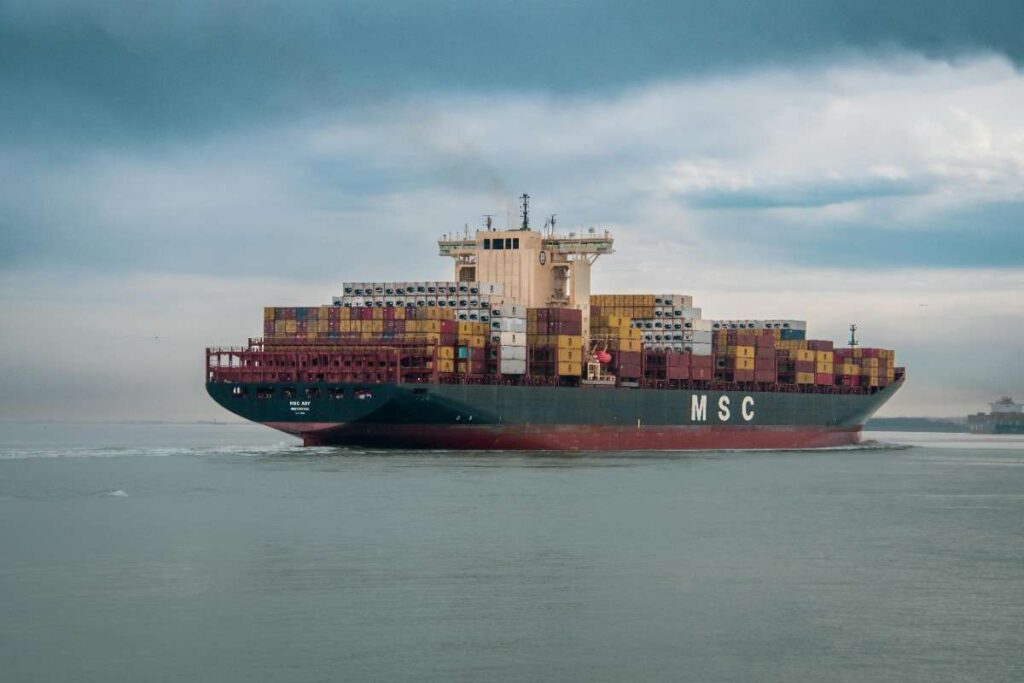
| Port | Free Time | Appointment Required | Common Carriers |
|---|---|---|---|
| Los Angeles / Long Beach | 3 days | Yes | COSCO, ONE, Maersk |
| Houston | 5 days | Yes | CMA CGM, Hapag-Lloyd |
| New York / NJ | 4–5 days | Partial | Evergreen, MSC |
| Seattle / Tacoma | 4 days | Yes | HMM, Maersk |
VELOTACTICS monitors all port-specific return schedules daily to prevent detention charges.
How VELOTACTICS LOGISTICS Simplifies Empty Container Returns
Our drayage and dispatch team uses digital scheduling and carrier coordination to ensure every empty return happens on time.
We handle:
- Real-time carrier updates for depot changes.
- Appointment booking in advance for secure slots.
- Driver routing to minimize idle time.
- Proof of return documentation to carriers.
- Alerts before cutoff deadlines.
See full details on our Service page.
👉 Protect your shipments from late return penalties → Send Inquiry
Common Problems with Empty Container Returns
| Issue | Cause | Effect | VELOTACTICS Solution |
|---|---|---|---|
| Depot closure | Weekend / maintenance | Delays | Alternate depot scheduling |
| No appointment slot | Overbooked terminals | Waiting fees | Early scheduling alerts |
| Wrong depot | Carrier change | Misrouted container | Real-time confirmation |
| Chassis mismatch | Different pool | Extra rental fees | Pool verification |
Our system prevents errors before they cost you money.
Case Example: Solving a Los Angeles–Malaysia Return Delay
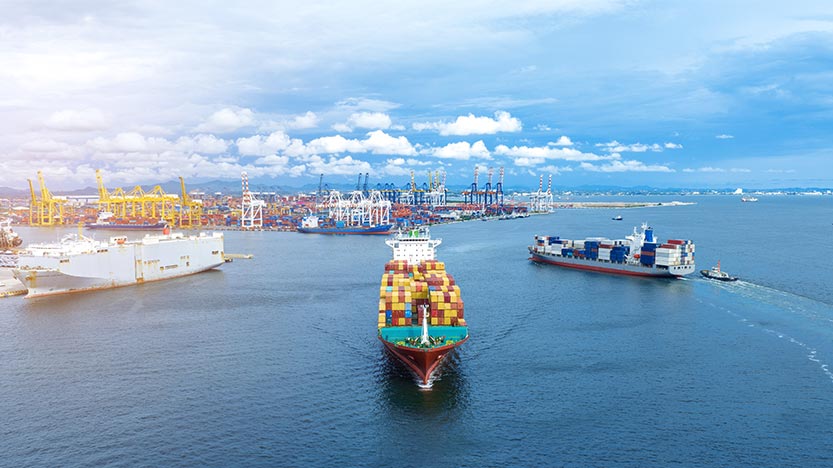
A California furniture exporter missed depot appointments twice due to sudden carrier updates. VELOTACTICS implemented automated notifications through its digital system.
Result:
- 0 missed deadlines in 90 days
- $2,100 detention savings
- 35% faster return turnaround
Cost Breakdown of Drayage and Empty Return
| Cost Element | Typical Range (USD) | Variable Factor |
|---|---|---|
| Drayage Base Fee | $150–250 | Distance |
| Chassis Rental | $25–40/day | Usage duration |
| Waiting Fee | $80–120/hour | Congestion |
| Appointment Surcharge | $15–25 | Port schedule |
| Detention Fee | $150–300/day | Late return |
By optimizing timing and coordination, VELOTACTICS cuts avoidable charges significantly.
US Drayage Trends Affecting Malaysia Container Returns
- Tight chassis supply in LA and Houston creates return delays.
- Appointment congestion during peak season extends wait times.
- Digital-only depot systems require early pre-clearance.
- Environmental restrictions affect truck routes and timings.
Staying ahead of these challenges helps Malaysia exporters maintain reliability and avoid container shortages.
👉 Stay compliant with changing drayage policies → Send Inquiry
Regional Insight: Malaysia’s Container Policy
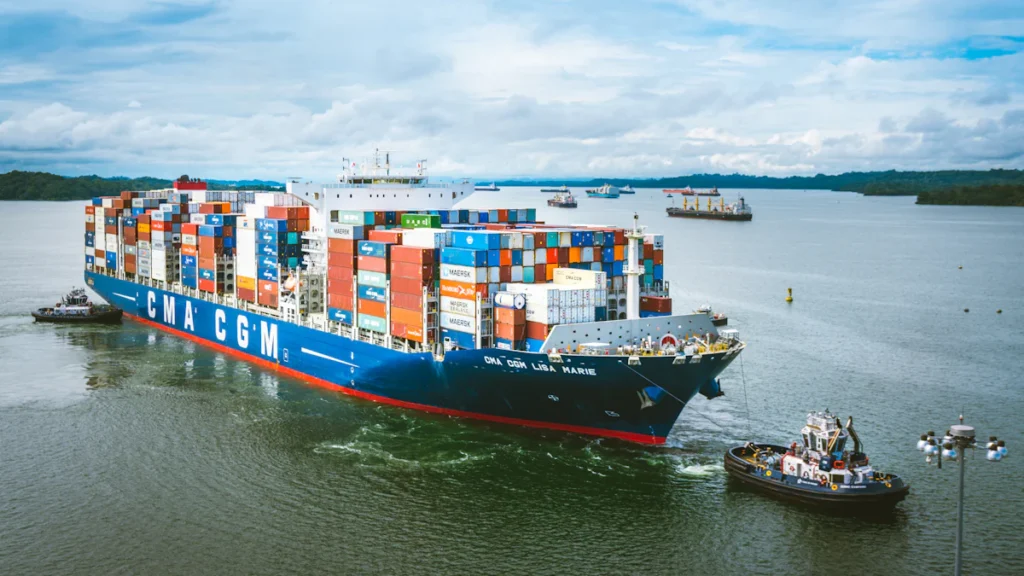
Malaysia’s major ports—Port Klang and Tanjung Pelepas—require all US exporters to return empty containers on schedule to support vessel rotations. The coordination between US terminals and Malaysia receiving depots ensures equipment balance across trade lanes.
VELOTACTICS’ cross-border network integrates both sides to maintain synchronization between US depots and Malaysian consignees.
Why Choose VELOTACTICS for Drayage & Return Logistics
- Direct access to over 60 US terminals.
- Dedicated drayage dispatch team with 24/7 support.
- Automated compliance reminders before every cutoff.
- Proven record of reducing detention fees by 40%+.
See our Service network for multi-port coverage.

Conclusion:
Understanding US drayage empty return rules for Malaysia containers is key to reducing costs and keeping export operations on schedule. VELOTACTICS LOGISTICS simplifies the process with automated coordination, carrier communication, and timely depot management—so every container returns on time, every time.
Get a Quote
Need a trusted partner for efficient empty returns? VELOTACTICS offers fast quotes, priority scheduling, and exclusive savings for Malaysia trade lanes.
Get your quote within 24 hours—space is limited, so act now!
FAQ
They define when and where empty containers must be returned to depots after delivery.
Typically 3–5 days depending on carrier policy.
You may face detention penalties of $150–300 per container per day.
Yes, our dispatch system books and manages all depot appointments.
No, Malaysia-bound containers often have stricter port coordination.
Use automated scheduling, confirm depot codes early, and work with experienced drayage partners.