
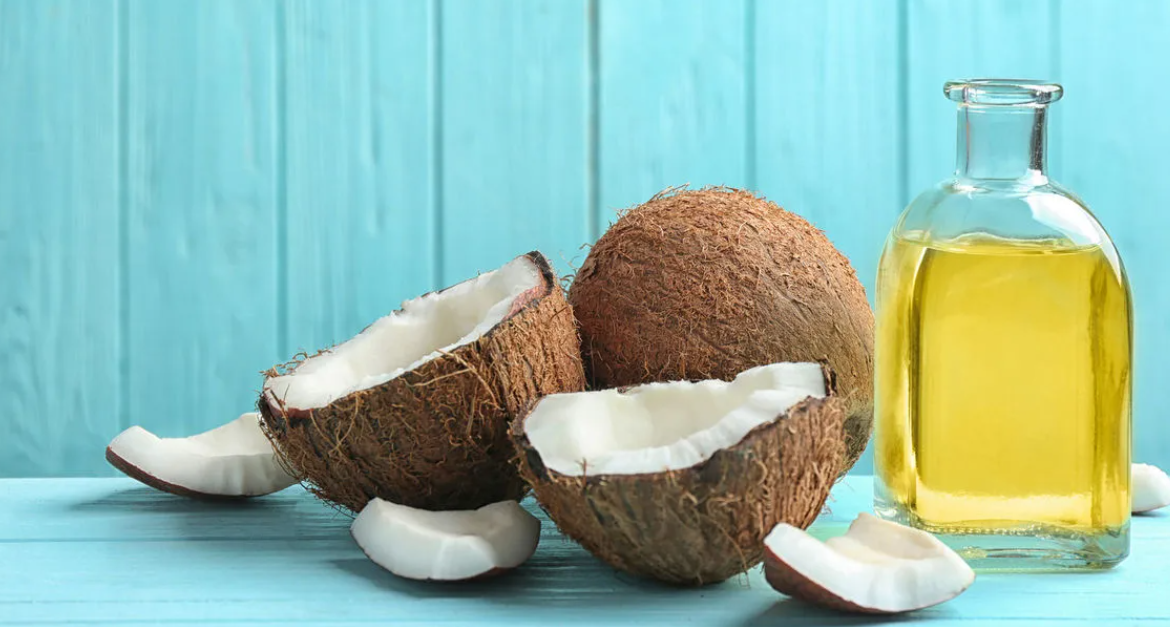
US import coconut oil from Philippines continues to expand as American food processors, cosmetics manufacturers, and health-product brands rely on the Philippines—the global leader in premium virgin and refined coconut oil. However, despite the country’s strong production base, importers still face challenges such as FDA documentation compliance, tariff classification, inconsistent packing standards, and unpredictable transit schedules. With the right logistics strategy and professional support, companies gain smoother operations, predictable delivery times, and far better control over every shipment.

What Makes the Philippines a Key Supplier of Coconut Oil to the US?
The Philippines dominates global coconut oil production, with well-developed processing hubs in Davao, Quezon, Laguna, Leyte, and Northern Mindanao. Additionally, the country has established supply chains for:
- Virgin coconut oil (VCO)
- Refined, bleached & deodorized (RBD) oil
- Cold-pressed cosmetic-grade oil
- Food-grade organic coconut oil
- Industrial and pharmaceutical coconut derivatives
Furthermore, Philippine coconut oil production follows stringent export standards, which benefits US buyers seeking consistent quality and documentation clarity. The country also has reliable port infrastructure—Manila, Cebu, Davao, Subic, and Cagayan de Oro—enabling stable outbound schedules for bulk and containerized shipments.
Long-tail keywords integrated here: Philippines coconut oil supply chain, US sourcing of virgin coconut oil, food-grade coconut oil imports, organic coconut oil export routes.
Why Do US Importers Need Better Control Over Coconut Oil Shipments?
Coconut oil is a regulated commodity involving FDA oversight, country-of-origin rules, food-safety standards (HACCP, GMP), and strict labeling requirements. Additionally, because coconut oil is temperature-sensitive and sometimes shipped in drums or IBC totes, importers must ensure proper handling and packaging integrity.
Common challenges include:
- Incorrect FDA Prior Notice filing
- Inconsistent COA (Certificate of Analysis) details
- HTS classification discrepancies
- Moisture content or FFA (free fatty acid) specification mismatch
- Leakage or contamination issues
- Transit delays during peak export seasons
Because coconut oil suppliers vary in maturity, US importers benefit from using a logistics partner to verify documentation and stabilize routing.

Which Documents Are Required for US Import Coconut Oil From Philippines?
Below is a helpful documentation checklist to ensure compliance before export.
Coconut Oil Import Documentation Table
| Document | Purpose | Key Requirements |
|---|---|---|
| Commercial Invoice | Declares value & product type | Must specify grade (VCO/RBD), batch no., % purity |
| Packing List | Confirms packaging & volume | Drums, IBC totes, flexitanks must match invoice |
| Bill of Lading / AWB | Proof of shipment | Consignee details must align with FDA registration |
| FDA Prior Notice | Ensures food-import compliance | Must be filed before arrival |
| COA (Certificate of Analysis) | Confirms quality specs | Moisture, FFA, peroxide value, microbial results |
| Country of Origin | Confirms Philippine origin | Needed for duty assessment |
| Organic Certificate (if applicable) | Verifies organic production | USDA-equivalent certification required |
Additionally, importers must ensure supplier documentation uses standardized units (kg, MT, liters) to avoid customs conversion issues.
How Do Shipping Methods Compare for Coconut Oil From the Philippines?
Because coconut oil can ship in flexitanks, drums, totes, or retail packaging, selecting the right mode depends on order size, urgency, and temperature considerations.
Transportation Mode Comparison
| Mode | Cost | Transit Time | Best For | Pros | Cons |
|---|---|---|---|---|---|
| Ocean FCL (Flexitank or drums) | Low | 22–32 days | Large commercial orders | Most economical; bulk-friendly | Requires temperature awareness |
| Ocean LCL | Medium | 25–38 days | Small to medium volumes | Flexible; good for mixed cargo | Longer consolidation time |
| Air Freight | High | 3–7 days | Urgent cosmetic/food batches | Fastest; quality maintained | Expensive for bulk |
| ISO Tank / Specialized Freight | Medium–High | 20–30 days | Industrial use | Safe transport for large volumes | Limited supply & scheduling |
Long-tail keywords integrated: flexitank coconut oil shipping, FCL food-grade oil import, air freight coconut oil, LCL natural oil shipments.
How Does Correct HTS Classification Affect Coconut Oil Imports?
Coconut oil classification impacts duty rate, FDA oversight, and customs inspection likelihood. Therefore, importers must ensure the correct HTS codes are used.
Common HTS codes include:
- 1513.11.0000 – Crude coconut oil
- 1513.19.0000 – Refined coconut oil
- 1513.21.0000 – Virgin coconut oil
- 1513.29.0000 – Other processed forms
Correct classification helps importers:
- Avoid duty overpayment
- Reduce customs exam risk
- Maintain long-term regulatory consistency
- Improve landed-cost forecasting
Velotactics Logistics provides duty simulation and classification review to ensure accuracy.
How Can Importers Reduce Delays When Shipping Coconut Oil From the Philippines?
Delays typically arise from paperwork inconsistencies, high seasonal export volume, or port congestion in Manila and Cebu. Fortunately, these issues can be minimized with proper planning.
Effective prevention strategies include:
- Obtaining COA and batch test results before loading
- Ensuring drum labels match invoice specifications
- Filing FDA Prior Notice early
- Selecting carriers with consistent US West Coast schedules
- Using real-time tracking and milestone updates
- Avoiding peak-season congestion through early booking
Additionally, Velotactics Logistics works directly with Philippine suppliers to verify packaging integrity and ensure accurate pre-shipment documents.

How Does Velotactics Logistics Improve US Import Coconut Oil From Philippines?
Velotactics Logistics provides specialized food and natural-oil logistics solutions, enhancing reliability for US importers. Moreover, the company coordinates with Philippine manufacturers to improve quality control documentation and shipment readiness.
Key support areas include:
- FDA documentation review & Prior Notice assistance
- HTS classification verification
- Flexitank or drum handling consultation
- FCL/LCL/air freight route optimization
- Temperature-aware freight coordination
- Real-time visibility from loading to US port arrival
- Customs entry support in all major US gateways
Because coconut oil often moves in bulk quantities, Velotactics helps importers optimize transport costs and maintain stable supply during seasonal fluctuations.
Real Case Studies: Importing Coconut Oil Into the US From the Philippines
- Origin: Davao, Philippines
- Destination: Los Angeles
- Volume: 20MT (Flexitank)
- Transit Time: 26 days
- Cost: $4,600
- Result: Velotactics resolved a COO–invoice mismatch, preventing a customs hold and ensuring timely release.
- Origin: Manila
- Destination: New York (JFK)
- Volume: 1,780 kg
- Transit Time: 4 days
- Cost: $5.90/kg
- Result: Urgent replenishment for a skincare brand achieved before retail launch; zero FDA delays.
- Origin: Cebu
- Destination: Houston
- Volume: 1×40HQ (drums)
- Transit Time: 30 days
- Cost: $4,930
- Result: Velotactics corrected drum labeling inconsistencies, preventing re-inspection and saving 2–3 days.
How Does Better Control Strengthen Long-Term Coconut Oil Supply Chains?
Better control over import processes helps businesses:
- Maintain consistent inventory levels
- Reduce customs and compliance risks
- Improve forecasting accuracy
- Strengthen supplier reliability
- Lower overall landed costs
- Support scaling into new product lines (cosmetics, supplements, food)
Additionally, streamlined operations allow companies to focus on market expansion rather than managing delays.

Conclusion
US import coconut oil from Philippines becomes more efficient and reliable when businesses implement strong documentation workflows, accurate HTS classification, and optimized routing. Moreover, Velotactics Logistics enhances every stage of the process—from quality assurance and compliance to transportation and customs coordination—giving importers the control they need to operate with confidence.
Need a quote?
Ready to get started? Contact us now to request a free shipping quote.
Frequently Asked Questions (FAQ)
Virgin, refined (RBD), organic, cold-pressed, and industrial-grade oils are the most frequently shipped.
FCL averages 22–32 days, LCL takes 25–38 days, and air freight arrives within 3–7 days.
Yes, FDA Prior Notice and quality certification are essential for food-grade and cosmetic-grade oils.
Flexitanks, steel drums, plastic drums, IBC totes, and retail bottles depending on buyer specifications.
Mismatched labels, incorrect HTS codes, missing COA details, or incomplete Prior Notice filings.