
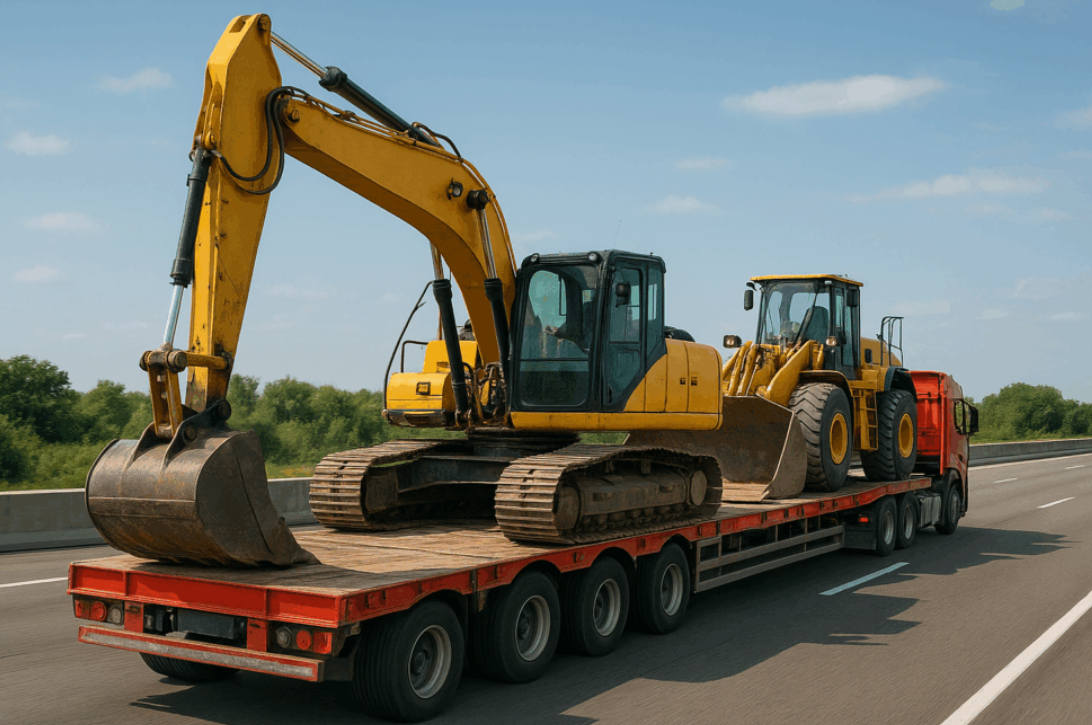
Agriculture machinery exporters across the United States often struggle with rising freight rates, inconsistent schedules, and Indonesia’s strict import documentation. However, with the right logistics planning, US export agriculture equipment to Indonesia becomes much simpler and more predictable. This article explains every step clearly, helping shippers avoid delays, reduce transportation costs, and protect high-value farm machinery in transit.

How Does the US Export Agriculture Equipment to Indonesia Work Today?
Exporting agricultural machinery—such as tractors, harvesters, irrigation systems, and spare parts—requires careful coordination. Moreover, Indonesia enforces strict regulations for heavy-duty equipment, which means exporters must follow documentation and shipping procedures accurately. Velotactics Logistics supports US exporters with route planning, packaging guidance, and customs preparation, ensuring each shipment moves smoothly from origin to final delivery.
What Shipping Methods Are Best for Agriculture Equipment Going to Indonesia?
Several transportation modes support shipments from the United States to Indonesia. Additionally, the choice depends on cargo size, urgency, and budget.
Sea Freight Options
- FCL (Full Container Load) for tractors, implements, large machinery
- Flat Rack or Open Top for oversized equipment
- Standard 20GP/40GP/40HQ for boxed parts
Air Freight Options
- Suitable for urgent spare parts, precision components, or high-value electronics inside agricultural systems.
Comparison Table: Sea vs Air Freight
| Shipping Method | Typical Cost | Transit Time | Best For | Pros | Cons |
|---|---|---|---|---|---|
| Sea Freight FCL | Low–Medium | 22–28 days | Large machines | Lower cost, stable capacity | Longer transit |
| Flat Rack/Open Top | Medium | 22–30 days | Oversized tractors & harvesters | Flexible for big cargo | Requires special handling |
| Air Freight | High | 3–7 days | Spare parts, urgent shipments | Fastest, secure | Expensive |
These options allow exporters to balance cost and urgency efficiently.
What Documents Are Required for US Export Agriculture Equipment to Indonesia?
Although requirements vary by machine type, the most common documents include:
Mandatory Export & Import Documents
- Commercial Invoice
- Packing List
- Certificate of Origin (COO)
- HS Code Declaration
- Bill of Lading / Air Waybill
- Import Approval (Indonesia)
- SNI Certification (when required)
- Insurance Certificate
Customs Documentation Checklist Table
| Document | Purpose | Required By |
|---|---|---|
| Commercial Invoice | Confirms price & details | Export & Import Customs |
| Packing List | Identifies equipment type | Export & Import |
| COO | Verifies US origin | Indonesia Customs |
| HS Code | Classifies machinery | Both sides |
| Bill of Lading | Confirms shipment | Carrier |
| Insurance | Cargo protection | Shipper |
Velotactics Logistics assists exporters by preparing complete documentation so nothing is missed, avoiding costly delays at Indonesian ports such as Jakarta (Tanjung Priok), Surabaya, and Medan.
How Much Does It Cost to Export Agriculture Equipment to Indonesia?
Pricing varies based on container type, cargo weight, and departure port. Furthermore, oversized farm machinery requires special equipment and may involve crane services, chassis rentals, or escort vehicles.
General Cost Ranges
- FCL 40HQ: $3,000–$5,200
- Flat Rack for tractors/harvesters: $4,800–$7,500
- Air freight for urgent parts: $6.50–$9.80/kg
Prices fluctuate with market demand, peak season, and fuel costs. Velotactics Logistics continuously monitors the market to help exporters book better rates and stable schedules.
How Long Does It Take to Ship Agriculture Equipment from the US to Indonesia?
Transit time depends on the port pair:
| Origin Port | Destination | Transit Time |
|---|---|---|
| Los Angeles | Jakarta | 22–28 days |
| Houston | Surabaya | 26–32 days |
| Savannah | Jakarta | 28–35 days |
Air freight significantly reduces time, typically 3–7 days.
How Should Large Agriculture Equipment Be Packed and Secured?
Proper packing is crucial because machinery often includes sharp attachments, hydraulic lines, and fragile electronics.
Best Practices
- Use wooden blocking and bracing
- Secure wheels with steel chains or straps
- Remove fuel and oil before loading
- Protect sensors and electronics
- Use corrosion-preventive films for ocean transport
Velotactics Logistics provides loading supervision to ensure machinery stays safe throughout the journey.

What Are the Main Challenges in US Export Agriculture Equipment to Indonesia?
Even experienced exporters face several challenges. However, with the right planning, these obstacles become manageable.
Common Issues
- Delays due to incorrect HS codes
- Missing import approvals (pre-shipment requirement)
- Oversized cargo requiring special terminal handling
- Port congestion in Jakarta
- Inconsistent carrier schedules
- Occasional equipment damage due to poor packing
Our team minimizes risk through route optimization and complete pre-export checks.
Real Shipping Case Studies
- Cargo: 1 × 75HP tractor
- Mode: Flat Rack FCL
- Cost: $5,900
- Transit Time: 27 days
- Result: Velotactics Logistics arranged special lashing + inland trucking, reducing handling risk by 40%.
- Cargo: Crated parts, electronics, 40HQ FCL
- Cost: $3,680
- Transit Time: 25 days
- Result: Customer avoided customs penalty thanks to complete COO + HS code validation.
- Cargo: 300 kg electronic sensors
- Mode: Air Freight
- Cost: $2,960
- Transit Time: 5 days
- Result: Avoided farm production downtime by ensuring rapid delivery.
Why Should Exporters Work With Velotactics Logistics?
Because agriculture equipment is complex, exporters benefit greatly from a logistics partner who understands machinery, size constraints, and Indonesian import rules.
Key Advantages
- Customized FCL, Flat Rack, Open Top, and air freight options
- Dedicated machinery handling team
- Accurate documentation support
- Faster route planning and reliable schedules
- Competitive pricing due to strong carrier partnerships
- End-to-end service from pickup to final delivery
With Velotactics Logistics, exporters gain a smoother shipping experience and lower operational risks.
Conclusion
Shipping heavy machinery internationally can be overwhelming. However, with proper planning and logistics support, US export agriculture equipment to Indonesia becomes far more predictable, safer, and cost-efficient. Therefore, exporters who streamline documentation, choose the right shipping mode, and optimize packing will consistently save time and money. Velotactics Logistics stands ready to assist with every step, from equipment pickup to customs clearance and final delivery.
Need a quote?
Ready to get started? Contact us now to request a free shipping quote.
Frequently Asked Questions (FAQ)
Sea freight FCL or Flat Rack works best for tractors and oversized machinery. These options offer stable capacity, lower cost, and safe handling.
Yes. Indonesia requires COO, HS codes, import approval, and a detailed invoice. Accurate documentation prevents customs delays.
Absolutely. Air freight is ideal for urgent or high-value components because it significantly reduces transit time.
Book early, use FCL, optimize packing, and compare carrier schedules. Velotactics Logistics helps secure competitive rates.
Tanjung Priok (Jakarta), Surabaya, Medan, and Balikpapan handle most agriculture machinery imports efficiently.