
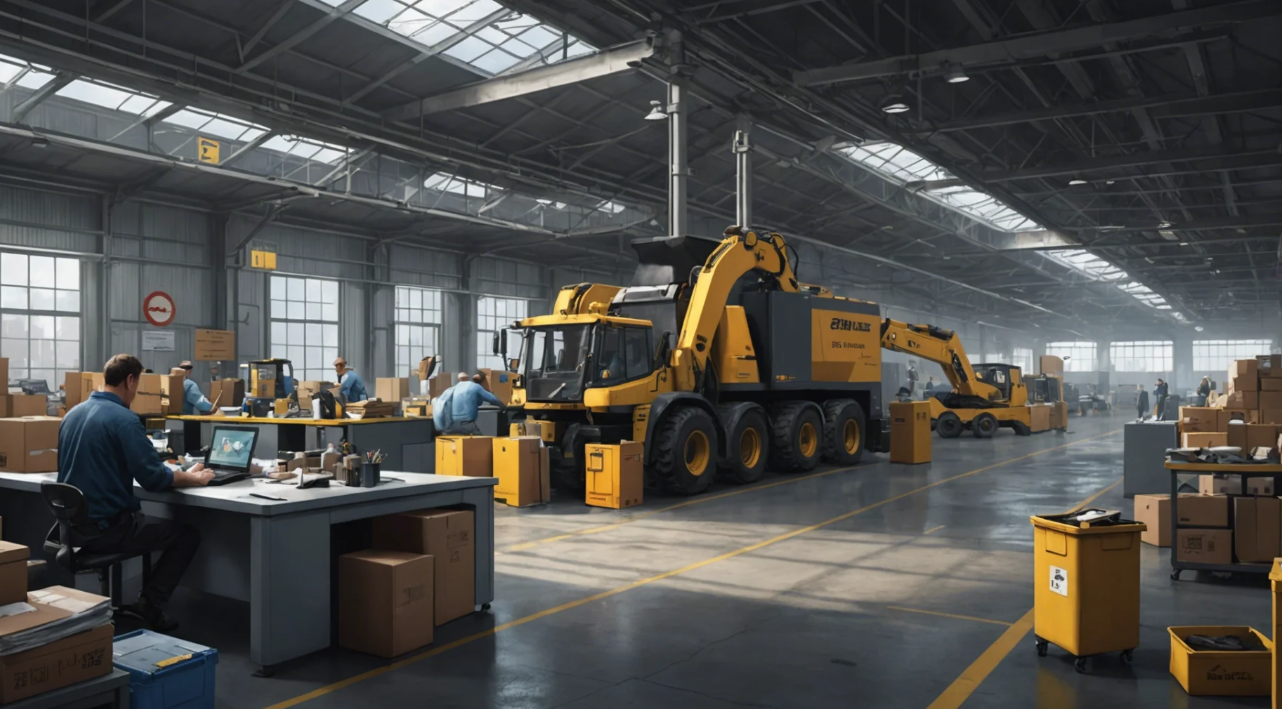
Cross-border ecommerce between the United States and major Asian markets continues to grow rapidly. However, as sellers expand across platforms like Shopee, Lazada, Amazon Japan, Tmall Global, Rakuten, and TikTok Shop, dispatching orders from the US becomes increasingly complex. Therefore, understanding the complete workflow of US dispatch for cross-border ecommerce Asia is essential for maintaining fast delivery, controlling logistics costs, and preventing customs delays.

What Does Us Dispatch for Cross-Border Ecommerce Asia Include?
A US dispatch service manages the crucial stage between warehouse preparation and handover to international carriers. Moreover, dispatch quality directly affects shipping accuracy, customs efficiency, and buyer satisfaction.
Key Components of a Full Dispatch Workflow
- Ecommerce order collection and SKU scanning
- Accurate barcode labeling and repackaging
- Carton verification and weight confirmation
- Export paperwork preparation
- Integration with shipping carriers and flight schedules
- Consolidation for sea and air freight
- Tracking and exception handling
Velotactics Logistics provides a specialized dispatch system for ecommerce sellers scaling into Asia—with automation tools to reduce errors and accelerate processing.
Why Do Ecommerce Sellers Need a Professional Dispatch Service?
Although many sellers begin fulfilling orders from home or small prep centers, dispatch complexity grows rapidly as SKU volume and order flow increase. Additionally, Asian marketplaces enforce strict compliance and delivery time expectations.
Benefits of a Professional Dispatch Service
- Faster warehouse processing
- Accurate labeling prevents returns or customs holds
- Better international freight pricing
- Higher delivery success rates
- Reduced last-mile failures
- Full visibility of export and transit stages
Therefore, dispatch has become the backbone of scalable cross-border ecommerce operations.
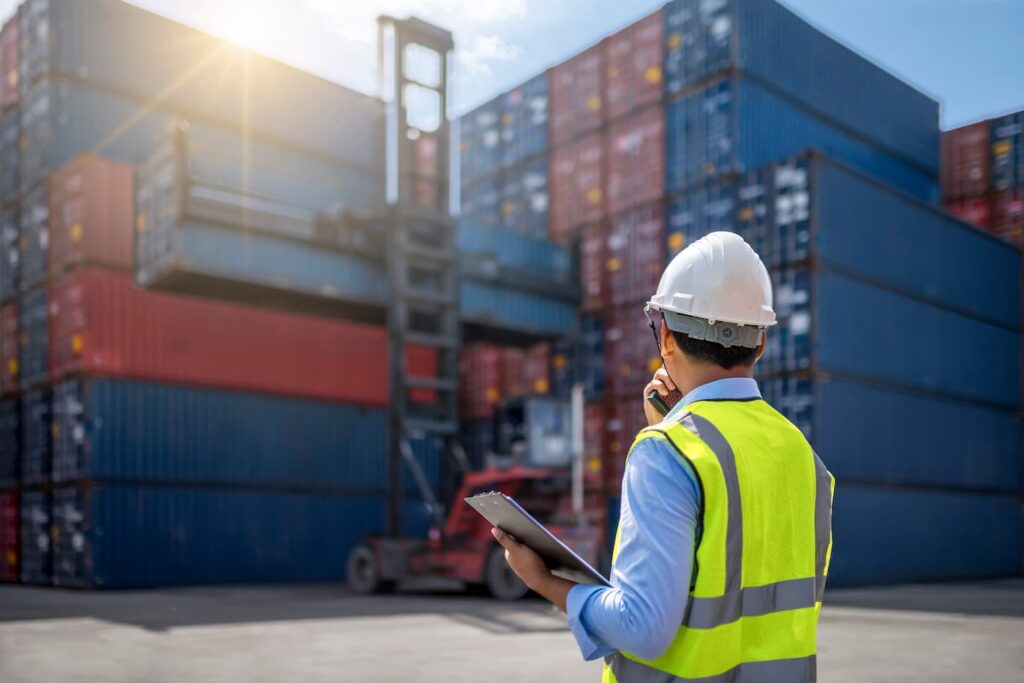
How Should Sellers Choose the Right Freight Mode for Asian Ecommerce Markets?
Shipping mode selection affects cost, transit time, and the customer experience. Furthermore, each Asian region has its own best-performing logistics route.
Shipping Comparison Table
| Shipping Method | Cost Level | Transit Time | Best For | Pros | Cons |
|---|---|---|---|---|---|
| Express Courier | High | 3–6 days | Low-volume orders | Fast delivery | Costly |
| Air Freight | Medium–High | 5–10 days | Bulk ecommerce restock | Predictable & secure | Requires customs coordination |
| Sea Freight LCL | Low | 15–30 days | High-volume, low-margin goods | Cheapest per unit | Slower transit |
| Air + Sea Hybrid | Medium | 10–18 days | Balanced requirements | Cost-effective | Less flexible |
Because ecommerce buyers expect fast delivery, many US sellers use a hybrid approach: air freight for trending or high-value items and LCL for restocking slow-moving SKUs.
What Export Documents Are Required for Cross-Border Ecommerce to Asia?
Document accuracy is essential because customs agencies across Asia—especially Singapore, Malaysia, Japan, and South Korea—apply strict controls on small parcels, electronics, cosmetics, and supplements.
Common Export Documents
- Commercial Invoice
- Packing List
- HS Code declaration
- Certificate of Origin (if applicable)
- Air Waybill / Sea Waybill
- Export declaration (AES filing)
- Product certificates (FDA, MSDS) when required
Even minor inconsistencies can trigger customs inspections, delaying delivery by several days. Velotactics Logistics audits invoices and HS codes to minimize this risk.
How Long Does Dispatch and Shipping Take for Cross-Border Ecommerce?
Dispatch time depends on warehouse operations, labeling accuracy, carrier availability, and consolidation schedules.
Typical Timelines
| Stage | Estimated Duration |
|---|---|
| Warehouse receiving | 1–2 days |
| Dispatch & labeling | 1–3 days |
| Export booking | 1–2 days |
| Air freight transit | 3–10 days |
| Sea freight LCL transit | 15–30 days |
| Customs clearance | 1–5 days |
Therefore, well-managed dispatch workflows significantly accelerate ecommerce delivery speeds.
What Are the Major Challenges in Us Dispatch for Cross-Border Ecommerce Asia?
Despite strong demand, sellers encounter several recurring challenges.
Main Issues
- SKU mismatch at warehouse receiving
- Packaging not suitable for export freight
- Wrong declared value or HS code
- Carrier congestion during peak seasons
- Inventory delays caused by slow dispatch
- Unpredictable transit times during holidays
- Customs hold due to incomplete documents
Velotactics Logistics addresses these issues with automated inspection tools, carton optimization, and early routing selection.

How to Optimize Dispatch to Reduce Costs and Improve Transit Time?
Cost-effective ecommerce operations require data-based decisions and structured dispatch plans.
Strategies for Better Dispatch
- Consolidate orders weekly to reduce freight rates
- Use automated carton scanning for accuracy
- Optimize carton size to reduce dimensional weight
- Apply correct HS codes to avoid duty penalties
- Select stable carriers with consistent Asia schedules
- Maintain clean labels to reduce failed deliveries
Therefore, even small improvements in dispatch workflows lead to dramatic performance gains.
Real Case Studies
- Cargo: 350 small-parcel orders
- Mode: Air Freight
- Cost: $6.40/kg
- Transit: 5 days
- Outcome: Velotactics’ dispatch audit reduced failed deliveries by 22%.
- Cargo: 2 pallets mixed SKUs
- Mode: Air + Sea Hybrid
- Cost: Medium blended rate
- Transit: 12 days
- Outcome: Consolidation saved 33% shipping cost.
- Cargo: LCL 3 CBM restock
- Mode: Sea Freight
- Cost: $150/CBM
- Transit: 21 days
- Outcome: Zero customs delays after HS code correction.
Why Work With Velotactics Logistics?
Velotactics Logistics provides tailored dispatch services for US sellers shipping into Asia’s fast-paced ecommerce landscape. Additionally, our facilities support multi-platform integration, automated labeling, and optimized routing.
Our Competitive Advantages
- Accurate labeling for Shopee/Lazada/TikTok/Amazon
- Advanced warehouse dispatch systems
- Predictable export schedules
- Consolidated freight options for lower cost
- Expert customs documentation support
- Fewer failed deliveries due to proactive QC
- Faster processing with dedicated dispatch teams
With our support, cross-border ecommerce sellers scale seamlessly and maintain competitive delivery times.
Conclusion
Scaling ecommerce operations into Asia requires more than competitive pricing or product selection. Ultimately, reliability depends on how efficiently sellers manage US dispatch for cross-border ecommerce Asia—from warehouse preparation to export paperwork and multi-mode freight planning. By optimizing this process, US sellers achieve faster delivery, lower logistics costs, and stronger customer satisfaction across Asia’s diverse marketplaces.
Velotactics Logistics empowers sellers with a streamlined dispatch workflow, stable carrier planning, and expert compliance support—ensuring every parcel starts its journey in the best possible condition.
Need a quote?
Ready to get started? Contact us now to request a free shipping quote.
Frequently Asked Questions (FAQ)
Yes. Faster warehouse processing and optimized routing reduce total delivery time significantly.
Some do. Japan and Korea enforce stricter packaging rules, while others expect durable export-ready cartons.
Absolutely. Consolidation lowers cost and ensures stable freight scheduling.
Accurate HS codes, clean invoices, and complete documentation prevent most customs issues.
Blurry barcodes, incorrect SKU mapping, and missing recipient details lead to failed deliveries.