
Ultimate Guide: Navigating US Import Customs from Southeast Asia
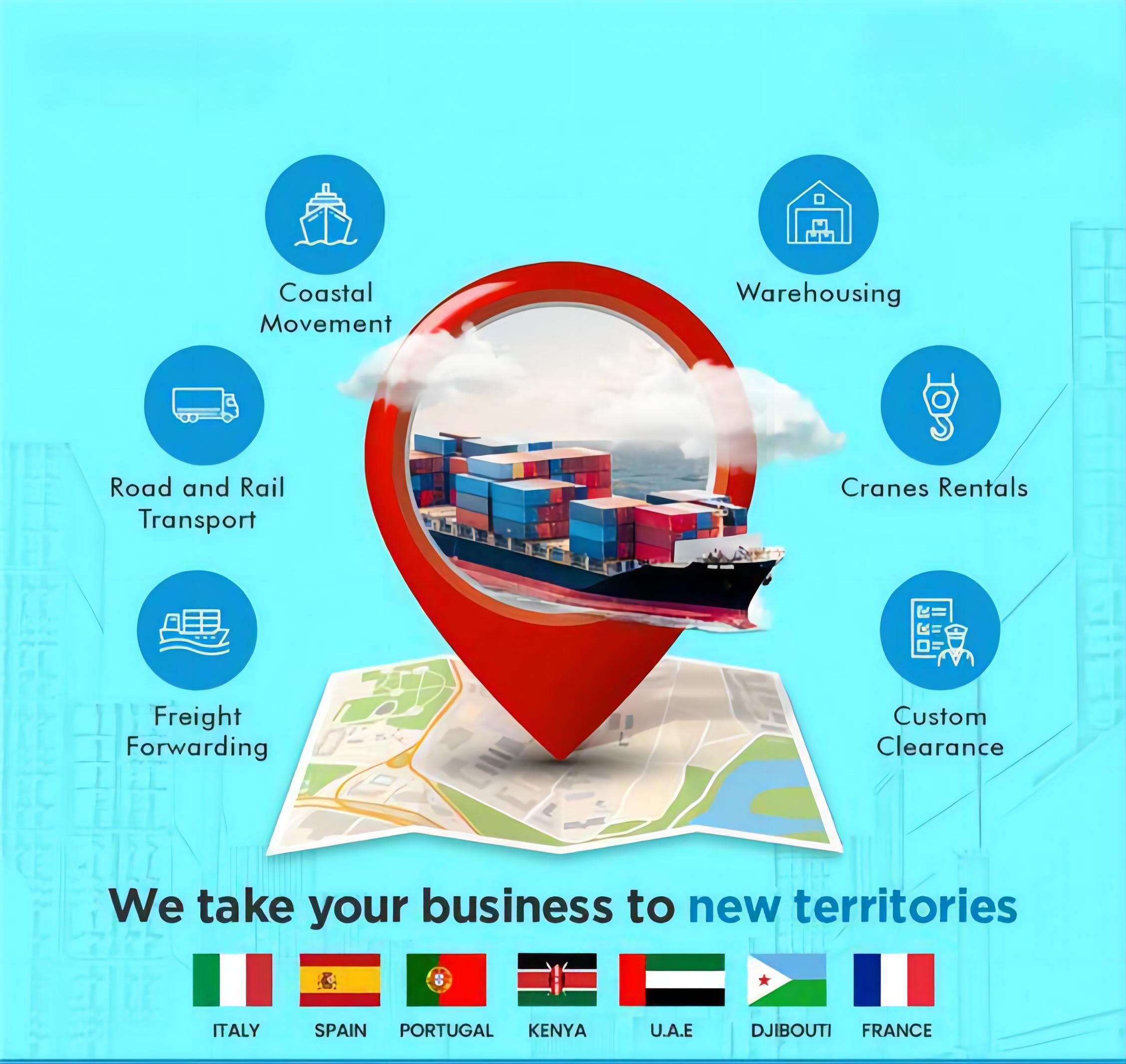
Importing goods from Southeast Asia to the United States can be a complex endeavor, fraught with intricate regulations and potential delays. Understanding the US import customs process for Southeast Asia is crucial for ensuring smooth, compliant, and cost-effective shipments. At VELOTACTICS LOGISTICS, we simplify this journey, providing expert guidance and seamless logistics solutions from origin to destination. Visit our homepage for comprehensive global logistics services: https://velotac-log.com/
Understanding the US Import Customs Process for Southeast Asia
The journey of goods from Southeast Asian nations like Vietnam, Thailand, or Malaysia to the United States involves a stringent US import customs process. This framework is designed to protect national security, public health, and economic interests. Therefore, importers must navigate a maze of regulations enforced primarily by U.S. Customs and Border Protection (CBP).

Indeed, a clear understanding of these procedures is paramount for avoiding costly delays, penalties, and potential forfeiture of goods. Furthermore, familiarity with the roles of various agencies, including the FDA, USDA, and EPA, depending on the commodity, is essential. Ultimately, proper preparation is key to successful international trade operations.
Crucially, the process begins long before goods arrive at a US port. It involves meticulous documentation, accurate classification, and timely submission of information to customs authorities. Consequently, early engagement with logistics experts can significantly streamline these initial stages, preventing common pitfalls. Discover more about our comprehensive service offerings here: https://velotac-log.com/services/.
| Document Type | Purpose | Key Information Included |
|---|---|---|
| Commercial Invoice | Details transaction between buyer and seller | Seller/Buyer info, description of goods, value, currency, terms of sale |
| Packing List | Provides details on cargo contents and packaging | Weight, dimensions, quantity, packaging type, marks/numbers |
| Bill of Lading (BOL) / Air Waybill (AWB) | Contract between shipper and carrier, receipt for goods | Shipper/Consignee, carrier info, port of loading/discharge, goods description |
| Customs Bond | Guarantees payment of duties, taxes, and fees | Importer’s name, bond amount, surety company details |
| Importer Security Filing (ISF) | Pre-arrival data submission for ocean cargo | 10 data elements for importer, manufacturer, container stuffing location, etc. |
| Certificate of Origin (COO) | Certifies country of manufacture | Exporter/Importer, goods description, country of origin, authorized signature |
Key Documentation Requirements for Southeast Asian Imports
Accurate and complete documentation forms the backbone of any successful US import customs process for Southeast Asia. Missing or incorrect paperwork is a primary cause of delays and penalties. Therefore, importers must meticulously prepare all required documents well in advance of shipment departure.
Firstly, the Commercial Invoice and Packing List are fundamental, detailing the goods and transaction. Secondly, the Bill of Lading (for sea freight) or Air Waybill (for air freight) serves as the contract of carriage and receipt. Moreover, these documents must precisely match the actual cargo to prevent discrepancies during customs clearance procedures USA. Send Inquiry for expert documentation assistance: https://velotac-log.com/send-inquiry/.
Additionally, a Customs Bond is mandatory for most commercial imports exceeding a certain value, guaranteeing the payment of duties and taxes. Furthermore, for ocean shipments, the Importer Security Filing (ISF) must be submitted to CBP at least 24 hours before cargo is loaded onto a vessel destined for the U.S. This critical step helps CBP identify high-risk shipments prior to arrival.
Finally, Certificates of Origin (COOs) are vital, especially when claiming preferential duty treatment under various trade agreements. For example, certain goods from ASEAN trade regulations partners might qualify for reduced tariffs. Consequently, ensuring the COO is accurate and verifiable is essential for optimizing import duties from Southeast Asia.
Tariffs, Duties, and Taxes: Calculating Import Costs
A significant aspect of the US import customs process for Southeast Asia involves understanding and calculating applicable tariffs, duties, and taxes. These costs directly impact the landed cost of goods, influencing profitability and pricing strategies. Therefore, accurate classification of products is the first critical step.
Every imported product is assigned a Harmonized System (HS) code, which determines its duty rate. Furthermore, these tariff codes for US imports can vary significantly, even for similar products, based on specific characteristics and materials. Consequently, misclassification can lead to overpayment of duties or, worse, underpayment and subsequent penalties. Our experts can help with accurate classification: https://velotac-log.com/services/.
Moreover, the U.S. has various Free Trade Agreements (FTAs) and preferential programs with certain Southeast Asian countries. For instance, some goods might qualify for Generalized System of Preferences (GSP) benefits, resulting in zero or reduced duties. However, strict rules of origin apply, necessitating proper documentation like Certificates of Origin. Ignoring these opportunities can lead to unnecessary expenses.
Additionally, importers must be aware of potential Antidumping and Countervailing Duties (AD/CVD) on specific products from certain countries. These duties are imposed to counteract unfair trade practices and can significantly increase import costs. Therefore, staying informed about current trade regulations and potential AD/CVD orders is crucial for effective import compliance Southeast Asia.
| HS Code Example | Product Description (Illustrative) | MFN Duty Rate (Illustrative) | FTA Benefit (Example) |
|---|---|---|---|
| 8471.30.0100 | Laptop Computers | 0% | Generally 0% (WTO agreement) |
| 6403.91.6045 | Leather Footwear | 10% | Varies by country (e.g., GSP if applicable) |
| 9403.60.8081 | Wooden Furniture | 3.2% | Varies by country (e.g., Vietnam may have specific tariffs) |
| 0804.10.0020 | Fresh Bananas | Free | Free (MFN) |
| 6109.10.0030 | Cotton T-shirts | 16.5% | Varies by country (e.g., Vietnam under certain agreements) |
Customs Clearance Procedures and Timelines
The actual customs clearance procedures USA mark a critical phase in the US import customs process for Southeast Asia. This stage dictates how quickly goods can move from the port of entry to their final destination. Consequently, efficient navigation here minimizes transit time and storage costs.
Before cargo even arrives, pre-arrival filing, notably the ISF for ocean freight, is required. Upon arrival, the importer or their customs broker must file an Entry Summary (CBP Form 7501). This document provides detailed information about the shipment, including value, classification, and country of origin. Therefore, accuracy at this point is non-negotiable. Send Inquiry to simplify your customs filings: https://velotac-log.com/send-inquiry/.
Subsequently, CBP reviews the submitted documentation. They may decide to conduct an examination of the goods, either physically or through X-ray. Such examinations can cause delays, although most shipments are released without physical inspection. However, if discrepancies are found, further scrutiny or even seizure could occur. Therefore, meticulous preparation is vital for managing customs risks.
Once CBP is satisfied, the goods are officially released, and the importer is notified. Nevertheless, the process doesn’t end there. Post-entry audits are common, where CBP reviews past import transactions to ensure compliance. Therefore, maintaining accurate records for at least five years after importation is a best practice for import compliance Southeast Asia.
Navigating Common Challenges in US-Southeast Asia Imports
Importers often face several hurdles when managing the US import customs process for Southeast Asia. These challenges range from regulatory complexities to logistical bottlenecks, impacting supply chain efficiency and profitability. Addressing these proactively is essential for smooth operations.
One frequent issue is compliance. Regulations are constantly evolving, and keeping up with changes in tariff codes, trade agreements, and specific product requirements can be daunting. Furthermore, cultural and language barriers in Southeast Asian countries can complicate communication with suppliers and local authorities. This underscores the need for robust import compliance Southeast Asia strategies.
Another significant challenge involves customs delays. These can stem from incomplete documentation, classification errors, or intensive inspections. Moreover, global events, port congestion, or unforeseen supply chain disruptions can exacerbate these delays, affecting delivery schedule and increasing costs. Therefore, having contingency plans and flexible logistics partners is crucial. Explore our supply chain logistics from Asia solutions: https://velotac-log.com/services/.
Additionally, ensuring consistent quality control for goods manufactured in diverse Southeast Asian regions can be complex. Importers must establish clear standards and robust inspection protocols to avoid importing substandard products that could lead to consumer dissatisfaction or regulatory issues. This proactive approach helps mitigate risks associated with international sourcing.
Case Study: Overcoming Documentation Discrepancies
A U.S. electronics importer faced significant delays with a shipment of components from Vietnam. The Bill of Lading listed ‘electronic parts,’ but the Commercial Invoice detailed ‘integrated circuits and semiconductors.’ This discrepancy triggered a CBP hold, requiring extensive clarification.
VELOTACTICS LOGISTICS intervened, working with the Vietnamese supplier to amend the documentation retrospectively. We provided detailed product specifications to CBP, proving the items were indeed ‘integrated circuits and semiconductors’ as per the invoice. Our customs brokerage services streamlined the communication and expedited the release process.
Consequently, the shipment was released after a 7-day delay, significantly less than the potential weeks-long hold. This case highlights the critical importance of exact documentation alignment across all shipping papers. It also demonstrates how professional customs brokerage services can effectively resolve complex issues and mitigate customs risks.
This experience reinforced the need for stringent pre-shipment document verification. Furthermore, it showcased the value of having a knowledgeable partner who can swiftly navigate bureaucratic hurdles. Ultimately, minimizing such discrepancies is key to maintaining efficient supply chain logistics from Asia.
Choosing the Right Shipping Method: Air vs. Sea Freight
Selecting the optimal shipping method is a pivotal decision in the US import customs process for Southeast Asia. The choice between air freight and sea freight significantly impacts shipping costs, transit time, and overall supply chain efficiency. Therefore, a careful evaluation of needs is essential.
Sea freight, typically via container shipping costs SEA to US, is generally the most economical option for large volumes and heavy goods. While it offers substantial cost savings, its transit time is considerably longer, often ranging from 3-6 weeks. Consequently, it’s ideal for non-time-sensitive cargo and bulk commodities. Our freight forwarding services US can help optimize your sea shipments.
Conversely, air freight offers speed and reliability, with air freight transit times usually within 3-7 days. This makes it suitable for high-value, perishable, or time-critical goods. However, the premium for speed comes at a higher cost and often with weight and size limitations. Therefore, businesses must weigh urgency against budget carefully. Send Inquiry for a tailored shipping solution: https://velotac-log.com/send-inquiry/.
Ultimately, the best choice depends on several factors: the nature of the goods, their urgency, budget constraints, and inventory management strategies. Sometimes, a multimodal approach combining both air and sea transport can offer a balanced solution, optimizing both cost and speed. Our logistics trends analysis helps clients make informed decisions.
| Feature | Sea Freight | Air Freight |
|---|---|---|
| Cost | Low to Moderate (per unit) | High (per unit) |
| Transit Time (SEA to US) | 3-6 Weeks | 3-7 Days |
| Capacity | Very High (Containers) | Moderate (Pallets, Packages) |
| Suitability | Bulk, heavy, non-urgent goods | High-value, perishable, urgent goods |
| Environmental Impact | Lower CO2 per ton-mile | Higher CO2 per ton-mile |
| Flexibility | Less flexible schedules | More frequent departures |

Partnering with a Customs Broker and Freight Forwarder
Navigating the intricacies of the US import customs process for Southeast Asia can be overwhelming for businesses. This is where the expertise of a professional customs broker and freight forwarder becomes invaluable. Therefore, partnering with seasoned logistics providers can significantly streamline your import operations.
A customs broker specializes in customs clearance procedures USA, ensuring all documentation is correct, duties are calculated accurately, and goods comply with all regulatory requirements. Moreover, they act as an intermediary between the importer and CBP, handling all communications and submissions. This expertise minimizes the risk of delays and penalties.
Similarly, a freight forwarder manages the entire logistical process, from origin pickup in Southeast Asia to final delivery in the US. They handle everything from booking cargo space and managing transportation to warehousing and distribution. Consequently, they optimize the supply chain, ensuring efficient movement of goods. Our services cover both, offering a seamless experience: https://velotac-log.com/services/.
Ultimately, engaging a reputable partner like VELOTACTICS LOGISTICS offers peace of mind. They possess in-depth knowledge of international trade regulations, provide robust import compliance Southeast Asia solutions, and can adapt to unforeseen challenges. This partnership allows importers to focus on their core business while experts manage the complex logistics. Send Inquiry to discuss your specific needs: https://velotac-log.com/send-inquiry/.
Ensuring Compliance: Best Practices for Importers
Maintaining rigorous import compliance Southeast Asia is not merely about avoiding penalties; it’s about building a resilient and ethical supply chain. Adopting best practices in the US import customs process for Southeast Asia is crucial for long-term success and mitigating customs risks.
Firstly, meticulous record-keeping is paramount. Importers must retain all relevant documentation, including commercial invoices, packing lists, entry summaries, and proof of payment, for at least five years. This is essential for potential post-entry audits by CBP. Therefore, a robust digital archiving system is highly recommended.
Secondly, conducting thorough due diligence on suppliers in Southeast Asia is vital. This includes verifying their manufacturing processes, ensuring compliance with labor laws, and checking for any trade restrictions or sanctions. Moreover, understanding their sourcing practices contributes to ethical sourcing and reduces unexpected issues. Our global network helps ensure reliable supplier vetting.
Finally, staying informed about evolving trade agreements, tariff codes for US imports, and specific product regulations is an ongoing responsibility. Subscribing to trade alerts and regularly consulting with customs brokerage services can help importers adapt quickly to changes. Ultimately, proactive management of import compliance is key to navigating the complex landscape of international trade.
Seamless Imports: Mastering the US Import Customs Process for Southeast Asia
Mastering the US import customs process for Southeast Asia is vital for any business looking to expand its global reach. By understanding the documentation, duties, and procedures, importers can significantly reduce risks and optimize their supply chains. A proactive approach to compliance, coupled with strategic planning, ensures efficiency.
Partnering with experienced logistics providers like VELOTACTICS LOGISTICS ensures a seamless and compliant import journey. We offer the expertise and services needed to navigate the complexities, from customs clearance procedures USA to optimizing shipping costs and transit time. Let us empower your international trade endeavors.
Start Your Shipment
Ready to streamline your imports from Southeast Asia? Request a personalized quote today and discover how VELOTACTICS LOGISTICS can optimize your shipping. Access special courier discounts and get your comprehensive quote in less than 24 hours. Secure your competitive edge with our trusted import solutions!
Request Quote