
US Drayage Port Service for Singapore Freight: Your Ultimate Guide
Navigating the complexities of international shipping requires precise coordination, especially when dealing with the vital link between US ports and Singapore freight. A robust US drayage port service is crucial for ensuring your cargo’s seamless transition from vessel to onward transportation. This guide will explore the intricacies of drayage, offering insights into optimizing your supply chain for efficient and cost-effective delivery to Singapore. For comprehensive logistics solutions, explore what VeloTactics Logistics offers.
What is US Drayage Port Service and Why is it Critical for Singapore Freight?
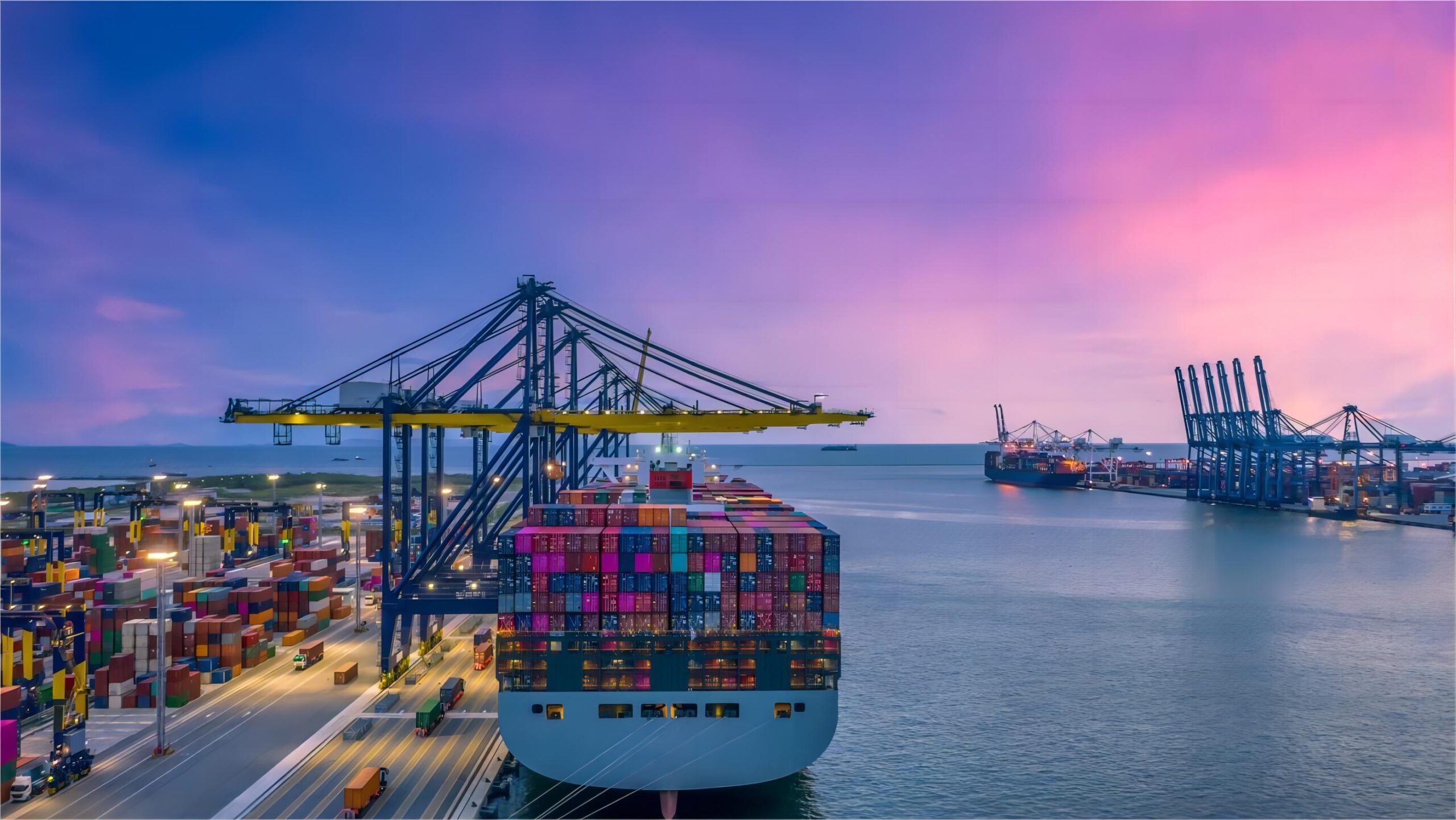
Drayage refers to the short-distance transportation of goods, typically by truck, between different transportation hubs. Specifically, US drayage port service involves moving cargo containers from US seaports to nearby rail yards, warehouses, or distribution centers. This crucial step connects long-haul ocean freight with inland transportation networks.
For Singapore-bound freight, efficient US drayage is paramount. It ensures that containers arriving from or departing to Singapore are swiftly and seamlessly transferred, minimizing delays and avoiding costly demurrage and detention charges. This short-haul movement is a vital component of the broader supply chain.
Understanding the nuances of drayage operations is essential for optimizing transit time and managing shipping costs. Proper drayage prevents bottlenecks at congested ports, facilitating a smoother flow of goods for international export to Singapore. Moreover, it directly impacts the overall efficiency and reliability of your global logistics strategy.
What are the Different Types of Drayage Services Available?
Several types of drayage services exist, each designed to meet specific logistical needs within the intermodal transportation system. Knowing these classifications helps businesses select the most appropriate service for their Singapore freight. Consequently, this choice can significantly impact efficiency and cost-effectiveness.
Pier drayage, for example, involves moving cargo directly from a rail terminal to a dock or pier for ocean shipping. Conversely, shuttle drayage transports intermodal units to a temporary storage lot when the primary hub lacks space. Each type addresses distinct challenges in cargo handling.
Other common types include inter-carrier drayage, which transfers cargo between different transportation companies, and door-to-door drayage, delivering directly to the consumer. Expedited drayage prioritizes time-sensitive shipments, ensuring rapid transfers.
| Drayage Type | Description | Typical Use Case | Benefit for Singapore Freight |
|---|---|---|---|
| Pier Drayage | Movement of cargo from a rail hub to a port/pier. | Loading onto an ocean vessel for international shipment. | Direct transfer to ocean freight, reducing handling steps. |
| Shuttle Drayage | Transport to a temporary storage lot due to port congestion. | Preventing demurrage when immediate loading/unloading isn’t possible. | Flexibility during peak seasons or port delays. |
| Inter-Carrier Drayage | Transfer of goods between different carriers (e.g., rail to truck). | Seamless transition between different modes of long-haul transport. | Optimizes multimodal routes to US ports. |
| Door-to-Door Drayage | Direct delivery from port/terminal to the final customer. | E-commerce or direct consumer shipments. | Streamlined last-mile delivery post-import/pre-export. |
| Expedited Drayage | Prioritized movement for time-sensitive cargo. | Urgent shipments or meeting tight deadlines. | Minimizes transit time for critical goods. |
How Do Drayage Costs Impact Your Singapore Freight Budget?
Drayage costs can significantly influence the overall shipping expenses for your Singapore freight. These costs are not always straightforward, encompassing various fees beyond the basic transportation charge. Therefore, understanding these components is essential for accurate budgeting and cost control.
The base drayage fee typically ranges from $350-$600 per load in the US, influenced by distance, cargo type, and peak demand. Furthermore, fuel surcharges can add 35-40% to this base rate, fluctuating with market fuel prices.
Accessorial charges are also common, including chassis rental fees (around $45 per day), driver delay fees, and potential demurrage or detention charges. These can quickly escalate if not managed proactively, making timely pickup and return of containers critical.
For instance, exceeding free storage periods at US ports can result in penalties over $2,000 within a week. Consequently, efficient drayage services are vital to avoid such costly delays and maintain a competitive shipping cost for your goods.

Optimizing US Drayage for Efficient Singapore Freight Shipments
Optimizing your US drayage strategy is key to achieving efficiency and cost savings for shipments destined for or arriving from Singapore. Proactive planning and strategic partnerships can significantly streamline this critical logistics phase. This approach helps mitigate potential disruptions and keeps your supply chain agile.
Firstly, selecting a reliable drayage partner with a strong track record at major US ports is paramount. Such partners often possess the necessary equipment, driver availability, and port relationships to ensure timely movements. They can expertly navigate port congestion and avoid common pitfalls.
Secondly, leveraging technology for real-time tracking and communication enhances visibility throughout the drayage process. This allows for quick adjustments to delivery schedules and helps in managing expectations. Therefore, adopting advanced digital tools is crucial for modern logistics.
Finally, considering factors like transloading services can further optimize your drayage. Transloading involves transferring goods from an international shipping container to a domestic trailer, which can reduce drayage costs and improve delivery flexibility. This strategic move can significantly enhance your supply chain’s responsiveness.
How Does US Drayage Port Service Compare to Other Shipping Options for Singapore Freight?
While US drayage is an integral part of most ocean freight movements, it’s important to understand how the entire shipping process, particularly sea freight, compares to alternative methods for sending goods to Singapore. Various factors, such as shipping costs, transit time, and cargo type, influence the best choice.
Sea freight remains the most cost-effective solution for large volumes and heavy items, with transit times from the US to Singapore typically ranging from 25 to 35 days. However, this includes the time for drayage at both origin and destination ports.
Air freight offers significantly faster transit, usually 1-5 days, making it ideal for urgent or high-value shipments. Nevertheless, the cost is substantially higher, often making it prohibitive for bulk cargo.
Understanding these differences allows businesses to make informed decisions that balance speed, cost, and capacity. For large-scale operations, combining efficient US drayage with optimized sea freight provides a robust solution. Conversely, time-sensitive goods might benefit from expedited air freight options, despite the increased expense.
Comparison of Shipping Methods to Singapore from the US
| Shipping Method | Cost Range (US to Singapore) | Transit Time (US to Singapore) | Best For | Limitations |
|---|---|---|---|---|
| Sea Freight (FCL) | $2,300 – $3,500 per FEU (40ft Equivalent Unit) | 25-35 days | Large, heavy, non-urgent shipments | Longer transit times, potential port delays. |
| Sea Freight (LCL) | $120 – $280 per CBM | 30-40 days | Smaller shipments (under 15 CBM), cost-conscious | Longer transit, more handling, potential for consolidation delays. |
| Air Freight | Significantly higher (e.g., 5-10x sea freight) | 1-5 days | Urgent, high-value, perishable goods | High cost, weight/volume restrictions, environmental impact. |
| Hybrid (Sea-Air) | Medium-high | 15-20 days | Faster than sea, cheaper than air for certain routes | More complex coordination, limited availability on all routes. |

Which Option Should You Choose?
Your choice of shipping method largely depends on your priorities and the nature of your cargo. Moreover, considering the budget priority, speed requirements, and cargo type is crucial for an optimal decision. Therefore, a careful assessment of these factors is always recommended.
If budget is your primary concern, particularly for shipments exceeding 15 CBM, Full Container Load (FCL) sea freight combined with efficient US drayage is usually the most economical choice. Furthermore, Less than Container Load (LCL) is suitable for smaller volumes.
For speed priority, especially for time-sensitive deliveries, air freight is undoubtedly the superior option. However, this comes at a premium cost. Always weigh the urgency against the additional expense.
Cargo type also dictates the best method. Perishable goods or high-value electronics often necessitate air freight for security and speed. Conversely, durable, bulky items are best suited for sea freight. Volume thresholds also play a role, with FCL becoming more cost-effective over LCL beyond approximately 12-15 CBM.
Navigating Customs and Compliance for Singapore Imports from the US
Successfully moving freight from US ports to Singapore requires a thorough understanding of Singapore’s customs regulations and import procedures. Compliance is critical to avoid delays, fines, and other complications. Consequently, meticulous documentation and adherence to guidelines are essential.
All goods imported into Singapore are subject to Goods and Services Tax (GST) and, for certain items, duty payments. Importers must obtain a customs permit to account for these payments and the import of goods. This permit is a mandatory requirement for nearly all shipments.
Key documents required for customs clearance include the Bill of Lading or Air Waybill, commercial invoice, and packing list. Additionally, providing accurate details such as the Harmonized System (HS) code, quantity, and description of goods is paramount for proper valuation and tariff assessment.
Working with experienced customs brokerage services can significantly streamline this process. They can assist with permit applications, ensure accurate declarations, and help navigate complex regulations, thus minimizing potential issues. This expert guidance is invaluable for smooth international trade.
| Document | Purpose | Importance for Clearance |
|---|---|---|
| Commercial Invoice | Details items, value, seller/purchaser info. | Critical for customs valuation, duty, and tax assessment. |
| Packing List | Itemizes contents, weights, and dimensions. | Complements invoice, aids in inspection and cargo handling. |
| Bill of Lading/Air Waybill | Contract between shipper and carrier, proof of shipment. | Essential for legal ownership and cargo release. |
| Customs Permit | Authorization for goods to enter Singapore. | Mandatory for all imports (with few exemptions) for tax accounting. |
| Certificate of Origin (if applicable) | Verifies the country where goods were manufactured. | May be required for preferential tariffs or specific trade agreements. |
Real-World Scenarios: US Drayage and Singapore Freight in Action
Examining real-world scenarios highlights the practical application and impact of efficient US drayage port service for Singapore freight. These case studies demonstrate how strategic logistics planning translates into successful international shipments. Each example provides valuable insights into optimizing various aspects of the supply chain.
Case Study 1: Electronics Manufacturer’s Expedited Shipment
This electronics manufacturer needed to ship high-value, time-sensitive components to Singapore for final assembly. Due to a tight production schedule, minimizing transit time was critical. Therefore, a combination of expedited drayage and air freight was chosen to ensure rapid delivery.
The key insight here was the successful coordination of expedited drayage immediately upon arrival at the US airport. This prevented any ground delays, allowing the cargo to connect with the earliest possible flight, demonstrating the value of precise timing and service selection.
| Detail | Description |
|---|---|
| Route | Los Angeles, USA — Singapore |
| Cargo | High-value electronic components, 5 CBM, 1200 kg |
| Container | Air Cargo ULD (Unit Load Device) |
| Shipping Details | Carrier: Major Air Cargo Carrier; Port of Loading: LAX; Port of Discharge: SIN; Route Type: Direct Air Freight |
| Cost Breakdown | Air Freight: $9,500; Origin Drayage (Expedited): $750; Destination Handling: $300; Customs & Duties (estimated): $500; Total Landed Cost: $11,050 (Based on Q1 2025 market rates) |
| Timeline | Booking to Loading: 1 day; Air Transit: 2 days; Customs Clearance: 1 day; Total Door-to-Door: 4 days |
| Key Insight | Expedited drayage and direct air freight minimized transit time, crucial for meeting tight production deadlines. |
Case Study 2: Bulk Raw Materials for Singaporean Industry
A US-based chemical supplier regularly ships bulk raw materials to a manufacturing facility in Singapore. The primary objective is cost-effectiveness for large volumes, with a reasonable transit time. Thus, FCL sea freight combined with standard drayage proved to be the ideal solution.
The success of this shipment relied on efficient pier drayage at the US port, seamlessly transferring containers to the ocean vessel. This ensured continuous supply for the Singaporean client, showcasing the importance of reliable, large-volume solutions. Furthermore, effective planning avoided demurrage fees.
| Detail | Description |
|---|---|
| Route | Houston, USA — Singapore |
| Cargo | Industrial chemicals (non-hazardous), 40 CBM, 20,000 kg |
| Container | 1 x 40GP |
| Shipping Details | Carrier: MSC; Port of Loading: Port of Houston; Port of Discharge: Port of Singapore; Route Type: Direct Sea Freight |
| Cost Breakdown | Ocean Freight: $3,200; Origin Charges (incl. Drayage): $800; Destination Charges: $500; Customs & Duties (estimated): $700; Total Landed Cost: $5,200 (Typical rates as of early 2025) |
| Timeline | Booking to Loading: 5 days; Sea Transit: 28 days; Customs Clearance: 3 days; Total Door-to-Door: 36 days |
| Key Insight | Cost-effective FCL sea freight with smooth pier drayage ensured consistent supply for bulk raw materials. |
Case Study 3: Small Business Exporting Specialty Goods
A small US business needed to export a moderate volume of specialty craft goods to a boutique in Singapore. Cost was a concern, but so was minimizing handling. Therefore, LCL sea freight with warehouse drayage was selected to balance these needs.
The strategic use of warehouse drayage allowed for consolidation at a facility near the US port, optimizing container space and reducing per-unit costs. This approach provided an affordable yet reliable option for a growing international business. Warehousing and distribution services play a critical role here.
| Detail | Description |
|---|---|
| Route | Savannah, USA — Singapore |
| Cargo | Specialty craft goods, 8 CBM, 1500 kg |
| Container | LCL (Less than Container Load) |
| Shipping Details | Carrier: COSCO (via freight consolidator); Port of Loading: Port of Savannah; Port of Discharge: Port of Singapore; Route Type: Consolidated Sea Freight |
| Cost Breakdown | Ocean Freight (LCL): $1,600; Origin Charges (incl. Drayage to CFS): $450; Destination Charges: $350; Customs & Duties (estimated): $200; Total Landed Cost: $2,600 (Based on Q3 2024 market rates) |
| Timeline | Booking to Loading: 7 days; Sea Transit: 32 days; Customs Clearance: 4 days; Total Door-to-Door: 43 days |
| Key Insight | LCL with efficient warehouse drayage provided a cost-effective solution for a smaller volume export, while still managing transit expectations. |
Future Trends and Challenges in US Drayage and Singapore Freight
The landscape of global logistics is constantly evolving, presenting both opportunities and challenges for US drayage port service and Singapore freight. Staying abreast of these trends is vital for businesses to maintain competitive supply chains. Indeed, adaptability is key in this dynamic environment.
Firstly, port congestion remains a significant challenge, particularly at major hubs like Singapore, which handles millions of TEUs annually. Geopolitical tensions and unexpected disruptions, such as those in the Red Sea, can further exacerbate these issues, causing delays and rate spikes.
Secondly, technological advancements are reshaping the industry. The adoption of 5G infrastructure, AI, and IoT for real-time tracking and automated processes is set to revolutionize logistics operations. Consequently, embracing digital transformation is a necessity for staying competitive.
Furthermore, sustainability is gaining increasing importance. Businesses are seeking more eco-friendly transportation solutions, driving demand for intermodal and multimodal transport options. This focus on reducing carbon footprints influences carrier choices and routing decisions. Intermodal solutions, combining various transport modes, offer a flexible and sustainable approach.
Finally, trade tensions and policy changes, such as potential US tariffs, can significantly impact global logistics flows and costs. Businesses must prepare for volatility and consider supply chain rerouting or diversification strategies. Therefore, a resilient logistics strategy is more important than ever.
Mastering US Drayage Port Service for Seamless Singapore Freight
In conclusion, effective US drayage port service is an indispensable element for successful international freight movements to and from Singapore. From understanding the various drayage types to navigating complex customs procedures, each step is crucial for an optimized supply chain. By prioritizing efficient drayage, businesses can significantly reduce shipping costs, minimize transit times, and enhance overall operational reliability.
As global logistics continue to evolve, staying informed about market trends and leveraging expert partnerships like VeloTactics Logistics will prove invaluable. Ultimately, a well-executed drayage strategy ensures your cargo reaches its Singapore destination smoothly, contributing to your business’s success.
Need a tailored shipping solution?
Ready to streamline your US drayage and Singapore freight operations? Contact VeloTactics Logistics today for a personalized consultation and optimize your supply chain. We offer expert guidance and tailored solutions to meet your unique shipping needs. Visit Our Services to learn more.