
US Export Shipper Association Malaysia: Your Guide to Seamless Trade
“Shipping goods from the United States to Malaysia presents both immense opportunities and complex logistical challenges. Businesses, therefore, require robust and reliable shipping solutions to ensure their products reach the Malaysian market efficiently. Understanding the intricacies of international freight, customs regulations, and local distribution is paramount for successful trade. For comprehensive support and tailored strategies, explore the services offered by VeloTactics Logistics.”

Understanding US Export to Malaysia: Opportunities and Challenges
❖Indeed, the trade relationship between the United States and Malaysia is vibrant and growing, offering substantial opportunities for US exporters. Malaysia, a key player in Southeast Asia, boasts a strategic location and a rapidly developing economy. Consequently, it serves as a significant hub for manufacturing, electronics, and various consumer goods.
However, engaging in international trade, particularly across long distances, involves numerous complexities. Exporters must navigate a labyrinth of regulations, ensure timely delivery, and manage costs effectively. Therefore, partnering with a knowledgeable US export shipper association Malaysia becomes indispensable for success.
Why Malaysia is a Key Destination for US Exports
Malaysia’s robust economic growth and increasing consumer purchasing power make it an attractive market. Specifically, there is high demand for US-made electronics, machinery, agricultural products, and specialized services. Furthermore, its well-developed infrastructure supports efficient distribution throughout the region.
Moreover, government initiatives to promote foreign investment and trade liberalization further enhance Malaysia’s appeal. This creates a favorable environment for businesses looking to expand their global footprint. As a result, many US companies view Malaysia as a gateway to broader ASEAN markets.
Key Export Challenges for US Businesses to Malaysia
Despite the opportunities, exporters face several significant challenges. Firstly, understanding and complying with Malaysian import regulations and customs procedures can be daunting. Secondly, managing shipping costs and transit times across the Pacific Ocean requires careful planning.
Additionally, potential issues like port congestion, unexpected delays, and ensuring cargo safety are constant concerns. Thus, selecting a partner that can expertly handle these complexities is crucial for maintaining a smooth supply chain. This is where a reliable US export shipper association Malaysia truly adds value.
Choosing the Right US Export Shipper Association Malaysia Partner
❖Selecting an effective logistics partner is perhaps the most critical decision for any exporter. A proficient US export shipper association Malaysia provides more than just transportation; it offers comprehensive supply chain solutions. Therefore, their expertise can significantly mitigate risks and optimize your shipping operations.
Moreover, a reputable partner will possess extensive knowledge of both US export requirements and Malaysian import specificities. They can guide you through documentation, customs clearance, and local delivery. Consequently, this specialized assistance ensures compliance and efficiency.
What to Look for in a Logistics Provider
When evaluating potential partners, consider their experience, global network, and range of services. A strong provider should offer various shipping options, including comprehensive logistics services, and provide real-time tracking. Their ability to handle diverse cargo types is also essential.
Furthermore, transparent communication and proactive problem-solving are key indicators of a reliable partner. Always inquire about their track record, client testimonials, and their approach to risk management. Ultimately, a good partner acts as an extension of your own business.
The Indispensable Role of a Freight Forwarder
A freight forwarder acts as an intermediary between the shipper and various transportation services, organizing the entire shipping process. They manage everything from booking cargo space to preparing documentation and handling customs. Undoubtedly, their role is central to efficient international trade.
Moreover, freight forwarders leverage their relationships with carriers to secure competitive freight rates and optimal routes. They consolidate shipments, negotiate terms, and provide expert advice on logistics trends. As a result, they streamline the complex journey of goods from the US to Malaysia.
Shipping Methods from US to Malaysia: A Comprehensive Comparison
❖Determining the most suitable shipping method is vital for balancing cost, speed, and cargo requirements. For US exports to Malaysia, the primary options are sea freight and air freight. Each method offers distinct advantages and disadvantages, depending on your specific needs.
Indeed, understanding these differences allows businesses to make informed decisions that align with their budget and delivery schedule. Factors such as cargo size, value, urgency, and destination play a critical role in this choice. Therefore, a careful evaluation is always recommended.
| Shipping Method | Cost Range (US to Malaysia) | Transit Time (Avg.) | Best For | Limitations |
|---|---|---|---|---|
| Sea Freight (FCL 40HQ) | $4,500 – $6,500 | 25 – 40 days | Large volumes, heavy goods, non-urgent | Longer transit times, less flexibility |
| Sea Freight (LCL per CBM) | $80 – $150 | 30 – 45 days | Smaller shipments (under 15 CBM), cost-conscious | Longer transit, potential for delays, handling fees |
| Air Freight (per kg) | $5.00 – $10.00 | 3 – 7 days | Urgent, high-value, perishable goods | Higher cost, weight/size restrictions, fuel surcharges |
Sea Freight: The Cost-Effective Option for Bulk Shipments
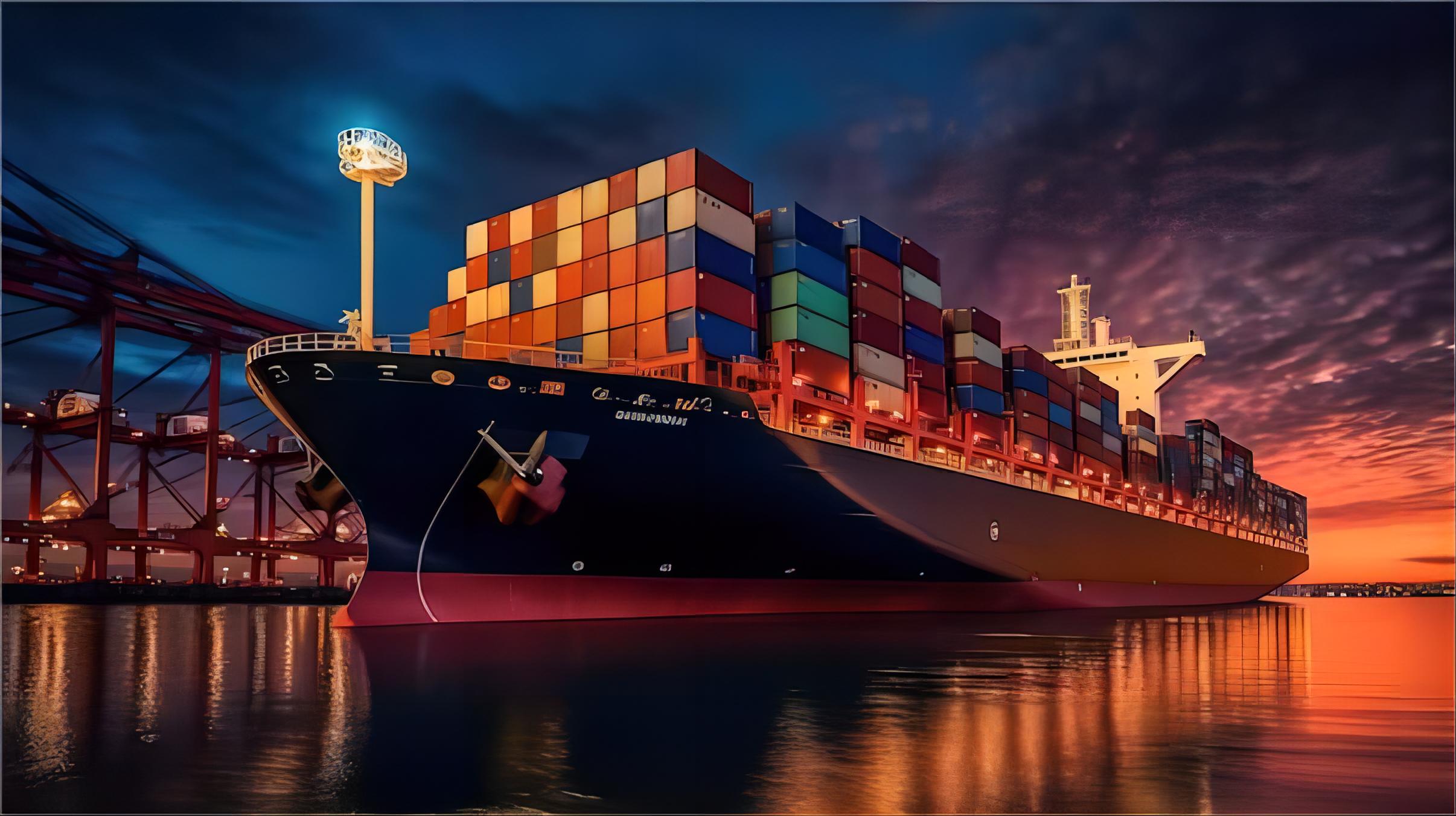
Sea freight remains the most economical option for shipping large volumes and heavy goods from the US to Malaysia. It is ideal for non-urgent shipments, offering significant cost savings over air transport. Businesses can choose between Full Container Load (FCL) or Less than Container Load (LCL) services.
While transit times are longer, typically 25-40 days from US ports, sea freight is highly reliable for bulk cargo. Sea freight solutions are perfect for automotive parts, machinery, raw materials, and consumer goods. However, planning well in advance is essential due to longer delivery schedules.
Air Freight: For Speed and Urgency to Malaysia
Conversely, air freight is the preferred choice for urgent, high-value, or time-sensitive shipments. It offers significantly faster transit times, usually 3-7 days from the US to Malaysian airports. This speed, however, comes at a higher cost per kilogram.
Air freight is particularly suitable for electronics, pharmaceuticals, perishable goods, and samples. While more expensive, it reduces inventory holding costs and allows for quicker market entry. Explore air freight services when speed is your top priority. Nevertheless, weight and dimension restrictions apply.
Navigating Customs and Regulations for US Exports to Malaysia
❖Customs clearance is a critical yet often complex stage in international shipping. For US exports to Malaysia, understanding and complying with both US export controls and Malaysian import regulations is non-negotiable. Therefore, proper documentation and adherence to tariffs are paramount.
Any misstep in this process can lead to significant delays, fines, or even seizure of goods. Consequently, partnering with a knowledgeable US export shipper association Malaysia, which includes expert customs brokerage, is essential. They ensure all legal requirements are met efficiently.
| Document Type | Purpose | Key Information Included | Issuing Party |
|---|---|---|---|
| Commercial Invoice | Declaration of sale, value, description | Seller, buyer, product, quantity, price | Exporter |
| Packing List | Details of cargo contents, packaging | Itemized list of goods, weights, dimensions | Exporter |
| Bill of Lading/Air Waybill | Contract of carriage, title to goods | Shipper, consignee, carrier, route, cargo details | Carrier/Freight Forwarder |
| Certificate of Origin | Proof of country of manufacture | Origin country, product description | Chamber of Commerce/Authorized Body |
| Import Permit/License | Regulatory approval for controlled goods | Specific product, importer, validity | Malaysian Government Agencies |
Essential Documentation for Malaysian Imports
A comprehensive set of documents is required for smooth customs clearance in Malaysia. This typically includes a commercial invoice, packing list, bill of lading (for sea freight) or air waybill (for air freight), and a certificate of origin. Additionally, specific goods may require licenses or permits.
Furthermore, exporters must ensure accurate Harmonized System (HS) codes are used for proper classification of goods. Errors in documentation are a primary cause of delays. Therefore, meticulous preparation is key to avoiding customs hurdles and ensuring timely delivery.
Malaysian Import Duties and Taxes
Malaysia levies import duties and taxes on most imported goods. The rates vary significantly depending on the product’s HS code and origin. Generally, a Goods and Services Tax (GST) or Sales and Service Tax (SST) might also apply.
Exporters should research applicable tariffs beforehand to accurately calculate landed costs. Some goods may qualify for preferential duty rates under free trade agreements between the US and Malaysia. Consequently, understanding these details can lead to significant cost savings for your supply chain.
Optimizing Your Supply Chain: Strategies for Efficiency
❖An optimized supply chain is crucial for competitive advantage in international trade. For US exports to Malaysia, this involves more than just transportation; it encompasses efficient inventory management, strategic warehousing, and advanced technological integration. Therefore, a holistic approach is necessary.
Implementing smart strategies can reduce operational costs, minimize lead times, and enhance customer satisfaction. Consequently, continuous evaluation and adaptation of your logistics processes are vital. A strong US export shipper association Malaysia can provide valuable insights and solutions.
Consolidation and Warehousing Solutions
Consolidating multiple smaller shipments into a single, larger consignment can significantly reduce freight costs, especially for LCL cargo. This strategy is particularly effective for businesses with various suppliers or multiple orders. Moreover, it simplifies documentation and tracking.
Furthermore, strategic warehousing in both the US and Malaysia can improve inventory management and distribution. Warehousing solutions allow for efficient storage, order fulfillment, and cross-docking, reducing transit times for final delivery. Consider this for improved delivery schedules.
Leveraging Technology in Logistics
Modern logistics heavily relies on technology for enhanced visibility and control. Implementing advanced tracking systems, supply chain management software, and data analytics tools can provide real-time insights into your shipments. Indeed, this transparency is invaluable.
Such technologies help predict potential delays, optimize routing, and improve decision-making. As a result, businesses can respond proactively to disruptions and maintain a more agile supply chain. This digital approach is a hallmark of efficient logistics partners.
Case Studies: Real-World US Export Scenarios to Malaysia
❖Examining real-world scenarios provides practical insights into the complexities and solutions for US exports to Malaysia. These case studies highlight how different shipping methods and strategies address specific cargo requirements and logistical challenges. Consequently, they showcase effective problem-solving.
Based on Q3 2024 market rates, these examples illustrate typical costs, transit times, and key considerations. They demonstrate the importance of an experienced US export shipper association Malaysia. Therefore, understanding these examples can guide your own shipping decisions.
Case Study 1: Automotive Parts via Sea Freight
This case illustrates the efficiency of sea freight for heavy, non-urgent industrial components. Strategic planning ensured a cost-effective solution despite the longer transit time. The key insight was leveraging FCL for optimal volume utilization.
| Category | Details |
|---|---|
| Route | Detroit, USA -> Port Klang, Malaysia |
| Cargo | Automotive engine blocks and components, 50 CBM, 25,000 kg |
| Container | 2 x 40GP |
| Shipping Details | Carrier: Maersk, Port of Loading: Long Beach, USA, Port of Discharge: Port Klang, Malaysia, Route Type: Direct |
| Cost Breakdown | Ocean Freight: $9,500, Origin Charges (THC, documentation): $850, Destination Charges: $700, Customs & Duties (estimated): $1,200, Total Landed Cost: $12,250 |
| Timeline | Booking to Loading: 7 days, Sea Transit: 32 days, Customs Clearance: 3 days, Total Door-to-Door: 45 days |
| Key Insight | Cost-effective for heavy, non-urgent cargo. Careful documentation prevented customs delays. Typical rates as of early 2025. |
Case Study 2: High-Value Electronics via Air Freight
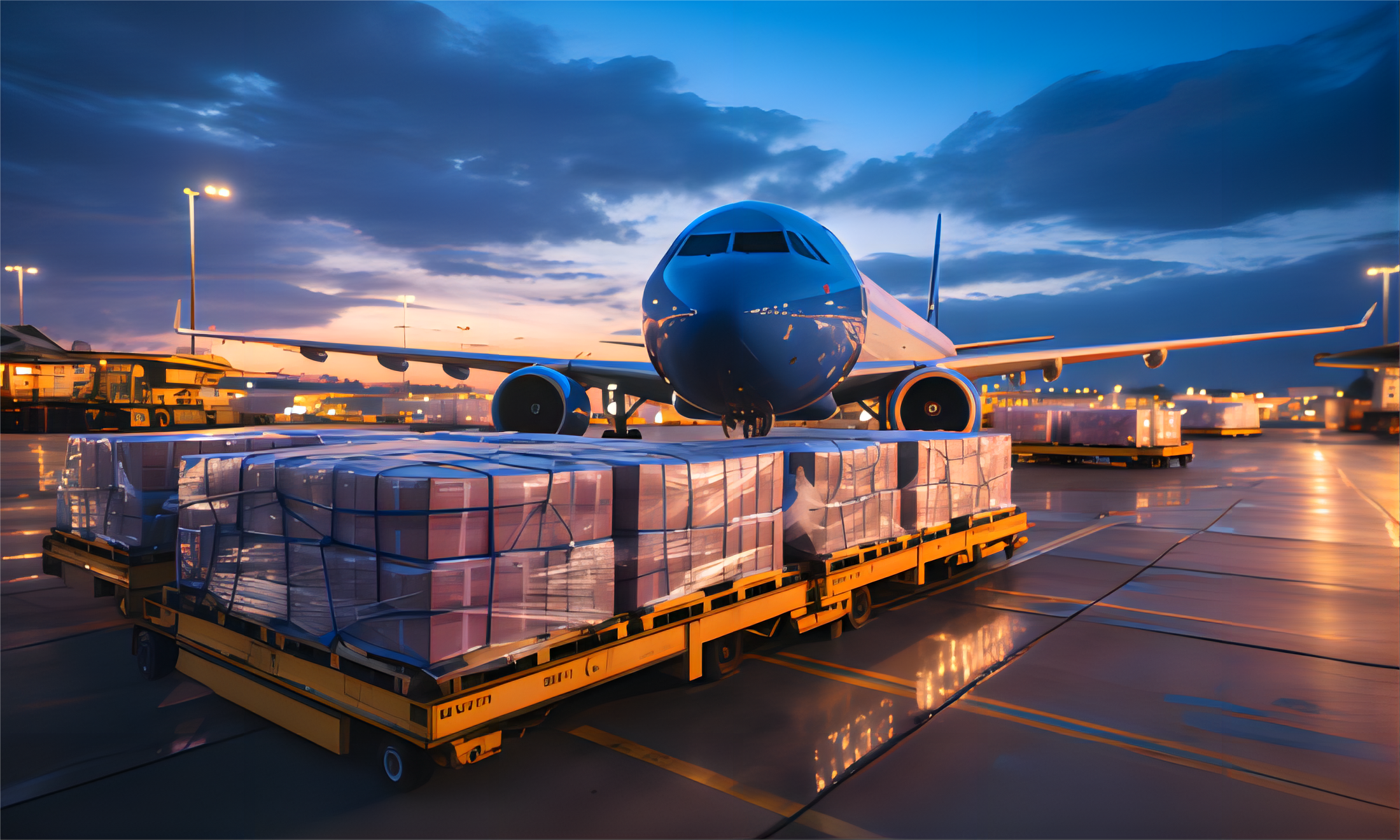
This scenario demonstrates the necessity of air freight for high-value, time-sensitive electronics. Speed was paramount to meet market demand and minimize inventory holding costs. The critical factor was expedited customs clearance at both ends.
| Category | Details |
|---|---|
| Route | San Jose, USA -> Kuala Lumpur, Malaysia |
| Cargo | Server components, 5 CBM, 1,500 kg |
| Container | Air Cargo (ULD) |
| Shipping Details | Carrier: FedEx Express, Airport of Loading: SFO, USA, Airport of Discharge: KUL, Malaysia, Route Type: Direct Air Cargo |
| Cost Breakdown | Air Freight: $10,500, Origin Charges (handling, documentation): $400, Destination Charges: $300, Customs & Duties (estimated): $800, Total Landed Cost: $12,000 |
| Timeline | Booking to Loading: 2 days, Air Transit: 2 days, Customs Clearance: 1 day, Total Door-to-Door: 6 days |
| Key Insight | Essential for time-critical, high-value goods. Higher cost justified by speed and reduced inventory risk. Based on Q3 2024 market rates. |
Case Study 3: Bulk Raw Materials via LCL Sea Freight
This example showcases LCL sea freight for smaller, non-urgent bulk materials. Consolidation allowed the client to ship a relatively small volume economically. The challenge was coordinating with other LCL shipments to optimize container space.
| Category | Details |
|---|---|
| Route | Houston, USA -> Penang, Malaysia |
| Cargo | Specialty chemicals, 12 CBM, 8,000 kg |
| Container | LCL 12 CBM |
| Shipping Details | Carrier: MSC (via freight consolidator), Port of Loading: Houston, USA, Port of Discharge: Port of Penang, Malaysia, Route Type: Transshipment via Singapore |
| Cost Breakdown | Ocean Freight (LCL): $1,800, Origin Charges (consolidation, documentation): $600, Destination Charges: $550, Customs & Duties (estimated): $700, Total Landed Cost: $3,650 |
| Timeline | Booking to Loading: 5 days, Sea Transit: 38 days, Customs Clearance: 4 days, Total Door-to-Door: 50 days |
| Key Insight | Cost-effective for smaller volumes that don’t fill a full container. Transshipment adds a few days but broadens carrier options. Note: Freight rates are subject to change based on fuel costs, carrier capacity, and seasonal demand. Contact us for a current quote tailored to your specific shipment. |
How Does Shipping from US to Malaysia Compare to Other Trade Routes?
❖The dynamics of international shipping vary significantly between different trade lanes. Comparing the US-Malaysia route with others provides a broader perspective on cost, transit time, and logistical complexities. Therefore, understanding these differences is crucial for global strategy.
Indeed, factors such as geographical distance, port infrastructure, and geopolitical influences all impact shipping efficiency. This comparative analysis helps businesses optimize their global supply chain. Consequently, it supports strategic decision-making for various markets.
| Shipping Method | Cost Range (40HQ FCL) | Transit Time (Avg.) | Best For | Limitations |
|---|---|---|---|---|
| US West Coast -> Malaysia (Sea) | $4,000 – $6,000 | 20 – 35 days | Electronics, machinery, industrial goods | Longer lead times, potential port congestion |
| US East Coast -> Malaysia (Sea) | $4,500 – $6,500 | 25 – 40 days | Agricultural products, consumer goods | Longer transit, higher fuel surcharges |
| US -> Europe (Sea) | $2,800 – $4,200 | 18 – 25 days | General cargo, automotive, chemicals | North Atlantic weather disruptions |
| US -> China (Sea) | $1,500 – $3,500 | 14 – 20 days | Raw materials, components for manufacturing | Peak season surcharges, regulatory changes |
| US -> Malaysia (Air) | $5.00 – $10.00/kg | 3 – 7 days | High-value, urgent, perishables | High cost, weight/volume restrictions |

Decision Framework: Which Option Should You Choose?
Making the right shipping decision depends on balancing several key factors. Consider your budget, the urgency of delivery, the nature of your cargo, and the volume of goods. Each scenario dictates a different optimal approach.
Budget priority: For maximum cost savings, sea freight (LCL for smaller volumes, FCL for larger) is generally recommended. Speed priority: Air freight is the undisputed choice for urgent or time-sensitive deliveries. Cargo type considerations: Perishables or high-value electronics often require air freight, while bulk goods are best suited for sea. Volume thresholds: Shipments under 15 CBM might be cost-effective with LCL, while anything larger typically warrants FCL.
Overcoming Common Export Hurdles for US Shippers
❖Despite meticulous planning, international shipping can present unexpected challenges. Exporters often face issues like port congestion, customs delays, and unforeseen disruptions. Therefore, having robust strategies to mitigate these hurdles is essential for maintaining supply chain integrity.
Proactive risk management and flexible logistics solutions are key to navigating these complexities successfully. A reliable US export shipper association Malaysia can provide the foresight and resources needed to overcome such obstacles. Consequently, minimizing their impact on your operations.
Mitigating Delays and Disruptions
Port congestion, labor disputes, and adverse weather conditions can all cause significant delays. To mitigate these, consider diversifying your port options and building in buffer time into your delivery schedule. Furthermore, real-time tracking provides early warnings.
Additionally, working with carriers known for their reliability and communication can help. Staying informed about global logistics trends and potential choke points allows for proactive adjustments. Indeed, preparedness is the best defense against disruptions.
Insurance and Risk Management for US Exports
Cargo insurance is a vital component of any international shipment, protecting against loss, damage, or theft during transit. While often overlooked, the cost of insurance is minimal compared to potential losses. Therefore, it provides peace of mind.
Evaluate different insurance policies to ensure adequate coverage for your specific cargo type and route. Moreover, a comprehensive risk management strategy includes contingency plans for various scenarios. This ensures business continuity even when unexpected events occur.
The Future of US-Malaysia Trade Logistics
❖The landscape of international logistics is constantly evolving, driven by technological advancements, sustainability initiatives, and shifting global trade patterns. For US exports to Malaysia, staying abreast of these changes is crucial for long-term success. Therefore, adaptability is key.
Embracing innovation and forward-thinking strategies will enable businesses to maintain a competitive edge. A proactive US export shipper association Malaysia will continuously integrate new solutions and best practices. Consequently, this ensures efficient and future-proof supply chains.
Emerging Trends in Logistics
Digitization, automation, and artificial intelligence are transforming freight management, offering greater efficiency and transparency. Blockchain technology is also gaining traction for secure documentation and supply chain visibility. Undoubtedly, these innovations are reshaping the industry.
Furthermore, the rise of e-commerce continues to fuel demand for faster, more flexible delivery options. This trend necessitates robust last-mile delivery solutions and efficient cross-border logistics. Adapting to these trends is vital for future growth.
Sustainability in Shipping
Environmental concerns are increasingly influencing shipping practices. Exporters and logistics providers are adopting more sustainable solutions, such as optimizing routes to reduce fuel consumption and investing in greener vessels or aircraft. Indeed, this is a growing imperative.
Choosing partners committed to eco-friendly practices can enhance your brand’s reputation and contribute to global sustainability goals. This includes utilizing multimodal transport and reducing carbon footprints. Consequently, it aligns with modern consumer and regulatory expectations.
Conclusion
Navigating the complexities of US export to Malaysia demands a strategic approach and a reliable logistics partner. From understanding diverse shipping methods and customs regulations to optimizing your supply chain, every detail matters. The journey from the US to Malaysia is indeed filled with opportunities, provided the right logistical framework is in place.
Partnering with an experienced US export shipper association Malaysia can unlock significant efficiencies and opportunities for your business in this dynamic market. By choosing the right services and staying informed about market trends, you can ensure your goods reach their destination smoothly and cost-effectively, fostering long-term trade success.
Ready to streamline your logistics?
Ready to streamline your US exports to Malaysia? Contact our team of experts today for a tailored consultation and a competitive quote. We are dedicated to providing seamless logistics solutions for your US export shipper association Malaysia needs, ensuring your cargo arrives safely and on time.
Request Quote