US Dispatch Route Planning for Singapore Importers: Your Ultimate Guide
Navigating international logistics can be complex, particularly for Singaporean businesses importing goods from the United States. Effective US dispatch route planning for Singapore importers is crucial for minimizing costs, ensuring timely deliveries, and maintaining a competitive edge. This comprehensive guide will illuminate the strategies and considerations necessary for optimizing your supply chain from the US to Singapore, ultimately simplifying your import process. Learn more about our solutions at VeloTactics Logistics.
Why is US Dispatch Route Planning Critical for Singapore Importers?
Indeed, efficient US dispatch route planning is not merely a logistical task; it is a strategic imperative for Singaporean importers. The global supply chain faces constant fluctuations, from freight rate volatility to port congestion, which can significantly impact your business operations. Therefore, a well-thought-out plan ensures predictability and resilience.
Furthermore, optimizing your shipping routes directly translates into reduced shipping costs and improved transit times, which are vital for inventory management and customer satisfaction. By proactively managing your US imports, you can avoid costly delays and unexpected expenses. VeloTactics Logistics offers comprehensive logistics services designed to streamline this complex process for you.
Understanding Key Factors in US-Singapore Logistics
Successfully importing from the US to Singapore requires a thorough understanding of various logistical elements. Consequently, importers must consider everything from freight modes to regulatory compliance. Making informed decisions at each step is paramount for a smooth operation.
Freight Modes: Air vs. Sea
Choosing between air freight and sea freight is often the first major decision in US dispatch route planning. Each method offers distinct advantages and disadvantages regarding speed, cost, and cargo capacity. Your decision typically depends on the urgency, value, and volume of your goods.
| Shipping Method | Cost Range (Approx.) | Transit Time (Approx.) | Best For | Limitations |
|---|---|---|---|---|
| Air Freight (Standard) | $3-6/kg | 3-7 days | High-value, time-sensitive, smaller shipments | Higher cost, volume/weight restrictions |
| Air Freight (Expedited) | $5-10+/kg | 1-3 days | Emergency, very high-value, critical parts | Premium cost, strict size limits |
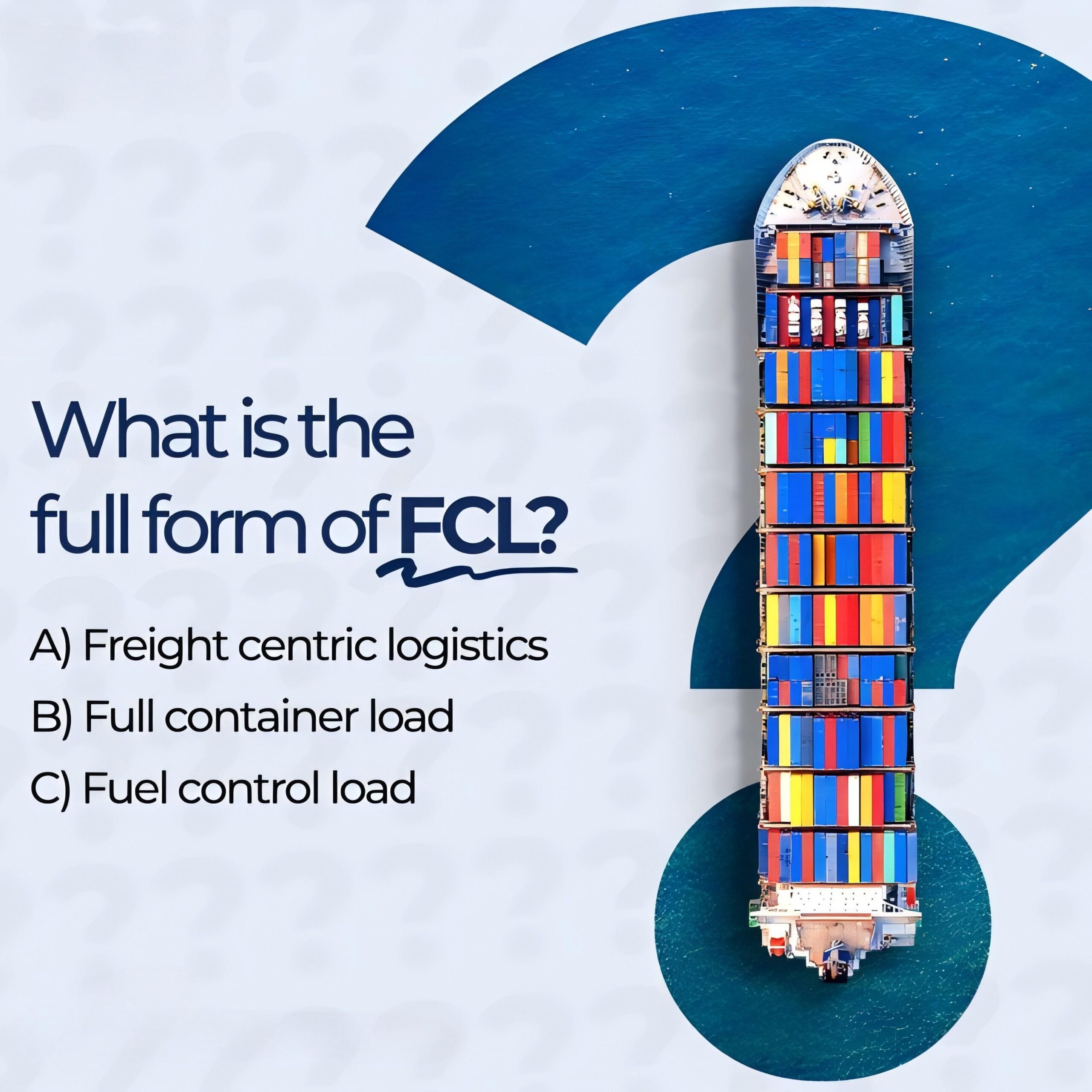
| Sea Freight (FCL 40’HQ) | $3,000-$6,000 per container | 25-40 days | Large volume, heavy, non-urgent goods | Long transit time, port congestion risks |
| Sea Freight (LCL) | $80-$150/CBM | 30-45 days | Smaller volumes (under 15 CBM), cost-sensitive | Longer transit, potential for delays, handling fees |

Navigating US Export & Singapore Import Regulations
Moreover, compliance with both US export and Singapore import regulations is non-negotiable. This involves meticulous documentation, including commercial invoices, packing lists, bills of lading or air waybills, and certificates of origin. Errors in paperwork can lead to significant customs delays and penalties, affecting your delivery schedule.
Furthermore, Singapore has specific import duties, taxes (like GST), and regulatory requirements for certain product categories. Understanding these in advance is crucial for accurate cost estimation and avoiding unforeseen issues during customs clearance for US exports to Singapore. Proper classification of goods is also vital.
Cost Components and Freight Rates
Consequently, a comprehensive understanding of all cost components is essential for effective budgeting. Beyond the base freight rates, you must account for origin charges (e.g., terminal handling, documentation), destination charges (e.g., customs clearance, delivery), and potential surcharges (e.g., fuel, peak season). These additional costs can significantly impact the total landed cost of your goods. Based on current market rates as of Q3 2024, freight rates from the US to Singapore have seen some stabilization, but remain subject to various global factors.
How to Optimize Your US Dispatch Route Planning?
Optimizing your US dispatch route planning involves a multi-faceted approach, focusing on strategic partnerships and technological integration. Singapore importers can achieve significant efficiencies by carefully considering each stage of the supply chain. This proactive management allows for better control over costs and timelines.
Strategic Carrier Selection
Selecting the right freight forwarder or carrier is paramount for successful US imports. Look for partners with proven experience on the US-Singapore lane, offering reliable service, competitive freight rates, and excellent communication. They should also provide comprehensive cargo handling and tracking capabilities. A good partner can navigate port congestion and unforeseen challenges effectively.
Leveraging Technology for Supply Chain Efficiency
Additionally, modern supply chain management relies heavily on digital solutions for US export planning. Utilizing advanced logistics platforms can provide real-time visibility into your shipments, automate documentation, and offer predictive analytics for demand forecasting. This technology empowers importers to make data-driven decisions, enhancing overall supply chain efficiency.
Moreover, digital tools help manage inventory and track delivery schedules more accurately, reducing the need for manual checks. This transparency is key to proactive problem-solving.
Consolidation and Warehousing Strategies
Consider consolidation services if you are importing smaller shipments from multiple US suppliers. Consolidating various LCL shipments into a single FCL shipment can significantly reduce per-unit shipping costs and administrative overhead. Many freight forwarders offer warehousing solutions in the US for Singapore-bound cargo, allowing for efficient consolidation and streamlined dispatch.
This strategy is particularly beneficial for e-commerce shipping from USA to Singapore, where diverse product sourcing is common. Proper inventory management for US-sourced products at the origin warehouse can also prevent delays.
How Does Shipping from the US Compare to Other Options for Singapore Importers?
When planning your US imports, evaluating all viable shipping alternatives is essential. Each method offers a different balance of speed, cost, and capacity, making the ‘best’ choice highly dependent on your specific needs. Understanding these trade-offs is fundamental for effective US dispatch route planning.
For instance, while sea freight is generally the most economical for large volumes, air freight becomes indispensable for urgent or high-value items. Hybrid solutions can also bridge the gap between these extremes.
| Shipping Method | Cost Range (Approx.) | Transit Time (Approx.) | Best For | Limitations |
|---|---|---|---|---|
| Air Freight | High ($3-10+/kg) | 1-7 days | Time-critical, high-value, perishable goods, small packages | High cost, limited capacity for very large/heavy items |
| Sea Freight (FCL) | Moderate ($3,000-$6,000/container) | 25-40 days | Large volumes, heavy cargo, non-urgent, cost-sensitive | Long transit time, susceptible to port delays, less flexibility |
| Sea Freight (LCL) | Low-Moderate ($80-$150/CBM) | 30-45 days | Smaller volumes (under 15 CBM), cost-sensitive, flexible | Longer transit than FCL, potential for more handling/delays, higher per-unit cost than FCL |
| Sea-Air (Hybrid) | Moderate-High | 15-25 days | Urgent but not critical, balance of speed and cost | More complex coordination, not always available, potentially higher risk of transshipment delays |
Real-World Scenarios: Successful US-Singapore Shipments
Examining real-world case studies provides practical insights into effective US dispatch route planning. These examples highlight how different strategies are applied based on cargo type, urgency, and budget. They underscore the importance of tailored logistics solutions for Singapore importers.
Case Study 1: High-Value Electronics Expedited
This scenario demonstrates how air freight can be critical for time-sensitive, high-value goods, ensuring minimal downtime for the Singaporean importer. The premium cost was justified by the need for speed and security.
| Detail | Description |
|---|---|
| Route | Los Angeles, USA Singapore |
| Cargo | High-end server components, 3 CBM, 450 kg |
| Container | Air Freight (Palletized) |
| Shipping Details | Carrier: Major airline partner; Port of Loading: LAX; Port of Discharge: SIN; Route Type: Direct Air Cargo |
| Cost Breakdown | Air Freight: $2,700; Origin Charges: $350; Destination Charges: $280; Customs & Duties (estimated): $150; Total Landed Cost: $3,480 |
| Timeline | Booking to Loading: 1 day; Air Transit: 2 days; Customs Clearance: 1 day; Total Door-to-Door: 4 days |
| Key Insight | Expedited air freight ensured quick delivery of critical components, minimizing production delays for the client. Typical rates as of early 2025. |
Case Study 2: Industrial Machinery for Factory Expansion
Conversely, this case illustrates the cost-effectiveness of FCL sea freight for large, heavy machinery. While slower, the significant cost savings are ideal for non-urgent factory equipment, showcasing optimal usage of shipping costs.
| Detail | Description |
|---|---|
| Route | Houston, USA Singapore |
| Cargo | Manufacturing equipment, 30 CBM, 12,000 kg |
| Container | 1 x 40’GP |
| Shipping Details | Carrier: MSC; Port of Loading: Houston; Port of Discharge: Singapore; Route Type: Transshipment via Busan |
| Cost Breakdown | Ocean Freight: $4,200; Origin Charges: $650; Destination Charges: $550; Customs & Duties (estimated): $200; Total Landed Cost: $5,600 |
| Timeline | Booking to Loading: 5 days; Sea Transit: 35 days; Customs Clearance: 3 days; Total Door-to-Door: 43 days |
| Key Insight | FCL sea freight provided the most economical solution for heavy machinery, aligning with the project’s long-term timeline. Based on Q3 2024 market rates. |
Case Study 3: Consolidated Retail Goods from Multiple Suppliers
This example demonstrates the benefits of LCL consolidation for diverse retail products, optimizing space and reducing individual shipping expenses. It highlights effective supply chain management for varied goods.
| Detail | Description |
|---|---|
| Route | New York, USA Singapore |
| Cargo | Assorted retail merchandise (textiles, accessories), 8 CBM, 1,500 kg |
| Container | LCL (Consolidated) |
| Shipping Details | Carrier: Major NVOCC; Port of Loading: New York; Port of Discharge: Singapore; Route Type: Direct LCL service |
| Cost Breakdown | Ocean Freight: $1,100; Origin Charges: $280; Destination Charges: $420; Customs & Duties (estimated): $100; Total Landed Cost: $1,900 |
| Timeline | Booking to Loading: 7 days; Sea Transit: 30 days; Customs Clearance: 4 days; Total Door-to-Door: 41 days |
| Key Insight | Consolidating multiple small shipments into LCL significantly reduced overall freight rates compared to individual air or LCL shipments. This strategy optimized cost-effectiveness for managing transit times US-Singapore. Note: Freight rates are subject to change based on fuel costs, carrier capacity, and seasonal demand. Contact us for a current quote tailored to your specific shipment. |
Mitigating Risks and Ensuring Compliance
Risk mitigation in US-Singapore shipping is a crucial aspect of successful logistics. From potential cargo damage to customs hold-ups, various challenges can disrupt your supply chain. Proactive measures are therefore essential to protect your investments and maintain delivery schedules.
Consider, for instance, comprehensive cargo insurance to safeguard against loss or damage during transit. Furthermore, working with experienced partners who understand compliance requirements for Singapore imports can prevent costly errors. Our customs brokerage services ensure your documentation is accurate and compliant.
What Are the Latest Logistics Trends Affecting US-Singapore Trade?
The logistics landscape is continually evolving, with several key trends impacting US-Singapore trade. Understanding these trends helps Singapore importers adapt their US dispatch route planning strategies effectively. For example, the push towards digitalization is transforming how shipments are tracked and managed, offering greater transparency.
According to industry benchmarks, increased adoption of sustainable shipping practices is also gaining traction, influencing carrier choices and operational decisions. Moreover, geopolitical events and economic shifts can rapidly alter freight rates and transit times, demanding agile responses. Market data suggests that while rates have stabilized post-pandemic, seasonal demand (e.g., Q4 peak season) continues to drive fluctuations.
Which Option Should You Choose for Your US Imports?
Deciding on the optimal shipping method for your US imports depends on a clear understanding of your priorities. A strategic approach to US dispatch route planning considers budget, speed, and cargo specifics. This decision framework helps you select the most suitable solution every time.
Budget priority: If cost is your primary concern and time allows, sea freight (FCL or LCL) is typically the most economical option for bulk goods. Speed priority: For urgent shipments, high-value items, or perishable goods, air freight provides the quickest transit time. Cargo type considerations: Hazardous materials, oversized cargo, or temperature-sensitive goods may require specialized handling and specific shipping methods. Volume thresholds: For shipments under 15 CBM, LCL sea freight is often more cost-effective than FCL, but if your volume approaches a full container, FCL becomes the better value.
Streamline Your US Dispatch Route Planning for Singapore Imports
In conclusion, mastering US dispatch route planning for Singapore importers is a multifaceted endeavor that demands careful consideration of various factors, from freight modes and regulatory compliance to cost components and risk mitigation. By understanding these elements and leveraging strategic partnerships, Singaporean businesses can significantly enhance their supply chain efficiency. Furthermore, adopting technology and exploring hybrid solutions can provide additional layers of optimization, ensuring your goods arrive on time and within budget. Ultimately, a well-executed plan is your blueprint for successful US imports.
Ready to streamline your logistics?
Ready to optimize your US dispatch route planning for Singapore imports? Contact VeloTactics Logistics today for a personalized consultation and a competitive quote. Our experts are here to streamline your supply chain and help you achieve significant cost and time efficiencies. Take the first step towards smarter logistics.
Request Quote