
US Export Packaging Requirements for Malaysia: Your Complete Guide
Successfully exporting goods from the United States to Malaysia demands a precise understanding of VeloTactics Logistics and specific US export packaging requirements for Malaysia. This comprehensive guide helps businesses navigate the complexities of international shipping, ensuring compliance and efficiency. We will explore everything from documentation to choosing the right shipping method for your cargo.
Why Are US Export Packaging Requirements for Malaysia So Important?
Adhering to specific US export packaging requirements for Malaysia is not merely a formality; it is crucial for successful delivery. Improper packaging can lead to significant delays, cargo damage, and costly penalties at Malaysian customs. Therefore, understanding these regulations is paramount for any exporter.

Moreover, compliant packaging protects your goods during transit, which often involves multiple handling points and varying environmental conditions. Consequently, it minimizes the risk of product loss or damage, safeguarding your investment and reputation. Businesses must prioritize robust and compliant packaging solutions.
Key Documentation for Exporting from US to Malaysia
Proper documentation is as vital as correct packaging when shipping from the US to Malaysia. Without the right paperwork, your shipment will face inevitable delays at customs. Therefore, meticulous preparation of all required documents is essential.
Furthermore, ensuring all details on these documents match your physical cargo and packaging is critical. Discrepancies can trigger customs inspections, prolonging transit times and incurring additional charges. A thorough document review prevents many common export issues.
| Document Type | Purpose | Key Details |
|---|---|---|
| Commercial Invoice | Customs valuation and duties | Shipper/Consignee info, goods description, value, Incoterms |
| Packing List | Inventory verification | Detailed contents, dimensions, weight per package |
| Bill of Lading (BOL)/Air Waybill (AWB) | Contract of carriage | Carrier, origin/destination, cargo description, terms |
| Certificate of Origin | Tariff eligibility (FTA) | Country where goods were manufactured |
| Export License (if applicable) | Government authorization | Specific goods requiring export control |
| Fumigation Certificate (ISPM 15) | Pest control for wood packaging | Treatment details for wood packaging materials |
Understanding Malaysian Import and Packaging Regulations
Malaysia has its own set of import regulations that directly impact how goods must be packaged and labeled. Exporters must comply with these rules to ensure smooth entry and avoid customs complications. This includes specific requirements for various product categories.
Additionally, understanding specific Malaysian import restrictions on certain goods is critical. Some items may require special permits or be prohibited entirely. Always verify product-specific regulations before shipping, especially for sensitive goods or foodstuffs.
Wood Packaging Material (ISPM 15)
For instance, all wood packaging materials (WPM) entering Malaysia must comply with International Standards for Phytosanitary Measures No. 15 (ISPM 15). This regulation aims to prevent the spread of pests and diseases through untreated wood. Therefore, pallets, crates, and dunnage must be heat treated or fumigated.
Moreover, compliant WPM must bear a visible, certified stamp indicating it has met ISPM 15 standards. Failure to comply will result in the shipment being delayed, returned, or even destroyed at the exporter’s expense. Using certified suppliers for your wood packaging is a best practice.
Labeling Requirements for Malaysia Imports
Malaysian regulations often require specific labeling for imported goods, particularly consumer products. Labels must typically be in English or Bahasa Malaysia and include product name, country of origin, manufacturer’s details, and ingredients/composition. Furthermore, specific industries like food, pharmaceuticals, and cosmetics have additional stringent labeling rules.
Incorrect or incomplete labeling can lead to goods being held at customs, requiring relabeling, or even re-exportation. Therefore, reviewing the latest Malaysian labeling standards for your specific product category is essential. This prevents costly delays and ensures market entry.
Choosing the Right Shipping Method: US to Malaysia
Selecting the optimal shipping method from the US to Malaysia significantly impacts cost, transit time, and cargo integrity. Your choice depends on factors like shipment size, urgency, and budget. Consequently, a careful evaluation of available options is necessary.
Considering the vast distance, air freight and sea freight are the primary options. Each offers distinct advantages and disadvantages that exporters must weigh. A strategic decision on your shipping method is key to efficient supply chain logistics.
| Shipping Method | Cost Range (40HQ / 1000kg Air) | Transit Time | Best For | Limitations |
|---|---|---|---|---|
| Sea Freight (FCL) | $3,500 – $5,000 | 25-45 days | Large volumes, non-urgent goods, heavy items | Long transit times, potential port congestion |
| Sea Freight (LCL) | $80 – $150 per CBM | 30-50 days | Smaller volumes (under 15 CBM), cost-sensitive | Longer transit than FCL, more handling, potential delays |
| Air Freight (General Cargo) | $7 – $10 per kg | 3-7 days | Urgent, high-value, perishable goods, small packages | High cost, weight/volume restrictions, environmental impact |
How Does US-Malaysia Shipping Compare to Other Options?
When planning your export strategy, it’s vital to compare US to Malaysia shipping with other common routes and methods. This helps optimize your supply chain and manage freight rates effectively. Understanding these comparisons can unlock significant cost-saving strategies.
Moreover, market conditions, such as fuel surcharges and carrier capacity, heavily influence pricing and transit times. For instance, while sea freight offers lower costs, air freight provides unparalleled speed for urgent deliveries. Businesses often seek hybrid solutions for a balanced approach.
Sea Freight vs. Air Freight for Malaysia
While sea freight for a 40HQ from the US West Coast to Port Klang typically costs between $3,500-$5,000, air freight for a similar volume (e.g., 10,000 kg) would cost $70,000-$100,000. However, air freight arrives in 3-7 days instead of 25-45 days. This stark difference highlights the trade-off between cost and speed.
For shipments under 15 CBM, sea freight solutions via LCL at $80-$150/CBM may be far more economical than air freight. Conversely, for critical components or samples, air freight services are indispensable, despite the higher cost. The decision hinges on your specific delivery schedule and budget priority.
Direct vs. Transshipment Routes
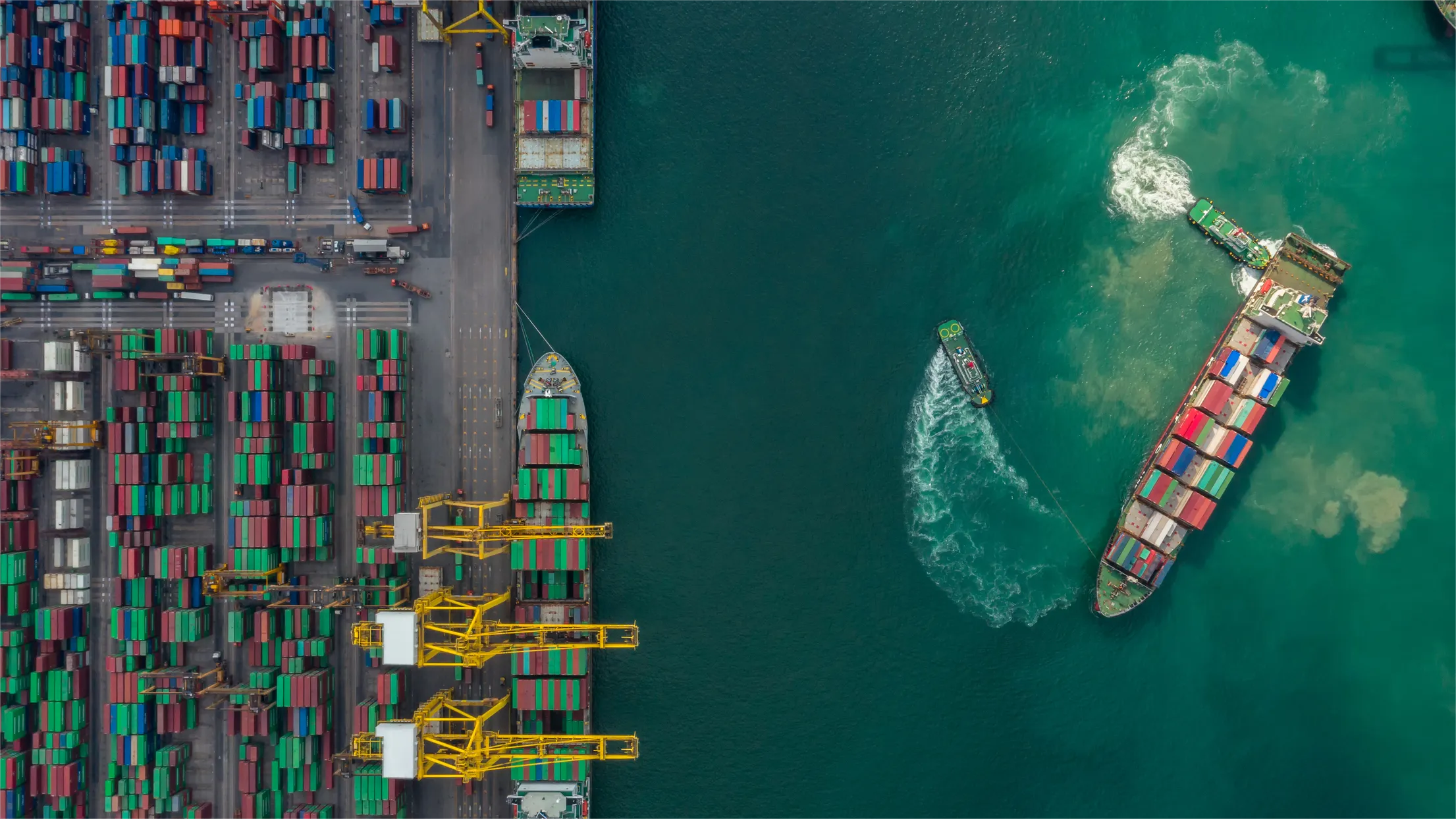
Direct routes from major US ports like Los Angeles or New York to Port Klang or Penang offer the fastest sea transit times. However, these can sometimes be 10-15% more expensive than routes involving transshipment via intermediate ports like Singapore. Transshipment might add 5-10 days to the total transit.
Consequently, if speed is a priority and your budget allows, direct routes are preferable. Conversely, for cost-sensitive, less urgent cargo, transshipment can provide a more economical solution. This trade-off is a common consideration in international shipping.
Which Option Should You Choose?
Your decision framework should prioritize budget, speed, and cargo type. If budget is the primary concern for large, non-perishable goods, FCL sea freight is typically the best option. For smaller volumes, LCL sea freight offers a cost-effective alternative. Furthermore, for time-sensitive or high-value items, air freight is the clear choice.
Consider hybrid solutions for a balanced approach; for example, using sea freight for bulk components and air freight for urgent, smaller parts. Moreover, for specialized cargo like hazardous materials, specific logistics services and specialized packaging are mandatory. Always consult with expert freight forwarders for tailored advice.
Real-World Export Scenarios: US to Malaysia
Examining real-world case studies illustrates how varying factors influence shipping decisions and outcomes. These examples highlight the practical application of US export packaging requirements for Malaysia and strategic logistics choices. They also demonstrate common challenges and effective solutions.
Moreover, these scenarios showcase how careful planning, adherence to regulations, and selecting the right partners can lead to successful international trade. Based on Q3 2024 market rates, these examples provide realistic insights into current shipping dynamics.
Case Study 1: Electronics Components for Assembly
| Detail | Description |
|---|---|
| Route | Los Angeles, USA -> Port Klang, Malaysia |
| Cargo | Electronics components (resistors, capacitors), 8 CBM, 2,500 kg |
| Container | LCL (Less than Container Load) |
| Shipping Details | Carrier: CMA CGM, Port of Loading: Long Beach, Port of Discharge: Port Klang, Route Type: Transshipment via Singapore |
| Cost Breakdown | Ocean Freight: $1,200, Origin Charges: $350, Destination Charges: $280, Customs & Duties (estimated): $450, Total Landed Cost: $2,280 |
| Timeline | Booking to Loading: 5 days, Sea Transit: 32 days, Customs Clearance: 3 days, Total Door-to-Door: 40 days |
| Key Insight | LCL was chosen for cost-effectiveness for a mid-sized shipment. Transshipment added a few days but offered better rates. Proper customs clearance expertise prevented delays at destination. |
Case Study 2: Machinery for Manufacturing Plant
| Detail | Description |
|---|---|
| Route | Houston, USA -> Penang, Malaysia |
| Cargo | Industrial machinery, 1 x 40HQ, 20,000 kg |
| Container | 40HQ (Full Container Load) |
| Shipping Details | Carrier: Maersk, Port of Loading: Houston, Port of Discharge: Penang, Route Type: Direct service |
| Cost Breakdown | Ocean Freight: $4,800, Origin Charges: $650, Destination Charges: $500, Customs & Duties (estimated): $1,200, Total Landed Cost: $7,150 |
| Timeline | Booking to Loading: 7 days, Sea Transit: 38 days, Customs Clearance: 4 days, Total Door-to-Door: 49 days |
| Key Insight | FCL was essential for safeguarding large, sensitive machinery. Direct service minimized transit time despite a slightly higher cost. Robust wooden crating (ISPM 15 compliant) was critical for protection. Typical rates as of early 2025. |
Case Study 3: Urgent Medical Supplies
| Detail | Description |
|---|---|
| Route | Chicago, USA -> Kuala Lumpur (KUL), Malaysia |
| Cargo | Medical diagnostic kits, 250 kg, 1.5 CBM |
| Container | Air Cargo |
| Shipping Details | Carrier: Cathay Pacific Cargo, Airport of Origin: ORD, Airport of Destination: KUL, Route Type: Direct flight with one stop |
| Cost Breakdown | Air Freight: $2,250 ($9/kg), Origin Charges: $150, Destination Charges: $100, Customs & Duties (estimated): $200, Total Landed Cost: $2,700 |
| Timeline | Booking to Loading: 1 day, Air Transit: 2 days, Customs Clearance: 1 day, Total Door-to-Door: 4 days |
| Key Insight | Air freight was chosen for extreme urgency of medical supplies. Despite the high cost, speed was paramount. Specialized temperature-controlled packaging was used to maintain product integrity. Market data suggests these rates are common for urgent air shipments. |
Best Practices for Packaging and Cargo Handling
Effective packaging goes beyond mere compliance; it’s about protecting your goods throughout their journey. Employing best practices minimizes risks and ensures your products arrive in pristine condition. Therefore, investment in quality packaging materials is always worthwhile.
Consider the type of product, its fragility, and the environmental conditions it will encounter. Furthermore, proper cargo handling procedures, from loading to unloading, are equally important. This integrated approach reduces damage and improves delivery reliability.
Material Selection and Protection
Choosing appropriate packaging materials is fundamental. For instance, use sturdy cartons, pallets, and crates suitable for international transit. Employ internal cushioning like foam, bubble wrap, or corrugated inserts to prevent movement and absorb shocks. This protects goods from vibration and impact damage.
Moreover, for sensitive items, consider specialized packaging like anti-static bags for electronics or temperature-controlled containers for perishables. Water-resistant wrapping or desiccants can protect against moisture damage, which is crucial for long sea voyages. These measures safeguard your cargo effectively.
Proper Palletization and Container Loading
Correct palletization ensures stability and efficient handling. Goods should be evenly distributed and securely strapped or shrink-wrapped to the pallet. This prevents shifting during transit and allows for easy forklift operation. Furthermore, use ISPM 15 certified pallets if wood is involved.
When loading containers, maximize space efficiently while ensuring proper weight distribution. Use dunnage bags or bracing to fill voids and prevent cargo movement. This prevents damage to both the goods and the container walls. Proper loading is a critical aspect of cargo handling.
Mastering US Export Packaging Requirements for Malaysia
Navigating the landscape of US export packaging requirements for Malaysia can seem daunting, yet it is entirely manageable with the right approach and expertise. By understanding documentation, adhering to Malaysian import regulations, and choosing appropriate shipping methods, businesses can ensure smooth, efficient, and compliant international trade. Prioritizing robust packaging and meticulous planning is key to success.
Indeed, the complexities of customs, transit times, and freight rates demand a strategic partner. VeloTactics Logistics stands ready to provide comprehensive <a href=”https://velotac-log.com/services/”>logistics services</a>, offering tailored solutions for your specific export needs. We help you overcome challenges, optimize your supply chain, and expand your reach into the Malaysian market effectively.
Get Your Shipping Quote Today
Are you ready to streamline your exports to Malaysia and ensure compliance with all packaging requirements? Contact VeloTactics Logistics today for a personalized consultation and a competitive quote. Our team of experts is prepared to assist you with every step of your international shipment, from documentation to delivery.
Request Quote