

Your US Shipping Agent for FCL/LCL Service to Singapore
Navigating international freight from the US to Singapore can be complex, especially when dealing with various cargo sizes and regulatory requirements. Businesses often face challenges like fluctuating shipping costs, extended transit times, and intricate customs procedures. This guide offers a clear path to efficient FCL and LCL shipping solutions, ensuring your goods reach Singapore smoothly and cost-effectively with a trusted partner like VeloTactics Logistics.

Understanding FCL and LCL Shipping for Your Singapore-Bound Cargo
When shipping from the US to Singapore, selecting between Full Container Load (FCL) and Less than Container Load (LCL) is a critical decision. This choice significantly impacts your shipping costs, transit time, and overall supply chain efficiency. Consequently, understanding the nuances of each option is vital for optimizing your logistics strategy.
FCL shipping means your goods occupy an entire container, regardless of whether it’s fully packed. This method is generally preferred for larger shipments or when cargo requires dedicated space and security. Conversely, LCL shipping involves consolidating your goods with other shippers’ cargo into one container, making it ideal for smaller volumes.
A reliable US shipping agent specializing in FCL/LCL service to Singapore can guide you through these choices. They help determine the most economical and efficient method for your specific cargo. Furthermore, they streamline the entire process from origin to final delivery.
Why Choose a Specialized US Shipping Agent for Singapore?
Partnering with an experienced US shipping agent for your FCL/LCL service to Singapore offers numerous advantages. These agents possess in-depth knowledge of international trade regulations, customs procedures, and optimal shipping routes. Therefore, they minimize potential delays and unexpected costs for your business.
Moreover, a specialized agent provides access to a vast network of carriers, ensuring competitive freight rates and flexible scheduling. This global reach is crucial for navigating the complexities of international logistics effectively. They also handle all necessary documentation, ensuring compliance and reducing administrative burdens.

For instance, managing import/export documentation for Singapore requires precision and adherence to local laws. An expert agent ensures all paperwork is correctly submitted, preventing customs clearance issues. This proactive approach saves time and money, securing a smoother delivery schedule.
Ultimately, such a partnership allows you to focus on your core business, knowing your international shipments are in capable hands. They act as an extension of your team, providing end-to-end supply chain solutions.
FCL Shipping from the US to Singapore: Benefits and Considerations
Full Container Load (FCL) shipping is often the go-to option for businesses with substantial cargo volumes destined for Singapore. With FCL, your goods benefit from exclusive container use, enhancing security and reducing handling. This direct approach typically results in faster transit times compared to LCL.
The primary advantage of FCL is reduced risk of damage or loss because your cargo is not handled alongside others. Furthermore, FCL shipments often involve fewer stops and direct routes, leading to a more predictable delivery schedule. This predictability is invaluable for supply chain planning.
While initial FCL shipping rates might appear higher, the cost per unit can be lower for larger volumes. This makes it a cost-effective solution for bulk cargo shipping from the USA to Singapore. Consider sea freight services for efficient FCL transport.
However, FCL requires you to fill an entire container, which might not be economical for smaller shipments. Businesses should carefully assess their cargo volume to determine if FCL is the most suitable option for their needs.
LCL Shipping from the US to Singapore: Cost-Effective Solutions for Smaller Shipments
Less than Container Load (LCL) shipping presents an excellent solution for businesses with smaller cargo volumes that don’t justify an entire container. In LCL, your goods share container space with other shipments, allowing you to pay only for the volume you occupy. This makes LCL shipping costs to Singapore highly economical for smaller businesses.
The main benefit of LCL is its flexibility and affordability for less-than-full container loads. It provides an accessible entry point for international trade, especially for startups or those testing new markets. Consequently, LCL consolidates cargo from multiple shippers, maximizing container space.
While LCL transit times might be slightly longer due to consolidation and deconsolidation processes, the cost savings often outweigh this. An expert US shipping agent ensures efficient cargo handling and timely delivery for your consolidated cargo US to Singapore. They manage all aspects of the process, including customs clearance Singapore.
When considering LCL, it is crucial to work with a freight forwarder who excels in consolidation services. They can minimize delays and ensure the integrity of your shipment. This careful management is key to successful international logistics Singapore.
How Does US to Singapore Freight Compare to Other Shipping Options?
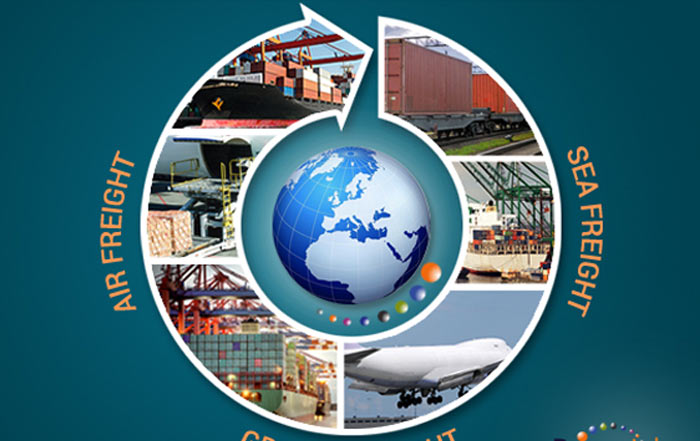
Choosing the right shipping method from the US to Singapore involves weighing various factors, including speed, cost, and cargo type. While sea freight (FCL/LCL) is generally the most economical, air freight offers significantly faster transit times. Understanding these trade-offs is crucial for effective supply chain management.
For urgent shipments, air freight provides unparalleled speed, delivering goods in days rather than weeks. However, this expedited service comes at a substantially higher cost, making it less suitable for heavy or bulky items. On the other hand, sea freight offers a balance of capacity and cost-effectiveness.
Consider the specific requirements of your goods. Perishable items or high-value electronics might benefit from air freight’s speed and security. Conversely, durable goods, raw materials, or large machinery are typically best suited for ocean freight due to its capacity and lower freight rates. Always factor in total landed cost, not just transport fees.
Hybrid solutions, though less common for this route, involve combining different modes for optimized efficiency. For example, a sea-air option might involve sea transport to a regional hub, followed by air freight to the final destination, though direct sea routes are prevalent for US-Singapore.
Note: Freight rates are subject to change based on fuel costs, carrier capacity, and seasonal demand. Contact us for a current quote tailored to your specific shipment.
| Shipping Method | Cost Range (per kg/CBM) | Transit Time | Best For | Limitations |
|---|---|---|---|---|
| FCL Sea Freight | $50-100/CBM | 25-35 days | Large volumes, heavy goods, cost-saving | Slower, requires full container |
| LCL Sea Freight | $80-150/CBM | 30-40 days | Smaller shipments, budget-conscious | Slower, more handling, potential for minor delays |
| Air Freight | $5-10/kg | 3-7 days | Urgent, high-value, perishable goods | High cost, limited volume/weight |
Streamlining Customs Clearance and Documentation for Singapore Imports
Efficient customs clearance is a cornerstone of successful international shipping. Importing goods into Singapore requires precise documentation and adherence to specific regulations. Consequently, navigating these complexities without expert assistance can lead to significant delays and penalties.
A professional US shipping agent for FCL/LCL service to Singapore will manage all necessary paperwork. This includes commercial invoices, packing lists, bills of lading, and certificates of origin. They ensure all documents comply with both US export and Singapore import requirements, facilitating a smooth process.
Furthermore, they provide expert guidance on tariffs, duties, and taxes applicable to your specific cargo. Understanding these costs upfront is vital for accurate budgeting and avoiding unexpected expenses. Customs brokerage services are indispensable here.
By leveraging their expertise, businesses can mitigate risks associated with trade compliance and reduce the likelihood of customs holds. This proactive approach ensures your delivery schedule remains on track, supporting your overall supply chain solutions US-Singapore.
Case Studies: Successful US to Singapore Shipments
These real-world examples illustrate how effective planning and a reliable US shipping agent can overcome common logistics challenges. They highlight various scenarios, from small business shipping Singapore needs to large-scale operations.
These cases demonstrate the value of tailored solutions and expert execution in international freight forwarding. They underscore the importance of choosing the right FCL/LCL service Singapore partner for diverse cargo types and budget considerations. Each case offers insights into optimizing transit time and managing costs effectively.
Case Study 1: Electronics Component Shipment (LCL)
| Detail | Description |
|---|---|
| Route | Los Angeles, USA -> Singapore |
| Cargo | High-value electronics components, 8 CBM, 1200 kg |
| Container | LCL 8 CBM |
| Shipping Details | Major carrier (e.g., OOCL), Port of Loading: Long Beach, Port of Discharge: Singapore, Route Type: Transshipment via Busan |
| Cost Breakdown | Ocean Freight: $1,200, Origin Charges: $350, Destination Charges: $400, Customs & Duties (estimated): $500, Total Landed Cost: $2,450 (Based on Q3 2024 market rates) |
| Timeline | Booking to Loading: 5 days, Sea Transit: 28 days, Customs Clearance: 3 days, Total Door-to-Door: 36 days |
| Key Insight | Cost-effective for smaller, high-value cargo. Careful consolidation and transshipment management were crucial for timely delivery. |
Case Study 2: Industrial Machinery Parts (FCL)
| Detail | Description |
|---|---|
| Route | Houston, USA -> Singapore |
| Cargo | Heavy industrial machinery parts, 25 CBM, 15,000 kg |
| Container | 40GP |
| Shipping Details | Major carrier (e.g., MSC), Port of Loading: Houston, Port of Discharge: Singapore, Route Type: Direct |
| Cost Breakdown | Ocean Freight: $3,800, Origin Charges: $600, Destination Charges: $750, Customs & Duties (estimated): $800, Total Landed Cost: $5,950 (Typical rates as of early 2025) |
| Timeline | Booking to Loading: 7 days, Sea Transit: 30 days, Customs Clearance: 2 days, Total Door-to-Door: 39 days |
| Key Insight | Direct FCL route ensured minimal handling and faster transit for oversized, heavy cargo. Pre-arranged port services were vital. |
Case Study 3: Retail Goods for New Market Entry (LCL with Warehousing)
| Detail | Description |
|---|---|
| Route | New York, USA -> Singapore |
| Cargo | Assorted retail apparel, 12 CBM, 2500 kg |
| Container | LCL 12 CBM |
| Shipping Details | Major carrier (e.g., Maersk), Port of Loading: New York, Port of Discharge: Singapore, Route Type: Transshipment via Colombo |
| Cost Breakdown | Ocean Freight: $1,800, Origin Charges: $450, Destination Charges: $550, Customs & Duties (estimated): $650, Warehousing (7 days): $300, Total Landed Cost: $3,750 (Based on current market rates) |
| Timeline | Booking to Loading: 6 days, Sea Transit: 32 days, Customs Clearance: 4 days, Warehousing: 7 days, Total Door-to-Door: 49 days |
| Key Insight | LCL combined with warehousing and distribution in Singapore allowed for flexible market entry. The agent managed both transport and initial storage efficiently. |
Which Shipping Option Should You Choose for US to Singapore?
Deciding between FCL and LCL, or even considering air freight, depends on several key factors unique to your business. A strategic approach involves evaluating your budget, desired speed, cargo characteristics, and volume. This framework helps make an informed decision for your US shipping agent FCL/LCL service Singapore needs.
**Budget Priority:** If minimizing shipping costs is paramount, LCL is typically more economical for smaller volumes. However, for larger shipments exceeding 15-20 CBM, FCL often becomes more cost-efficient per unit. Always compare total landed costs.
**Speed Priority:** For time-sensitive goods, air freight is the fastest, though most expensive. If a few extra days are acceptable, FCL sea freight offers a good balance of speed and cost compared to LCL. Expedited sea freight Singapore options might also be available.
**Cargo Type Considerations:** Fragile, high-value, or perishable items might benefit from the speed and reduced handling of air freight or direct FCL. Durable, non-perishable goods are well-suited for both FCL and LCL sea freight. Special handling requirements can influence the choice.
**Volume Thresholds for Switching Methods:** For shipments under 15 CBM, LCL is generally more cost-effective. Between 15-25 CBM, FCL might start to become competitive. Above 25 CBM, FCL is almost always the preferred and more economical option for container shipping from USA to Singapore. A reliable freight forwarder US-Singapore can provide precise break-even points.
Current Market Insights and Future Trends for US-Singapore Shipping
The global logistics landscape is constantly evolving, impacting freight rates and transit times for US to Singapore routes. As of Q1 2025, freight rates from the US to Asia have stabilized after the significant fluctuations seen in previous years, though geopolitical events like the Red Sea disruptions can still introduce volatility. Staying informed on logistics trends is crucial.
Industry benchmarks indicate a general return to more predictable pricing, yet seasonal patterns persist. Rates typically increase 15-25% during the peak season from August to October, driven by holiday demand and factory shutdowns. Planning shipments outside these periods can offer cost savings.
Furthermore, port congestion in key transit hubs can still affect delivery schedules. Therefore, working with a US shipping agent who actively monitors these conditions is essential for maintaining supply chain resilience. They can proactively reroute or advise on alternative solutions.
The emphasis on digitalization and sustainable shipping practices is also growing. Forward-thinking agents are adopting technology for better tracking and efficiency, aiming for more affordable shipping US-Singapore options. This includes optimizing routes and consolidating cargo more effectively.
Your Trusted Partner for US Shipping Agent FCL/LCL Service Singapore
Navigating the complexities of international shipping from the US to Singapore requires expertise and a reliable partner. Choosing the right US shipping agent for FCL/LCL service Singapore ensures your cargo is handled efficiently, cost-effectively, and with full compliance. From understanding FCL and LCL nuances to streamlining customs and adapting to market trends, a professional freight forwarder is invaluable.
By leveraging specialized knowledge, extensive networks, and a commitment to customer service, businesses can overcome logistics challenges. Ultimately, this partnership ensures a smooth and predictable supply chain. Make an informed decision for your next shipment to Singapore.
Need a tailored shipping solution?
Ready to optimize your US to Singapore shipping? Whether you need FCL or LCL service, our expert team is here to provide tailored solutions and competitive quotes. Contact us today to discuss your specific freight forwarding needs and ensure a seamless logistics experience. Visit VeloTactics Logistics Services to learn more.