
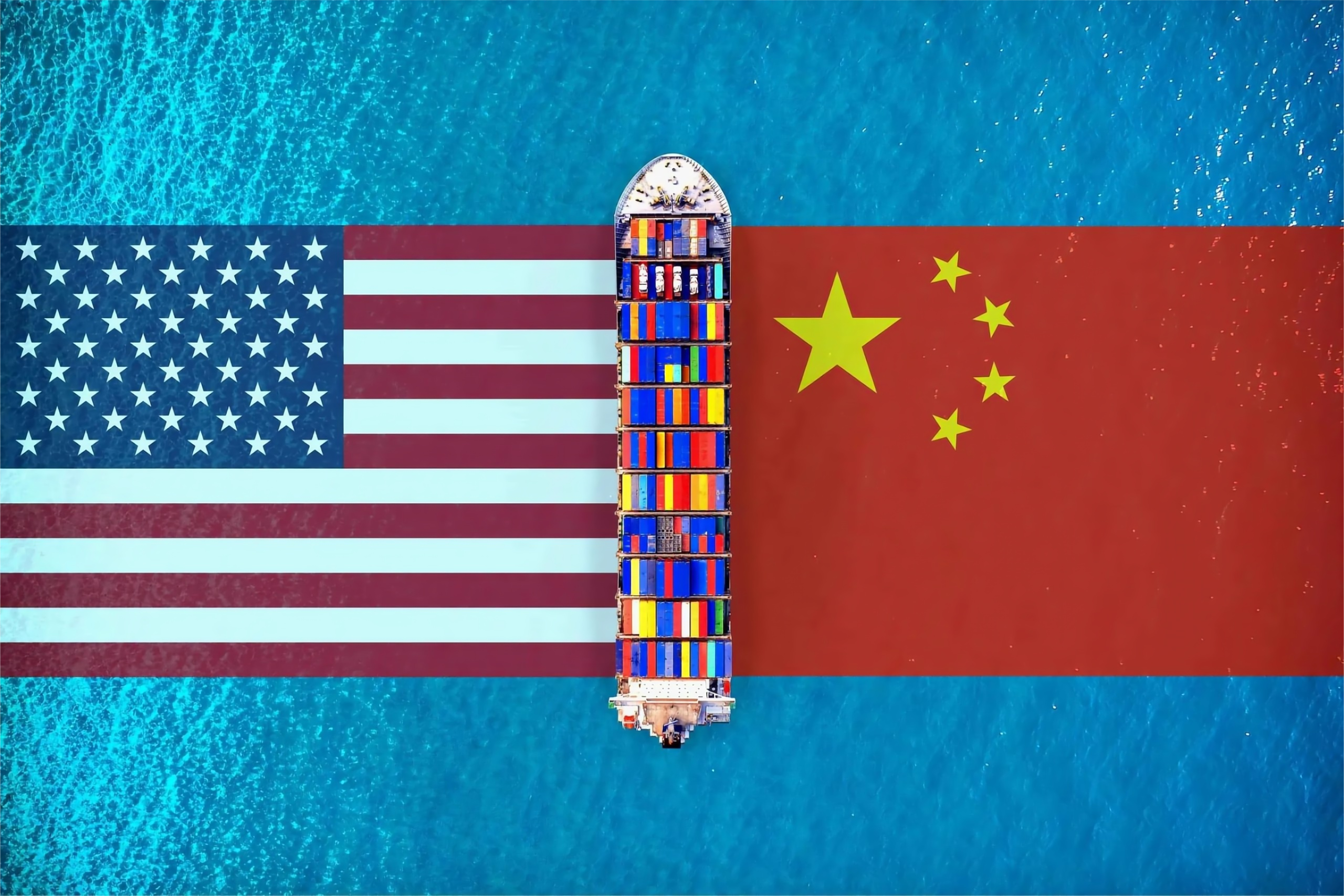
US Shipping Agent Digital Tracking Vietnam: Seamless Logistics
Navigating the complexities of international trade, especially between the United States and Vietnam, demands precision and foresight. Businesses often face challenges with visibility, delayed shipments, and unexpected costs. Fortunately, partnering with an experienced US shipping agent offering digital tracking solutions can transform your supply chain, providing unparalleled transparency and control.
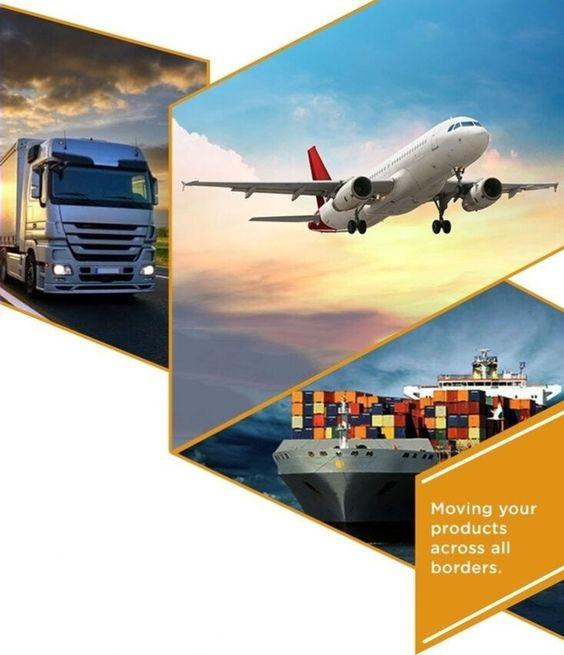
Why a US Shipping Agent is Crucial for Vietnam Imports and Exports
Undeniably, managing cross-border logistics between the US and Vietnam involves more than just moving goods. It encompasses intricate customs regulations, diverse transportation modes, and constantly fluctuating market conditions. Therefore, a specialized US shipping agent acts as your invaluable local expert, simplifying these complexities.
Furthermore, these agents possess deep knowledge of both US and Vietnamese customs procedures, ensuring compliance and minimizing delays. They moreover offer strategic insights into optimal routes and carriers, ultimately saving you time and money. Consequently, businesses can focus on their core operations while their logistics are expertly managed.
The Power of Digital Tracking in US-Vietnam Logistics
In today’s fast-paced global economy, real-time visibility is not merely a luxury but a necessity. Digital tracking capabilities, provided by a modern US shipping agent, offer an unprecedented level of insight into your cargo’s journey. This technology enables you to monitor your shipment’s exact location, status, and estimated arrival time at any given moment.
Moreover, digital tracking tools significantly enhance supply chain transparency, allowing businesses to proactively address potential issues. For instance, if a delay occurs, you receive immediate alerts, enabling you to inform your customers or adjust plans accordingly. This level of control and information is paramount for efficient inventory management and customer satisfaction. Therefore, choosing a US shipping agent digital tracking Vietnam solution is a strategic advantage.
Navigating US-Vietnam Shipping Methods: A Comprehensive Comparison
Selecting the right shipping method for your US-Vietnam route is a critical decision, directly impacting cost, speed, and cargo safety. Various factors, such as cargo type, urgency, and budget, influence this choice. Understanding the distinctions between sea freight, air freight, and hybrid solutions is therefore essential for optimizing your logistics strategy.
Hence, a knowledgeable US shipping agent can guide you through these options, ensuring your choice aligns with your specific business needs. They will consider your freight rates, transit time, and overall supply chain objectives. Below is a comparison to help illustrate the trade-offs involved in US-Vietnam shipping.
| Shipping Method | Cost Range (Approx.) | Transit Time (Approx.) | Best For | Limitations |
|---|---|---|---|---|
| Sea Freight (FCL/LCL) | $2,500 – $6,000 (40HQ US-VN) | 18-40 days | Large volumes, heavy goods, non-urgent shipments | Longer transit times, potential port congestion |
| Air Freight | $3 – $8 per kg | 3-7 days | High-value goods, urgent shipments, perishables | Significantly higher cost, volume/weight restrictions |
| Sea-Air Hybrid | Mid-range | 15-20 days | Moderate urgency, balance of cost and speed | More complex coordination, fewer direct routes |
Key Considerations for Your US-Vietnam Supply Chain
Beyond choosing a shipping method, several other elements demand careful attention for a smooth US-Vietnam supply chain. Firstly, customs clearance processes in both countries can be complex and time-consuming without proper expertise. Moreover, understanding import/export duties and taxes is vital for accurate budgeting and avoiding unexpected costs.
Secondly, cargo handling and appropriate packaging play a crucial role in preventing damage during transit. Furthermore, securing adequate cargo insurance provides financial protection against unforeseen events. Ultimately, a comprehensive understanding of these factors, often facilitated by an experienced supply chain solutions provider, ensures operational resilience and efficiency.
Customs and Compliance: Navigating Regulations
Indeed, customs regulations are a significant hurdle in international shipping. Both the US and Vietnam have specific documentation requirements, tariffs, and restricted items. A proficient customs brokerage service is therefore indispensable. They ensure all paperwork, such as commercial invoices, packing lists, and certificates of origin, is accurately prepared and submitted.
Moreover, staying updated on changing trade policies and agreements, like the US-Vietnam Trade Agreement, is crucial. Non-compliance can lead to severe penalties, delays, and even cargo seizure. Consequently, leveraging a professional agent’s expertise minimizes risks and ensures seamless cross-border movement.
Insurance and Risk Management: Protecting Your Investment
Without a doubt, even the most meticulously planned shipments can encounter unexpected events, from natural disasters to accidents. Therefore, comprehensive cargo insurance is a wise investment, safeguarding your goods against loss or damage during transit. Your shipping agent can advise on appropriate coverage, tailored to your cargo’s value and type.
Furthermore, proactive risk management involves selecting reliable carriers, utilizing secure warehousing facilities, and implementing robust packaging standards. By identifying and mitigating potential risks, businesses can protect their financial interests and maintain supply chain integrity. This holistic approach ensures peace of mind for your valuable shipments.
Real-World Success: US-Vietnam Shipping Case Studies
Examining actual shipping scenarios provides valuable insights into the practical application of logistics strategies. These case studies highlight how different shipping methods and considerations impact outcomes for businesses trading between the US and Vietnam. They moreover demonstrate the importance of an adaptable and responsive US shipping agent.
These examples reflect typical scenarios and rates as of early 2025, though freight rates are always subject to change based on fuel costs, carrier capacity, and seasonal demand. Contact us for a current quote tailored to your specific shipment. Note: Freight rates are subject to change based on fuel costs, carrier capacity, and seasonal demand. Contact us for a current quote tailored to your specific shipment.
Case Study 1: High-Value Electronics via Air Freight
A US tech company needed to urgently ship a batch of new electronic components to their manufacturing facility in Vietnam for a critical production run. Speed was the paramount concern, outweighing cost considerations.
| Detail | Description |
|---|---|
| Route | Los Angeles, USA Ho Chi Minh City, Vietnam |
| Cargo | High-value electronic components, 5 CBM, 1500 kg |
| Shipping Method | Air Freight |
| Carrier/Service | Major air cargo carrier |
| Port of Loading | Los Angeles International Airport (LAX) |
| Port of Discharge | Tan Son Nhat International Airport (SGN) |
| Cost Breakdown (Est.) | Air Freight: $9,500; Origin Charges: $500; Destination Charges: $300; Customs & Duties (estimated): $700; Total Landed Cost: $11,000 |
| Timeline | Booking to Loading: 2 days; Air Transit: 3 days; Customs Clearance: 1 day; Total Door-to-Door: 6 days |
| Key Insight | Air freight ensured rapid delivery, preventing production delays despite the higher cost. Digital tracking provided real-time updates, crucial for coordinating factory receiving. |
Case Study 2: Bulk Apparel via Sea LCL
A small US fashion retailer regularly imports seasonal apparel from multiple Vietnamese suppliers. They needed a cost-effective solution for smaller, frequent shipments that didn’t fill a full container.
| Detail | Description |
|---|---|
| Route | Hai Phong, Vietnam New York, USA |
| Cargo | Apparel, 12 CBM, 3000 kg (Less than Container Load) |
| Shipping Method | LCL Sea Freight |
| Carrier/Service | Consolidated service via major carrier |
| Port of Loading | Hai Phong Port |
| Port of Discharge | Port of New York and New Jersey |
| Cost Breakdown (Est.) | Ocean Freight: $1,500; Origin Charges: $400; Destination Charges: $600; Customs & Duties (estimated): $500; Total Landed Cost: $3,000 |
| Timeline | Booking to Loading: 5 days; Sea Transit: 28 days; Customs Clearance: 3 days; Total Door-to-Door: 36 days |
| Key Insight | LCL provided significant cost savings compared to FCL for smaller volumes. The sea freight option aligned with the retailer’s inventory planning, and digital tracking helped manage the longer transit. |
Case Study 3: Machinery Parts via Sea FCL
A US industrial manufacturer needed to ship heavy machinery parts to a new facility in Vietnam. The volume was substantial, and while not extremely urgent, a reliable and economical solution was preferred.
| Detail | Description |
|---|---|
| Route | Houston, USA Da Nang, Vietnam |
| Cargo | Heavy machinery parts, 20GP container, 15,000 kg |
| Shipping Method | FCL Sea Freight |
| Carrier/Service | MSC via transshipment |
| Port of Loading | Port of Houston |
| Port of Discharge | Da Nang Port |
| Cost Breakdown (Est.) | Ocean Freight: $3,200; Origin Charges: $600; Destination Charges: $700; Customs & Duties (estimated): $800; Total Landed Cost: $5,300 |
| Timeline | Booking to Loading: 7 days; Sea Transit: 32 days; Customs Clearance: 4 days; Total Door-to-Door: 43 days |
| Key Insight | FCL was the most cost-effective for the large volume and weight. The transshipment route was chosen for better cost efficiency, with digital tracking providing continuous updates on the vessel’s progress and transshipment status. |
Optimizing Your Shipping Strategy: Which Option Should You Choose?
Choosing the ideal shipping strategy for your US-Vietnam trade requires a careful evaluation of your priorities. There is no one-size-fits-all solution; instead, the best approach depends on your specific business objectives and cargo characteristics. A strategic partner can help you navigate these decisions effectively.
Moreover, considering potential trade-offs between speed, cost, and reliability is essential. For example, while air freight offers unmatched speed, its higher cost might not be justifiable for non-urgent, low-value goods. Conversely, sea freight provides economy but demands longer lead times.
Prioritizing Speed: When Every Hour Counts
If your goods are time-sensitive, perishable, or critical for immediate production, air freight is undoubtedly the superior choice. Although it comes at a premium, the rapid transit times minimize inventory holding costs and prevent costly operational delays. This method is particularly suitable for high-value electronics, pharmaceuticals, or emergency parts.
For instance, a company launching a new product needs components delivered quickly to meet market demand. In such scenarios, the slight increase in air freight costs is often offset by the ability to capitalize on market opportunities and avoid lost sales. Digital tracking further enhances this speed by providing precise delivery windows.
Budget-Conscious Shipping: Maximizing Value
For businesses focused on minimizing shipping expenses, sea freight, particularly LCL for smaller volumes or FCL for full containers, offers the most economical solution. This method is ideal for bulk commodities, apparel, or durable goods where transit time is not the primary constraint.
Additionally, consolidating multiple smaller shipments into LCL can significantly reduce per-unit shipping costs. Conversely, for shipments exceeding 15-20 CBM, a full container load (FCL) often becomes more cost-effective. Consequently, careful planning and leveraging a US shipping agent’s expertise in freight rates can yield substantial savings.
Cargo Specifics: Tailoring Your Logistics
The nature of your cargo also dictates the most appropriate shipping method. Hazardous materials, oversized items, or temperature-sensitive goods require specialized handling and compliance with specific regulations. Therefore, your shipping agent must possess expertise in handling such unique requirements.
Furthermore, for heavy or bulky machinery, sea freight is typically the only viable option due to weight and dimension limitations of air cargo. For delicate items, choosing carriers with excellent handling records and comprehensive insurance is paramount. Ultimately, tailoring your logistics to your cargo’s characteristics ensures both safety and efficiency.
The VeloTactics Logistics Advantage in US-Vietnam Shipping
At VeloTactics Logistics, we understand the intricacies of the US-Vietnam trade lane. We pride ourselves on offering comprehensive solutions, from initial booking to final delivery, ensuring a smooth and transparent experience. Our dedicated team leverages cutting-edge technology to provide unparalleled service.
Moreover, our robust digital tracking system empowers you with real-time visibility, allowing you to monitor every stage of your shipment’s journey. We combine this technological edge with personalized customer service, ensuring your specific needs are met with precision and care. Consequently, choosing VeloTactics Logistics as your US shipping agent digital tracking Vietnam partner guarantees efficiency and peace of mind. Explore our full range of services today.
Market Insights and Future Trends in US-Vietnam Shipping
The US-Vietnam shipping landscape is continually evolving, influenced by global economic shifts and regional dynamics. As of Q1 2025, freight rates have largely stabilized after the volatility of recent years, though seasonal fluctuations remain a factor. For instance, rates typically increase 15-25% during the August-October peak season leading up to the holiday rush.
Furthermore, technological advancements are reshaping logistics. The increasing adoption of AI and blockchain in supply chain management promises enhanced efficiency and security. Market data suggests a growing demand for integrated logistics solutions that combine transportation, warehousing, and customs services. Therefore, partnering with a forward-thinking US shipping agent who embraces these trends is vital for long-term success.
Conclusion
In summary, navigating the complexities of US-Vietnam shipping requires more than just transportation; it demands strategic partnership, technological prowess, and a deep understanding of market dynamics. Leveraging a proficient US shipping agent digital tracking Vietnam solution is thus indispensable for businesses aiming for efficiency, transparency, and cost-effectiveness.
Indeed, by choosing an agent that offers robust digital tracking, expert customs brokerage, and tailored shipping solutions, you empower your supply chain. This approach not only optimizes your freight rates and transit time but also provides invaluable peace of mind. Ultimately, a strategic logistics partner is key to unlocking success in the dynamic US-Vietnam trade corridor.
Start Your Shipment
Ready to streamline your US-Vietnam shipping operations with advanced digital tracking and expert guidance? Contact VeloTactics Logistics today for a personalized consultation and a competitive quote. Let us help you achieve seamless, transparent, and efficient logistics for your business.
Request Quote