
US Dispatch Freight Forwarder for Thailand: Your Complete Guide
Navigating international shipping can be complex, especially when moving goods from the United States to Thailand. Many businesses face challenges with customs regulations, transit times, and ensuring cargo safety. Fortunately, engaging a professional US dispatch freight forwarder for Thailand can simplify this entire process. Discover how expert logistics partners, like those at VeloTactics Logistics, provide seamless solutions for your cross-border trade needs.
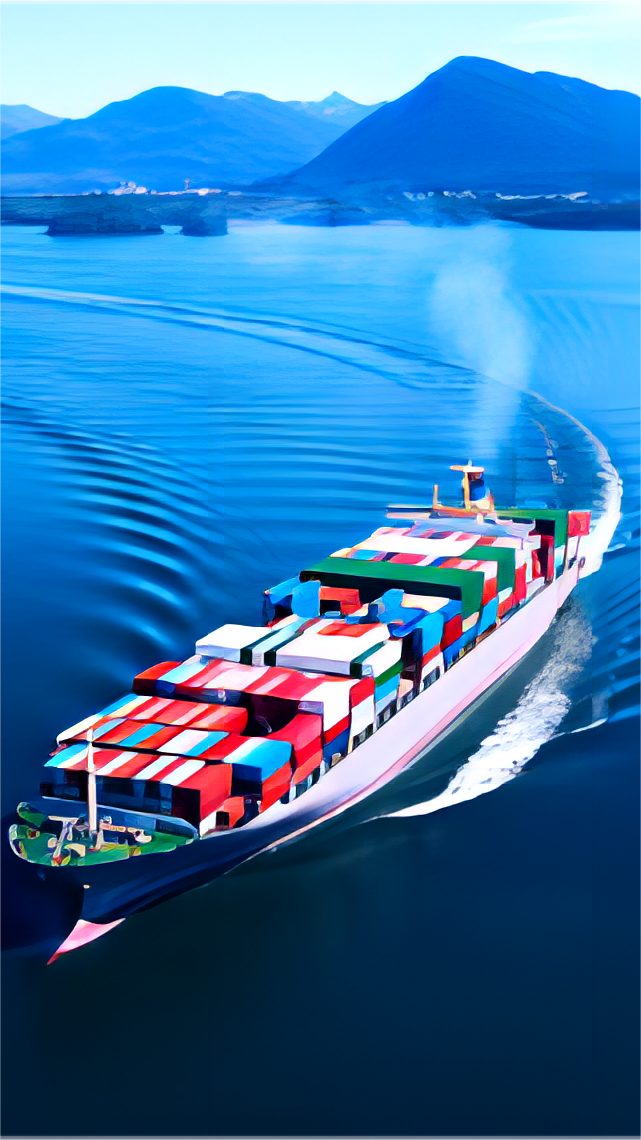
What is a US Dispatch Freight Forwarder for Thailand and Why Do You Need One?
A US dispatch freight forwarder acts as an intermediary between shippers and various transportation services. They manage the complex logistics of moving goods from the United States to Thailand. Essentially, they streamline the entire shipping process, ensuring your cargo reaches its destination efficiently and compliantly.
Furthermore, these specialists handle everything from documentation to customs clearance, thereby reducing your administrative burden. They leverage their network of carriers, warehouses, and customs brokers to provide tailored shipping solutions. This expertise is crucial for successful international trade.
Ultimately, partnering with a reliable US dispatch freight forwarder for Thailand offers numerous advantages. It minimizes risks, optimizes costs, and significantly reduces transit times. Consequently, businesses can focus on their core operations while experts manage the intricate details of global logistics.
Key Considerations for Shipping Goods from the US to Thailand
When planning to ship from the US to Thailand, several critical factors demand attention. Understanding these elements ensures a smooth and cost-effective operation. Proper planning, therefore, becomes paramount for any successful international shipment.
Initially, selecting the right shipping method is vital. Your choice between air freight and sea freight depends heavily on cargo type, urgency, and budget. Moreover, navigating the specific customs regulations of Thailand requires careful preparation. Incorrect documentation can lead to significant delays and penalties.
Additionally, managing potential logistics challenges, such as port congestion or unexpected delays, is part of the process. A proficient freight forwarder anticipates these issues and provides proactive solutions. They help mitigate risks, ensuring your supply chain remains robust.
Lastly, understanding the total shipping costs, including freight charges, duties, and local handling fees, is essential for accurate budgeting. Therefore, obtaining transparent quotes from your freight partner is a must.
Understanding Shipping Methods: Air vs. Sea Freight
Choosing between air and sea freight is a fundamental decision for any international shipment. Each method presents distinct advantages and disadvantages. Your selection should align with your business priorities.
Sea freight, without a doubt, remains the most economical option for larger volumes and less time-sensitive cargo. It is ideal for bulky or heavy items, offering substantial cost savings. Conversely, transit times are considerably longer, often spanning several weeks.
Air freight, however, provides unparalleled speed and is perfect for high-value, time-critical, or perishable goods. While significantly faster, it comes with a much higher price tag. Consequently, businesses must weigh speed against cost effectively.
Customs Clearance and Documentation for Thailand Imports
Navigating Thailand’s customs regulations is arguably one of the most challenging aspects of importing goods. Proper documentation is not merely a formality; it is a legal requirement. Any discrepancies can cause significant delays.
Specifically, importers must prepare documents such as the commercial invoice, packing list, bill of lading or air waybill, and a certificate of origin. Furthermore, certain goods may require import licenses or specific permits. An experienced freight forwarder, proficient in customs brokerage, ensures all paperwork is accurate and submitted correctly.
Moreover, understanding tariff classifications and applicable duties and taxes is crucial for accurate cost estimation. Thailand employs the Harmonized System (HS) for classification. Therefore, professional guidance is invaluable to avoid unforeseen expenses and ensure compliance.
How Does Ocean Freight Compare to Other Shipping Options for Thailand?
When shipping goods from the US to Thailand, ocean freight is often the primary choice for many businesses. However, it is imperative to compare it against other viable alternatives to determine the most suitable option for specific needs. Each method offers unique benefits and drawbacks.
Considering the vast distance, direct rail freight from the US to Thailand is not a practical option. Instead, the main alternatives involve various forms of air and sea transport, sometimes combined. This comparison helps businesses make informed decisions based on their budget, urgency, and cargo characteristics.
| Shipping Method | Cost Range (USD) | Transit Time (Days) | Best For | Limitations |
|---|---|---|---|---|
| Ocean Freight (FCL) | $2,500 – $4,500 (40HQ) | 25 – 35 | Large volumes, heavy cargo, non-urgent | Slow, susceptible to port delays |
| Ocean Freight (LCL) | $80 – $150 per CBM | 30 – 40 | Smaller shipments (under 15 CBM), cost-sensitive | Longer transit than FCL, potential for more handling |
| Air Freight | $5 – $8 per kg | 3 – 7 | Time-sensitive goods, high-value, perishables | High cost, volume/weight restrictions |
| Sea-Air (Hybrid) | Moderate | 15 – 20 | Urgent but not critical, balance cost/speed | More complex coordination, not always available |
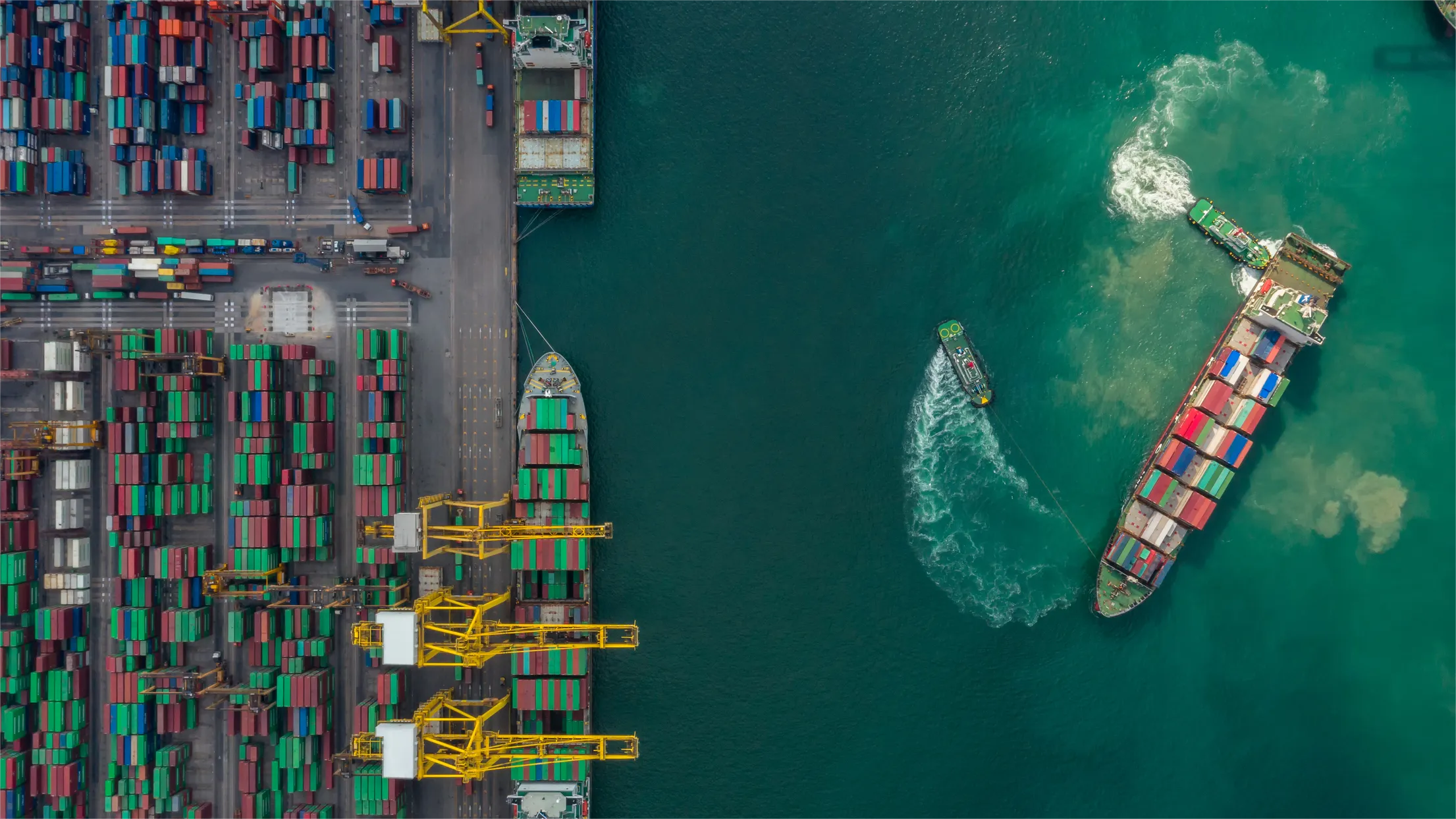
Optimizing Your US-Thailand Supply Chain with a Freight Forwarder
A strategic partnership with a skilled US dispatch freight forwarder for Thailand can significantly enhance your supply chain efficiency. They offer a range of services overview designed to streamline operations and reduce overall costs. This collaboration ensures a competitive edge in the global market.
For example, a freight forwarder can assist with cargo consolidation, especially for smaller shipments. Instead of paying for a full container, multiple LCL shipments are combined, leading to considerable savings. This approach optimizes space and reduces per-unit shipping costs.
Furthermore, they provide crucial market intelligence and advise on compliance updates. Staying informed about changing import regulations and logistics trends is vital for avoiding disruptions. Therefore, their insights protect your business from unforeseen challenges.
FCL vs. LCL: Which is Right for Your Cargo?
Deciding between Full Container Load (FCL) and Less than Container Load (LCL) directly impacts both cost and efficiency. FCL means your cargo occupies an entire container, offering faster transit and less handling. This option is generally more cost-effective for shipments exceeding 15-20 CBM.
Conversely, LCL involves sharing container space with other shippers. While more economical for smaller volumes, it typically incurs longer transit times due to consolidation and deconsolidation processes. Businesses must evaluate their shipment size and urgency carefully when making this choice. Specialized ocean freight services can guide this decision.
Air Cargo: When Speed is Paramount
When delivery speed is the absolute priority, air freight is the undisputed champion. It drastically cuts down transit times from weeks to mere days. This method is indispensable for urgent orders, high-value electronics, or perishable goods that require rapid delivery to Thailand.
However, the premium speed comes with a premium price. Air cargo rates are significantly higher than sea freight, calculated by weight or volumetric weight. Therefore, businesses must carefully balance the urgency of their shipment against the increased cost. Air freight is not always the most economical choice but certainly the fastest.
Hybrid Solutions and Cost-Saving Strategies
For businesses seeking a balance between speed and cost, hybrid solutions like Sea-Air freight offer an attractive compromise. This approach involves shipping goods by sea for the longer leg and then switching to air freight for the final, more urgent segment. It effectively reduces overall transit time compared to pure sea freight, at a lower cost than pure air freight.
Additionally, proactive planning and cargo consolidation are key cost-saving strategies. By optimizing packaging, consolidating multiple smaller orders, and utilizing efficient routes, shippers can significantly reduce expenses. A skilled freight forwarder can identify these opportunities, maximizing your shipping budget.
Moreover, exploring warehousing and distribution services at origin or destination can further streamline operations. This can include cross-docking, inventory management, and last-mile delivery, ultimately enhancing efficiency and reducing storage costs.
Which Option Should You Choose? A Decision Framework
Selecting the optimal shipping method hinges on several factors, primarily budget, speed, and cargo characteristics. A clear decision framework helps streamline this process.
If your **budget is the top priority** and cargo is not time-sensitive, **ocean freight (LCL or FCL)** is recommended. For **speed-critical shipments** of high-value goods, **air freight** is the best choice. When dealing with **fragile or specialized cargo**, consider the handling capabilities of each method and choose accordingly.
For **medium-sized shipments** that need a balance of speed and cost, **LCL ocean freight with efficient consolidation** is often ideal. For **large volumes**, **FCL ocean freight** offers the best per-unit cost. Always consult with your US dispatch freight forwarder for Thailand to tailor the best solution.
Case Studies: Successful Shipments from US to Thailand
Examining real-world scenarios provides valuable insights into the complexities and successes of international shipping. These case studies highlight how an effective US dispatch freight forwarder for Thailand manages diverse cargo types and logistical challenges. They demonstrate practical application of strategic planning and execution.
These examples reflect typical rates and transit times as of late 2024 to early 2025. Note: Freight rates are subject to change based on fuel costs, carrier capacity, and seasonal demand. Contact us for a current quote tailored to your specific shipment.
Case Study 1: E-commerce Fulfillment to Bangkok
This case involved a growing e-commerce business needing regular, cost-effective shipments of apparel and accessories to their distribution hub in Bangkok. They required a balance of reasonable transit time and competitive pricing for their burgeoning market.
| Detail | Description |
|---|---|
| Route | Los Angeles, USA -> Bangkok, Thailand |
| Cargo | Apparel & Accessories, 8 CBM, 1200 kg |
| Container | LCL 8 CBM |
| Shipping Details | Carrier: Major carrier, Port of Loading: Los Angeles, Port of Discharge: Laem Chabang, Route Type: Transshipment via Singapore |
| Cost Breakdown | Ocean Freight: $1,100, Origin Charges: $450, Destination Charges: $350, Customs & Duties (estimated): $600, Total Landed Cost: $2,500 |
| Timeline | Booking to Loading: 6 days, Sea Transit: 32 days, Customs Clearance: 4 days, Total Door-to-Door: 42 days |
| Key Insight | Optimized LCL consolidation reduced costs significantly, while transshipment allowed for flexibility in carrier choice. |
Case Study 2: Industrial Equipment to Laem Chabang
A manufacturing company needed to ship heavy industrial equipment for a new factory expansion in Thailand. The cargo was high-value and required careful handling, with a moderate urgency for project completion. FCL was the clear choice due to volume and weight.
| Detail | Description |
|---|---|
| Route | Houston, USA -> Laem Chabang, Thailand |
| Cargo | Industrial Machinery, 60 CBM, 15,000 kg |
| Container | 40HQ |
| Shipping Details | Carrier: MSC, Port of Loading: Houston, Port of Discharge: Laem Chabang, Route Type: Direct |
| Cost Breakdown | Ocean Freight: $3,800, Origin Charges: $700, Destination Charges: $550, Customs & Duties (estimated): $1,200, Total Landed Cost: $6,250 |
| Timeline | Booking to Loading: 4 days, Sea Transit: 28 days, Customs Clearance: 3 days, Total Door-to-Door: 35 days |
| Key Insight | Direct route minimized handling, reducing risk for sensitive equipment. Proactive customs planning prevented delays. |
Case Study 3: Urgent Medical Supplies to Bangkok
In this scenario, a healthcare provider urgently needed specialized medical supplies for a critical operation. Speed was paramount, and the cargo, though not excessively heavy, was high-value and delicate. Air freight was the only viable option.
| Detail | Description |
|---|---|
| Route | Chicago, USA -> Bangkok, Thailand |
| Cargo | Medical Supplies, 2 CBM, 350 kg |
| Container | Air Cargo |
| Shipping Details | Carrier: Cathay Pacific Cargo, Airport of Origin: O’Hare (ORD), Airport of Destination: Suvarnabhumi (BKK), Route Type: Direct flight |
| Cost Breakdown | Air Freight: $2,450, Origin Charges: $300, Destination Charges: $200, Customs & Duties (estimated): $400, Total Landed Cost: $3,350 |
| Timeline | Booking to Loading: 1 day, Air Transit: 2 days, Customs Clearance: 1 day, Total Door-to-Door: 4 days |
| Key Insight | Expedited air freight ensured critical delivery within a tight timeframe, despite the higher cost. Real-time tracking provided peace of mind. |
Choosing the Right US Dispatch Freight Forwarder for Thailand
Selecting an appropriate US dispatch freight forwarder for Thailand is a decision that impacts your entire supply chain. It requires careful consideration of their experience, network, and service offerings. A reliable partner ensures smooth operations.
Look for a forwarder with extensive experience in the US-Thailand corridor. Their familiarity with local regulations, customs procedures, and preferred carriers is invaluable. Moreover, assess their communication capabilities; transparency and timely updates are crucial for peace of mind.
Additionally, evaluate the breadth of their services. Do they offer door-to-door delivery, warehousing, and cargo insurance? A comprehensive service provider, like VeloTactics Logistics, can manage all aspects of your shipment, from origin to final destination. Ultimately, a strong partnership mitigates risks and fosters growth.

Seamless Logistics with Your US Dispatch Freight Forwarder for Thailand
In conclusion, navigating the complexities of international shipping from the US to Thailand requires specialized expertise. Partnering with a dedicated US dispatch freight forwarder for Thailand is not merely a convenience; it is a strategic necessity for businesses aiming for efficiency, compliance, and cost-effectiveness. They offer invaluable services from customs clearance to optimized shipping routes.
Indeed, by entrusting your logistics to professionals, you can mitigate risks, reduce transit times, and ensure your goods arrive safely and on schedule. This enables your business to thrive in the competitive global marketplace. Ultimately, a robust freight forwarding partnership underpins successful international trade.
Need a tailored shipping solution?
Ready to streamline your shipping operations from the US to Thailand? Contact VeloTactics Logistics today for a personalized consultation and a competitive quote. Our expert team is prepared to handle all your logistics needs, ensuring efficient and reliable delivery for your next shipment.