
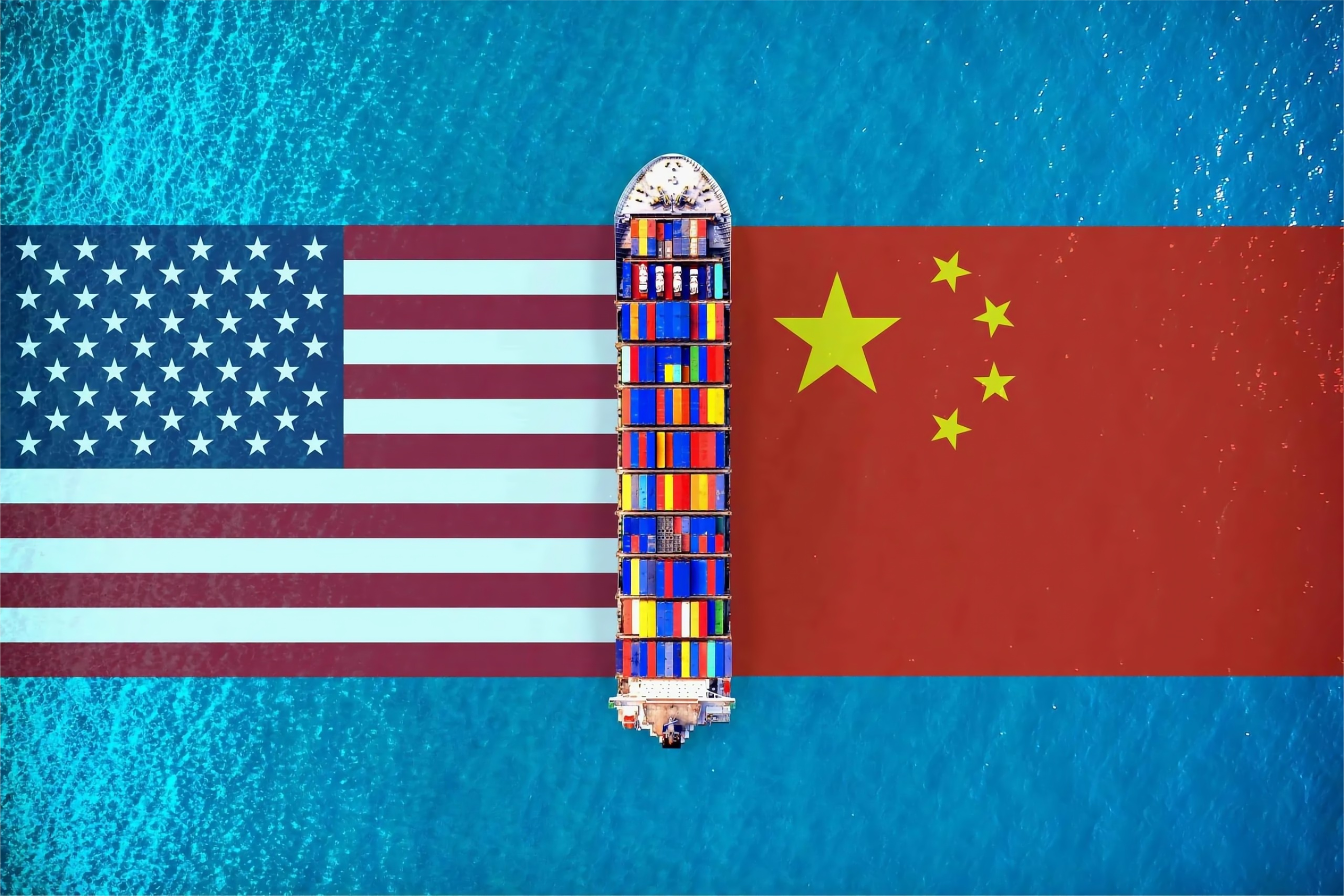
US Import Garments from Indonesia: Your Definitive Logistics Guide
The United States’ demand for high-quality, ethically sourced apparel from Indonesia continues to grow, presenting both opportunities and complex logistics challenges. Successfully managing the supply chain for US import garments from Indonesia requires a deep understanding of international shipping, customs regulations, and market dynamics. VeloTactics Logistics is here to guide you through every step, ensuring a smooth and efficient import process.
✦
Why Import Garments from Indonesia to the US?
Indonesia has emerged as a significant player in the global textile and apparel industry. Its competitive manufacturing costs, skilled labor force, and commitment to quality make it an attractive sourcing destination for US businesses.
Furthermore, the country’s diverse production capabilities, ranging from casual wear to intricate fashion pieces, cater to a wide array of market needs. Consequently, many US retailers and brands are looking to expand their sourcing networks to this Southeast Asian nation.

Moreover, trade relations between Indonesia and the US are generally favorable, with various initiatives supporting bilateral commerce. Understanding these advantages is the first step toward a successful importing venture.
Key Challenges in Importing Garments from Indonesia
Despite the clear benefits, importing garments from Indonesia to the US involves navigating several potential hurdles. These include managing complex customs procedures, understanding varying freight rates, and ensuring timely delivery schedules.
Indeed, dealing with different time zones and language barriers can further complicate communication and coordination. Therefore, having a reliable logistics partner is crucial for mitigating these risks.
Ultimately, anticipating these challenges and planning proactively can significantly streamline your supply chain for Indonesian clothing imports. This proactive approach helps avoid costly delays and unexpected expenses.
Navigating US Customs and Import Regulations
Importing apparel into the US requires strict adherence to various customs regulations and compliance standards. Importers must understand tariffs, duties, and specific labeling requirements set by agencies like CBP and the FTC.
Moreover, obtaining the correct Harmonized System (HS) codes for your specific garment types is paramount. Incorrect classification can lead to delays, fines, or even seizure of goods.
Additionally, ensuring all required documentation, such as commercial invoices, packing lists, and bills of lading, is accurately prepared is essential. Customs brokerage expertise can prove invaluable here, simplifying this often-complex process.
| Document Type | Purpose | Key Information |
|---|---|---|
| Commercial Invoice | Details transaction between buyer and seller | Value, description, quantity, terms of sale |
| Packing List | Itemizes contents of each package | Weight, dimensions, contents per carton |
| Bill of Lading / Air Waybill | Contract between shipper and carrier | Shipment details, origin, destination |
| Certificate of Origin | Verifies country of manufacture | Origin of goods, often required for tariffs |

Choosing the Right Shipping Method for Garments from Indonesia
Selecting the optimal shipping method is critical for balancing cost, speed, and cargo safety when you import garments from Indonesia to US. Your choice will largely depend on factors like shipment volume, urgency, and budget.
Generally, sea freight is the most cost-effective option for large volumes, while air freight offers significantly faster transit times for urgent or high-value fashion items.
Considering the specific nature of textile and apparel products, careful planning for cargo handling and packaging is also important. This prevents damage and ensures goods arrive in pristine condition.
| Shipping Method | Cost Range (per kg) | Transit Time (approx.) | Best For | Limitations |
|---|---|---|---|---|
| Sea Freight (FCL) | $0.15 – $0.30 | 25-40 days | Large, non-urgent orders, bulk textiles | Slow, potential port congestion |
| Sea Freight (LCL) | $0.30 – $0.60 | 30-45 days | Smaller volumes, less than a full container | Slower, more handling, less control |
| Air Freight | $4.00 – $8.00 | 3-7 days | Urgent, high-value, seasonal fashion | High cost, limited volume |
How Does Sea Freight Compare to Other Shipping Options?
When importing garments from Indonesia, sea freight stands out as the most economical choice for bulk shipments. However, understanding its trade-offs against other methods is crucial for informed decision-making.
Consequently, comparing various logistics options helps businesses optimize their supply chain for Indonesian clothing imports. Each method presents unique advantages and disadvantages depending on your specific needs.
This objective analysis considers not just cost but also speed, reliability, and suitability for different cargo types. For comprehensive logistics services, it’s vital to explore all avenues.
| Shipping Method | Cost Range (40HQ approx.) | Transit Time (approx.) | Best For | Limitations |
|---|---|---|---|---|
| Ocean Freight (FCL) | $3,500 – $6,000 | 25-40 days | Large volume, heavy, non-perishable goods, cost-sensitive | Slow transit, port delays, less flexibility |
| Ocean Freight (LCL) | $50 – $100 per CBM | 30-45 days | Smaller shipments (under 15 CBM), flexible quantities | Longer transit due to consolidation, more handling |
| Air Freight | $15,000 – $25,000 | 3-7 days | High-value, time-sensitive, perishable, urgent samples | Very high cost, limited cargo size/weight |
Case Studies: Successful US Import Garments from Indonesia
Real-world examples illustrate the complexities and solutions involved in importing textiles from Indonesia. These scenarios highlight how strategic planning and expert logistics overcome common obstacles.
These case studies, based on typical scenarios as of early 2025, offer insights into cost-effective shipping strategies and efficient delivery schedules. They demonstrate practical approaches to optimize your supply chain.
Understanding these practical applications helps businesses better prepare for their own importing ventures, especially when sourcing apparel from Indonesia.
Case Study 1: Bulk Apparel for a Retail Chain
This case involved a US retail chain needing a large volume of basic t-shirts and casual wear. The priority was cost-effectiveness over speed, ensuring a steady supply for their inventory.
| Detail | Description |
|---|---|
| Route | Jakarta, Indonesia -> Los Angeles, USA |
| Cargo | Cotton T-shirts & Hoodies, 60 CBM, 15,000 kg |
| Container | 2 x 40HQ |
| Shipping Details | Major carrier, Port of Loading: Tanjung Priok, Port of Discharge: Long Beach, Route Type: Direct |
| Cost Breakdown (per 40HQ) | Ocean Freight: $3,800, Origin Charges: $450, Destination Charges: $600, Customs & Duties (estimated): $1,200, Total Landed Cost: $6,050 |
| Timeline | Booking to Loading: 7 days, Sea Transit: 28 days, Customs Clearance: 3 days, Total Door-to-Door: 40 days |
| Key Insight | Opting for FCL sea freight delivered significant cost savings, averaging $0.40/kg, crucial for competitive retail pricing. Based on Q1 2025 market rates. |
Case Study 2: Fast Fashion Collection for Online Boutique
An online fashion boutique required a new collection of trendy dresses quickly to capitalize on seasonal demand. Speed was paramount to ensure market relevance and timely launch.
| Detail | Description |
|---|---|
| Route | Denpasar, Indonesia -> New York, USA |
| Cargo | Silk Dresses & Accessories, 5 CBM, 1,200 kg |
| Container | Air Cargo |
| Shipping Details | Major air cargo carrier, Origin Airport: Denpasar (DPS), Destination Airport: JFK, Route Type: Transshipment via Singapore |
| Cost Breakdown | Air Freight: $5,400, Origin Charges: $300, Destination Charges: $450, Customs & Duties (estimated): $800, Total Landed Cost: $6,950 |
| Timeline | Booking to Loading: 2 days, Air Transit: 5 days, Customs Clearance: 2 days, Total Door-to-Door: 10 days |
| Key Insight | Despite higher costs, air freight enabled the boutique to launch its collection ahead of competitors, maximizing sales during the peak season. Typical rates as of early 2025. |
Case Study 3: Consolidating Multiple Small Orders
A US importer sourced unique handmade textiles from several small Indonesian artisans. The challenge was to consolidate these smaller shipments efficiently to reduce overall shipping costs.
| Detail | Description |
|---|---|
| Route | Bandung & Yogyakarta, Indonesia -> Chicago, USA |
| Cargo | Handicraft Textiles & Batik Fabric, 10 CBM, 2,500 kg (from 4 suppliers) |
| Container | LCL (Less than Container Load) |
| Shipping Details | Freight forwarder consolidation, Port of Loading: Surabaya, Port of Discharge: Chicago (via rail from LA), Route Type: Transshipment via Singapore |
| Cost Breakdown | Ocean Freight (LCL): $800 (per CBM), Origin Charges: $550, Destination Charges: $700, Customs & Duties (estimated): $1,000, Total Landed Cost: $10,250 |
| Timeline | Consolidation & Loading: 10 days, Sea Transit: 35 days, Rail Transit & Customs: 7 days, Total Door-to-Door: 52 days |
| Key Insight | Warehousing and distribution services enabled cost-effective consolidation, making otherwise uneconomical small shipments viable. Market data suggests this is a common strategy for diverse sourcing. |

Alternative Strategies and Decision Frameworks
Beyond standard sea and air freight, several alternative strategies can optimize your imports. Understanding these options allows for greater flexibility and cost-efficiency, especially for us import garments from Indonesia.
For instance, hybrid solutions like sea-air combine the cost-effectiveness of ocean freight with the speed of air freight for specific legs of the journey. This can significantly reduce transit times compared to pure sea freight.
Moreover, considering factors such as cargo type, budget, and urgency will guide you toward the most suitable approach. Therefore, a clear decision framework is essential for navigating these choices.
| Priority | Recommendation | Explanation |
|---|---|---|
| Budget Priority | FCL Sea Freight | Offers the lowest cost per unit for large volumes, ideal for non-urgent, heavy goods like basic apparel. Rates typically increase 15-25% during August-October peak season. |
| Speed Priority | Air Freight | Provides the fastest transit, crucial for fast fashion, seasonal collections, or urgent restocking. Costs are significantly higher but justify speed for market advantage. |
| Mixed Volume/Flexibility | LCL Sea Freight | Economical for smaller shipments that don’t fill a full container, allowing consolidation with other goods. Requires more lead time due to consolidation processes. |
| Hybrid Approach | Sea-Air Combination | Balances cost and speed; sea freight to a transit hub (e.g., Singapore), then air freight to the US. Reduces overall transit compared to pure sea, cheaper than pure air. |
Which Option Should You Choose?
Making the right logistics decision depends heavily on your business priorities. Different scenarios call for different shipping strategies.
Indeed, a thorough evaluation of your specific needs will prevent costly mistakes and ensure optimal delivery. This framework helps align your shipping method with your strategic goals.
Optimizing Your Supply Chain for Indonesian Garment Imports
Efficiently managing your supply chain is paramount for sustained success when importing garments from Indonesia. This involves more than just shipping; it encompasses sourcing, quality control, and distribution.
Implementing robust supply chain optimization strategies can lead to significant cost savings and improved operational efficiency. This proactive approach minimizes disruptions.
Furthermore, building strong relationships with Indonesian suppliers and local logistics partners is vital for smooth operations. These partnerships foster transparency and reliability throughout the process.
Market Context and Pricing Considerations (2024-2025)
Current market conditions significantly influence freight rates and transit times for us import garments from Indonesia. As of Q1 2025, freight rates from Southeast Asia to the US have generally stabilized after recent global disruptions.
However, geopolitical events and fuel surcharges can introduce volatility, requiring importers to stay informed. Seasonal demand, particularly leading up to major holidays, also impacts pricing and capacity.
According to industry benchmarks, ocean freight rates can fluctuate by 10-20% seasonally. Always secure a current quote for precise planning. Note: Freight rates are subject to change based on fuel costs, carrier capacity, and seasonal demand. Contact us for a current quote tailored to your specific shipment.
Your Partner in US Import Garments from Indonesia
Importing garments from Indonesia to the US can be a complex yet highly rewarding venture. By understanding the intricacies of customs, freight options, and market dynamics, businesses can unlock significant opportunities.
Partnering with an experienced logistics provider like VeloTactics Logistics ensures that your US import garments from Indonesia journey is efficient, compliant, and cost-effective. We empower you to focus on your core business while we handle the complexities of international shipping.