US Dispatch Cost Calculator for Asian Shipments: Your Guide
Understanding the intricate details of shipping from Asia to the US can be complex, involving numerous variables that impact your bottom line. Businesses often struggle with accurately estimating freight rates, port charges, and customs duties, leading to unexpected expenses. Fortunately, a reliable US dispatch cost calculator for Asian shipments can demystify these charges, providing clarity and control over your logistics budget. This comprehensive guide will walk you through the factors influencing shipping costs, help you compare various methods, and empower you to make informed decisions for your supply chain.
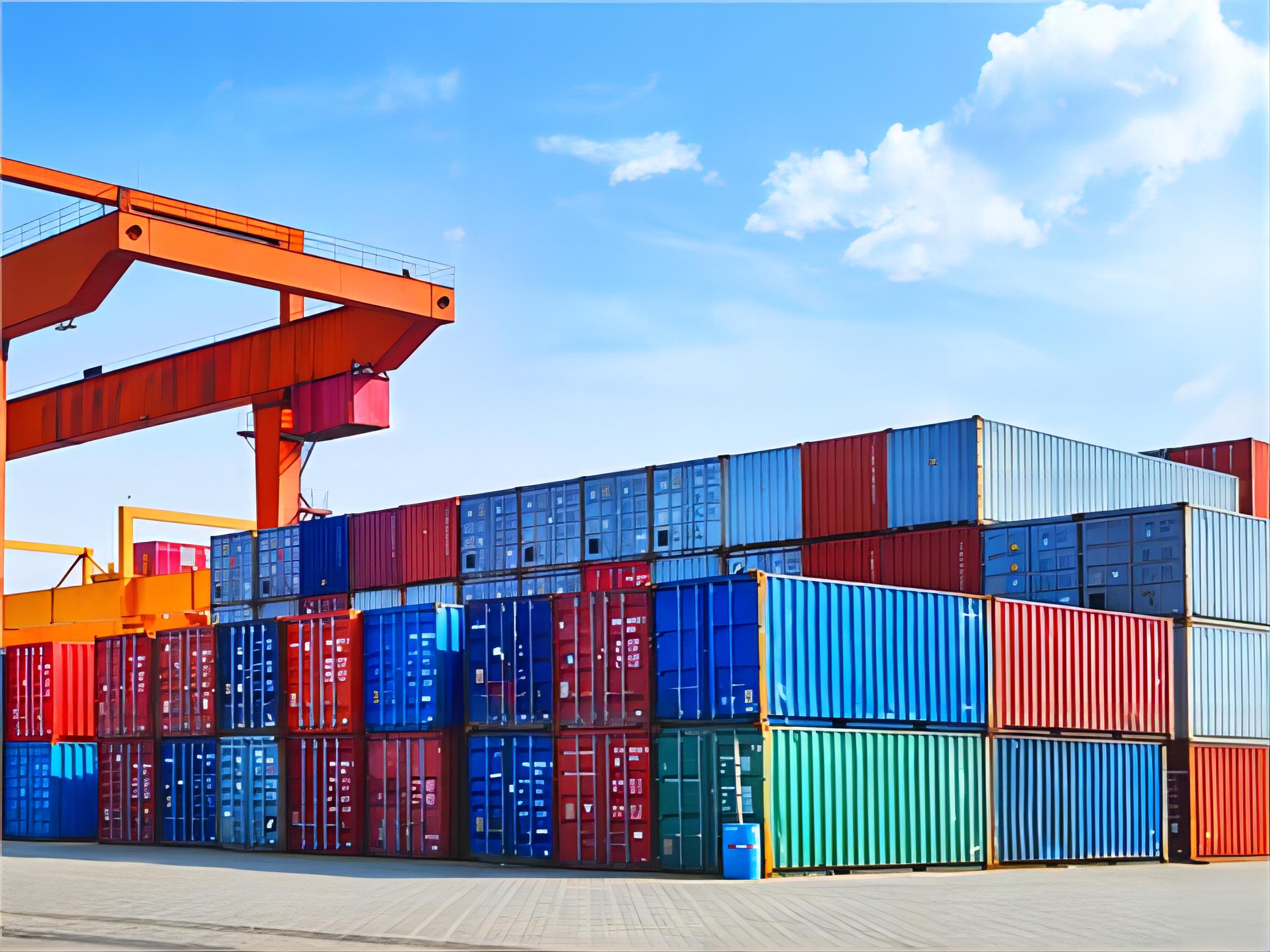
Understanding the Core Elements of Your US Dispatch Cost Calculator for Asian Shipments
Calculating the total cost of dispatching goods from Asia to the US involves more than just the base freight charge. Indeed, several components contribute to the final landed cost, making a precise estimation crucial for budget planning. Therefore, a robust US dispatch cost calculator for Asian shipments must consider these various elements.
Primarily, these costs can be broadly categorized into three main areas: freight rates, local charges at origin and destination, and customs-related fees. Each category encompasses multiple sub-charges that can fluctuate based on market conditions, cargo specifics, and chosen service levels. Consequently, understanding each factor is paramount for accurate forecasting.
Base Freight Rates and Fuel Surcharges
The foundational component of any shipping cost is the base freight rate. This rate covers the actual transportation of your cargo, whether by sea or air. However, this is rarely a fixed price.
Moreover, freight rates are highly dynamic, influenced by factors like cargo volume, weight, shipping method, and current market demand. Furthermore, fuel surcharges, such as Bunker Adjustment Factor (BAF) for sea freight or Fuel Surcharge (FSC) for air freight, are additional costs that fluctuate with global oil prices. These surcharges can significantly impact your overall shipping costs from China to USA.
Port Charges and Local Handling
Upon arrival at both the origin and destination ports, your shipment incurs various local charges. At the origin, these include terminal handling charges (THC), documentation fees, and potentially drayage if your cargo needs to be transported to the port. Similarly, destination charges in the US cover THC, chassis usage, and possibly demurrage or detention if containers are not cleared promptly.
Additionally, these charges can vary significantly between ports and carriers. Therefore, it is essential to factor them into your logistics budget planning to avoid surprises. Understanding these local nuances is a key aspect of any effective international shipping quotes.
Customs Duties, Taxes, and Brokerage
Importing goods into the US necessitates navigating customs regulations, which involves duties, taxes, and potentially other government agency fees. The amount of duty depends on the Harmonized Tariff Schedule (HTS) code of your product and its country of origin. Furthermore, some goods may be subject to anti-dumping duties or Section 301 tariffs.
Consequently, engaging a customs broker is often advisable to ensure compliance and efficient clearance. Their services, while an added cost, prevent delays and potential penalties. For more details on navigating these complexities, explore our customs brokerage services. This crucial component is often underestimated in total landed cost calculations.
Key Factors for an Accurate US Dispatch Cost Calculator for Asian Shipments
To achieve the most accurate cost estimation, businesses must provide precise details about their shipment. Inaccuracies in cargo information or service requirements can lead to significant discrepancies between estimated and actual costs. Therefore, meticulous preparation is vital.
Moreover, the specific characteristics of your cargo, the chosen Incoterms, and the desired service level all play a critical role in shaping the final price. Understanding these variables upfront will greatly enhance the utility of any US dispatch cost calculator for Asian shipments.
| Factor | Description | Impact on Cost | Considerations |
|---|---|---|---|
| Cargo Volume/Weight | Cubic meters (CBM) or kilograms (kg) | Directly affects freight charges (LCL vs FCL, air freight rates) | Density ratio for air freight, container utilization |
| Cargo Type | General goods, hazardous materials, perishables | Special handling, permits, temperature control (higher cost) | Regulatory compliance, specialized carriers |
| Incoterms | EXW, FOB, CIF, DDP, etc. | Determines who pays for each leg of the journey and insurance | Risk transfer, control over logistics |
| Origin & Destination | Specific port/airport in Asia to US port/door | Route distance, port congestion, inland transport costs | Direct vs transshipment, last-mile delivery |
| Service Level | Standard, expedited, door-to-door | Speed vs. cost trade-off, additional services | Time sensitivity, budget constraints |
How Does Sea Freight Compare to Other Shipping Options for Asian Shipments?
Selecting the appropriate shipping method is a cornerstone of effective supply chain optimization. Indeed, the choice between sea, air, or a hybrid solution significantly impacts both cost and transit time. Therefore, carefully evaluating each option against your specific requirements is essential.
While sea freight remains the most popular choice for many, alternative methods offer distinct advantages depending on the cargo, urgency, and budget. For example, comparing air freight vs sea freight is a common dilemma for importers. Our services are designed to help you navigate these choices effectively.
| Shipping Method | Cost Range (per kg/CBM) | Transit Time (Asia to US) | Best For | Limitations |
|---|---|---|---|---|
| Sea Freight (FCL) | Low ($0.05-$0.20/kg) | 12-40 days | Large volumes, heavy goods, non-urgent shipments | Slow, port congestion risks |
| Sea Freight (LCL) | Medium ($0.15-$0.40/kg) | 18-45 days | Smaller volumes (under 15 CBM), cost-sensitive | Slower than FCL, potential for delays |
| Air Freight | High ($2.50-$8.00/kg+) | 3-7 days | High-value, time-sensitive, perishable goods | Expensive, weight/volume restrictions |
| Sea-Air Hybrid | Medium-High ($0.80-$2.00/kg) | 10-18 days | Moderate urgency, balance cost/speed | More complex logistics, limited routes |
Sea Freight: The Economical Choice
Sea freight is undoubtedly the most cost-effective option for large volumes and heavy cargo, especially for container shipping rates. It offers Full Container Load (FCL) for exclusive container use and Less than Container Load (LCL) for smaller shipments, where cargo from multiple shippers is consolidated. Consequently, it is ideal for non-urgent goods where cost savings are a priority.
However, sea transit times are considerably longer, typically ranging from 12-40 days depending on the route and service. For instance, a shipment from Shanghai to Los Angeles might take 14-18 days, while to New York, it could be 30-35 days. For detailed information, consider our sea freight solutions.
Air Freight: For Speed and Urgency
Conversely, air freight offers unparalleled speed, making it suitable for high-value, time-sensitive, or perishable goods. While significantly more expensive than sea freight, it drastically reduces transit time, often delivering goods within 3-7 days from Asia to the US. Therefore, for expedited shipping options, air freight is the preferred choice.
Despite the higher cost, the benefits of faster inventory turnover and reduced warehousing needs can sometimes offset the premium. For example, air freight for a similar volume might cost 5-10 times more than sea freight. Learn more about our air freight services to see if this method suits your needs.
Hybrid Solutions: Balancing Speed and Cost
For businesses seeking a middle ground, hybrid solutions like sea-air or rail-sea combinations can offer a balance. For instance, a sea-air service might transport goods by sea from Asia to a transshipment hub (e.g., Dubai), then by air to the US. This approach saves time compared to pure sea freight and reduces costs compared to pure air freight.
Indeed, these multimodal options require careful planning and coordination but can be highly efficient for specific supply chain needs. They often provide a good compromise for cargo that is not extremely urgent but still needs to arrive faster than standard ocean transit allows. However, their availability depends on specific routes and logistics providers.
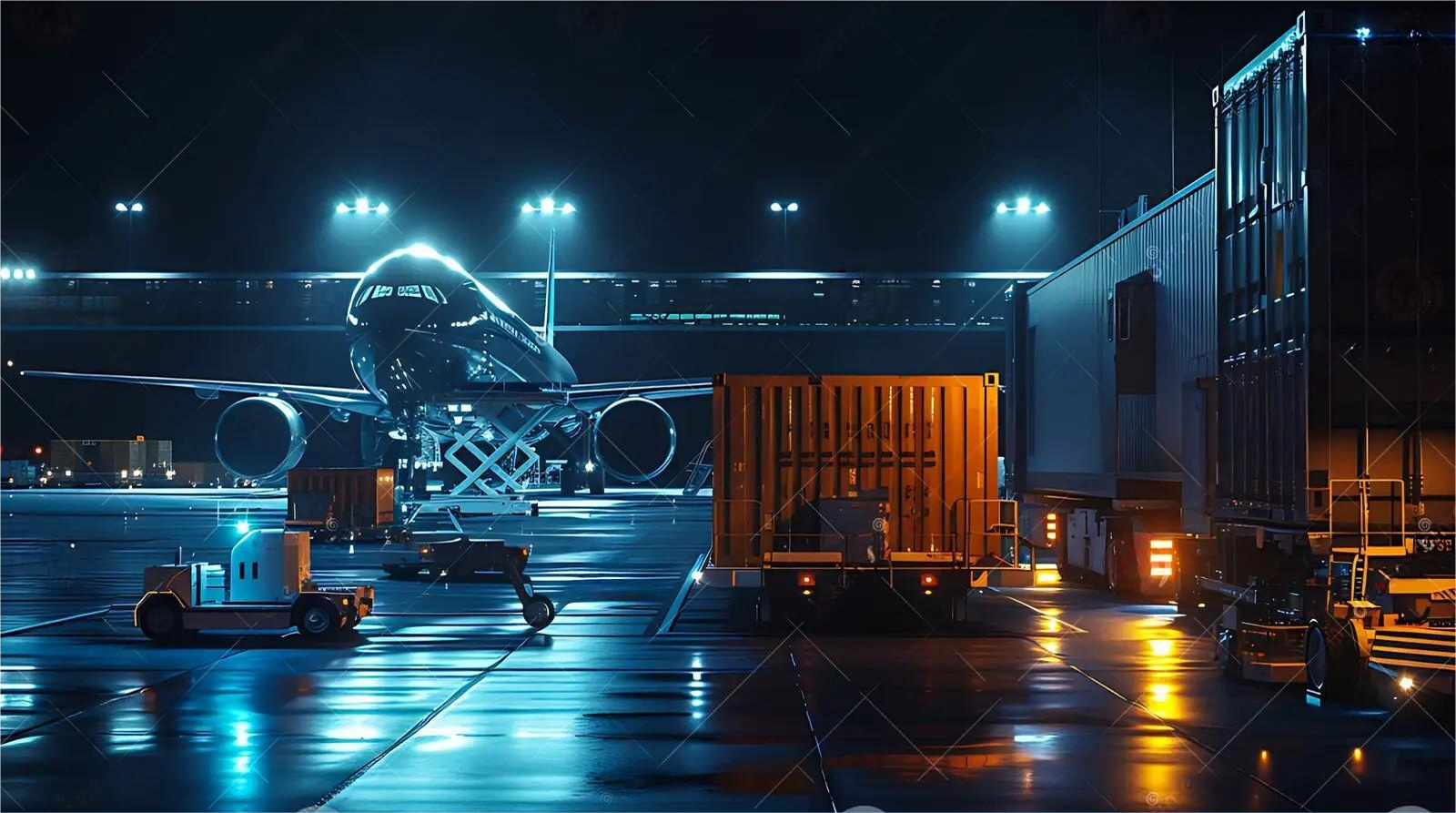
Navigating Customs and Compliance for Asian Imports
Successful dispatch from Asia to the US hinges significantly on smooth customs clearance. Consequently, understanding and adhering to all regulatory requirements is paramount to avoid delays, penalties, and unexpected costs. This aspect is a critical element often overlooked in initial shipping costs from China to USA estimates.
Moreover, proper documentation and classification are not merely bureaucratic hurdles; they are safeguards for your supply chain. Therefore, diligent preparation ensures your goods move efficiently through US customs. This careful approach helps in accurate import duties calculator estimations.
Required Documentation Checklist
Before your shipment departs Asia, ensure all necessary documentation is prepared and accurate. This typically includes a commercial invoice, packing list, bill of lading (for sea freight) or air waybill (for air freight), and a certificate of origin. Additionally, specific products may require import permits, licenses, or certificates from various government agencies.
For instance, food products need FDA approval, while certain electronics might require FCC declarations. Inaccuracies or omissions in these documents can lead to significant delays and storage charges, impacting your overall logistics budget planning. Hence, double-checking everything is a prudent step.
Understanding Duties, Taxes, and Tariffs
US Customs and Border Protection (CBP) assesses duties and taxes based on the declared value and classification of your goods. The Harmonized Tariff Schedule (HTS) code determines the duty rate, which varies widely by product. Furthermore, certain goods from specific countries, like China, may be subject to Section 301 tariffs, adding another layer of cost.
Additionally, Goods and Services Tax (GST) or Value Added Tax (VAT) are not typically applied to imports into the US at the federal level, but state sales taxes may apply upon resale. It is crucial to accurately classify your products and estimate these costs using an import duties calculator to prevent surprises. Professional customs brokerage services can provide invaluable assistance here.
Practical Applications: US Dispatch Cost Calculator for Asian Shipments
Real-world scenarios best illustrate how various factors influence shipping costs and transit times. Therefore, examining specific case studies provides valuable insights into the complexities and solutions involved in dispatching goods from Asia to the US. These examples highlight the practical application of a US dispatch cost calculator for Asian shipments.
Consequently, these examples demonstrate the significant impact of cargo type, volume, and chosen shipping method on the total landed cost. They also underscore the importance of accurate planning and leveraging expert logistics trends knowledge. Note: Freight rates are subject to change based on fuel costs, carrier capacity, and seasonal demand. Contact us for a current quote tailored to your specific shipment.
Case Study 1: Standard Container from China to US West Coast
This scenario highlights a common import route for consumer goods, emphasizing cost-effectiveness and reasonable transit times. Based on Q3 2024 market rates, this provides a realistic overview for a typical importer. The goal was to minimize shipping costs while maintaining a predictable supply chain.
| Detail | Description |
|---|---|
| Route | Ningbo, China Long Beach, USA |
| Cargo | Assorted Consumer Electronics, 28 CBM, 12,000 kg |
| Container | 40HQ |
| Shipping Details | Carrier: COSCO, Port of Loading: Ningbo, Port of Discharge: Long Beach, Route Type: Direct |
| Cost Breakdown | Ocean Freight: $3,200; Origin Charges: $450; Destination Charges: $600; Customs & Duties (estimated): $800; Total Landed Cost: $5,050 |
| Timeline | Booking to Loading: 5 days; Sea Transit: 16 days; Customs Clearance: 3 days; Total Door-to-Door: 24 days |
| Key Insight | Direct service ensured minimal transit time for sea freight. Strategic planning around peak season avoided higher rates. This demonstrates typical container shipping rates. |
Case Study 2: Expedited Air Freight for High-Value Electronics
This case study illustrates the necessity of speed for high-value, time-sensitive components. The client prioritized rapid delivery to prevent production line stoppages, despite the higher cost. Typical rates as of early 2025 reflect the premium for urgency.
| Detail | Description |
|---|---|
| Route | Shenzhen, China Chicago O’Hare, USA |
| Cargo | Critical Electronic Components, 3 CBM, 500 kg |
| Container | Air Freight (Palletized) |
| Shipping Details | Carrier: Cathay Pacific Cargo, Port of Loading: Shenzhen, Port of Discharge: Chicago, Route Type: Direct Air Cargo |
| Cost Breakdown | Air Freight: $3,500; Origin Charges: $200; Destination Charges: $350; Customs & Duties (estimated): $400; Total Landed Cost: $4,450 |
| Timeline | Booking to Loading: 2 days; Air Transit: 2 days; Customs Clearance: 1 day; Total Door-to-Door: 5 days |
| Key Insight | Despite the higher air freight rates, the speed prevented significant production losses. This highlights the value of expedited shipping options for critical components. |

Case Study 3: LCL Shipment for Small Business Imports
This example demonstrates how small businesses can import goods efficiently without needing a full container. LCL (Less than Container Load) is ideal for smaller volumes, allowing cost-sharing among multiple shippers. Based on Q4 2024 market rates, this shows typical costs for a consolidated shipment.
| Detail | Description |
|---|---|
| Route | Shanghai, China New York, USA |
| Cargo | Textiles and Apparel, 8 CBM, 2,500 kg |
| Container | LCL 8 CBM |
| Shipping Details | Carrier: Major NVOCC, Port of Loading: Shanghai, Port of Discharge: New York, Route Type: Consolidated Sea Freight |
| Cost Breakdown | Ocean Freight: $960 (at $120/CBM); Origin Charges: $300; Destination Charges: $450; Customs & Duties (estimated): $500; Total Landed Cost: $2,210 |
| Timeline | Booking to Loading: 7 days; Sea Transit: 32 days; Customs Clearance: 4 days; Total Door-to-Door: 43 days |
| Key Insight | LCL proved cost-effective for smaller volume, but required longer transit and more complex coordination. This is a common solution for cargo handling for growing businesses. |
Strategies to Optimize Your US Dispatch Costs for Asian Shipments
Reducing shipping costs without compromising reliability is a constant goal for importers. Therefore, implementing smart strategies can significantly impact your bottom line. Indeed, even small adjustments can lead to substantial savings over time, enhancing your supply chain optimization.
Consequently, focusing on areas like cargo consolidation, strategic Incoterms selection, and leveraging technological tools can provide a competitive edge. These approaches are integral to effectively utilizing any US dispatch cost calculator for Asian shipments.
Cargo Consolidation and LCL Optimization
For businesses with smaller, recurring shipments, consolidating cargo is an excellent cost-saving measure. Instead of shipping multiple small packages individually, combining them into a single LCL shipment reduces per-unit freight costs. This is particularly effective when sourcing from multiple suppliers in the same region.
Moreover, careful planning of your purchasing cycles can facilitate consolidation, allowing you to fill containers more efficiently or optimize LCL space. This strategy directly impacts your freight rates Asia to US by maximizing space utilization. Industry average for this route suggests significant savings through consolidation.
Strategic Incoterms Selection
The Incoterms (International Commercial Terms) you agree upon with your supplier determine who is responsible for different parts of the shipping journey, including costs and risks. For example, choosing FOB (Free On Board) gives the buyer more control over carrier selection and associated costs from the port of origin onward, potentially leading to better freight rates.
Conversely, DDP (Delivered Duty Paid) places most responsibilities on the seller, simplifying the process for the buyer but often at a higher, less transparent cost. Therefore, understanding and strategically negotiating Incoterms can significantly influence your total shipping costs. Always evaluate the trade-offs between control and convenience.
Leveraging Technology and Expertise
Modern logistics platforms and experienced freight forwarders can provide invaluable insights and tools for cost optimization. Digital platforms offer real-time tracking, rate comparisons, and predictive analytics, helping you anticipate market fluctuations and optimize routes. According to industry benchmarks, leveraging such tools can reduce administrative costs by up to 15%.
Furthermore, partnering with a knowledgeable logistics provider offers access to their network, expertise in customs clearance process, and negotiation power with carriers. They can identify the most efficient routes and methods, ensuring your cargo handling is optimized for both cost and speed. This collaboration is key to effective door-to-door delivery costs management.
Making the Right Choice: A Decision Framework for Your Asian Shipments
Choosing the optimal shipping strategy for your Asian imports requires a clear understanding of your priorities. Therefore, a structured decision framework can guide you in selecting the most suitable method. This framework helps in making informed decisions for your cargo shipping solutions.
Moreover, considering factors like budget, speed, and cargo characteristics will help align your logistics with your business objectives. Based on current market rates and common client needs, here’s a guide to help you decide.
| Priority | Recommendation | Considerations |
|---|---|---|
| Budget Priority | Sea Freight (LCL/FCL) | Ideal for non-urgent, high-volume goods. Focus on optimizing container utilization. Transit time estimation will be longer. |
| Speed Priority | Air Freight | Essential for time-sensitive, high-value, or perishable items. Accept higher freight rates for rapid delivery. |
| Balance Speed & Cost | Sea-Air Hybrid or Expedited LCL | Good for moderately urgent goods. Requires careful planning and coordination for seamless transitions. |
| Cargo Type (Fragile/Hazardous) | Specialized Services (Air or FCL Sea) | Requires specific handling, packaging, and permits. Prioritize safety and compliance over lowest cost. This affects cargo handling procedures. |
| Volume Thresholds (e.g., <15 CBM) | LCL Sea Freight | Economical for smaller shipments that don’t fill a full container. Grouping multiple orders can further optimize. For larger volumes, FCL becomes more competitive. |
Final Thoughts on Your US Dispatch Cost Calculator for Asian Shipments
In conclusion, mastering the complexities of US dispatch costs for Asian shipments is crucial for any business engaged in international trade. By understanding the various cost components, strategically choosing shipping methods, and diligently navigating customs, you can significantly optimize your supply chain and enhance profitability. Market data suggests that informed decision-making leads to substantial savings.
Indeed, while a reliable US dispatch cost calculator for Asian shipments provides an excellent starting point, partnering with experienced logistics professionals offers invaluable expertise. They can help you adapt to fluctuating freight rates, manage transit time, and ensure compliance, ultimately leading to more efficient and cost-effective imports. Remember, an accurate estimate is the first step towards successful international shipping.
Ready to streamline your logistics?
Ready to streamline your Asian shipments and gain better control over your logistics budget? Our experts are here to provide tailored solutions and accurate US dispatch cost calculations. Contact us today for a personalized quote and discover how we can optimize your supply chain.
Request Quote