
US Dispatch Service for Malaysia Retailers: Streamlining Your Supply Chain
For Malaysia retailers navigating the complexities of sourcing products from the United States, a reliable US dispatch service for Malaysia retailers is not just a convenience, it’s a necessity. Overcoming challenges like diverse supplier locations, intricate export documentation, and varying shipping regulations can be daunting. Thankfully, specialized logistics partners offer comprehensive solutions designed to streamline your entire supply chain, ensuring timely and cost-effective delivery to your Malaysian storefronts.
✦
What is a US Dispatch Service for Malaysia Retailers?
A US dispatch service functions as your trusted logistics hub within the United States. It expertly manages the collection, consolidation, and forwarding of goods from various US suppliers to your Malaysian retail outlets. This invaluable service significantly simplifies cross-border logistics solutions.
Furthermore, it handles critical aspects like warehousing, documentation, and freight management. Consequently, it allows Malaysian retailers to bypass many common import hurdles. This ensures a smoother, more efficient supply chain for your business.
Why is a Dedicated US Dispatch Service Crucial for Malaysian Importers?
Managing international shipping presents numerous challenges for Malaysian importers. Sourcing products from multiple US vendors often leads to fragmented shipments, increased costs, and complex customs procedures. Without a centralized dispatch point, these processes become inefficient and time-consuming.
A specialized US dispatch service directly addresses these pain points. It consolidates diverse cargo into single, optimized shipments, effectively reducing overall shipping costs and transit delays. This expertise in customs clearance and freight forwarding truly streamlines the entire import process.
VeloTactics Logistics offers tailored solutions specifically designed to meet these unique demands. We help businesses like yours achieve greater supply chain efficiency and reliability. Our dedicated team ensures seamless coordination from origin to destination.
Key Services Offered by a Comprehensive US Dispatch Partner
A robust US dispatch service provides a suite of integrated solutions. These services are meticulously designed to support every stage of your import journey from the United States. Consequently, they ensure a hassle-free experience for Malaysian retailers.
Consolidation and Warehousing
Many Malaysian retailers source items from various US manufacturers. A dispatch service excels at collecting these goods from multiple locations and consolidating them at a central US warehouse. This strategic approach minimizes individual shipping costs.
Moreover, professional warehousing solutions offer secure storage and inventory management. This provides flexibility for retailers to manage their stock levels effectively before international transit. Consequently, it optimizes overall logistics.
Export Documentation and Compliance
Navigating complex US export regulations and Malaysian import requirements can be a significant hurdle. A reliable dispatch partner possesses in-depth knowledge of international trade laws and customs procedures. They manage all necessary paperwork.
This includes preparing commercial invoices, packing lists, certificates of origin, and import permits. By ensuring accurate and compliant documentation, the service minimizes the risk of delays or penalties at customs. Our customs brokerage expertise is invaluable here.
Freight Management and Optimization
Choosing the most suitable shipping method is vital for balancing speed and cost. A dispatch service evaluates various freight options, including air freight and sea freight, to identify the most efficient route for your cargo. For instance, large volume shipments often benefit from sea freight.
They negotiate competitive freight rates with carriers, leveraging their volume and industry relationships. This optimization helps reduce overall shipping expenses. Therefore, it contributes significantly to your bottom line.
Last-Mile Delivery Coordination
The journey does not end when goods arrive in Malaysia. A comprehensive dispatch service also coordinates the final leg of delivery. This ensures your products reach your retail stores or distribution centers promptly.
This includes managing local customs clearance and inland transportation within Malaysia. Our e-commerce fulfillment services can extend to this crucial stage, providing end-to-end support.
How Does US-to-Malaysia Shipping Work? A Step-by-Step Guide
Understanding the typical flow of goods from the US to Malaysia helps retailers anticipate timelines and requirements. The process involves several interconnected stages, each managed by your dispatch partner. This ensures a seamless transition for your products.
| Process Step | Description | Key Consideration |
|---|---|---|
| 1. Supplier Coordination | Goods collected from various US suppliers. | Accurate inventory manifests are crucial. |
| 2. Consolidation & Storage | Items brought to a central US warehouse, consolidated. | Storage duration impacts costs. |
| 3. Export Documentation | All necessary paperwork prepared and filed. | Compliance with US export laws. |
| 4. Freight Booking | Optimal shipping method (air/sea) booked with carrier. | Carrier reputation and schedule. |
| 5. US Customs Export | Goods cleared for departure from the US. | Proper declarations prevent delays. |
| 6. International Transit | Cargo travels via air or ocean to Malaysia. | Real-time tracking for visibility. |
| 7. Malaysian Customs Import | Goods cleared upon arrival in Malaysia. | Accurate HS codes and duties payment. |
| 8. Local Delivery | Final transport to your Malaysian destination. | Efficient local logistics network. |
Case Studies: Real-World Success with US Dispatch
These examples highlight how a professional US dispatch service can significantly benefit Malaysian retailers. Each scenario demonstrates practical applications and measurable outcomes. They provide insights into effective logistics strategies.
Case Study 1: E-commerce Apparel Importer
This Malaysian online retailer needed to consolidate small, frequent shipments from multiple US fashion brands. They required efficient handling and cost-effective delivery to maintain competitive pricing. Speed was also a factor for new collections.
| Detail | Description |
|---|---|
| Route | Los Angeles, USA -> Port Klang, Malaysia |
| Cargo | Fashion apparel, 8 CBM, 1200 kg |
| Container | LCL 8 CBM |
| Shipping Details | Major carrier, Port of Loading: Los Angeles, Port of Discharge: Port Klang, Route Type: Transshipment via Singapore |
| Cost Breakdown | Ocean Freight: $1,120, Origin Charges: $250, Destination Charges: $180, Customs & Duties (est): $350, Total Landed Cost: $1,900 |
| Timeline | Booking to Loading: 5 days, Sea Transit: 28 days, Customs Clearance: 3 days, Total Door-to-Door: 36 days |
| Key Insight | Consolidation saved 40% on shipping vs. individual parcels. Smooth customs crucial for fast market entry. |
Case Study 2: Electronics Distributor Scaling Operations
A growing Malaysian electronics distributor required a reliable solution for importing larger volumes of consumer electronics. They needed consistent transit times and robust cargo handling for sensitive goods. Strategic planning was essential to manage inventory.
| Detail | Description |
|---|---|
| Route | Houston, USA -> Port of Tanjung Pelepas, Malaysia |
| Cargo | Consumer electronics, 30 CBM, 9,000 kg |
| Container | 40GP |
| Shipping Details | Major carrier, Port of Loading: Houston, Port of Discharge: Port of Tanjung Pelepas, Route Type: Direct |
| Cost Breakdown | Ocean Freight: $4,200, Origin Charges: $450, Destination Charges: $300, Customs & Duties (est): $1,200, Total Landed Cost: $6,150 |
| Timeline | Booking to Loading: 7 days, Sea Transit: 35 days, Customs Clearance: 4 days, Total Door-to-Door: 46 days |
| Key Insight | Direct route minimized transshipment risks. Proactive customs management prevented delays for high-value cargo. |
Case Study 3: Urgent Spare Parts for Manufacturing
A Malaysian manufacturing plant urgently needed critical spare parts from a US supplier to prevent production downtime. Speed was the absolute priority, overshadowing cost considerations. The dispatch service arranged expedited shipping.
| Detail | Description |
|---|---|
| Route | Chicago, USA -> Kuala Lumpur International Airport (KUL), Malaysia |
| Cargo | Industrial spare parts, 1.5 CBM, 250 kg |
| Container | Air Cargo |
| Shipping Details | Major air cargo carrier, Port of Loading: ORD (Chicago), Port of Discharge: KUL (Kuala Lumpur), Route Type: Direct Air Freight |
| Cost Breakdown | Air Freight: $1,750, Origin Charges: $150, Destination Charges: $100, Customs & Duties (est): $180, Total Landed Cost: $2,180 |
| Timeline | Booking to Loading: 2 days, Air Transit: 3 days, Customs Clearance: 1 day, Total Door-to-Door: 6 days |
| Key Insight | Air freight ensured minimal production disruption. Expedited customs processing was key to rapid delivery. |
How Does Sea Freight Compare to Air Freight for US-Malaysia Shipments?
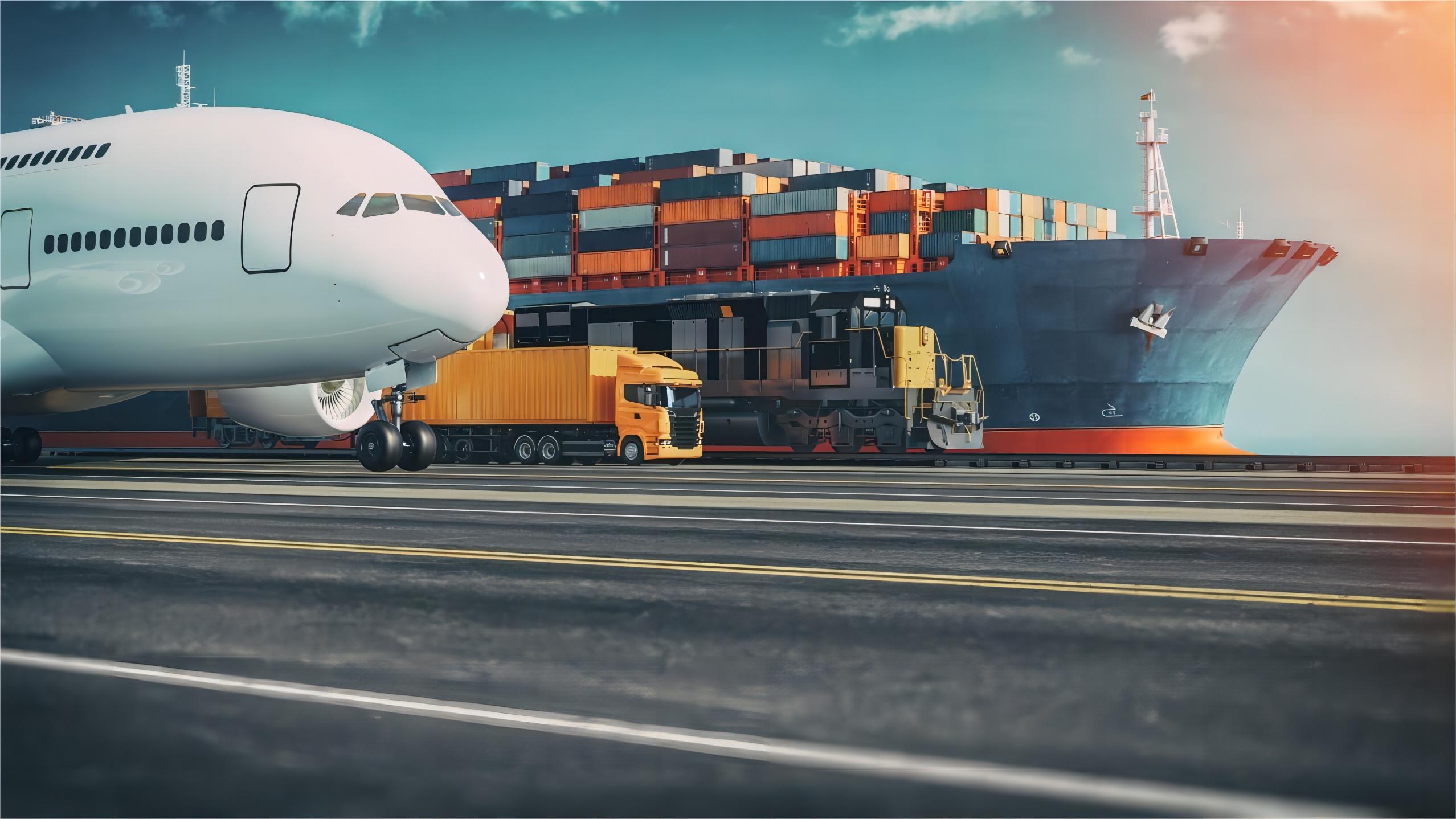
Choosing between sea freight and air freight is a fundamental decision for Malaysian retailers importing from the US. Each method offers distinct advantages and disadvantages, primarily concerning cost, speed, and cargo capacity. Understanding these differences is crucial for optimizing your logistics strategy.
For example, while air freight offers rapid delivery, it comes at a premium price point. Sea freight, conversely, is far more economical for bulk shipments but requires longer planning horizons. Current market rates for US to Malaysia sea freight typically range from $3,000-$5,500 for a 40HQ container, whereas air freight can be $4.00-$8.00 per kilogram.
Note: Freight rates are subject to change based on fuel costs, carrier capacity, and seasonal demand. Contact us for a current quote tailored to your specific shipment.
| Shipping Method | Cost Range (USD) | Transit Time | Best For | Limitations |
|---|---|---|---|---|
| Sea Freight (FCL) | $3,000 – $5,500 (40HQ) | 25-40 Days | Large volumes, heavy goods, non-urgent shipments. | Slower transit, potential for port congestion. |
| Sea Freight (LCL) | $100 – $180/CBM | 30-45 Days | Smaller volumes (under 15 CBM), cost-sensitive goods. | Longer transit, potential for delays due to consolidation. |
| Air Freight | $4.00 – $8.00/kg | 5-10 Days | Urgent shipments, high-value goods, perishable items. | Significantly higher cost, weight/size restrictions. |

Optimizing Your Logistics: Which Option Should You Choose?
Selecting the ideal shipping method depends on your specific business priorities and cargo characteristics. A strategic approach considers budget, urgency, and the nature of the goods. This ensures the most efficient and cost-effective delivery.
Decision Framework
If minimizing shipping expenses is paramount, sea freight (especially LCL for smaller volumes) is generally the most cost-effective solution. However, be prepared for longer lead times.
For urgent stock replenishment, seasonal goods, or high-value items with short shelf lives, air freight is the undisputed choice. Nevertheless, be prepared for significantly higher costs. Fragile, perishable, or high-value electronics might benefit from the faster, more secure handling of air freight. Bulk commodities are better suited for sea.
For shipments under 15 CBM, LCL sea freight might be more economical than a full container (FCL). However, over 15 CBM, FCL often becomes more cost-efficient per unit.
Alternative Strategies and Hybrid Solutions
Consider hybrid solutions for a balance of speed and cost. For instance, you could use air freight for critical components and sea freight for the bulk of your inventory. This approach optimizes overall supply chain costs.
Another strategy involves leveraging regional hubs. For example, using a combination of air freight to a regional hub and then sea freight to Malaysia can offer a middle-ground solution. Additionally, exploring different Incoterms can shift cost and risk responsibilities effectively.
Navigating Customs and Regulations for Imports to Malaysia
Successful importing into Malaysia requires diligent adherence to local customs regulations and documentation requirements. Proper preparation prevents costly delays and penalties at the border. An experienced US dispatch service for Malaysia retailers provides essential guidance.
Key documents typically include the commercial invoice, packing list, bill of lading or air waybill, and a customs import declaration form. Depending on the product, you might also need permits, licenses, or certificates of origin. Understanding Malaysia import duties and taxes is crucial for accurate landed cost calculations.
Furthermore, accurate Harmonized System (HS) codes are vital for correct tariff classification. Mistakes can lead to overpayment or underpayment of duties, resulting in audits or fines. A knowledgeable logistics partner ensures all documentation is precise and compliant.
Future Trends in US-Malaysia Dispatch Services
The logistics landscape is continually evolving, driven by technological advancements and changing market demands. Staying abreast of these trends can offer Malaysian retailers a competitive edge. Future-proofing your supply chain is increasingly important.
Emerging trends include greater adoption of digital platforms for tracking and documentation, enhancing transparency and efficiency. Increased focus on sustainable shipping practices is also gaining traction, with carriers offering greener options. Moreover, there is a growing demand for agile and resilient supply chains, capable of adapting to global disruptions. These innovations will further optimize the US dispatch service for Malaysia retailers.
Conclusion
Ultimately, selecting the right US dispatch service for Malaysia retailers is a strategic decision that directly impacts profitability and customer satisfaction. By partnering with an experienced logistics provider, you can navigate the complexities of international shipping with confidence. This ensures your products arrive efficiently and affordably, strengthening your market position and fostering sustainable growth.