
Efficient US Dispatch Operations for Vietnam Importers
For Vietnam importers, navigating the complexities of US dispatch operations is a critical challenge. Delays, unexpected costs, and compliance issues can significantly impact your supply chain and profitability. Therefore, streamlining these processes is essential for competitive advantage and timely market entry. At VeloTactics Logistics, we specialize in providing seamless solutions for your international shipping needs, ensuring efficient US dispatch operations for Vietnam importers from port to final destination.
What Are US Dispatch Operations for Vietnam Importers?
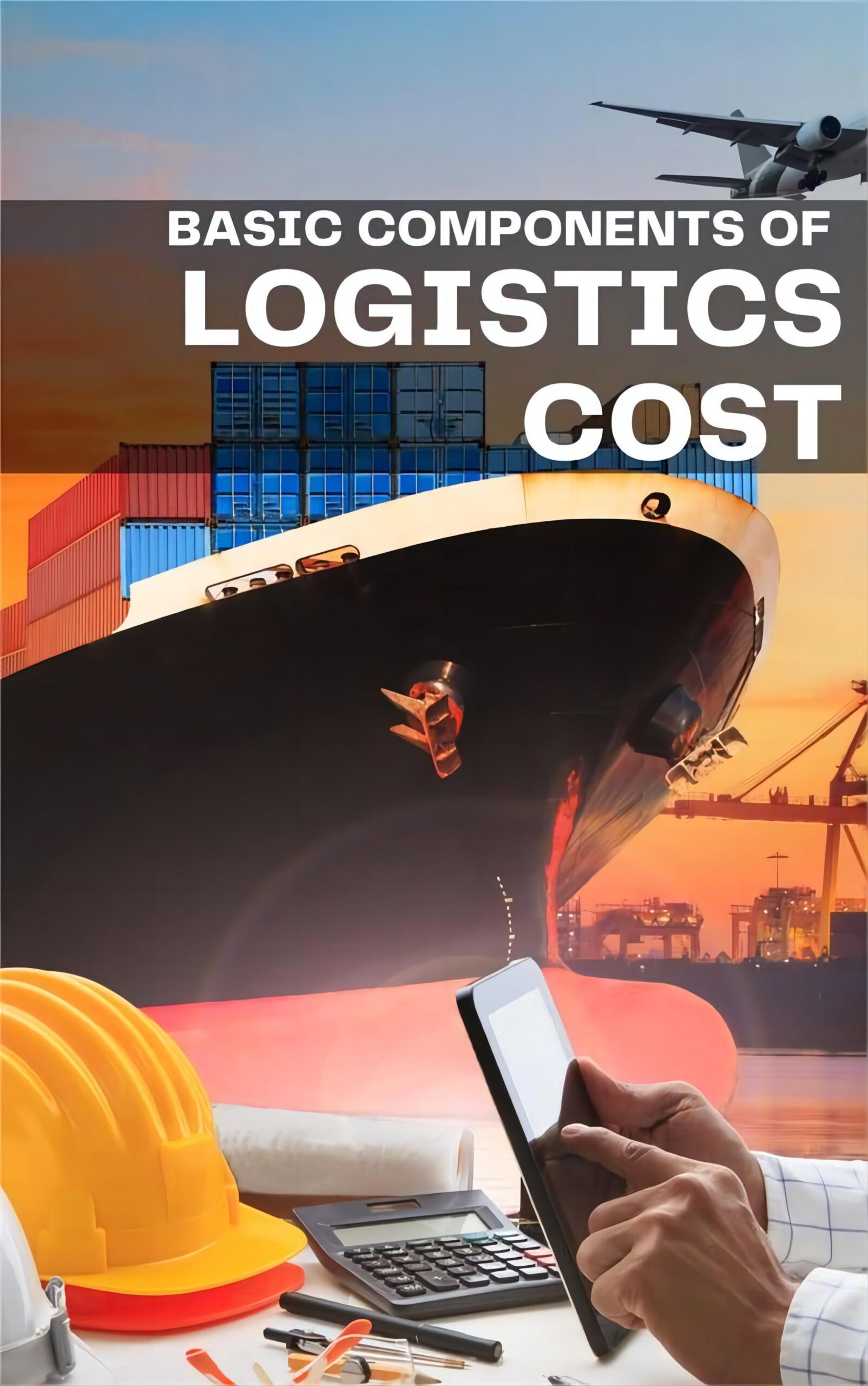
US dispatch operations for Vietnam importers encompass the entire logistical journey of goods once they arrive at a US port. This process begins immediately after cargo unloads from the vessel or aircraft. It involves a series of coordinated steps to move products through customs and onto their final destination.
Essentially, dispatch covers everything from port handling and customs clearance to warehousing, distribution, and last-mile delivery. Therefore, effective management of these stages is paramount for any business importing goods from Vietnam to USA. It ensures products reach consumers or distribution centers without unnecessary delays or added expenses.
Why is Efficient Dispatch Crucial for Vietnam Importers?
Efficient dispatch operations are not merely about moving goods; they are about optimizing your entire supply chain. Timely and cost-effective dispatch directly impacts your bottom line. Consequently, minimizing demurrage, storage fees, and avoiding stockouts becomes achievable.
Moreover, a smooth dispatch process enhances customer satisfaction and strengthens your market position. This efficiency translates into faster inventory turnover and improved cash flow. Furthermore, it allows businesses to respond quickly to market demands, a vital aspect of modern `international logistics for Vietnam businesses`.
Key Challenges in US Dispatch for Vietnam Importers
Vietnam importers frequently encounter several significant hurdles in US dispatch operations. Understanding these challenges is the first step toward effective mitigation. For instance, `US customs clearance for Vietnamese products` can be complex, involving numerous regulations and documentation requirements.
Additionally, port congestion, especially at major US gateways, can cause unpredictable delays. Coordinating multiple logistics partners, from ocean carriers to truckers and warehouse operators, also presents a complex management task. Without a doubt, `managing import risks Vietnam to US` demands careful planning and expert oversight.
How VeloTactics Logistics Streamlines Your US Dispatch
VeloTactics Logistics offers comprehensive solutions designed to overcome these dispatch challenges. Our integrated approach ensures a seamless flow of your cargo from Vietnam to its final US destination. We leverage advanced technology and deep industry expertise.
We proactively manage every aspect, from pre-clearance documentation to final delivery, reducing transit times and costs. Consequently, our clients benefit from enhanced visibility and control over their shipments. We are experts in `customs brokerage for Vietnam imports` and efficient distribution.
US Dispatch Operations for Vietnam Importers: Shipping Methods Compared
Choosing the right shipping method is fundamental to successful US dispatch operations. The decision often hinges on a balance between speed, cost, and cargo type. Understanding the nuances of each option is therefore crucial for Vietnam importers.
This strategic choice directly influences `transit time Vietnam to US` and overall `shipping costs from Vietnam to US`. Factors such as cargo volume and urgency dictate whether air, sea, or multimodal options are most suitable for your specific needs.
| Shipping Method | Cost Range (40HQ) | Transit Time | Best For | Limitations |
|---|---|---|---|---|
| Sea Freight (FCL) | $3,000 – $5,500 | 20-45 days | Large volumes, heavy goods, cost-effectiveness | Longer transit, potential port delays |
| Sea Freight (LCL) | $80 – $150/CBM | 25-50 days | Smaller volumes, cost-effectiveness | Slower than FCL, potential for more handling |
| Air Freight | $4.00 – $8.00/kg | 3-7 days | Time-sensitive, high-value, small volume | High cost, weight/size restrictions, fuel surcharges |
Air Freight for Speed
Air freight offers the fastest transit times, making it ideal for time-sensitive or high-value goods. While it is more expensive, its speed can significantly reduce inventory holding costs and accelerate market entry. Consider air freight for urgent shipments or products with short shelf lives. However, space and weight limitations are important considerations.
Sea Freight for Economy
Sea freight remains the most economical option for large volumes and heavy cargo. It is perfect for non-perishable goods where transit time is less critical. Furthermore, sea freight offers greater capacity, allowing for both Full Container Load (FCL) and Less than Container Load (LCL) options. Many Vietnam importers utilize sea freight for bulk commodities.

Navigating US Customs and Compliance
Successful US dispatch operations heavily rely on meticulous adherence to customs regulations. Any oversight in documentation or compliance can lead to severe delays, penalties, and increased costs. Therefore, a thorough understanding of `trade compliance Vietnam US` is indispensable. Moreover, proper preparation ensures smooth cargo release.
Importers must be aware of specific tariffs, duties, and product-specific requirements. Consequently, partnering with an experienced customs broker can significantly mitigate risks. This expertise helps in navigating the intricate landscape of US import laws effectively.
| Document | Purpose | Key Detail |
|---|---|---|
| Commercial Invoice | Details of the transaction | Accurate value, description, and terms of sale |
| Packing List | Contents of each package | Itemized list, weight, dimensions |
| Bill of Lading / Air Waybill | Contract of carriage | Proof of ownership, shipment details |
| Certificate of Origin | Country of manufacture | Required for duty preferences (e.g., GSP if applicable) |
| Import Security Filing (ISF) | Advance cargo information for CBP | Must be filed at least 24 hours before vessel departure |
Essential Documentation
Accurate and complete documentation is the cornerstone of efficient customs clearance. Missing or incorrect paperwork is a common cause of delays. Therefore, preparing all necessary documents in advance is crucial for `optimizing supply chain Vietnam US`. Ensuring every detail is correct prevents costly hold-ups.
Avoiding Delays and Penalties
Proactive management and expert advice are key to avoiding customs-related issues. Staying informed about changes in import regulations and maintaining open communication with your logistics partner can prevent many common pitfalls. Furthermore, understanding the nuances of `US import duties from Vietnam` helps in accurate cost planning. This vigilance protects your shipments and your budget.
Real-World Case Studies: Successful US Dispatch
Examining real-world scenarios provides valuable insights into effective US dispatch operations. These examples highlight how strategic planning and expert execution can overcome common challenges. They demonstrate the tangible benefits of a well-managed logistics process for Vietnam importers. Based on Q3 2024 market rates, these cases illustrate typical outcomes. Note: Freight rates are subject to change based on fuel costs, carrier capacity, and seasonal demand. Contact us for a current quote tailored to your specific shipment.
Case Study 1: High-Volume Apparel Importer
Route: Ho Chi Minh City, Vietnam Los Angeles, USA
Cargo: Apparel (T-shirts, jeans), 25 CBM, 8,000 kg
Container: LCL 25 CBM
Shipping Details: Carrier: Major carrier, Port of Loading: Cat Lai Port, Port of Discharge: Port of Los Angeles, Route Type: Direct.
Cost Breakdown: Ocean Freight: $1,800, Origin Charges (THC, documentation): $350, Destination Charges: $400, Customs & Duties (estimated): $250, Total Landed Cost: $2,800.
Timeline: Booking to Loading: 5 days, Sea Transit: 20 days, Customs Clearance: 3 days, Total Door-to-Door: 28 days.
Key Insight: Proactive documentation and efficient customs brokerage significantly reduced clearance time, ensuring timely arrival at the distribution center. This minimized storage costs at the port.
Case Study 2: Time-Sensitive Electronics Shipment
Route: Hanoi, Vietnam Chicago, USA
Cargo: Electronics components, 5 CBM, 1,200 kg
Container: Air Cargo (palletized)
Shipping Details: Carrier: Major airline, Port of Loading: Noi Bai International Airport, Port of Discharge: O’Hare International Airport, Route Type: Direct.
Cost Breakdown: Air Freight: $5,500, Origin Charges: $200, Destination Charges: $300, Customs & Duties (estimated): $150, Total Landed Cost: $6,150.
Timeline: Booking to Loading: 2 days, Air Transit: 2 days, Customs Clearance: 1 day, Total Door-to-Door: 5 days.
Key Insight: Utilizing premium air service for this `time-sensitive electronics` cargo ensured rapid market entry. Despite higher upfront costs, the quick turnaround prevented potential production line stoppages for the US manufacturer.
Case Study 3: Furniture Importer with Warehousing Needs
Route: Da Nang, Vietnam New York, USA
Cargo: Furniture (flat-pack), 40HQ container
Container: 40HQ
Shipping Details: Carrier: Major carrier, Port of Loading: Da Nang Port, Port of Discharge: Port of New York/New Jersey, Route Type: Transshipment via Singapore.
Cost Breakdown: Ocean Freight: $3,500, Origin Charges: $500, Destination Charges: $600, Customs & Duties (estimated): $400, Total Landed Cost: $5,000.
Timeline: Booking to Loading: 7 days, Sea Transit: 35 days, Customs Clearance: 4 days, Total Door-to-Door: 46 days.
Key Insight: Integrated warehousing and distribution services post-clearance provided seamless final delivery. This solution eliminated the need for the importer to manage multiple vendors, simplifying `efficient distribution US from Vietnam`.

How Does Sea Freight Compare to Other Shipping Options?
While sea freight is often the default for Vietnam importers due to its cost-effectiveness, it’s crucial to understand its position against other alternatives. Evaluating options based on `shipping costs`, `transit time`, and cargo characteristics is essential. This objective analysis helps in making informed logistical decisions.
For instance, direct sea routes typically cost 10-15% more but can save 5-7 days compared to transshipment via major hubs like Singapore. Understanding these trade-offs is key to `reducing transit time Vietnam to US` without excessive cost. Note: Freight rates are subject to change based on fuel costs, carrier capacity, and seasonal demand. Contact us for a current quote tailored to your specific shipment.
| Shipping Method | Cost Range (40HQ/kg) | Transit Time | Best For | Limitations |
|---|---|---|---|---|
| Sea Freight (FCL) | $3,000 – $5,500 | 20-45 days | Large, non-urgent, heavy cargo | Slowest, port congestion risks |
| Sea Freight (LCL) | $80 – $150/CBM | 25-50 days | Smaller volumes, budget-conscious | Slower than FCL, more handling |
| Air Freight | $4.00 – $8.00/kg | 3-7 days | Urgent, high-value, perishable goods | Highest cost, strict weight/size limits |
| Sea-Air Hybrid | $2.00 – $4.00/kg | 12-20 days | Moderate urgency, balance of cost/speed | Requires transshipment, more complex coordination |
FCL vs. LCL: Volume Thresholds
For shipments under 15 CBM, LCL (Less than Container Load) shipping may be more economical than a full container. LCL rates typically range from $80-150 per CBM for Vietnam to US routes. Conversely, if your cargo exceeds this volume, an FCL (Full Container Load) often provides better value and faster transit. This distinction is vital for `cost of shipping from Vietnam to US`.
Alternative Approaches and Hybrid Solutions
Consider alternative strategies like sea-air solutions for a balance between speed and cost. This involves shipping by sea to a hub (e.g., Singapore, Dubai) then by air to the US. This hybrid approach can significantly cut transit time compared to pure sea freight. It is often 30-40% faster than sea but 40-50% cheaper than pure air. This is an excellent option for moderately urgent cargo.
Moreover, optimizing your `delivery schedule` through strategic port choices can offer cost savings. For example, using West Coast ports for goods destined for the Midwest, followed by rail or truck, can sometimes be more efficient than direct East Coast sea freight. This `door-to-door shipping Vietnam to US` approach requires careful coordination.
Which US Dispatch Option Should You Choose?
Selecting the optimal dispatch strategy requires a clear understanding of your priorities and cargo characteristics. There is no one-size-fits-all solution for `us dispatch operations for vietnam importers`. A tailored approach always yields the best results.
Consider your key business drivers when making this crucial decision. This framework helps in aligning your logistics with overall business objectives. Furthermore, market data suggests `logistics trends` favor flexibility and adaptability.
Budget Priority
If budget is your primary concern, LCL sea freight is typically the most cost-effective. For larger volumes, FCL sea freight offers better unit economics. Always compare total landed costs, including `freight rates`, duties, and local transportation. `Vietnam to US shipping rates` vary significantly by method.
Speed Priority
For urgent shipments or products with short market windows, air freight is the unequivocal choice. When slightly more flexibility exists, a sea-air hybrid can provide a good compromise. This ensures your `delivery schedule` is met without excessive costs.
Cargo Type Considerations
Perishable goods, high-value electronics, or fashion items often benefit from the speed of air freight. Conversely, bulky, non-perishable items like furniture or raw materials are best suited for sea freight. Specialized `cargo handling` might also influence your choice.
Volume Thresholds for Switching Methods
As a general rule, LCL is suitable for shipments up to 15-20 CBM. Beyond this, an FCL container often becomes more economical. However, for very small, high-value items, air parcel services might even be considered. Always get a current quote for your specific cargo volume.
Mastering US Dispatch Operations for Vietnam Importers
Effectively managing US dispatch operations is a cornerstone of successful importing from Vietnam. It directly influences your costs, delivery times, and overall customer satisfaction. By understanding the processes, challenges, and available solutions, Vietnam importers can significantly enhance their supply chain efficiency.
Partnering with an experienced logistics provider like VeloTactics Logistics ensures your goods are handled with expertise from port to door. We empower your business to navigate the complexities of `US dispatch operations for Vietnam importers` with confidence and achieve consistent, reliable results.
Need a tailored shipping solution?
Ready to optimize your US dispatch operations for Vietnam importers? Do not let logistical complexities slow down your business. Contact VeloTactics Logistics today for a personalized consultation and a competitive quote. Let us streamline your supply chain for success.