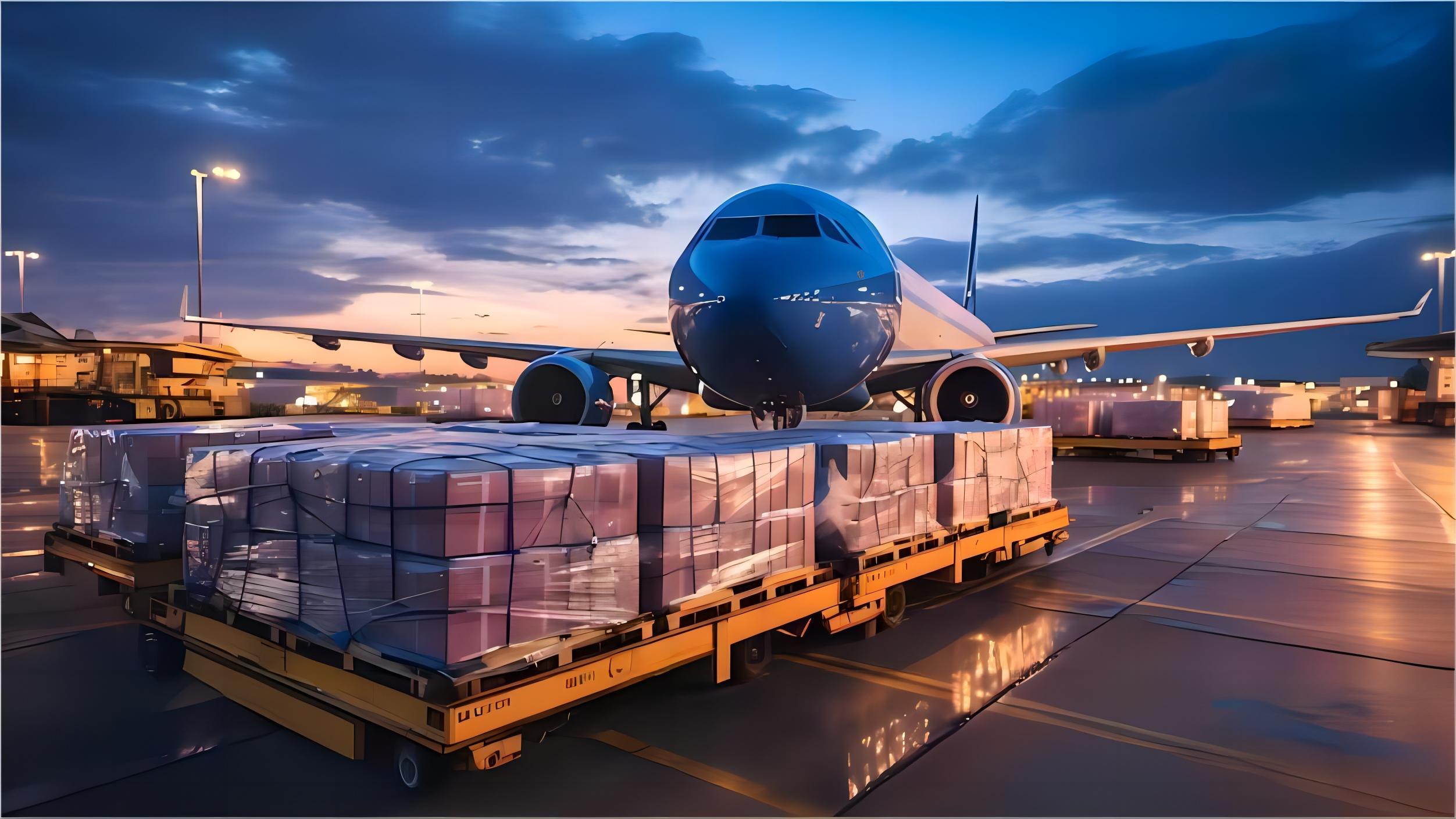
US Shipping Agent for Malaysia Importers: Your Logistics Partner
Starting your import journey to Malaysia from the United States demands precision and reliable support. For Malaysian importers, securing a proficient US shipping agent is absolutely crucial for efficient and cost-effective logistics. This comprehensive guide will explore how a professional freight forwarder can simplify the complexities of international trade, ensuring your goods arrive safely and on time.
Why Partner with a US Shipping Agent for Malaysia Imports?
Navigating international shipping regulations and procedures can be incredibly complex. Consequently, working with a specialized US shipping agent offers Malaysian importers significant advantages. They possess local expertise, which is invaluable for smooth operations.
Furthermore, a reliable agent helps you comply with US export requirements seamlessly. This expertise minimizes delays and avoids costly penalties. Therefore, your supply chain remains efficient and compliant throughout the entire process.
Additionally, these agents often provide consolidation services, especially for smaller shipments. This means combining multiple orders into one larger consignment, which dramatically reduces overall shipping costs for Malaysian importers. Ultimately, this approach enhances profitability and operational ease.
Key Services Offered by a US Shipping Agent for Malaysia
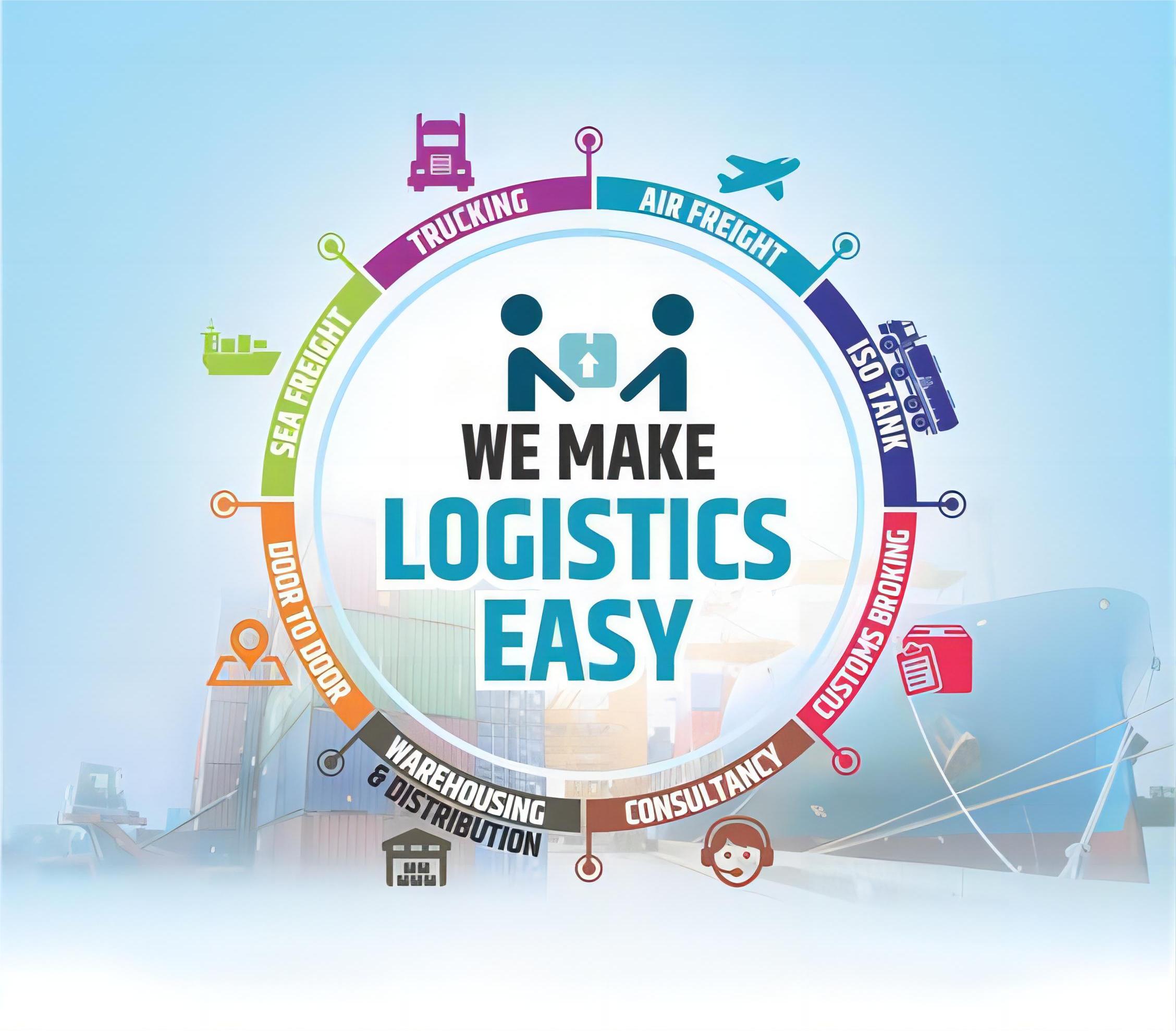
A comprehensive US shipping agent provides a suite of services tailored to international trade. These services are designed to manage every aspect of your shipment from origin to destination. Understanding these offerings helps you choose the right partner.
Essentially, a good agent acts as an extension of your import team. They handle logistics, paperwork, and compliance, allowing you to focus on your core business. This partnership ensures a smooth and predictable import process.
Freight Forwarding & Logistics Management
Foremost, freight forwarding is the core service, involving the coordination of cargo movement. An agent will arrange the best transport method, whether it’s ocean freight for bulk goods or air freight for urgent deliveries. They manage the entire journey efficiently.
Moreover, logistics management includes route optimization, carrier selection, and scheduling. This ensures your goods follow the most cost-effective and timely path from the US to Malaysia. Indeed, proper planning is paramount for successful international shipping.
Customs Brokerage & Documentation Expertise
Navigating customs procedures in both the US and Malaysia requires specialized knowledge. A proficient agent handles all necessary export declarations and import permits. They ensure all documentation, such as commercial invoices and packing lists, is accurate and complete.
Furthermore, they manage tariffs and duties, minimizing unexpected costs upon arrival in Malaysia. This expertise is critical for avoiding customs delays and ensuring a swift clearance process. Consequently, your cargo moves through borders without unnecessary complications.
Warehousing & Consolidation Services
Many US shipping agents offer warehousing solutions for temporary storage of goods. This is particularly useful for consolidating multiple orders from different US suppliers into a single, larger shipment. Ultimately, this practice significantly reduces per-unit shipping costs.
Additionally, these services can include inventory management and cross-docking. Such capabilities enhance supply chain flexibility and efficiency for Malaysian importers. Therefore, consider an agent with robust warehousing infrastructure.
Cargo Insurance & Risk Management
Protecting your goods against unforeseen events during transit is vital. A reputable agent can arrange comprehensive cargo insurance, safeguarding your investment against loss or damage. This provides peace of mind throughout the shipping process.
Indeed, they also offer advice on risk mitigation strategies. This includes proper packaging, secure loading, and monitoring cargo movement. Consequently, potential disruptions are minimized, ensuring greater reliability for your imports.
How Does Shipping from the US to Malaysia Work? (Step-by-Step Guide)
The process of importing goods from the US to Malaysia involves several distinct stages. Understanding each step helps Malaysian importers anticipate requirements and timelines. Here is a typical workflow.
Essentially, a well-managed process ensures transparency and control. Your US shipping agent will guide you through each phase, providing updates and managing details. This systematic approach minimizes potential issues.
Initial Consultation & Quote
Firstly, you will discuss your specific shipping needs, including cargo type, volume, and urgency, with the agent. They will then provide a detailed quote outlining freight costs, estimated transit times, and any additional charges. This initial step sets clear expectations.
This early engagement helps identify the most suitable shipping method and strategy. Moreover, it allows for proper budgeting and planning before any commitments are made. Therefore, clear communication at this stage is essential.
Booking & Preparation
Upon agreeing to the quote, the agent books space with the chosen carrier (ocean liner or airline). Concurrently, you will prepare your goods for export, ensuring they are properly packaged and labeled. Accurate documentation is also crucial here.
Furthermore, the agent will advise on specific packaging requirements and provide necessary shipping labels. This meticulous preparation prevents damage and facilitates smooth handling at various points. Ultimately, careful planning streamlines the entire process.
US Port Operations & Export Clearance
Your goods are transported to the designated US port or airport. Here, they undergo inspection and are processed for export clearance. The shipping agent manages all necessary filings with US customs authorities. This ensures compliance with all export regulations.
Subsequently, the cargo is loaded onto the vessel or aircraft. This phase requires precise coordination to meet tight schedules and avoid delays. Indeed, an experienced agent ensures efficient handling at this critical juncture.
Ocean or Air Transit
Once loaded, your shipment begins its journey across the Pacific Ocean or through the skies. The transit time varies significantly based on the chosen method and specific route. Agents provide tracking information, allowing you to monitor your cargo’s progress.
Moreover, continuous communication from the agent keeps you informed of any potential deviations or updates. This transparency is key to managing expectations and planning for arrival. Therefore, real-time visibility is a significant benefit.
Malaysia Customs & Final Delivery
Upon arrival at a Malaysian port or airport, the cargo undergoes import customs clearance. Your agent’s local partners or network facilitate this process, ensuring all Malaysian import duties and taxes are paid. They also manage the necessary documentation for entry. Customs brokerage is a critical service.
Finally, after clearance, the goods are transported from the port to your specified destination within Malaysia. This final leg, often referred to as last-mile delivery, completes the entire shipping cycle. Consequently, a seamless hand-off ensures timely receipt of your imported goods.
How Does US to Malaysia Shipping Compare Across Options?
Choosing the optimal shipping method from the US to Malaysia depends on various factors, including budget, urgency, and cargo characteristics. Each option presents unique advantages and limitations. Understanding these differences is crucial for strategic decision-making.
Ultimately, a knowledgeable US shipping agent can help you weigh these trade-offs. They will recommend the most suitable solution based on your specific requirements and current market conditions. Therefore, informed choices lead to more efficient logistics.
Consider the following comparison to better understand your choices for importing goods. This objective analysis helps highlight the best fit for different business needs. Furthermore, it clarifies the impact on your supply chain and overall costs.
| Shipping Method | Cost Range (40HQ / 100kg) | Transit Time (US West Coast) | Best For | Limitations |
|---|---|---|---|---|
| FCL Sea Freight | $2,000 – $4,000 / N/A | 25 – 35 days | Large volumes, non-urgent, heavy cargo | Long transit times, port congestion risks |
| LCL Sea Freight | $80 – $150 per CBM / N/A | 30 – 45 days | Smaller shipments, cost-sensitive, flexible | Longer transit than FCL, potential delays with consolidation |
| Air Freight (Standard) | N/A / $4 – $8 per kg | 5 – 8 days | Urgent, high-value, perishable goods | Significantly higher cost, volume/weight restrictions |
| Air Freight (Express) | N/A / $10 – $20 per kg | 2 – 4 days | Very urgent, documents, samples, small packages | Highest cost, strict weight/size limits, limited capacity |

Strategic Considerations for US to Malaysia Shipments
Optimizing your import strategy involves more than just selecting a shipping method. Malaysian importers must consider various strategic elements to enhance efficiency and reduce costs. These considerations impact your overall supply chain effectiveness.
Indeed, a proactive approach to logistics planning can yield significant benefits. This includes anticipating market changes, leveraging technology, and maintaining strong relationships with your shipping agent. Consequently, better outcomes are achieved.
Furthermore, understanding the nuances of trade lanes and cargo types is vital. This enables you to make informed decisions that align with your business objectives. Ultimately, strategic planning is a cornerstone of successful importing.
Cost-Saving Strategies for Malaysian Importers
To begin with, consolidating smaller shipments into LCL (Less than Container Load) can significantly reduce costs compared to sending multiple small air freight packages. Moreover, planning shipments during off-peak seasons often results in lower freight rates. Always inquire about these options.
Additionally, optimizing packaging to minimize volumetric weight can save money, especially for air freight. Negotiating favorable terms with your US suppliers for EXW (Ex Works) or FOB (Free On Board) shipments can also provide greater control over shipping costs. Therefore, exploring these avenues is crucial for budget management.
Balancing Transit Time vs. Urgency
Evidently, the trade-off between speed and cost is a primary decision point. For highly urgent or time-sensitive goods, air freight is indispensable despite its higher expense. Conversely, for routine inventory replenishment, sea freight offers substantial cost savings with longer transit times.
Furthermore, consider the impact of lead times on your inventory management. A longer transit time requires more careful forecasting and buffer stock. Ultimately, aligning your shipping method with product demand cycles is paramount for efficient operations. This balance dictates your optimal delivery schedule.
Cargo Type and Special Requirements
The nature of your cargo dictates specific handling and shipping requirements. Perishable goods necessitate refrigerated containers (reefers) and expedited transit. Hazardous materials, on the other hand, demand specialized carriers and strict adherence to international regulations. These factors influence costs and available options.
Additionally, oversized or overweight cargo requires specialized equipment and permits, potentially affecting port selection and route. Collaborating closely with your US shipping agent ensures all special requirements are met. This prevents delays and ensures compliance with safety standards. Therefore, detailed cargo information is essential.
Which Option Should You Choose? A Decision Framework
Your budget priority will often steer your shipping method choice. If cost is the absolute top concern, FCL or LCL sea freight is typically the most economical option. This is especially true for large volumes of goods.
However, if speed is paramount, particularly for time-sensitive inventory or product launches, air freight is the clear choice. For cargo that falls between these extremes, a detailed discussion with your US shipping agent can identify hybrid solutions or tailored strategies. Consider the total landed cost versus speed.
Ultimately, cargo type and volume thresholds also play a critical role. For instance, if your shipment exceeds 15 CBM, FCL sea freight often becomes more cost-effective than LCL. Conversely, for very small, high-value items, express air freight might be justified. Hence, a holistic view is necessary for optimal decision-making.
Case Studies: Successful US to Malaysia Imports
These real-world examples illustrate how effective logistics planning and a reliable US shipping agent can facilitate smooth imports to Malaysia. Each scenario highlights different challenges and solutions. These cases demonstrate practical applications of various shipping strategies.
Based on current market rates and typical operational timelines, these insights provide a realistic view. They reflect the complexities and successes in international freight forwarding. Ultimately, understanding these scenarios can inform your own import decisions.
Case Study 1: Large Volume Industrial Equipment from Houston
This Malaysian manufacturer needed to import heavy industrial machinery for a factory expansion. The priority was cost-effectiveness for the large volume, despite a longer transit time. The US shipping agent coordinated all aspects, including specialized loading.
| Detail | Description |
|---|---|
| Route | Houston, USA -> Port Klang, Malaysia |
| Cargo | Manufacturing machinery, 2x40HQ, 55,000 kg |
| Container | 2x40HQ |
| Shipping Details | |
| – Carrier/Service | Major ocean carrier (e.g., Maersk) |
| – Port of Loading | Houston, TX |
| – Port of Discharge | Port Klang, Malaysia |
| – Route Type | Direct |
| Cost Breakdown (Based on Q3 2024 market rates) | |
| – Ocean Freight | $6,200 (for 2x40HQ) |
| – Origin Charges (THC, documentation) | $850 |
| – Destination Charges | $750 |
| – Customs & Duties (estimated) | $1,100 |
| – Total Landed Cost | $8,900 |
| Timeline | |
| – Booking to Loading | 7 days |
| – Sea Transit | 30 days |
| – Customs Clearance | 3 days |
| – Total Door-to-Door | 40 days |
| Key Insight | Coordinated complex heavy lift operations and precise customs classification saved time and money at destination. |

Case Study 2: E-commerce Goods Consolidation from Los Angeles
An online retailer in Malaysia regularly imports diverse retail products from multiple US suppliers. The main challenge was managing small, frequent orders cost-effectively. LCL sea freight with consolidation proved to be the ideal solution.
The US shipping agent managed pickups from various vendors, consolidating them into a single LCL shipment. This optimized freight costs significantly. Ultimately, it enabled the importer to maintain competitive pricing for their products.
| Detail | Description |
|---|---|
| Route | Los Angeles, USA -> Penang, Malaysia |
| Cargo | Mixed retail products (clothing, electronics), 8 CBM, 1,200 kg |
| Container | LCL 8 CBM |
| Shipping Details | |
| – Carrier/Service | Major NVOCC (Non-Vessel Operating Common Carrier) |
| – Port of Loading | Los Angeles, CA |
| – Port of Discharge | Port Klang (then trucked to Penang) |
| – Route Type | Transshipment via Singapore |
| Cost Breakdown (Typical rates as of early 2025) | |
| – Ocean Freight | $680 |
| – Origin Charges (consolidation, documentation) | $220 |
| – Destination Charges | $190 |
| – Customs & Duties (estimated) | $350 |
| – Total Landed Cost | $1,440 |
| Timeline | |
| – Booking to Loading | 10 days |
| – Sea Transit | 35 days |
| – Customs Clearance | 4 days |
| – Total Door-to-Door | 49 days |
| Key Insight | Efficient consolidation from multiple suppliers optimized costs for smaller shipments, enhancing profitability. |
Case Study 3: Urgent Medical Supplies from Chicago
A Malaysian hospital required a critical shipment of specialized medical devices with extreme urgency. Speed and reliability were paramount, outweighing cost considerations. Air freight was the only viable option for this life-saving cargo.
The US shipping agent expedited customs pre-clearance and secured direct air cargo space. This minimized transit time and ensured immediate delivery upon arrival. Consequently, the hospital received the vital supplies within days.
| Detail | Description |
|---|---|
| Route | Chicago, USA -> Kuala Lumpur, Malaysia |
| Cargo | Specialized medical devices, 500 kg, 3 CBM |
| Container | Air Cargo |
| Shipping Details | |
| – Carrier/Service | Major Air Cargo (e.g., Emirates SkyCargo) |
| – Port of Loading | O’Hare International Airport (ORD) |
| – Port of Discharge | Kuala Lumpur International Airport (KUL) |
| – Route Type | Direct |
| Cost Breakdown (Based on Q1 2025 market rates) | |
| – Air Freight | $3,600 |
| – Origin Charges (handling, documentation) | $420 |
| – Destination Charges | $280 |
| – Customs & Duties (estimated) | $550 |
| – Total Landed Cost | $4,850 |
| Timeline | |
| – Booking to Loading | 2 days |
| – Air Transit | 3 days |
| – Customs Clearance | 1 day |
| – Total Door-to-Door | 6 days |
| Key Insight | Expedited customs pre-clearance and direct air routing ensured rapid delivery of time-sensitive, high-value cargo. |
Choosing the Right US Shipping Agent for Your Needs
Selecting the ideal US shipping agent is a pivotal decision for any Malaysian importer. The right partner can significantly impact your supply chain’s efficiency and profitability. Therefore, consider several key factors during your selection process.
Furthermore, a thorough evaluation ensures that the agent’s capabilities align with your specific business requirements. This careful consideration ultimately leads to a more reliable and stress-free import experience. Hence, invest time in this critical choice.
Experience and Expertise in US-Malaysia Routes
Firstly, look for an agent with a proven track record specifically in shipping from the US to Malaysia. Their experience indicates familiarity with the unique challenges and regulations of this trade lane. Moreover, deep knowledge of both US export and Malaysian import procedures is invaluable.
Indeed, an experienced agent can anticipate potential issues and provide proactive solutions. This expertise minimizes risks and streamlines operations. Ultimately, their specialized knowledge translates into smoother and more reliable shipments for you.
Network and Global Partnerships
A strong global network, including reliable partners in Malaysia, is essential for seamless door-to-door service. This network ensures efficient handling at both origin and destination ports. Furthermore, it provides access to a wider range of carriers and service options.
Consequently, an agent with robust partnerships can offer more flexible and cost-effective solutions. This includes better rates and more reliable transit times. Therefore, inquire about their network capabilities and local presence.
Technology and Transparency
Modern logistics relies heavily on technology for efficiency and visibility. Look for an agent that offers advanced tracking systems, online portals, and clear communication channels. This technology provides real-time updates on your shipment’s status.
Moreover, transparency in pricing and operations builds trust and prevents unexpected costs. An agent committed to clear communication ensures you are always informed. Ultimately, this leads to better decision-making and greater peace of mind.
For example, VeloTactics Logistics leverages cutting-edge technology to provide unparalleled visibility and control over your shipments. Our integrated platforms ensure real-time tracking and efficient management from pickup to delivery. We prioritize transparency in all our operations.
Customer Service and Support
Excellent customer service is paramount, especially when dealing with international logistics. A responsive and dedicated team can address your concerns promptly and resolve issues efficiently. This personalized support is crucial for complex shipments.
Ultimately, a reliable agent acts as your trusted advisor, offering guidance and solutions tailored to your needs. This commitment to client satisfaction ensures a positive and productive partnership. Therefore, prioritize agents known for their outstanding support.
VeloTactics Logistics prides itself on exceptional customer service, offering dedicated support for every Malaysian importer. Our team is always ready to assist, providing expert guidance and ensuring your questions are answered promptly. Visit our services page to learn more about our commitment to your success.
Your Trusted Partner for US to Malaysia Imports
The journey of importing goods from the US to Malaysia involves careful planning, meticulous execution, and navigating intricate regulations. By partnering with a knowledgeable <a href=”https://velotac-log.com/services/”>US shipping agent</a>, Malaysian importers can navigate complex logistics, manage costs effectively, and ensure timely delivery of their products.
Ultimately, choosing the right logistics partner is the key to a successful, stress-free, and profitable international supply chain. A reliable US shipping agent for Malaysia importers provides the expertise and support needed to thrive in global trade. Therefore, invest in a partnership that ensures your goods move smoothly and efficiently, every step of the way.
Need a tailored shipping solution?
Ready to simplify your import process from the US to Malaysia? Contact VeloTactics Logistics today for a personalized consultation and a competitive quote. Our experts are prepared to optimize your supply chain and ensure seamless delivery.