
US Import Spices from Vietnam: Your Ultimate Guide
For US businesses, importing spices from Vietnam offers a world of flavor and opportunity, however, navigating the complexities of international trade can be daunting. From understanding intricate customs regulations to optimizing your supply chain, a strategic approach is essential for success. This comprehensive guide, brought to you by VeloTactics Logistics, will demystify the process of importing spices from this vibrant Southeast Asian nation.

Why US Businesses Import Spices from Vietnam?
Vietnam, a country renowned for its rich agricultural heritage, has emerged as a powerhouse in the global spice market. Consequently, US businesses increasingly look to Vietnam for high-quality, cost-effective spices. This includes everything from pungent black pepper to aromatic star anise, meeting diverse consumer demands.
Furthermore, the consistent supply and competitive pricing offered by Vietnamese spice suppliers make it an attractive sourcing destination. Many importers seek to diversify their supply chain, reducing reliance on single regions. Therefore, Vietnam presents a robust alternative for sourcing essential ingredients.
Key Spices Imported from Vietnam to the US
Vietnam is particularly famous for several key spices that are highly sought after in the US market. These include black pepper, which accounts for a significant portion of global trade, alongside cinnamon, star anise, and turmeric. Each spice offers unique culinary and industrial applications.
Notably, sourcing Vietnamese cinnamon, often referred to as Cassia cinnamon, provides a distinct flavor profile preferred by many. Moreover, the demand for turmeric import process, ginger export Vietnam, and star anise bulk shipping continues to grow steadily. These products are vital for food manufacturers, distributors, and culinary businesses across the United States.
Navigating US Customs and Regulations for Spice Imports
Importing spices into the US necessitates a thorough understanding of customs and food safety regulations. Importers must comply with the Food and Drug Administration (FDA) requirements, including prior notice for food shipments. Furthermore, accurate documentation is absolutely critical for smooth customs clearance for spices.
Additionally, tariffs and duties apply to various spice categories, impacting the overall shipping costs. Therefore, it is crucial to classify your products correctly using Harmonized System (HS) codes. A reliable customs brokerage service can significantly streamline this complex process, ensuring full compliance and avoiding costly delays.
| Document Type | Purpose | Requirement |
|---|---|---|
| Commercial Invoice | Details of goods, value, terms of sale | Mandatory for all imports |
| Packing List | Contents of each package | Essential for cargo handling |
| Bill of Lading/Air Waybill | Contract of carriage, title to goods | Proof of shipment |
| Certificate of Origin | Confirms country of production | Required for preferential tariffs |
| FDA Prior Notice | Inform FDA of food shipment arrival | Mandatory for food products |
| Phytosanitary Certificate | Confirms pest/disease free status | Often required for agricultural products |

How Does Shipping Spices from Vietnam to the US Work?
When importing spices, choosing the right shipping method from Vietnam to the US is paramount for balancing speed and cost. Typically, businesses opt for either sea freight or air freight, depending on their specific needs. Each method presents distinct advantages and disadvantages, directly impacting your delivery schedule and overall logistics trends.
For instance, sea freight is generally the most economical option for large volumes and bulk spice shipments. Conversely, air freight provides significantly faster transit times, suitable for urgent or high-value, smaller quantity orders. Considering the commodity, such as star anise bulk shipping, sea freight often proves more practical.
| Shipping Method | Cost Range (40HQ) | Transit Time (approx.) | Best For | Limitations |
|---|---|---|---|---|
| Sea Freight (FCL) | $3,000 – $6,000 | 20-40 days | Large volumes, cost-sensitive, non-perishables | Slower, potential port congestion |
| Sea Freight (LCL) | $60 – $90 per CBM | 25-45 days | Smaller volumes, less than a container load | Slower, more handling, potential delays |
| Air Freight | $5 – $10 per kg | 5-10 days | Urgent, high-value, smaller shipments | Significantly higher cost, volume restrictions |
How Does Your Shipping Method Compare to Other Options?
Evaluating different shipping approaches is crucial for optimizing your spice import logistics. While full container load (FCL) sea freight is common, less than container load (LCL) offers flexibility for smaller orders. Moreover, direct routes versus transshipment options present a trade-off between speed and freight rates.
For instance, if your shipment of pepper from Vietnam is under 15 CBM, LCL at $60-90/CBM might be more economical than paying for an entire container. Furthermore, direct routes, although potentially 10-15% more expensive, can save 5-7 days compared to transshipment via major hubs like Singapore or Hong Kong. Therefore, careful planning is essential for balancing shipping costs and delivery schedules.
Hybrid solutions, such as sea-air combinations, are also emerging for specific scenarios. This method involves shipping by sea to a transit hub (e.g., Dubai) and then by air to the final destination. As a result, it offers a middle ground in terms of speed and cost, suitable for certain time-sensitive but not critically urgent spice imports.
| Shipping Scenario | Alternative 1: FCL | Alternative 2: LCL | Alternative 3: Air Freight |
|---|---|---|---|
| Small Batch (5 CBM) | Cost-prohibitive, empty space | Economical, consolidated | Fastest, but high per-kg cost |
| Medium Batch (18 CBM) | Efficient use of space for 20GP | Potentially higher per CBM than FCL | Very expensive, only for urgent needs |
| Large Batch (50 CBM) | Most cost-effective (multiple containers) | Not practical, excessive handling | Extremely expensive, not viable |
| Urgent Delivery | Too slow for critical timelines | Even slower due to consolidation | Best choice, despite premium cost |
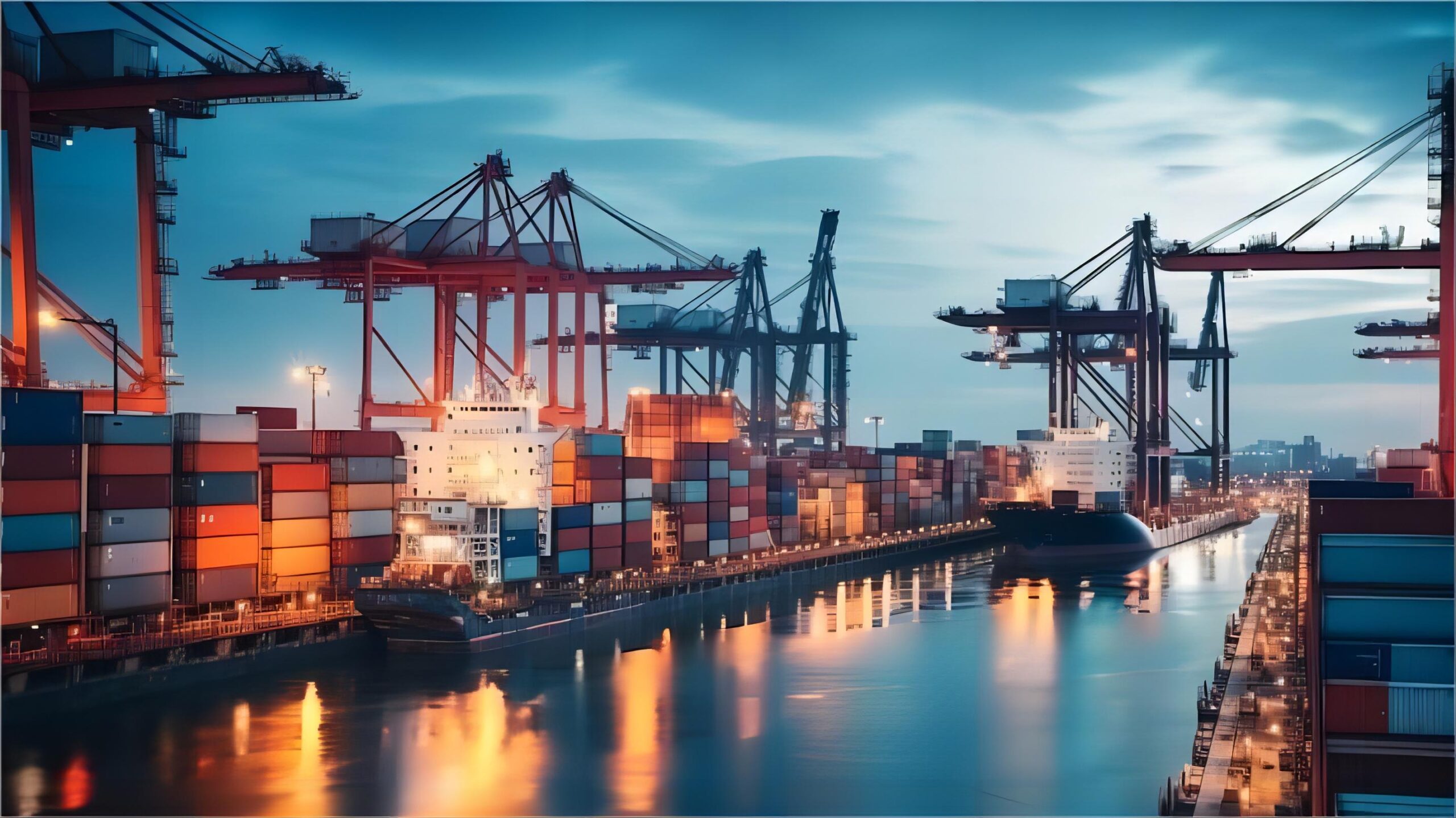
Optimizing Your Logistics and Supply Chain for Vietnamese Spices
Efficient logistics are the backbone of successful US import spices from Vietnam. Optimizing your supply chain involves more than just selecting a shipping method; it encompasses cargo handling, warehousing, and distribution strategies. Ultimately, this holistic approach minimizes delays and reduces operational costs.
For example, utilizing robust warehousing solutions near your US distribution centers can significantly improve delivery schedules. Furthermore, implementing advanced tracking systems provides real-time visibility into your shipments. Consequently, proactive management of potential issues, such as port congestion or unexpected customs delays, becomes much easier. Consider engaging in supply chain consulting to identify further efficiencies.
Real-World Scenarios: Successful Spice Imports from Vietnam
Understanding real-world applications of these logistics strategies can provide valuable insights. These case studies highlight typical challenges and effective solutions in the spice import industry. They demonstrate how different shipping methods and strategic planning impact overall outcomes.
Case Study 1: Importing Black Pepper for a Food Manufacturer
This scenario illustrates a common import of bulk commodities for industrial use. Efficient planning and carrier selection were key to managing costs and delivery timelines. The client prioritized consistent supply over absolute speed, therefore sea freight was the optimal choice.
| Detail | Description |
|---|---|
| Route | Ho Chi Minh City, Vietnam Long Beach, USA |
| Cargo | Black Pepper, 25 CBM, 15,000 kg |
| Container | 1 x 20GP |
| Shipping Details | Carrier: Maersk, Port of Loading: Cat Lai, Port of Discharge: Long Beach, Route Type: Direct |
| Cost Breakdown (Q1 2025) | Ocean Freight: $3,200, Origin Charges: $450, Destination Charges: $600, Customs & Duties (estimated): $1,200, Total Landed Cost: $5,450 |
| Timeline | Booking to Loading: 5 days, Sea Transit: 22 days, Customs Clearance: 3 days, Total Door-to-Door: 30 days |
| Key Insight | Achieved cost-effectiveness through FCL sea freight. Proactive customs brokerage avoided delays. |
Case Study 2: Expedited Cinnamon Shipment for Holiday Season
A retail client required a swift delivery of cinnamon sticks to meet peak holiday demand. Consequently, air freight was chosen despite higher costs, ensuring products hit shelves on time. This highlights the trade-off between speed and expense, especially for time-sensitive goods.
| Detail | Description |
|---|---|
| Route | Hanoi, Vietnam Chicago O’Hare, USA |
| Cargo | Cinnamon Sticks, 2 CBM, 500 kg |
| Container | Air Cargo Pallet |
| Shipping Details | Carrier: Cathay Pacific Cargo, Port of Loading: Noi Bai (HAN), Port of Discharge: O’Hare (ORD), Route Type: Direct |
| Cost Breakdown (Q1 2025) | Air Freight: $3,500 ($7/kg), Origin Charges: $200, Destination Charges: $350, Customs & Duties (estimated): $250, Total Landed Cost: $4,300 |
| Timeline | Booking to Loading: 2 days, Air Transit: 3 days, Customs Clearance: 1 day, Total Door-to-Door: 7 days |
| Key Insight | Air freight ensured rapid delivery for a critical sales period. Pre-cleared customs documentation was crucial. |

Case Study 3: LCL Shipment of Mixed Spices for a Specialty Retailer
This case involved a smaller volume of diverse spices for a specialty food store. LCL sea freight was the most viable option, pooling cargo with others to optimize costs. This approach is ideal for businesses needing variety without committing to full container volumes.
| Detail | Description |
|---|---|
| Route | Haiphong, Vietnam New York, USA |
| Cargo | Mixed Spices (Star Anise, Turmeric), 8 CBM, 4,000 kg |
| Container | LCL (Less than Container Load) |
| Shipping Details | Carrier: Major NVOCC, Port of Loading: Haiphong, Port of Discharge: New York (Port Elizabeth), Route Type: Transshipment via Singapore |
| Cost Breakdown (Q1 2025) | Ocean Freight: $720 ($90/CBM), Origin Charges: $300, Destination Charges: $550, Customs & Duties (estimated): $400, Total Landed Cost: $1,970 |
| Timeline | Booking to Loading: 7 days, Sea Transit: 35 days, Customs Clearance: 4 days, Total Door-to-Door: 46 days |
| Key Insight | LCL allowed cost-effective import for smaller volumes, however, transshipment extended transit time. |
Which Option Should You Choose for Your Spice Imports?
Deciding on the best shipping strategy for your US import spices from Vietnam depends heavily on specific business priorities. Therefore, a clear decision framework can guide your choices effectively. Consider your budget, urgency, cargo characteristics, and shipment volume thresholds before committing to a method.
If budget is your primary priority, then FCL or LCL sea freight is generally recommended for its lower cost. Conversely, if speed is paramount, then air freight is the clear choice, despite its higher expense. For delicate or high-value cargo, specialized handling might be necessary, influencing carrier selection. Remember, as of Q1 2025, freight rates from Vietnam to the US have stabilized, but seasonal peaks can still impact pricing. Note: Freight rates are subject to change based on fuel costs, carrier capacity, and seasonal demand. Contact us for a current quote tailored to your specific shipment.
Cost-Saving Strategies and Trade-offs in Spice Import Logistics
Implementing smart strategies can significantly reduce the overall shipping costs for pepper from Vietnam and other spices. For example, consolidating multiple smaller orders into a single LCL shipment or even an FCL can yield substantial savings. Furthermore, negotiating favorable freight rates with a reliable freight forwarder Vietnam to US is crucial. This helps manage the impact of fluctuating logistics trends.
However, cost-saving often involves trade-offs, particularly concerning transit time. Opting for slower, transshipment routes can reduce expenses but extends delivery schedules. Conversely, choosing faster, direct routes or air freight incurs higher costs. Therefore, it is essential to balance financial prudence with supply chain resilience and customer expectations. Leveraging technology for supply chain optimization for spices can also unlock efficiencies.
Conclusion
Successfully managing US import spices from Vietnam requires a blend of regulatory knowledge, strategic logistics planning, and a reliable partner. From understanding FDA requirements to optimizing freight rates and transit time, each element plays a critical role. By carefully considering all options and challenges, businesses can efficiently source high-quality Vietnamese spices.
Ultimately, partnering with an experienced logistics provider like VeloTactics Logistics can transform potential hurdles into smooth, successful import operations. We help ensure your supply chain remains robust and cost-effective, allowing you to focus on your core business growth.
Ready to streamline your logistics?
Ready to streamline your US import spices from Vietnam? Contact VeloTactics Logistics today for a personalized consultation and competitive quote. Our experts are here to help you navigate every step of the import process, ensuring efficiency and compliance.
Request Quote