
US Shipping Agent Service Price for SE Asia: Your Definitive Guide
Understanding the complexities of US shipping agent service price for SE Asia is crucial for businesses aiming for efficient global trade. Navigating varied freight rates, transit times, and customs regulations can be daunting. This comprehensive guide, brought to you by VeloTactics Logistics, will demystify the costs and provide actionable insights for optimizing your supply chain to Southeast Asian markets.
✦
What Influences US Shipping Agent Service Prices to Southeast Asia?
Several key elements determine the overall US shipping agent service price for Southeast Asia. Firstly, the chosen shipping method—whether air or sea freight—significantly impacts both cost and speed. Moreover, the volume and weight of your cargo, alongside its specific nature, play a substantial role in calculating freight rates.
Furthermore, destination-specific factors such as port charges, local taxes, and customs duties in countries like Vietnam or Indonesia directly influence the final landed cost. Market dynamics, including fuel prices and carrier capacity, also contribute to fluctuating logistics trends. Consequently, understanding these variables is essential for accurate cost estimation.
How Do Shipping Methods Impact Freight Rates to SE Asia?
Selecting the appropriate shipping method is paramount for managing your US shipping agent service price for Southeast Asia. For instance, sea freight generally offers the most economical solution for large volumes, albeit with longer transit times. Conversely, air freight provides rapid delivery, which is ideal for urgent or high-value goods.
Within sea freight, businesses must choose between Full Container Load (FCL) and Less than Container Load (LCL) options. LCL shipping is often more cost-effective for smaller shipments, consolidating multiple clients’ cargo into one container. However, FCL provides exclusive use of a container, potentially reducing transit times and handling risks.
| Shipping Method | Cost Range (per kg/CBM) | Transit Time (US to SE Asia) | Best For | Limitations |
|---|---|---|---|---|
| Sea Freight (FCL) | $0.05 – $0.15/kg | 25-45 days | Large, heavy, non-urgent goods | Slower, port congestion risk |
| Sea Freight (LCL) | $0.10 – $0.25/kg | 30-50 days | Smaller shipments (1-15 CBM) | More handling, potential delays |
| Air Freight | $4.00 – $8.00/kg | 3-7 days | Urgent, high-value, perishable goods | Very expensive, volume/weight restrictions |
Navigating Customs and Documentation for SE Asia Shipments
Effective customs management is critical to avoiding delays and unexpected costs in your US shipping agent service price for Southeast Asia. Each country in the region, such as Singapore or Thailand, possesses unique import regulations and duty structures. Therefore, accurate documentation is indispensable for smooth clearance.
Working with an experienced customs brokerage service is highly recommended. These experts ensure compliance with both US export regulations and the specific import requirements of your destination. This proactive approach minimizes the risk of penalties, storage fees, and significant disruptions to your supply chain.
Optimizing Transit Times and Delivery Schedules to Southeast Asia
Optimizing transit times is a crucial aspect of overall supply chain efficiency, directly impacting customer satisfaction and inventory costs. While faster shipping options like air freight reduce transit, they invariably increase the US shipping agent service price for Southeast Asia. Conversely, slower sea routes offer significant cost savings.
Many shippers seek a balance between speed and economy. Consequently, understanding the trade-offs between various service levels, such as express, standard, or deferred, becomes vital. Moreover, considering door-to-door delivery services can streamline logistics, even though initial costs might appear higher due to integrated services.
Real-World Examples: US Shipping Costs to Key SE Asian Destinations
To illustrate the practical application of these factors, let’s examine specific scenarios for US shipping agent service price for Southeast Asia. These case studies provide tangible insights into typical costs and transit times based on recent market conditions. They highlight how different choices impact the final logistics outcome.
Case Study 1: High-Value Electronics to Ho Chi Minh City
This scenario involves shipping consumer electronics, requiring careful handling and security. The client prioritized a balance of cost-effectiveness and reasonable transit time, opting for FCL sea freight. Originating from Los Angeles, the shipment reached Vietnam’s major commercial hub efficiently. This demonstrates typical market rates as of Q4 2024.
| Route | Los Angeles, USA -> Ho Chi Minh City, Vietnam |
|---|---|
| Cargo | Consumer Electronics, 28 CBM, 12,000 kg |
| Container | 40HQ FCL |
| Shipping Details | Carrier: Major carrier; Port of Loading: Long Beach, CA; Port of Discharge: Cat Lai, HCMC; Route Type: Transshipment via Singapore |
| Cost Breakdown | Ocean Freight: $4,800; Origin Charges (THC, documentation): $650; Destination Charges: $500; Customs & Duties (estimated): $1,200; Total Landed Cost: $7,150 |
| Timeline | Booking to Loading: 5 days; Sea Transit: 30 days; Customs Clearance: 3 days; Total Door-to-Door: 38 days |
| Key Insight | Consolidating electronics in an FCL container provided security and a balanced cost-transit profile. |
Case Study 2: Fashion Apparel to Jakarta
A fashion brand needed to ship apparel to their distribution center in Jakarta, Indonesia. Due to the relatively smaller volume and the need for regular replenishment, LCL sea freight was chosen. This option helped manage inventory levels without incurring the higher costs of a full container. These rates are typical for early 2025.
| Route | New York, USA -> Jakarta, Indonesia |
|---|---|
| Cargo | Fashion Apparel, 10 CBM, 2,500 kg |
| Container | LCL 10 CBM |
| Shipping Details | Carrier: Major NVOCC; Port of Loading: New York, NY; Port of Discharge: Tanjung Priok, Jakarta; Route Type: Transshipment via Singapore |
| Cost Breakdown | Ocean Freight: $1,500; Origin Charges (THC, documentation): $400; Destination Charges: $350; Customs & Duties (estimated): $800; Total Landed Cost: $3,050 |
| Timeline | Booking to Loading: 7 days; Sea Transit: 35 days; Customs Clearance: 4 days; Total Door-to-Door: 46 days |
| Key Insight | LCL proved cost-effective for smaller, regular apparel shipments, despite slightly longer transit due to consolidation. |
Case Study 3: Urgent Industrial Parts to Bangkok
An industrial manufacturer required urgent delivery of critical machine parts to a factory in Bangkok, Thailand. Speed was the absolute priority over cost, necessitating air freight. This time-sensitive shipment bypassed sea freight’s longer transit, ensuring minimal production downtime. Based on Q1 2025 market rates, this reflects premium service pricing.
| Route | Chicago, USA -> Bangkok, Thailand |
|---|---|
| Cargo | Industrial Machine Parts, 2 CBM, 500 kg |
| Container | Air Cargo |
| Shipping Details | Carrier: Major Air Cargo; Origin Airport: O’Hare (ORD); Destination Airport: Suvarnabhumi (BKK); Route Type: Direct Air Freight |
| Cost Breakdown | Air Freight: $3,500; Origin Charges (terminal, documentation): $300; Destination Charges: $200; Customs & Duties (estimated): $450; Total Landed Cost: $4,450 |
| Timeline | Booking to Loading: 2 days; Air Transit: 4 days; Customs Clearance: 1 day; Total Door-to-Door: 7 days |
| Key Insight | Air freight is indispensable for urgent shipments where the cost of delay far outweighs the higher transportation expense. |
How Does Sea Freight Compare to Other Shipping Options for SE Asia?
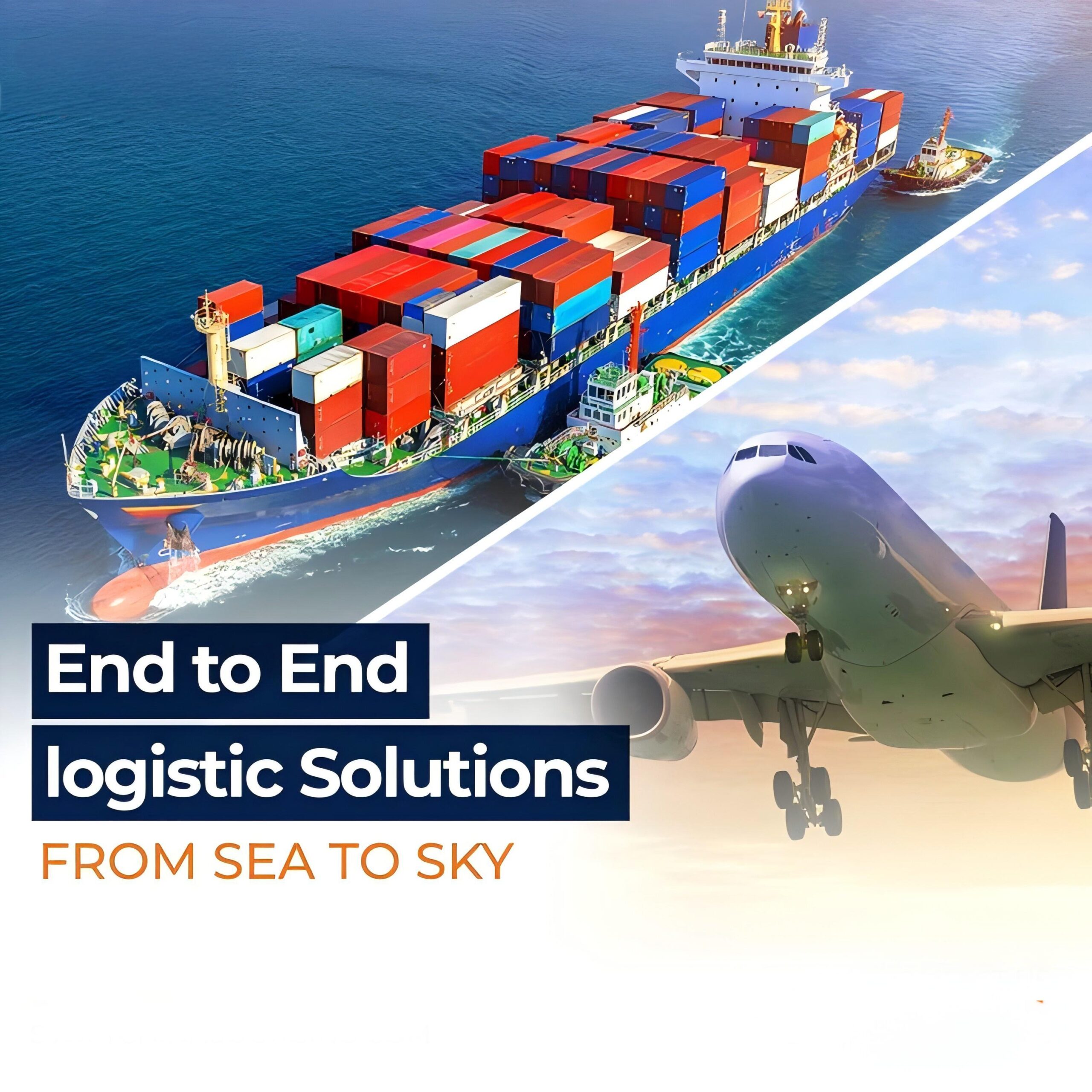
When evaluating the US shipping agent service price for Southeast Asia, a detailed comparison of available methods is essential. While sea freight remains the backbone of international trade for its cost-effectiveness, alternative solutions offer distinct advantages depending on specific business needs. Understanding these differences helps in making informed decisions.
For instance, air freight stands out for its unparalleled speed, a critical factor for perishable goods or just-in-time inventory. However, its higher cost per kilogram makes it unsuitable for bulk, low-value commodities. Conversely, hybrid solutions, such as sea-air combinations, provide a middle ground, balancing speed and expense for certain routes.
Note: Freight rates are subject to change based on fuel costs, carrier capacity, and seasonal demand. Contact us for a current quote tailored to your specific shipment.
| Shipping Method | Cost Range (40HQ / 500kg Air) | Transit Time (US to SE Asia) | Best For | Limitations |
|---|---|---|---|---|
| FCL Sea Freight | $3,500 – $6,500 (40HQ) | 25-45 days | High volume, low urgency | Slow, port congestion |
| LCL Sea Freight | $1,500 – $3,500 (10 CBM) | 30-50 days | Smaller volume (1-15 CBM) | More handling, potential delays |
| Air Freight | $3,000 – $5,000 (500kg) | 3-7 days | Urgent, high-value, small volume | High cost, strict weight/size limits |
| Sea-Air Hybrid | $1,500 – $3,000 (500kg) | 15-25 days | Moderate urgency, cost-sensitive | Limited routes, complex coordination |

Decision Framework: Which Shipping Option is Best for Your Business?
Choosing the optimal shipping solution requires a clear decision framework aligned with your business priorities. Firstly, if budget is your primary concern, FCL or LCL shipping services will generally offer the most attractive US shipping agent service price for Southeast Asia. This method maximizes cost efficiency for larger, non-urgent shipments, making it a popular choice for many importers.
Conversely, if speed is paramount, especially for time-sensitive goods or urgent market entry, air freight is the undeniable choice. For cargo types requiring specialized handling, such as hazardous materials or oversized items, specific carriers and routes must be carefully evaluated. Furthermore, volume thresholds play a key role; LCL suits smaller consignments (typically under 15-20 CBM), while FCL becomes more economical once you exceed this volume, offering better per-unit costs.
Hybrid solutions, such as sea-air, present another compelling option for those seeking a middle ground between speed and cost. These services combine the initial cost-efficiency of sea freight with the expedited transit of air freight for the final leg. Therefore, a thorough assessment of your specific delivery schedule requirements and budget constraints is crucial before finalizing your shipping strategy.
Cost-Saving Strategies for Shipping from the US to Southeast Asia
Implementing strategic approaches can significantly reduce your overall US shipping agent service price for Southeast Asia. Firstly, consolidating multiple smaller orders into larger LCL or FCL shipments can yield substantial savings. Additionally, exploring different Incoterms can shift responsibility and costs, impacting your final expenditure.
Moreover, planning shipments well in advance helps avoid peak season surcharges and allows for more flexible carrier selection. Leveraging comprehensive warehousing and distribution services in the region can also optimize inventory flow and reduce last-mile delivery costs. Ultimately, regular communication with your shipping agent can uncover further efficiencies.
What Are the Key Logistics Trends Affecting US-SE Asia Freight?
Current market conditions and emerging logistics trends continually shape the US shipping agent service price for Southeast Asia. For example, as of Q2 2024, freight rates from the US to Asia have seen fluctuations due to global supply chain disruptions and evolving trade policies. Understanding these dynamics is crucial for strategic planning.
Furthermore, the increasing adoption of digitalization in logistics is improving transparency and efficiency, potentially leading to more competitive pricing. Sustainability initiatives are also influencing carrier choices and operational costs. Therefore, staying informed about these trends helps businesses adapt and secure favorable freight rates.
Why Choose VeloTactics Logistics for Your SE Asia Shipments?
When navigating the complex landscape of US shipping agent service price for Southeast Asia, partnering with a reliable and experienced logistics provider is paramount. VeloTactics Logistics offers comprehensive solutions tailored to your unique requirements, ensuring transparency and efficiency throughout the entire shipping process. We prioritize seamless service from origin to destination.
Our extensive network and deep understanding of Southeast Asian markets allow us to secure competitive freight rates and optimize transit times. Furthermore, our expert team handles all aspects of customs clearance and documentation, mitigating potential delays and ensuring compliance. We are committed to providing exceptional service and value for your supply chain.
Conclusion
In conclusion, navigating the intricacies of US shipping agent service price for SE Asia requires a clear understanding of various factors, from shipping methods and transit times to customs regulations and market trends. By leveraging expert insights and strategic planning, businesses can significantly optimize their freight costs and delivery schedules with confidence.