
US Export Wood Pellets to Vietnam: Your Ultimate Guide
The demand for renewable energy sources is surging globally, making the us export wood pellets to vietnam an increasingly vital trade route. However, navigating the intricacies of international shipping, customs regulations, and logistics can present significant challenges for exporters. This comprehensive guide aims to demystify the process and help you optimize your supply chain. We will explore key considerations, from freight options to regulatory compliance, ensuring a smooth and efficient export journey for your valuable cargo.
Why is Vietnam a Key Destination for US Wood Pellets?
Vietnam’s industrial sector is experiencing rapid growth, consequently driving a substantial increase in energy demand. Many industries, including textile and food processing, are transitioning from coal to more sustainable energy sources.
As a result, biomass, particularly wood pellets, has emerged as a preferred alternative, aligning with global environmental goals. Furthermore, the Vietnamese government actively promotes renewable energy, providing incentives for businesses to adopt cleaner fuels.
This strong policy support and growing industrial need make the country a prime market for the **us export wood pellets to vietnam**. Therefore, understanding this market’s dynamics is crucial for any potential exporter.
Understanding the US Wood Pellet Export Process
Initiating the export of wood pellets from the US to Vietnam involves several critical stages. Firstly, securing a reliable supply of high-quality wood pellets is paramount. This ensures consistent product standards.
Secondly, exporters must understand the specific requirements for packaging and labeling. Proper preparation prevents delays and ensures compliance with international shipping standards and Vietnamese import regulations.
Ultimately, efficient logistics planning, from factory gate to final delivery, forms the backbone of a successful **us export wood pellets to vietnam** operation. This integrated approach minimizes risks and optimizes transit times.
Essential Documentation for Export
Accurate and complete documentation is indispensable for smooth customs clearance. Any discrepancies can lead to significant delays and penalties, impacting your delivery schedule. Indeed, meticulous preparation streamlines the entire export process.
Working with experienced customs brokerage services can greatly mitigate these risks. They ensure all paperwork aligns with both US export controls and Vietnamese import requirements, facilitating efficient cargo handling.
| Document Type | Purpose | Issuing Authority | Key Detail |
|---|---|---|---|
| Commercial Invoice | Proof of sale, value of goods | Exporter | Accurate description, value, Incoterms |
| Packing List | Details contents of shipment | Exporter | Weight, dimensions, package count |
| Bill of Lading (B/L) | Contract of carriage, title to goods | Carrier | Master B/L or House B/L |
| Certificate of Origin | Confirms country of manufacture | Chamber of Commerce | Required for preferential tariffs |
| Phytosanitary Certificate | Confirms wood is pest-free | USDA/APHIS | Mandatory for wood products |
| Insurance Certificate | Covers loss or damage in transit | Insurance Provider | Specifies coverage type and value |

How Does Shipping US Wood Pellets to Vietnam Work?
Shipping wood pellets from the United States to Vietnam primarily relies on ocean freight due to its cost-effectiveness for bulk commodities. This method is ideal for large volumes, offering significant economies of scale. Furthermore, it supports the long-distance nature of this trade route.
Exporters typically choose between containerized shipping (FCL or LCL) or bulk cargo vessels. The decision largely depends on the volume of wood pellets being transported and the urgency of the shipment. Consequently, careful planning is essential to select the most appropriate method.
Considering the extensive transit time, robust packaging and proper ventilation are crucial. These measures prevent moisture damage and maintain product quality during the long journey. Therefore, attention to detail in cargo handling is paramount.
How Does Sea Freight Compare to Other Shipping Options?
Choosing the right shipping method is a critical decision for any exporter, directly impacting costs, transit time, and overall supply chain efficiency. For the **us export wood pellets to vietnam**, sea freight is overwhelmingly the most common choice. However, it is beneficial to understand alternative logistics trends and their trade-offs.
Various factors, including shipment volume, urgency, and budget, influence this choice. For instance, while sea freight is economical, other options might offer speed or specialized handling. Therefore, a comprehensive comparison is essential.
| Shipping Method | Cost Range (per 40′ HQ) | Transit Time (US West Coast to Vietnam) | Best For | Limitations |
|---|---|---|---|---|
| Full Container Load (FCL) | $3,000 – $5,000 | 25 – 35 days | Large, consistent volumes; cost-effective | Longer transit, port congestion risks |
| Less than Container Load (LCL) | $80 – $150 per CBM | 30 – 40 days | Smaller volumes (under 15 CBM); flexible | Higher CBM cost, potential for delays, extra handling |
| Bulk Carrier (Break Bulk) | Varies greatly by vessel size and market | 30 – 45 days | Very large volumes (10,000+ tons); lowest unit cost | Requires specialized port infrastructure, less frequent |
| Air Freight | $8,000 – $15,000 | 3 – 7 days | Urgent, small samples; high-value, low-weight | Extremely high cost, impractical for bulk |
Sea Freight: The Primary Choice
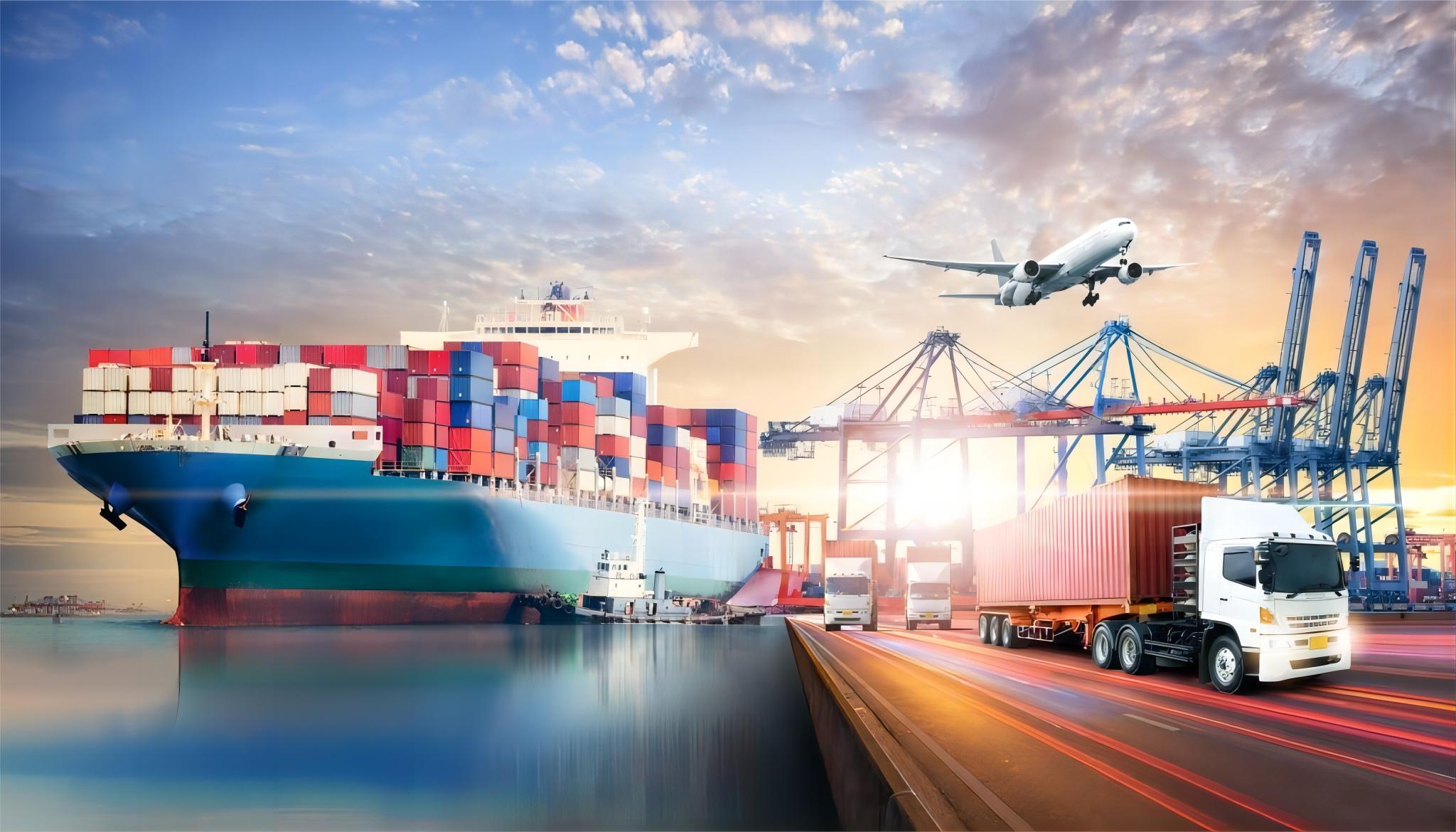
Sea freight remains the backbone for shipping bulk commodities like wood pellets across vast distances. It offers the lowest cost per unit, making it economically viable for large-scale operations. Moreover, its capacity to handle massive volumes is unmatched.
Shipments can be handled as Full Container Load (FCL) for dedicated containers or Less than Container Load (LCL) for smaller quantities. For truly massive volumes, specialized bulk carriers are often employed. Consider sea freight for its cost-efficiency and capacity.
While transit times are longer, meticulous planning can optimize delivery schedules. Furthermore, opting for direct routes rather than transshipment can reduce overall travel time, albeit at a slightly higher cost. This strategic decision balances cost and speed for exporting wood pellets.
Air Freight: When Speed is Critical
Air freight offers unparalleled speed, making it suitable for urgent or high-value, low-volume shipments. However, its cost is significantly higher than sea freight, making it generally impractical for bulk commodities like wood pellets. Consequently, it is rarely used for this specific trade.
Nonetheless, in exceptional circumstances, such as emergency samples or small, critical components for a processing plant, air freight might be considered. This alternative prioritizes speed over cost, offering a different solution for specific needs.
Multimodal Solutions and Hybrid Approaches
Sometimes, a combination of transport modes, known as multimodal shipping, offers optimized solutions. Although less common for bulk wood pellets, hybrid strategies can be effective for certain legs of the journey. For example, inland rail or truck transport to a port might precede ocean freight.
These solutions focus on leveraging the strengths of each mode. They aim to reduce overall transit time or cost for specific supply chain segments. Ultimately, the choice depends on the specific requirements of the wood pellet shipment and the exporter’s strategic goals.
What are the Costs and Transit Times for US Wood Pellets to Vietnam?
The overall cost of exporting wood pellets to Vietnam is influenced by numerous factors. These include fluctuating freight rates, fuel surcharges, port charges, and customs duties. Consequently, obtaining a detailed quote is always recommended.
Typical transit times for ocean freight from the US West Coast to Vietnam range from 25 to 35 days for direct services. East Coast shipments, however, may take longer, often between 35 and 45 days due to longer ocean legs or transshipment. Furthermore, port congestion can add to these timelines.
Estimating accurate shipping costs requires considering not just the ocean freight but also origin charges (e.g., THC, documentation), destination charges (e.g., DTHC, customs clearance), and potential demurrage or detention fees. Hence, a comprehensive view of the supply chain is vital.
Market data suggests that ocean freight for a 40-foot High Cube container from major US ports to Vietnam typically ranges from $3,000 to $5,000 as of early 2025. These rates can vary significantly based on carrier capacity and seasonal demand fluctuations. For reducing shipping costs for wood pellets, strategic planning is key.
Note: Freight rates are subject to change based on fuel costs, carrier capacity, and seasonal demand. Contact us for a current quote tailored to your specific shipment.
Case Studies: Successful US Wood Pellet Exports
Examining real-world scenarios provides valuable insights into the complexities and successful strategies for the **us export wood pellets to vietnam**. These case studies highlight practical considerations and effective solutions in logistics. They illustrate how efficient planning can overcome common challenges.
These examples showcase how different approaches to logistics, cargo handling, and documentation can impact overall efficiency and cost. Consequently, learning from past experiences can help optimize future shipments. Supply chain solutions are tailored to diverse client needs.
Case Study 1: Large Volume FCL Shipment to Ho Chi Minh City
This case involved a major US biomass producer exporting a substantial volume of wood pellets. The client sought a balance between cost-efficiency and reliable transit times for their regular shipments. Therefore, FCL ocean freight was the natural choice.
| Detail | Description |
|---|---|
| Route | Savannah, GA, USA -> Ho Chi Minh City, Vietnam |
| Cargo | Wood pellets, 250 CBM, 150,000 kg |
| Container | 10 x 40HQ (Full Container Load) |
| Shipping Details | Carrier: Major carrier; Port of Loading: Savannah; Port of Discharge: Cat Lai; Route Type: Transshipment via Singapore |
| Cost Breakdown | Ocean Freight: $45,000; Origin Charges: $3,500; Destination Charges: $2,800; Customs & Duties (estimated): $2,000; Total Landed Cost: $53,300 |
| Timeline | Booking to Loading: 7 days; Sea Transit: 38 days; Customs Clearance: 3 days; Total Door-to-Port: 48 days |
| Key Insight | Optimized route selection with a reliable transshipment hub significantly reduced costs compared to direct services. Proactive documentation management prevented delays. Based on Q4 2024 market rates. |

Case Study 2: Urgent LCL Shipment for Pilot Project in Hanoi
A renewable energy startup needed a smaller, albeit urgent, batch of specialized wood pellets for a pilot project. Speed was more critical than the lowest possible unit cost due to project deadlines. Consequently, LCL was chosen over waiting for a full container.
| Detail | Description |
|---|---|
| Route | Los Angeles, CA, USA -> Haiphong, Vietnam |
| Cargo | Specialty wood pellets, 10 CBM, 6,000 kg |
| Container | LCL (Less than Container Load) |
| Shipping Details | Carrier: NVOCC consolidation; Port of Loading: Los Angeles; Port of Discharge: Haiphong; Route Type: Direct consolidation |
| Cost Breakdown | Ocean Freight: $1,200; Origin Charges: $450; Destination Charges: $600; Customs & Duties (estimated): $150; Total Landed Cost: $2,400 |
| Timeline | Booking to Loading: 5 days; Sea Transit: 28 days; Customs Clearance: 2 days; Total Door-to-Port: 35 days |
| Key Insight | Despite higher per-unit cost than FCL, LCL proved effective for meeting specific project timelines for smaller volumes. Seamless coordination with local agents ensured rapid customs clearance. Typical rates as of early 2025. |
Navigating Regulations and Compliance for Wood Pellet Exports
Adhering to both US export regulations and Vietnamese import policies is non-negotiable for successful trade. Exporters must be aware of potential restrictions, licensing requirements, and quality standards. Therefore, thorough research into these regulations is crucial.
In the US, wood pellet exports are subject to various trade laws, including those enforced by the Department of Commerce. Furthermore, specific sustainability certifications, such as those from the Sustainable Biomass Program (SBP), are often required by buyers. This ensures compliance with international environmental standards.
Vietnam, on the other hand, has its own set of import duties, taxes, and technical standards for biomass products. Consequently, understanding these requirements in advance can prevent costly delays and penalties. It is vital to ensure all documentation, especially the phytosanitary certificate, is accurate and valid. This supports smooth **us export wood pellets to vietnam** operations.
Optimizing Your Supply Chain for US Wood Pellet Exports
An optimized supply chain is fundamental to maximizing efficiency and profitability when exporting wood pellets. This involves strategic planning across all stages, from sourcing to final delivery. Indeed, every step impacts overall performance.
Consider integrating advanced comprehensive logistics services and technology for real-time tracking and inventory management. This proactive approach helps anticipate and mitigate potential disruptions, such as port congestion or unexpected delays. Moreover, it ensures a more predictable delivery schedule.
Effective warehousing solutions at both origin and destination ports also play a crucial role. They facilitate smooth transitions between transport modes and provide flexibility in managing inventory. Explore warehousing solutions to enhance your logistics. Ultimately, a well-managed supply chain reduces operational costs and enhances customer satisfaction, making your **us export wood pellets to vietnam** venture more competitive.
Conclusion
In conclusion, the **us export wood pellets to vietnam** market offers significant opportunities, but successful navigation requires expert logistics planning and execution. By understanding the various shipping methods, managing documentation, and partnering with a reliable freight forwarder, businesses can ensure their biomass reaches its destination efficiently. Furthermore, staying informed about market trends and regulatory changes is crucial for sustained success. VeloTactics Logistics stands ready to be your trusted partner in this growing trade, providing tailored solutions for your export needs.
Get Your Shipping Quote Today
Ready to streamline your **us export wood pellets to vietnam** operations? Contact VeloTactics Logistics today for a personalized consultation and a competitive quote. Our experts are prepared to help you navigate every step of the shipping process, ensuring efficient and reliable delivery.
Request Quote