
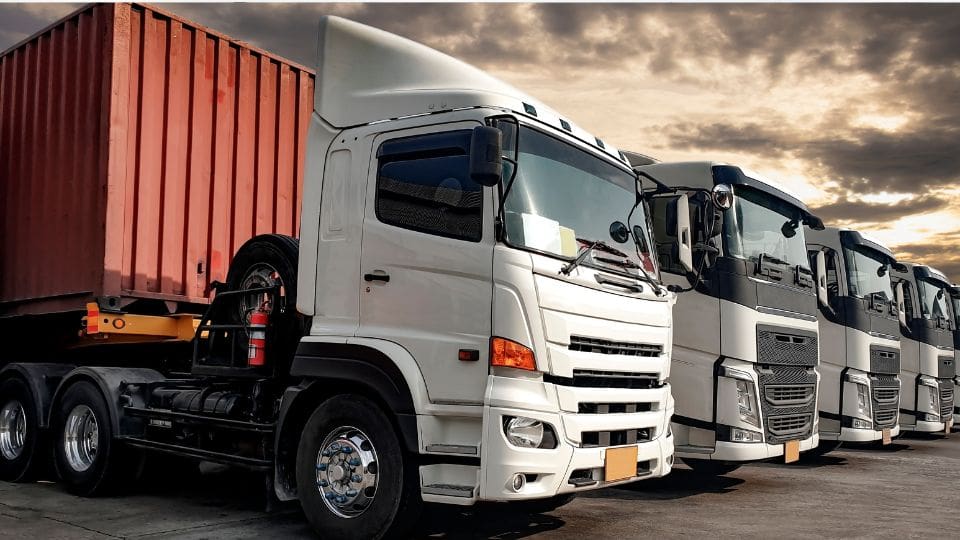
In modern logistics, the box truck plays a vital role in short- and mid-distance freight transportation. Businesses rely on these enclosed vehicles for safe, weatherproof, and cost-efficient deliveries. Whether you manage local retail distribution or nationwide logistics, using box trucks ensures speed, flexibility, and protection for valuable cargo.
What Is a Box Truck and How Does It Work?
A box truck, also known as a cube truck or straight truck, features an enclosed cargo area mounted on the same chassis as the cab. It offers protection against weather, theft, and handling damage—making it ideal for transporting furniture, electronics, groceries, and retail goods.
Box trucks operate mainly in urban and regional delivery routes. Their moderate size enables easier navigation through city streets compared to full-size trailers, ensuring efficient last-mile delivery.
Why Businesses Prefer Box Trucks for Freight Delivery
Box trucks combine capacity, maneuverability, and reliability. Their enclosed design protects cargo, while their compact build reduces operating costs compared to heavy-duty semi-trailers.
Key Advantages
| Benefit | Description |
|---|---|
| Weather Protection | Fully enclosed cargo box keeps goods safe from rain or sun. |
| Flexibility | Ideal for urban, regional, or cross-town routes. |
| Cost Efficiency | Lower fuel consumption and operating costs than larger trucks. |
| Quick Loading | Rear roll-up doors allow fast loading and unloading. |
| Driver Requirements | Most models can be driven with a standard license. |
These qualities make box trucks essential for e-commerce, moving services, food distributors, and retail suppliers.
What Sizes and Capacities Are Available?
Box trucks come in several configurations based on cargo volume and payload needs. Choosing the right size depends on your delivery routes and freight weight.
Box Truck Size Chart
| Truck Type | Cargo Capacity | Weight Limit | Ideal Use |
|---|---|---|---|
| Small (10–14 ft) | 400–700 cu. ft. | Up to 5,000 lbs | City deliveries, furniture |
| Medium (15–20 ft) | 700–1,000 cu. ft. | Up to 10,000 lbs | Regional freight, e-commerce |
| Large (22–26 ft) | 1,000–1,500 cu. ft. | Up to 12,000 lbs | Warehouse distribution |
| Heavy-Duty Box | 1,500+ cu. ft. | 15,000+ lbs | Industrial or palletized goods |
Selecting the proper size helps avoid overloading, maintain fuel efficiency, and comply with transport safety standards.
How Much Does a Box Truck Cost?
Box truck costs vary by vehicle size, engine type, and operational range. Businesses can buy, lease, or rent depending on freight volume and usage frequency.
Estimated Box Truck Pricing
| Option | Price Range (USD) | Notes |
|---|---|---|
| Purchase (New) | 60,000–90,000 | Ideal for long-term operations |
| Lease (per month) | 1,000–2,500 | Best for steady usage |
| Rental (per day) | 120–250 | Perfect for seasonal demand |
Maintenance, fuel, and insurance add to the total cost of ownership, so optimizing fleet usage is crucial for profitability.
How Does a Box Truck Compare to Other Delivery Options?
Choosing between different freight vehicles depends on shipment volume, distance, and urgency. The box truck sits between cargo vans and full trailers, balancing capacity and cost.
| Feature | Box Truck | Cargo Van | Semi-Trailer |
|---|---|---|---|
| Cargo Space | Medium (up to 1,500 cu. ft.) | Small (under 500 cu. ft.) | Very Large (5,000+ cu. ft.) |
| Flexibility | High | Very High | Low |
| Cost Efficiency | Excellent for mid-range | High for short trips | Best for bulk freight |
| Maneuverability | Good | Excellent | Poor |
| Ideal Range | 50–400 miles | 0–150 miles | 400+ miles |
Therefore, a box truck serves as the perfect middle-ground for companies seeking scalability without the heavy cost of full-size rigs.
What Industries Benefit Most from Box Trucks?
Box trucks are adaptable across multiple industries. Companies choose them for short-haul logistics, last-mile delivery, and secure transport of goods.
Common Uses
- E-commerce and retail delivery
- Moving and relocation services
- Temperature-controlled grocery distribution
- Event equipment transport
- Furniture and appliance shipping
Moreover, logistics providers often integrate box trucks into multimodal networks to complement air or sea freight schedules.

How to Choose the Right Box Truck for Your Business
When selecting a box truck, consider operational needs, cargo type, and delivery routes.
Factors to Evaluate
- Cargo Weight and Size: Match truck capacity with shipment volume.
- Fuel Type: Choose diesel for long routes or electric for city logistics.
- Loading Design: Decide between liftgate or ramp based on cargo handling.
- Operating Radius: Smaller trucks suit short trips; larger ones handle regional loads.
- Fleet Maintenance: Regular servicing improves fuel efficiency and reduces downtime.
Using telematics and fleet management software also helps monitor driver performance and vehicle health.
How to Reduce Box Truck Operating Costs
Reducing operational expenses increases fleet efficiency and profit margins.
Cost-Saving Tips
- Maintain proper tire pressure for fuel efficiency.
- Plan optimal routes using GPS systems.
- Consolidate deliveries to maximize capacity.
- Schedule maintenance proactively.
- Train drivers on fuel-efficient techniques.
Additionally, adopting hybrid or electric box trucks can significantly lower long-term fuel costs and carbon emissions.
Safety Standards and Compliance for Box Truck Operations
Safety remains a top priority in box truck logistics. Companies must ensure vehicles meet Department of Transportation (DOT) and local safety requirements.
Key Safety Checks
- Brake and light inspections before every trip
- Proper cargo securing and weight distribution
- Adherence to driver hour regulations
- Up-to-date insurance and registration documents
Regular safety audits help maintain compliance and prevent costly fines or accidents.
The Future of Box Trucks in Logistics
Innovation is transforming how box trucks operate. Automation, electric drivetrains, and smart sensors are shaping a more efficient and sustainable transport future.
Emerging Trends
- Widespread use of electric box trucks for urban logistics
- Integration with real-time tracking and AI dispatch systems
- Adoption of autonomous driving technologies
- Predictive maintenance using IoT sensors
As sustainability goals evolve, box trucks will remain central to efficient city and regional delivery models.
📦Get a Free Quote
👉 Improve your logistics performance with professional box truck freight solutions designed for reliability, flexibility, and cost control. Contact us today to get a quote and streamline your transportation network.
A box truck is used to transport goods securely within an enclosed cargo area, protecting them from weather and theft.
A 15–20 ft box truck typically suits small household moves or regional deliveries, while larger 26 ft models handle commercial loads.
Most models carry between 5,000 and 12,000 pounds, depending on truck type and configuration.
Yes, some box trucks feature refrigerated or insulated compartments for transporting food, medicine, or temperature-sensitive goods.
Smaller box trucks can be driven with a standard driver’s license, but heavier models may require a commercial driver’s license (CDL).