

Table of Contents
Trade between Canada and the United States is one of the most vital economic connections in the world. Every day, billions of dollars in goods cross the border seamlessly. Understanding how Canadian imports to US work — including logistics, customs, and documentation — is essential for importers who want efficiency, compliance, and competitive pricing. With Velotactics Logistics, you gain a trusted partner in cross-border shipping, ensuring faster deliveries, simplified paperwork, and transparent freight rates.
What Makes Canadian Imports to US So Important?
Canada supplies the US with a wide range of goods that keep industries running smoothly — from energy and raw materials to food and manufactured products. This relationship thrives because of shared infrastructure, the USMCA trade agreement, and proximity-based logistics advantages.
| Category | Import Value (USD Billion) | Key Products |
|---|---|---|
| Energy | 110 | Crude oil, gas, petroleum products |
| Automotive | 65 | Cars, engines, and components |
| Agriculture | 30 | Grains, meat, dairy |
| Metals & Minerals | 25 | Aluminum, iron, copper |
| Machinery | 20 | Equipment, construction tools |
| Wood & Paper | 18 | Lumber, packaging, pulp |
How Are Canadian Imports Transported to the US?
Over 80% of imports move through land transportation, supported by advanced rail and trucking networks. The rest travel by air or sea freight depending on urgency and cargo type.
| Shipping Mode | Avg. Cost (USD) | Transit Time | Ideal For |
|---|---|---|---|
| Truck Freight | $2,000–$3,000 | 1–4 days | Consumer goods, manufacturing parts |
| Rail Freight | $1,500–$2,200 | 4–7 days | Bulk cargo, minerals |
| Air Freight | $4–$6 per kg | 1–2 days | Electronics, urgent cargo |
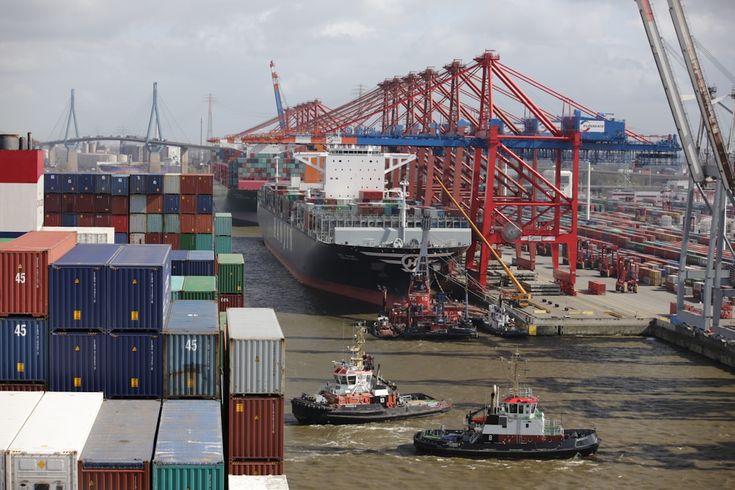
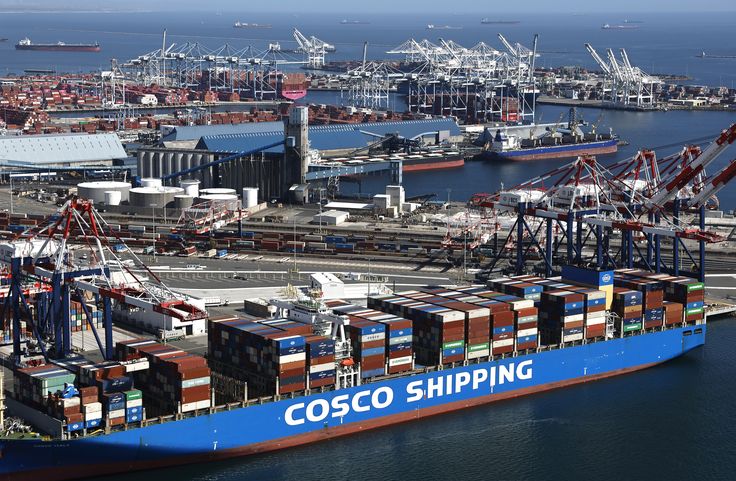
| Sea Freight | $2,000–$3,500 | 7–10 days | High-volume goods |
Velotactics coordinates cross-border Sea Freight and Air Freight to match your schedule and cost targets.
Key Border Routes for Canadian Imports
| Origin City (Canada) | Entry Point (US) | Main Transport | Transit Time |
|---|---|---|---|
| Toronto | Detroit | Truck/Rail | 1–2 days |
| Montreal | New York | Truck | 1–3 days |
| Vancouver | Seattle | Truck | 1 day |
| Calgary | Dallas | Rail | 5–6 days |
| Halifax | Boston | Sea | 4–5 days |
Strategically planning around major corridors reduces congestion and customs delays. Velotactics optimizes each route for cost and reliability.
What Customs Documents Are Required?
Smooth cross-border import depends on accurate documentation and adherence to USMCA rules.
| Document | Purpose | Issued By |
|---|---|---|
| Commercial Invoice | Declares goods and value | Exporter |
| Bill of Lading / Waybill | Proof of shipment | Carrier |
| Certificate of Origin | Confirms North American production | Exporter |
| Packing List | Details contents | Supplier |
| Customs Entry Form | Official clearance | Broker |
Velotactics’ Customs Brokerage ensures your paperwork is processed in advance, preventing costly port delays.
How Does the USMCA Affect Import Tariffs?
Under the United States–Mexico–Canada Agreement (USMCA), most Canadian goods enter the US duty-free. Exceptions exist for specific categories like steel, aluminum, and dairy.
| Product Type | Standard Tariff (%) | USMCA Status | Notes |
|---|---|---|---|
| Vehicles | 2.5 | Duty-Free | Must meet origin rule |
| Aluminum & Steel | 10–25 | Partial | May require documentation |
| Dairy | 5–20 | Restricted | Quota system applies |
| Electronics | 0–5 | Duty-Free | Fully exempt under USMCA |
| Furniture | 4 | Duty-Free | North American origin required |
Velotactics’ Import Service assists clients in identifying applicable exemptions to minimize landed costs.

Comparing Air, Rail, and Truck Freight
| Criteria | Air Freight | Rail Freight | Truck Freight |
|---|---|---|---|
| Speed | Fastest (1–2 days) | Moderate (4–7 days) | Flexible (1–4 days) |
| Cost | Highest | Lowest | Moderate |
| Capacity | Limited | High | Medium |
| Border Handling | Simplified | Moderate | Frequent |
| Ideal Cargo | High-value, urgent | Bulk, heavy | General trade |
Choosing the right freight mode depends on your shipment volume, deadlines, and cost structure. Velotactics offers tailored multimodal solutions.
Real Example: Shipping from Toronto to Texas
A US automotive distributor sourced engine components from Toronto.
- Mode: Rail Freight
- Transit Time: 5 days
- Tariff: 0% under USMCA
- Result: Saved 18% logistics cost compared to trucking.
Velotactics managed documentation, classification, and warehouse integration to ensure smooth clearance.
How to Reduce Import Costs from Canada
- Consolidate Shipments: Combine LTL loads into full truckloads to reduce per-unit cost.
- Use Bonded Warehouses: Delay duties until goods reach distribution centers.
- Automate Customs Filing: Prevent manual errors and clearance delays.
- Plan Seasonal Imports Early: Avoid high-cost peak season surcharges.
- Partner with an Experienced Forwarder: Ensure tariff compliance and optimized routes.
Our Warehouse and Door To Door services help reduce handling costs and improve efficiency.
How Long Does It Take for Canadian Imports to Reach the US?
Transit time depends on distance, transport mode, and customs processing.
| Mode | Average Transit | Customs Clearance | Ideal Use |
|---|---|---|---|
| Truck | 1–4 days | Same day | Short-distance delivery |
| Rail | 4–7 days | 1 day | Bulk industrial cargo |
| Air | 1–2 days | Hours | High-priority cargo |
| Sea | 7–10 days | 2–3 days | Non-urgent freight |
Velotactics provides real-time visibility and predictive delivery tracking across all routes.
Future Outlook for Canada–US Trade
- Digital Border Systems: AI-based customs automation is reducing clearance times.
- Greener Transport: More companies are shifting to rail and hybrid trucking fleets.
- E-commerce Integration: Direct-to-consumer shipments across borders are rising.
- Trade Diversification: Both countries are expanding collaboration in EVs and renewable energy.
Velotactics continues to evolve with these logistics trends to provide competitive and sustainable freight solutions.

Conclusion:
In summary, Canadian imports to US form the backbone of North American trade. Understanding shipping modes, tariffs, and documentation helps importers save time and money. With the right logistics partner like Velotactics Logistics, you can simplify customs processes, improve transit efficiency, and unlock long-term cross-border success.
Get a Quote
Get your custom logistics quote within 24 hours and enjoy duty-optimized, compliant Canadian import shipping.
Velotactics offers exclusive rates, full tracking visibility, and expert documentation support.
Trusted by 5,000+ North American importers — streamline your supply chain today.
FAQ
Energy, vehicles, machinery, metals, and agricultural products are the largest import sectors.
Truck shipments take 1–4 days, while rail can take up to 7 days depending on the route.
Most goods are duty-free, though some products like steel and dairy remain restricted.
You’ll need a commercial invoice, packing list, certificate of origin, and bill of lading.
Rail freight offers the best cost-to-volume ratio for heavy or bulk cargo.
We manage transport, customs, warehousing, and insurance under one integrated service.