
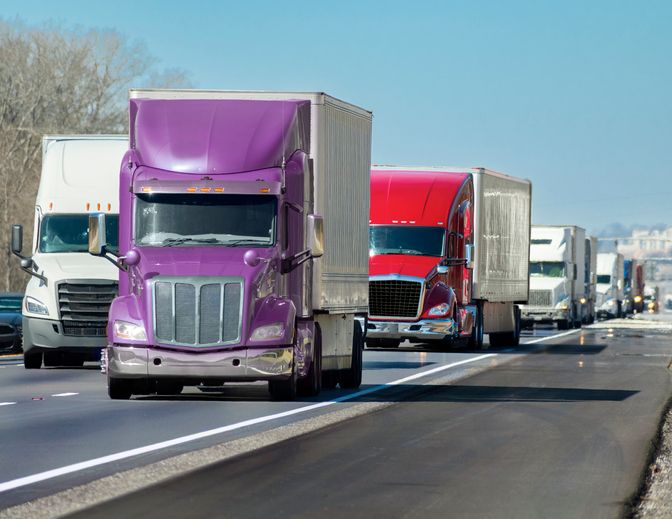
For companies shipping large quantities of goods, FTL (Full Truckload) freight remains one of the most reliable and efficient logistics methods. It offers exclusive truck space, faster delivery, and reduced handling, making it ideal for time-sensitive or high-volume cargo. In this guide, you’ll learn how FTL shipping works, its pricing, and how it compares with other freight solutions.
How Full Truckload Logistics Operate
In truckload transport, the shipping process is simple and direct. The carrier assigns a dedicated truck, the driver collects the cargo, and the shipment moves straight to the destination.
Typical Full Truckload Process
| Step | Description | Key Benefit |
|---|---|---|
| 1 | Shipment scheduled and confirmed | Guaranteed equipment availability |
| 2 | Pickup from origin facility | Quick, controlled loading |
| 3 | Direct route to consignee | No transfers, fewer risks |
| 4 | Delivery confirmation | Secure proof of receipt |
This streamlined process eliminates unnecessary handling and improves overall transit reliability.
Why Choose Full Truckload Freight
Businesses prefer full truckload service because it combines reliability, security, and speed.
Top Advantages
- Faster transit times: Direct, uninterrupted routes.
- Lower damage risk: Fewer touchpoints during handling.
- Predictable delivery schedules: Ideal for just-in-time operations.
- Increased control: Exclusive use of equipment and space.
- Improved cost per unit: Economical for high-volume shipments.
Moreover, full trailer loads offer flexibility in scheduling and support various cargo types—from retail products to industrial goods.
Comparing FTL with Partial and LTL Shipments
Choosing between FTL, Partial Truckload, and LTL (Less Than Truckload) depends on shipment size, urgency, and budget.
| Criteria | Full Truckload | Partial Load | LTL Freight |
|---|---|---|---|
| Capacity | Entire trailer | Shared among few shippers | Shared among many |
| Handling | Minimal | Moderate | Frequent transfers |
| Transit Speed | Fastest | Medium | Slowest |
| Cost Efficiency | High for large loads | Moderate | Best for small loads |
| Ideal Use | Heavy, urgent cargo | Medium-sized loads | Small, regular freight |
For cargo exceeding 10,000 pounds or filling over half of a trailer, full truckload shipping is usually the best value.
What Factors Affect Full Truckload Rates
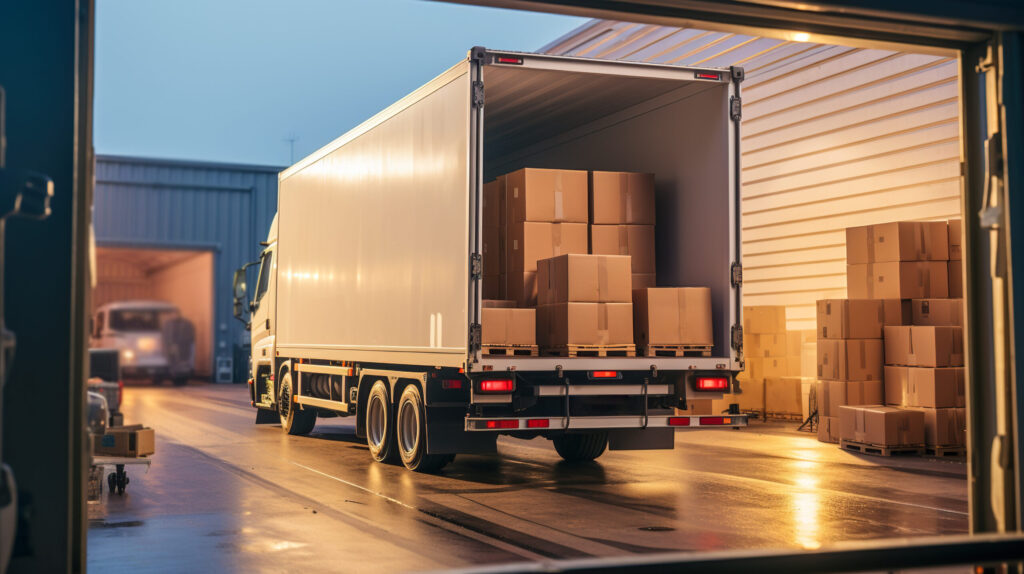
The cost of a full trailer load depends on multiple factors, including distance, lane type, and current market demand.
Typical Cost Estimates
| Distance | Average Cost (USD) | Delivery Time |
|---|---|---|
| 300–600 miles | 1,100–1,400 | 1–2 days |
| 800–1,200 miles | 1,700–2,300 | 2–3 days |
| 1,500+ miles | 2,800–3,800 | 3–5 days |
Fuel prices, truck availability, and special handling requests (like liftgates or tarping) also influence final rates.
What Goods Are Best for Full Trailer Loads
Full truckload transport works best for shippers moving uniform, packaged, or fragile goods that cannot be mixed with others.
Common Cargo Types
- Consumer packaged goods (CPG)
- Automotive parts and heavy tools
- Construction materials and appliances
- Agricultural and bulk shipments
- E-commerce warehouse replenishments
These shipments benefit from the efficiency of dedicated truck service, particularly for cross-country routes.
How to Reduce Costs in Truckload Freight
Even though FTL transport is cost-effective for larger loads, shippers can further lower expenses through careful planning and coordination.
Practical Tips
- Plan routes early: Secure capacity before seasonal rate spikes.
- Consolidate freight: Combine shipments from nearby suppliers.
- Leverage technology: Use real-time tracking and route optimization tools.
- Utilize backhauls: Fill return trips to reduce empty miles.
- Negotiate consistent lanes: Build long-term partnerships with carriers.
By combining data analytics and smart routing, businesses can reduce waste and improve shipping ROI.
Comparing Truckload Freight with Other Modes
Truckload transport competes with rail, air, and ocean shipping depending on cost and urgency.
| Mode | Cost | Speed | Ideal Cargo Type |
|---|---|---|---|
| Full Truckload | Medium | 1–5 days | Domestic high-volume loads |
| Rail Freight | Low | 5–10 days | Bulk materials |
| Air Freight | High | 1–2 days | Urgent lightweight cargo |
| Ocean Freight | Lowest | 20–40 days | Global container shipments |
Truckload remains the most flexible choice for inland delivery because it combines speed, accessibility, and affordability.
Challenges in Dedicated Freight Operations
While Full Truckload logistics provide reliability, they also face several challenges:
- Driver shortages causing capacity constraints.
- Fuel price fluctuations increasing rate volatility.
- Weather disruptions delaying long-distance routes.
- Empty return trips reducing fleet efficiency.
Carriers are addressing these through better route planning, digital load boards, and predictive maintenance systems.
Technology and Sustainability in Truckload Logistics
Modern truckload freight integrates digital tools and green initiatives to enhance efficiency and reduce emissions.
Key Innovations
- AI-driven dispatch systems and load matching
- Telematics for real-time route optimization
- Electric and hybrid trucks for short-haul routes
- Automated documentation and proof of delivery
- Carbon offset programs for eco-conscious clients
These developments make full truckload logistics both sustainable and competitive.
The Future of Full Truckload Transport
The future of long-haul truckload freight lies in automation, digital platforms, and environmental innovation. Carriers are already testing autonomous trucks, electric fleets, and predictive analytics for improved efficiency.
Upcoming trends include:
- Blockchain integration for transparent cargo records
- Smart sensors for real-time cargo condition monitoring
- Autonomous fleet trials improving delivery consistency
- Dynamic pricing algorithms optimizing costs
With these advancements, FTL and full trailer operations will continue to shape the next generation of supply chain efficiency.
Ready to move your next full truckload safely and efficiently? Discover how our FTL shipping solutions can reduce costs and speed up your delivery today → Send Inquiry
Typically, FTL is used for loads of 10–26 pallets or more than 15,000 pounds, where the truck’s capacity is mostly utilized.
FTL charges a flat rate per truck, while LTL pricing is per pallet or weight. FTL becomes more cost-effective when you occupy most of the truck.
Yes, FTL is commonly used for cross-border transport across Europe and Asia, subject to customs clearance requirements.
Most carriers provide limited liability, but additional cargo insurance is recommended for high-value goods.
Modern logistics systems use GPS and IoT trackers for real-time truck location and estimated arrival time updates.